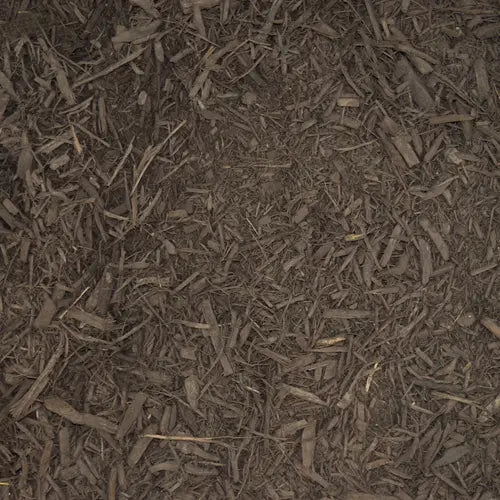
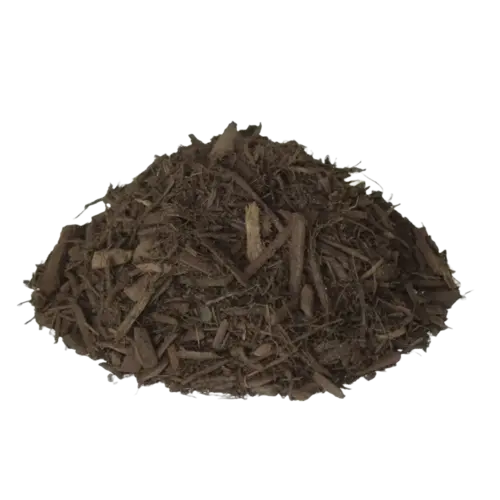
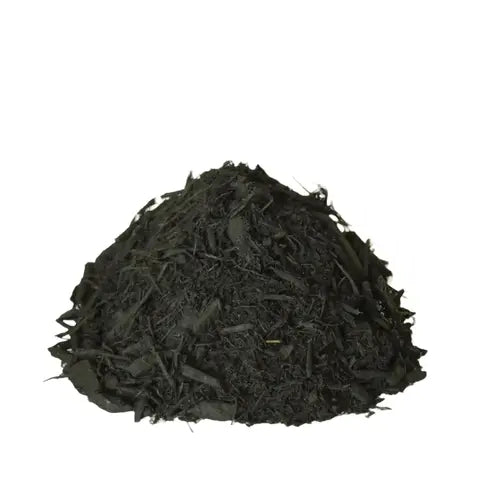
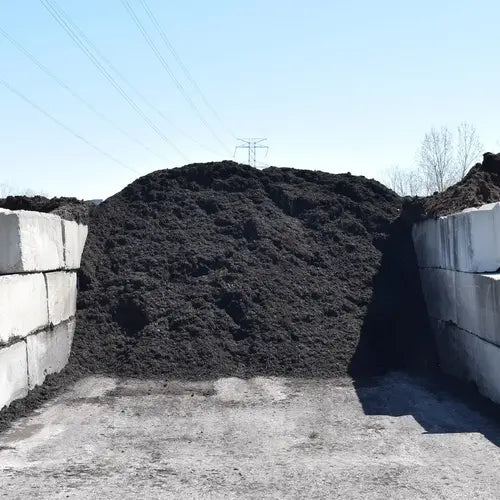
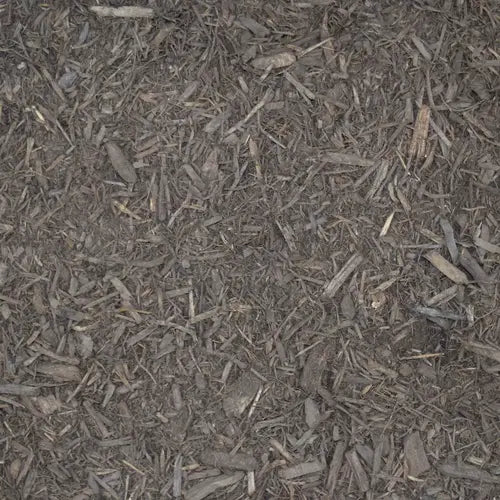
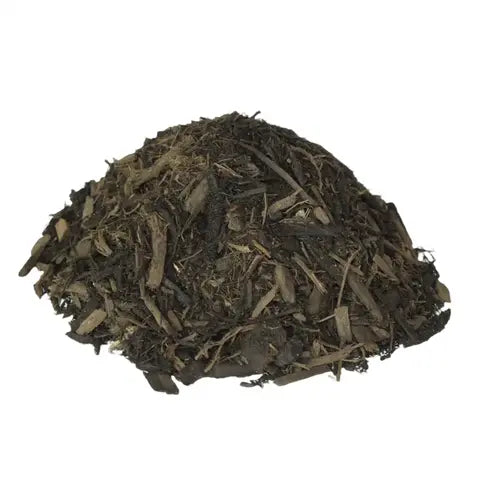
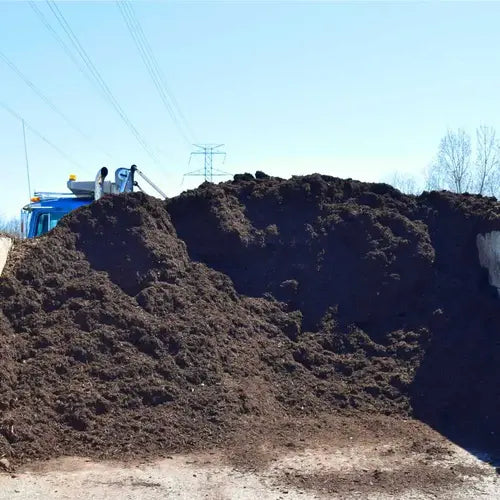
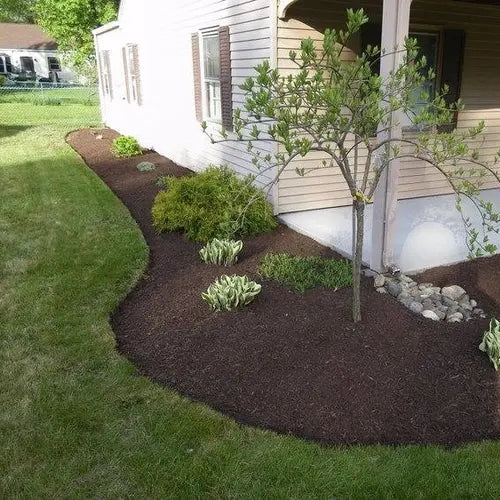
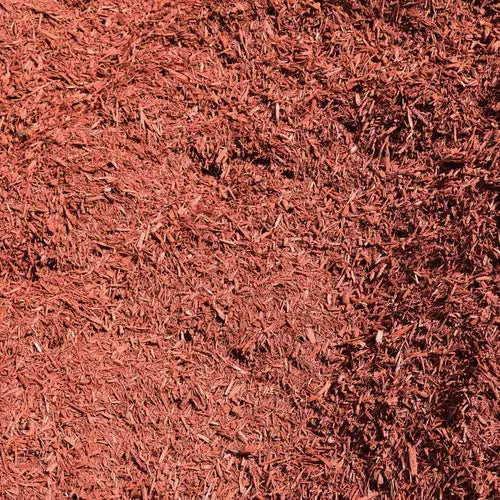
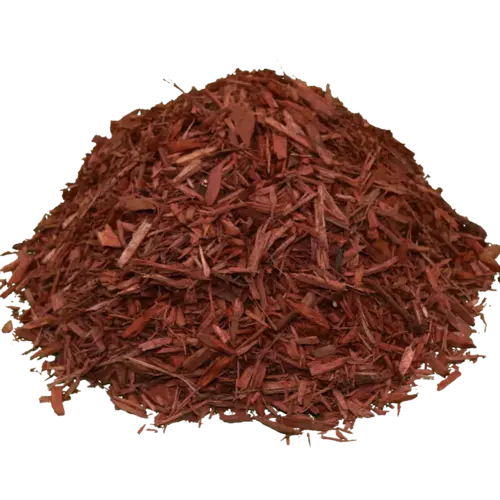
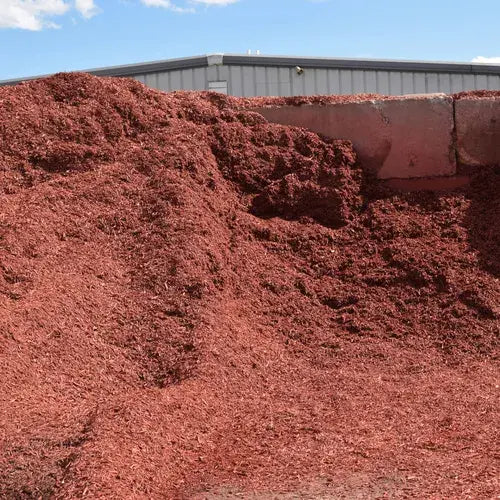
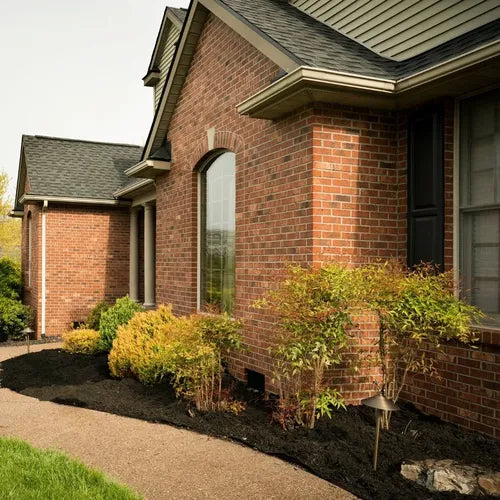
Warm brown double shredded mulch with lasting color that looks freshly applied for weeks. Spreads smooth, stays put, and gives beds a natural, polished appearance.
Delivery was on time and great quality Mulch. Got it done in a reasonable time and yard looks great. Couldn’t be happier!!! Thank you and will use again!!
Tell us what you're looking for
Thanks! We received your request.
Something went wrong. Please try again.
How Much Material Do I Need?
For most Jackson ornamental and garden beds, a 3 inch depth is the sweet spot that offsets the fast drainage of sandy loam without smothering plant crowns. High-traffic areas or slopes prone to washout during Jackson's heavier spring rains may benefit from a full 4 inch application.
Use our free mulch calculator
What is a yard?
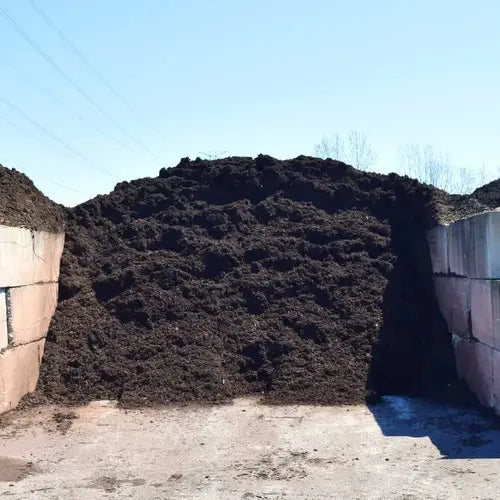
A yard is approximately 27 cubic feet. As a general guideline, one yard of material can cover an area of about 100-160 square feet at a 2-3 inch depth.
We can't take orders for this right now. Tell us what you need and we'll get back to you.
What do you need?
Thanks! We received your request.
Something went wrong. Please try again.
Hand-picked local yards
4,000+ regional deliveries
Dedicated support
Why order through Mulch Mound
The best local mulch, without the guesswork.
We hand-pick and partner with the best yards in your region, keep only the ones our buyers rate well, and back each load with our guarantee.
Mulch Mound Guarantee
If your mulch isn't the quantity or quality you ordered, we'll make it right.
About this mulch
Warm brown double shredded mulch with lasting color that looks freshly applied for weeks. Spreads smooth, stays put, and gives beds a natural, polished appearance.
Delivery was on time and great quality Mulch. Got it done in a reasonable time and yard looks great. Couldn’t be happier!!! Thank you and will use again!!
How Much Material Do I Need?
For most Jackson ornamental and garden beds, a 3 inch depth is the sweet spot that offsets the fast drainage of sandy loam without smothering plant crowns. High-traffic areas or slopes prone to washout during Jackson's heavier spring rains may benefit from a full 4 inch application.
Use our free mulch calculator
What is a yard?
A yard is approximately 27 cubic feet. As a general guideline, one yard of material can cover an area of about 100-160 square feet at a 2-3 inch depth.
Delivery was on time and great quality Mulch. Got it done in a reasonable time and yard looks great. Couldn’t be happier!!! Thank you and will us...
Read full review
Delivery was on time and great quality Mulch. Got it done in a reasonable time and yard looks great. Couldn’t be happier!!! Thank you and will use again!!
Mulch Mound delivered a yard of pea gravel to us. Delivery was on time, driver was friendly and hit a bullseye on the “tarp target”. We used the ...
Read full review
Mulch Mound delivered a yard of pea gravel to us. Delivery was on time, driver was friendly and hit a bullseye on the “tarp target”. We used the pea gravel (which was diameter as specified) to fill several muskrat holes around our pond. I would definitely recommend Mulch Mound to a friend!
I can’t say enough good things about Mulch Mound! If you read my review below you will see I had a problem with my order. Mulch Mou...
Read full review
UPDATE!
I can’t say enough good things about Mulch Mound! If you read my review below you will see I had a problem with my order. Mulch Mound was quick to respond and solved the issue with my delivery. Will definitely be a customer next year.
First time purchase from Mulch Mound!! First what I liked! Easy to order online and straight forward pricing and delivery. The driver was on time and courteous and delivered my Mulch exactly where I requested! The product is of good quality and comparable to others I have purchased from before. Now what I DID’NT LIKE! I have been mulching the same house and yard for almost 20 years. I always order the same amount and don’t have any issues with covering the same area but this year I fell about a yard short. I was home when the mulch was delivered and when the driver dumped it I noticed that it seemed a bit less than I was used to. I didn’t apply it any thicker than usual and probably a bit thinner than usual because I was worried about running out.
Measure each bed's length and width in feet and multiply to get the square footage, then plan on a depth of 2 to 3 inches for most Jackson beds or 3 to 4 inches for areas that drain especially fast. Dividing total square footage by 100 gives a rough cubic yard estimate at 3 inches deep. Because sandy loam compresses quickly in Jackson's summer heat and mulch settles after a few rains, ordering a modest extra amount ensures you maintain an effective depth all season.
Mulch vs. No Mulch: The Difference
Jackson's combination of moderate rainfall and warm summer temperatures speeds up the decomposition of natural wood mulch, which is actually a genuine benefit for sandy loam soils that are hungry for added organic matter. Dyed mulches are processed to resist that breakdown, holding their structure and color through Jackson's wet springs and sunny summers far longer than natural options do. The choice ultimately comes down to whether your priority is feeding your soil over multiple seasons or maintaining a consistent, polished color through the full growing season.
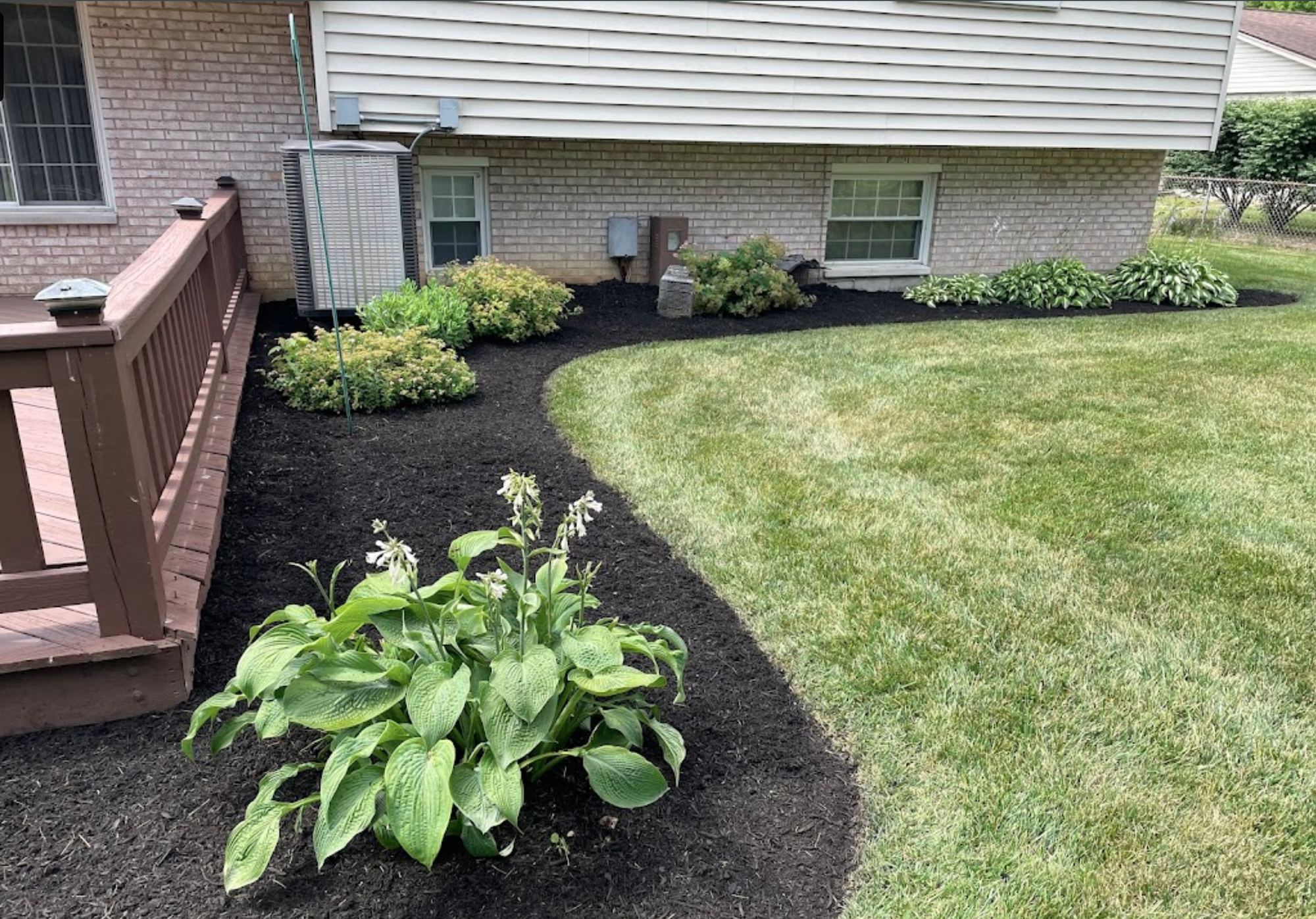
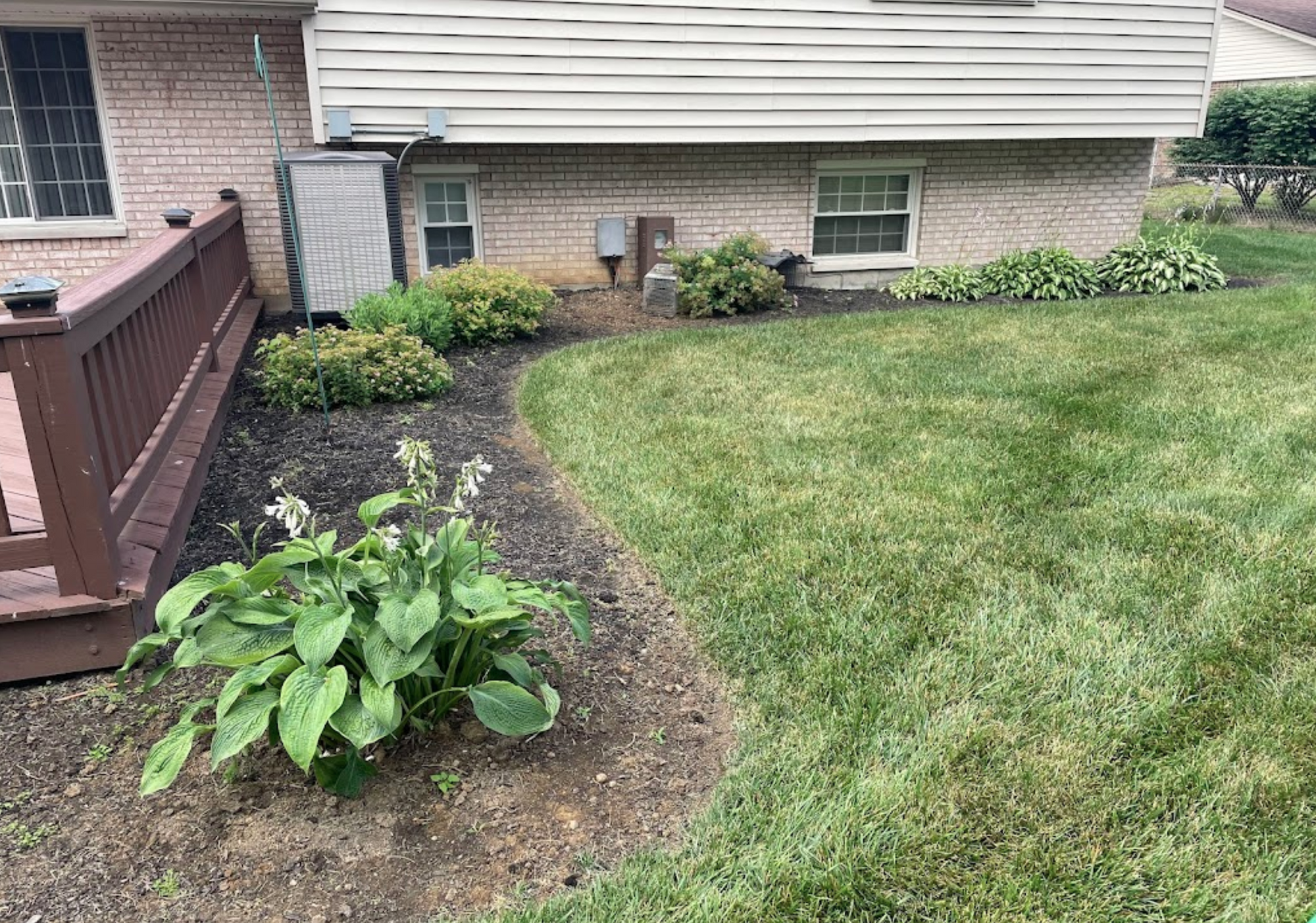
Before
After
Best Mulch Choice for Jackson Lawns
Most yards in the Jackson area sit on Sandy Loam type of soil. Jackson's sandy loam drains so freely that ornamental bed soil can dry out within a day or two after a rain event, putting shallow-rooted perennials and annuals under real moisture stress during the summer dry spells that fall between the area's rainfall events.
Hardwood Mulch
Hardwood mulch breaks down steadily in Jackson's climate, gradually adding organic matter that binds sandy loam particles together, improves the soil's ability to hold water between rainfalls, and builds the kind of rich, moisture-retentive topsoil that supports deeper and more resilient root systems over multiple growing seasons.
Mulch Types We Deliver in Jackson
Whether you are refreshing flower beds or wrapping up a new landscaping project, bulk mulch delivery in Jackson puts cubic yards on your property without the hassle of hauling bags. We deliver straight to your driveway or job site and sell by the yard so you get exactly what you need. Our stock covers a full range of colors and textures to suit the variety of home and garden styles across this part of Michigan.
Dyed Black Mulch
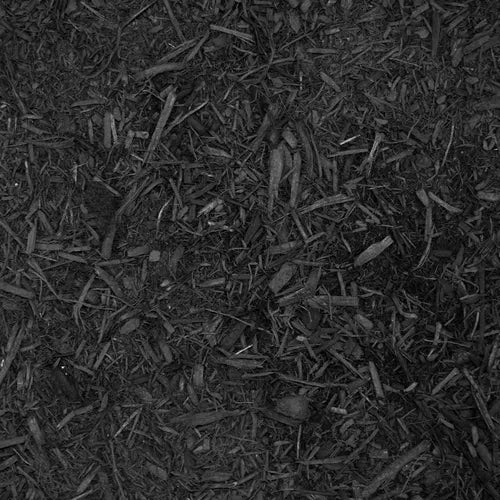
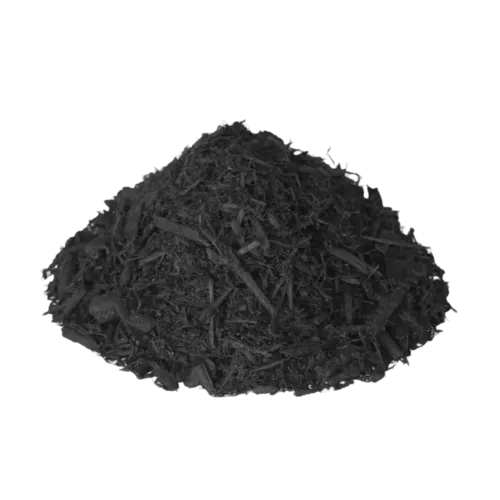
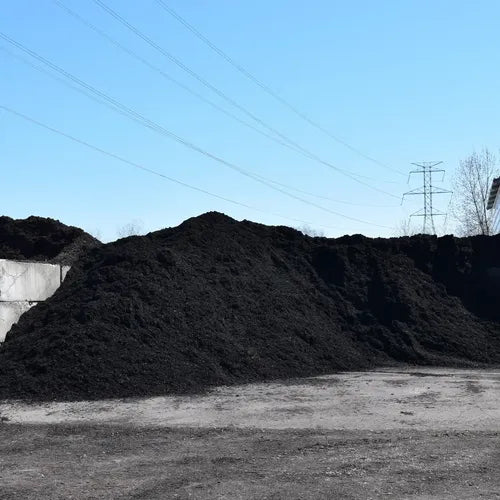
The most popular color choice for homeowners wanting a sharp, modern contrast in garden beds. Available in double shredded and triple shredded styles, the bold color holds through Michigan's wet springs and hot summers. Triple shredded is finer and packs tightly around plants.
Dyed Brown Mulch
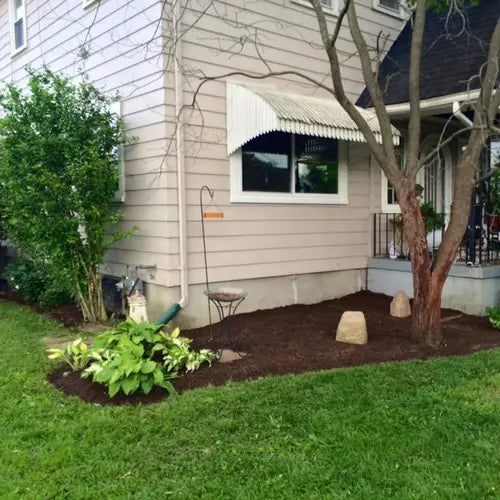
A warm, earthy look that suits the traditional brick and wood homes common across this region. Double shredded texture spreads smoothly and holds color for weeks, giving beds a polished appearance that looks freshly applied long after the delivery truck leaves.
Natural Brown Mulch
A mulch with no added dye, showing the wood's natural warm brown tone. A good fit for gardeners who want an understated look that blends with the surrounding landscape. Double shredded for a smooth spread, it breaks down over time and feeds the dense clay soils common in this part of Michigan.
Cedar Mulch
A smart pick for beds prone to insects, thanks to the natural oils in cedar that deter common pests. This double shredded variety also resists decay longer than standard wood mulches, holding its fresh woodsy scent through Michigan's humid summers.
Complete Your Outdoor Mulch Project
If your beds need a nutrient boost before mulching, pair your mulch order with a delivery of garden soil to enrich Jackson's sandy loam before you lay down coverage. Adding a border of decorative stone around the bed edges helps keep mulch in place during the heavy downpours that Jackson occasionally sees in spring and early summer.
Before spreading mulch in spring, rake back any remaining material from the previous season and loosen the top inch of your Jackson sandy loam with a hand cultivator. This breaks up any surface crusting that forms during dry stretches and ensures the new mulch layer sits flush against the soil rather than bridging over compacted patches. That direct soil contact is what makes moisture retention effective in a fast-draining sandy loam like Jackson's.
Mulch Mound Pro Tip
Pull mulch back at least 2 inches from the base of every shrub and tree trunk in your Jackson yard. Piling material directly against bark traps humidity against the wood, and Jackson's warm, wet summers create favorable conditions for fungal issues to develop at the crown. A small ring of bare soil around each plant stem keeps air circulating while the surrounding mulch still does its job of retaining moisture and suppressing weeds.
Mulch Mound Pro Tip
Jackson's 36 inches of annual rainfall sounds like plenty, but it tends to arrive unevenly, with dry stretches in July and August that stress plants more than the yearly total would suggest. A full 3 inch mulch layer acts as a buffer during those gaps, slowing evaporation enough to cut supplemental watering needs significantly. Refreshing that layer each spring before the dry summer stretch begins is one of the most cost-effective things a Jackson homeowner can do for their landscape.
Frequently Asked Questions
Click a question to see the answer
Answer
How much mulch do I actually need for my beds given how fast Jackson's sandy soil drains?
Because Jackson's sandy loam drains so freely, a depth of 3 inches is the standard recommendation for most ornamental beds here. That thickness retains enough moisture to offset the fast drainage between rain events, which average about 36 inches per year but can be spaced unevenly through July and August. Measure each bed's length by width in feet, multiply to get square footage, and divide by 100 to get the approximate cubic yards needed at that depth.
Answer
Will mulch help protect my plants from Jackson's early frosts that seem to sneak up in October?
A 3 to 4 inch layer applied before Jackson's average first frost date of October 8 acts as insulation that slows how quickly soil temperatures drop after nights turn cold. That buffer gives perennial roots more time to harden off and helps bulbs and shallow root systems survive the quick cold snaps that are common in Zone 6a. Pulling mulch slightly away from plant crowns before winter prevents moisture from collecting against stems while still protecting the surrounding soil.
Answer
When is the best time of year to put down fresh mulch in Jackson?
The most effective window is right after your last spring frost, which falls around May 1 in Jackson. Waiting until that point means the soil has had a chance to warm up from winter, and a fresh mulch layer then locks in that warmth and soil moisture heading into the growing season. A second light top-off in early October before the first frost rounds out the year and protects roots through the coldest months.
Answer
Does Jackson's rainfall actually speed up how fast my mulch breaks down?
Jackson receives about 36 inches of rainfall per year, and that consistent moisture does accelerate the decomposition of organic mulches like hardwood and shredded bark. Natural mulches in this climate typically need refreshing every one to two seasons as they break down into the sandy loam below. Dyed or processed mulches hold their structure and color considerably longer, making them a lower-maintenance option if you prefer less frequent reapplication.
Answer
Is natural hardwood mulch or dyed mulch the better choice for my Jackson landscape?
Natural hardwood mulch is the better choice if your primary goal is improving Jackson's sandy loam soil over time, since it decomposes and adds organic matter that gradually improves moisture and nutrient retention. Dyed mulch holds its color much longer through Jackson's wet springs and sunny summers, making it ideal for front-yard beds where street-view appearance is a priority. Many Jackson homeowners use natural mulch in vegetable and perennial gardens and dyed mulch in formal ornamental beds.
Answer
How deep should my mulch be to actually keep weeds under control in Jackson?
A 2 to 3 inch layer is sufficient to block most weed germination in Jackson's sandy loam. Sandy soils allow light to reach the surface more easily than heavier clay soils, so skimping below 2 inches tends to leave gaps for weeds to push through. Avoid going deeper than 4 inches around the bases of shrubs and perennials, as excessive depth can trap moisture against stems and create crown rot conditions during Jackson's humid summer months.
Answer
Can mulch actually change the quality of my soil over time, given that Jackson's sandy loam is so lean?
Absolutely, and this benefit is especially meaningful in Jackson where the native sandy loam is naturally low in organic matter. As hardwood or bark mulch breaks down each season, it feeds microbial activity in the soil and slowly binds sandy particles together, improving water retention and nutrient-holding capacity. After two or three seasons of consistent mulching, many Jackson gardeners notice noticeably darker, more moisture-retentive topsoil developing in their beds.
The Unique Landscape of Jackson
Jackson's sandy loam soil drains quickly, which means plant beds lose moisture faster than most homeowners expect during the dry spells that occasionally interrupt the area's 36 inches of annual rainfall. Without a protective mulch layer, that rapid drainage carries nutrients away from the root zone and leaves soil exposed to summer heat and surface crusting. Jackson sits in Zone 6a, where spring soil temperatures stay cool well past the last frost date of May 1, and a fresh layer of mulch helps moderate those temperatures so new plantings can establish without cold stress. Fall arrives abruptly here, with first frost typically around October 8, and mulch insulates roots through that transition and extends the productive growing season by several weeks. Consistent mulch coverage also suppresses the opportunistic weeds that spread easily through the loose, open texture of Jackson's native sandy loam, cutting down on maintenance all season long.