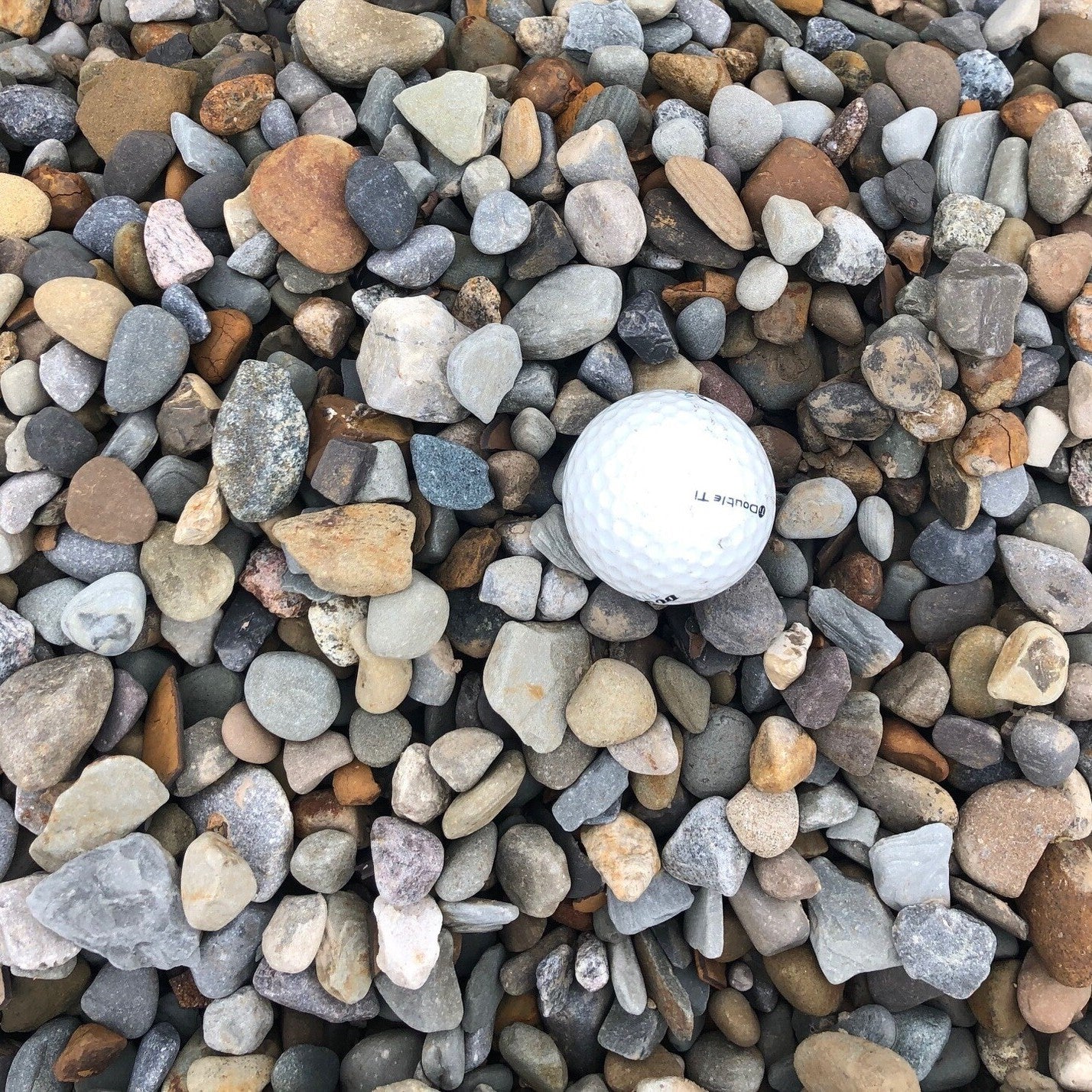
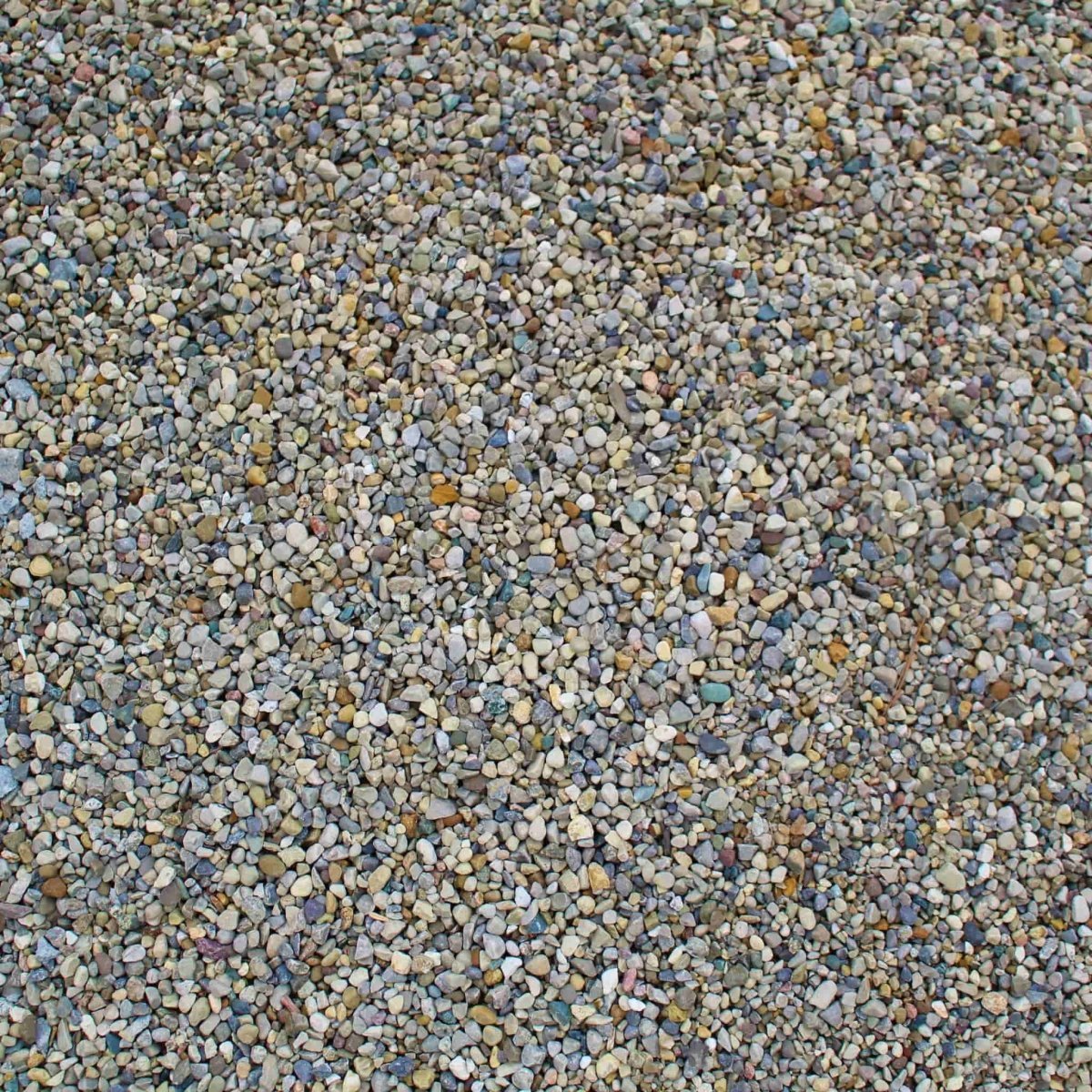
Number 57 crushed stone, angular limestone graded to about three quarters of an inch. The standard driveway, base and drainage gravel, it locks together under traffic and drains fast.
My experience with Mulch Mound was great and super easy. I ordered two yards of screened topsoil and was able to get it delivered within 2 days. They came in my requested time frame (afternoon) and dropped it off where I asked on my driveway. The topsoil was exactly what was a...
Tell us what you're looking for
Thanks! We received your request.
Something went wrong. Please try again.
How Much Material Do I Need?
A 2 inch depth of stone is adequate for decorative ground cover and weed suppression in most Jackson planting beds, while pathways and drainage applications benefit from a full 3 inches to stay stable through winter frost cycles. For drainage trenches managing spring runoff, fill to the full depth of the trench for maximum flow capacity and long-term effectiveness.
Use our free gravel calculator
What is a yard?
A yard is approximately 27 cubic feet. As a general guideline, one yard of material can cover an area of about 100-160 square feet at a 2-3 inch depth.
We can't take orders for this right now. Tell us what you need and we'll get back to you.
What do you need?
Thanks! We received your request.
Something went wrong. Please try again.
Hand-picked local yards
4,000+ regional deliveries
Dedicated support
Why order through Mulch Mound
The best local stone, without the guesswork.
We hand-pick and partner with the best yards in your region, keep only the ones our buyers rate well, and back each load with our guarantee.
Mulch Mound Guarantee
If your stone isn't the quantity or quality you ordered, we'll make it right.
About this stone
Number 57 crushed stone, angular limestone graded to about three quarters of an inch. The standard driveway, base and drainage gravel, it locks together under traffic and drains fast.
My experience with Mulch Mound was great and super easy. I ordered two yards of screened topsoil and was able to get it delivered within 2 days. They came in my requested time frame (afternoon) and dropped it off where I asked on my driveway. The topsoil was exactly what was a...
How Much Material Do I Need?
A 2 inch depth of stone is adequate for decorative ground cover and weed suppression in most Jackson planting beds, while pathways and drainage applications benefit from a full 3 inches to stay stable through winter frost cycles. For drainage trenches managing spring runoff, fill to the full depth of the trench for maximum flow capacity and long-term effectiveness.
Use our free gravel calculator
What is a yard?
A yard is approximately 27 cubic feet. As a general guideline, one yard of material can cover an area of about 100-160 square feet at a 2-3 inch depth.
My experience with Mulch Mound was great and super easy. I ordered two yards of screened topsoil and was able to get it delivered within 2 days. Th...
Read full review
My experience with Mulch Mound was great and super easy. I ordered two yards of screened topsoil and was able to get it delivered within 2 days. They came in my requested time frame (afternoon) and dropped it off where I asked on my driveway. The topsoil was exactly what was advertised, clean with no rocks or other debris. The price was reasonable. I plan to use them again in a couple weeks to order compost for my garden beds.
Really appreciate the care and follow thru that this company had with our order. A hiccup came up but they were quick to respond and address all co...
Read full review
Really appreciate the care and follow thru that this company had with our order. A hiccup came up but they were quick to respond and address all concerns, which made our garden day a success! Thank you for your prompt care.
Measure the length and width of your stone coverage area in feet and multiply to get square footage. For pathway and decorative ground cover applications in Jackson, a 2 to 3 inch depth is standard, and dividing your square footage by 100 gives a reliable cubic yard estimate at that depth. Round your order up slightly since stone settles and shifts through Jackson's winter freeze-thaw cycles and you want to maintain full coverage into spring.
Stone Types We Deliver in Jackson
Mulch Mound delivers bulk stone by the cubic yard to homes and job sites throughout the area, making it easy to tackle projects without hauling bags from the store. If you have been searching for bulk gravel by the yard in Jackson, our yard stocks the most popular sizes ready for same-week delivery. We measure everything by the cubic yard so you order exactly what your project needs.
Pea Gravel
Pea gravel is a go-to choice for Jackson homeowners dealing with clay-heavy soil that can pool water after heavy Midwest rains. The smooth, rounded stones drain well under patios and pathways, and their warm earth tones blend naturally with the wooded lots and traditional home styles common in this part of Michigan.
1-2" River Stone
The 1 to 2 inch river stone adds a natural, polished look to decorative ground cover and dry creek beds, a popular drainage solution in yards where Michigan's spring thaw leaves low spots wet. These smooth stones hold their position well in heavy rain and provide a rugged, finished contrast to garden borders and plantings.
Complete Your Outdoor Stone Project
Pair your stone order with a delivery of garden soil to build up any graded areas before placing stone over the top, especially in Jackson landscapes where freeze-thaw activity has settled low spots over the winter. Adding a layer of mulch in adjacent planting beds completes the look and keeps the transition between planted areas and stone surfaces neat and well-defined through the growing season.
Before placing any stone in Jackson, take the time to establish a slight grade sloping away from structures, sidewalks, and any natural low points. Jackson's spring thaw sends a significant amount of water across yard surfaces quickly, and stone placed without proper grading can channel that water toward foundations or pooling areas rather than away from them. A few hours of grading before installation prevents a lot of drainage problems over the lifetime of your stone feature.
Mulch Mound Pro Tip
Use a quality woven landscape fabric, not solid plastic sheeting, under your stone in Jackson. Plastic traps moisture against the sandy loam and can create saturated pockets that heave and shift stone during the freeze-thaw cycles that run from October through May. Woven fabric lets water drain through freely while still blocking the upward movement of fine sandy soil into your gravel layer, keeping the surface clean, level, and looking sharp season after season.
Mulch Mound Pro Tip
If you are using decorative stone to replace a lawn or mulched area in Jackson, consider how light-colored gravel behaves in summer heat. Jackson summers can be quite warm, and highly reflective stone placed near south-facing walls or in enclosed courtyards can raise the ambient temperature around plants noticeably. Choosing a darker or mixed-tone stone, or pairing the stone with taller perennials that cast shade over the surface, moderates that heat effect while still delivering the low-maintenance ground cover you are looking for.
The Unique Landscape of Jackson
Jackson's sandy loam soil and 36 inches of annual rainfall create genuine erosion and drainage challenges in landscapes that lack hard-surface coverage in the right places. Decorative stone and gravel provide a durable, low-maintenance solution that performs well in high-traffic zones, naturalistic planting borders, and drainage applications alike. Because sandy loam shifts and settles through Jackson's Zone 6a freeze-thaw cycles between October and May, stone pathways and drainage beds that are properly installed maintain their level and function even after a full winter of frost activity. Stone also requires no seasonal replacement the way organic mulch does, making it a long-term investment that holds its appearance and performance year after year in Jackson's climate. Whether used for a backyard path, a dry creek bed to redirect spring runoff, or a low-maintenance ground cover around foundation plantings, stone works with Jackson's natural drainage tendencies rather than against them.
Frequently Asked Questions
Click a question to see the answer
Answer
What size stone works best for a backyard walking path in Jackson?
For walking paths, pea gravel or crushed stone in the quarter-inch to half-inch range gives a stable and comfortable surface that drains well through Jackson's spring rains. Larger stone in the one-inch range works better for decorative borders and areas where you want the material to stay in place rather than shift underfoot. Installing a layer of woven landscape fabric under the stone before filling prevents Jackson's fine sandy loam from migrating upward and mixing with the gravel over time.
Answer
Will adding stone to my yard actually help with the drainage problems I get every spring in Jackson?
Stone is one of the most effective tools for managing the runoff that builds up in Jackson yards during the wet spring months when the ground is still frozen or saturated from snowmelt. A dry creek bed or French drain filled with washed gravel can redirect that water away from foundations and low spots before it causes erosion or pooling. Jackson's sandy loam actually pairs well with gravel drainage systems because the native soil drains freely once water makes it past the saturated surface layer.
Answer
How much stone do I need for a gravel pathway in my Jackson yard?
Measure your pathway length and width in feet and multiply to get square footage. For a 2 to 3 inch depth, which is standard for most Jackson pathways, divide the square footage by 100 to get the approximate cubic yards needed. Jackson's freeze-thaw cycles between October and May can cause shallow gravel applications to shift noticeably, so erring toward 3 inches of depth helps maintain a level, stable surface through winter.
Answer
Does putting decorative stone around my foundation actually protect my house given Jackson's climate?
Yes, a 12 to 18 inch border of stone around your foundation serves several practical purposes in Jackson. It prevents soil erosion from the heavy spring rains that can wash sandy loam away from the base of the house, keeps organic mulch from trapping moisture directly against the foundation wall, and discourages insects from nesting in decomposing material near the structure. A slight grade sloping away from the house under the stone ensures that water from Jackson's spring rains drains away from the foundation rather than toward it.
Answer
Will decorative stone gradually sink into or get buried by Jackson's sandy loam over time?
Sandy loam's fine-grained texture can gradually work its way up through coarse gravel if stone is placed directly on bare soil, especially through repeated freeze-thaw cycles. Installing a woven landscape fabric before placing stone prevents that upward migration and keeps your gravel layer clean and visible for many seasons. On high-traffic areas, a compacted base layer of crushed limestone under the decorative stone adds further stability against settling through Jackson's frost-prone winters.
Answer
What stone is best for a low-maintenance area where I am tired of mowing or replacing mulch every year?
River rock in the 1 to 2 inch range is a popular choice for Jackson homeowners converting high-maintenance lawn or mulched areas into a clean, permanent ground cover. It stays in place well, does not decompose the way organic mulch does, and requires no seasonal reapplication or refresh. Pairing it with a perennial planting scheme well-suited to Zone 6a means you get visual interest through the entire growing season with very little ongoing maintenance required.
Answer
Can stone help control the erosion I get on a slope in my Jackson yard every time it rains?
Stone is highly effective for slope erosion in Jackson, especially on grades where spring runoff from snowmelt and rain tends to cut channels through the sandy loam. A layer of larger rip-rap or cobble stone on steeper slopes dissipates the energy of flowing water and holds the soil surface in place before root systems can establish. For gentler grades, a layer of washed crushed stone combined with low-spreading ground cover plants provides both immediate erosion control and long-term stability as roots develop over the first few seasons.