About this mulch

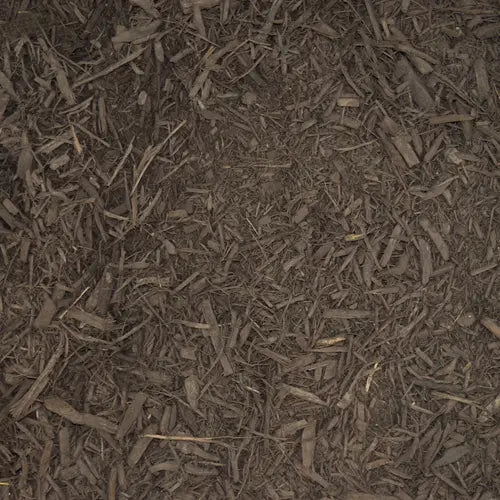
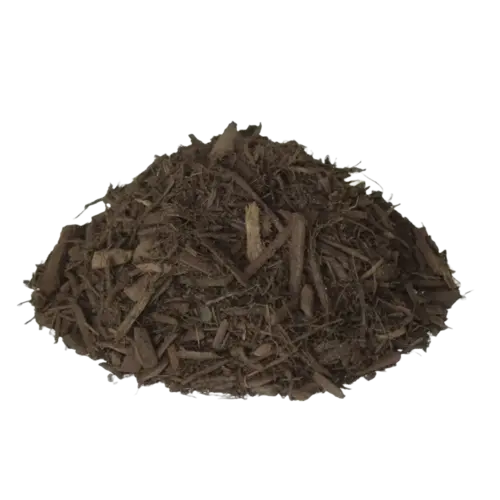
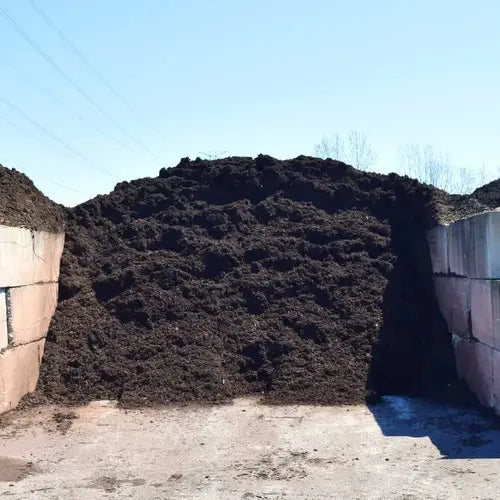
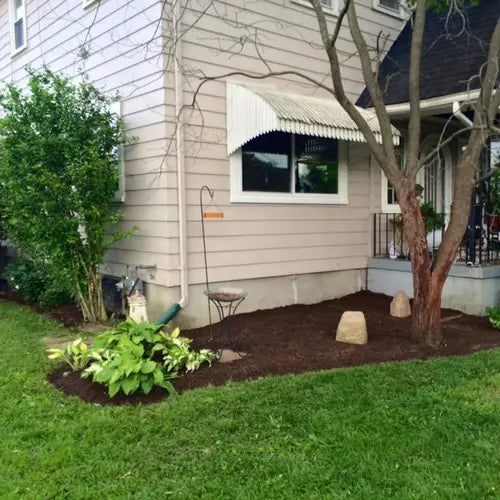
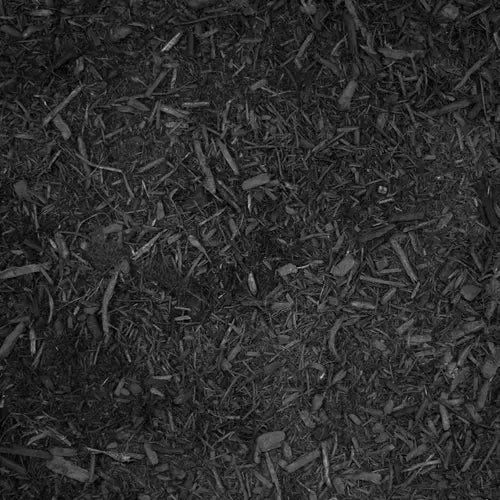
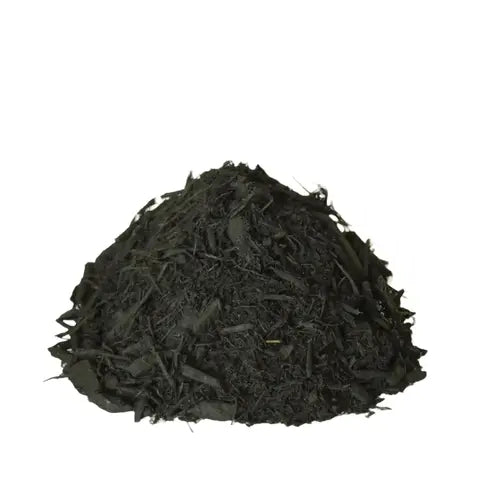
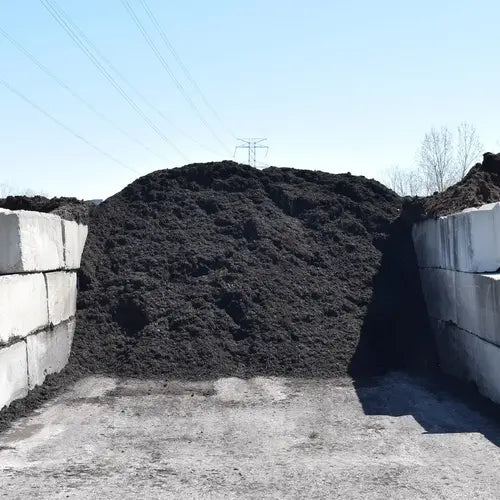
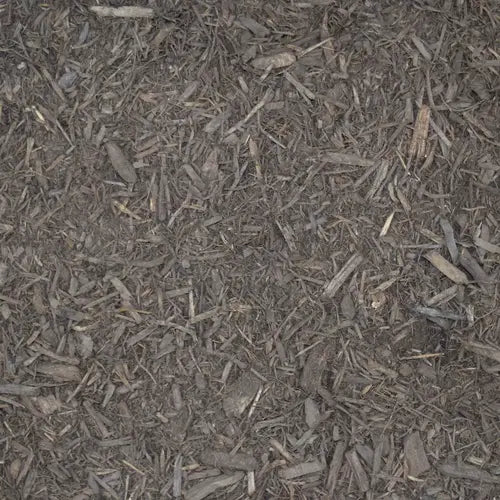
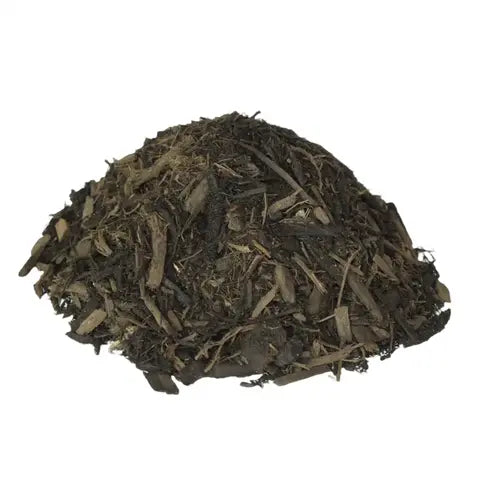
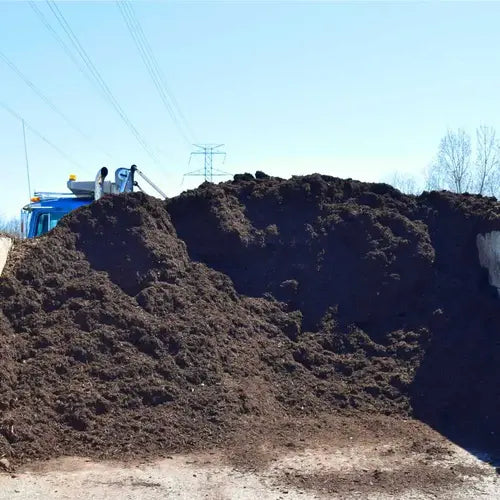
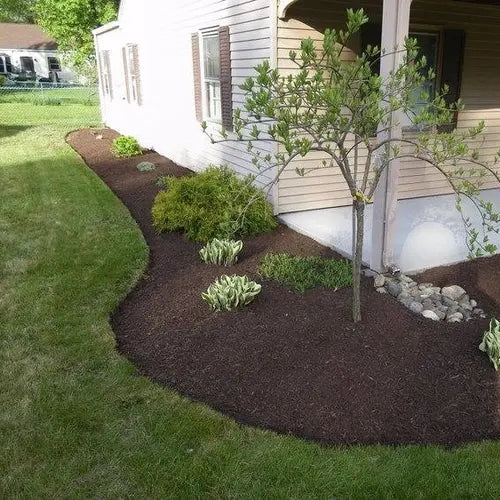
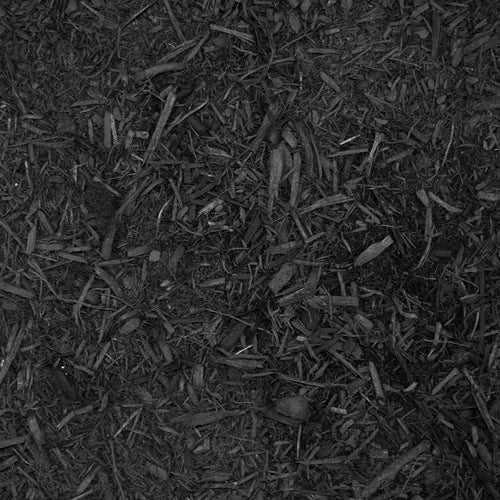
Warm brown double shredded mulch with lasting color that looks freshly applied for weeks. Spreads smooth, stays put, and gives beds a natural, polished appearance.

We needed mulch for our HOA common areas. Local providers were all holding high prices even for 40 yards of mulch. Mulch mound was easy to wowith & has great price for natural mulch + delivery schedule options. They called before delivery to ensure Delivery was exactly wher...

Jackson Mulch Delivery

Jackson Mulch Delivery

4.7
137 reviews
Regular price $55.00 per yard
Regular price Sale price $55.00
Sale Sold out
Color
Style
Minimum of 3
1 tree planted for every order

About this mulch

Warm brown double shredded mulch with lasting color that looks freshly applied for weeks. Spreads smooth, stays put, and gives beds a natural, polished appearance.

We needed mulch for our HOA common areas. Local providers were all holding high prices even for 40 yards of mulch. Mulch mound was easy to wowith & has great price for natural mulch + delivery schedule options. They called before delivery to ensure Delivery was exactly wher...

For Jackson's clay soil, 3 inches is the standard target depth for mulched beds. Going deeper risks trapping excess moisture against root crowns in soils that already drain slowly and stay wet well after rain events.
Use our free mulch calculator

A yard is approximately 27 cubic feet. As a general guideline, one yard of material can cover an area of about 100-160 square feet at a 2-3 inch depth.

View full details

How It Works

Getting started is easy — just follow these simple steps

1

Choose your Mulch

Make sure you adjust the quantity to your home's needs. You can use our calculator to estimate how much you'll need.

2

Select your delivery date

Select a delivery date you'd like for the product to be dropped off at your home

3

Sit back and wait

Sit back, wait, and let us work our magic to make sure the highest quality product is delivered to your driveway.

What Jackson Customers Are Saying

4.7
out of 5 based on 137 reviews
Google Reviews

Calculate mulch for your Jackson project

For Jackson's Clay type of soil, we recommend 2-3 inches for best weed suppression and moisture retention

Try Our Calculator
📍

To estimate your mulch needs, measure the length and width of each bed in feet and multiply to get square footage, then plan on roughly 1 cubic yard covering 100 square feet at a 3-inch depth. Jackson homeowners covering clay beds typically target that 3-inch depth, so divide your total square footage by 100 and multiply by 3 to get a solid starting estimate in cubic yards. Round up slightly to account for irregular bed shapes and material that settles after the first round of rainfall.

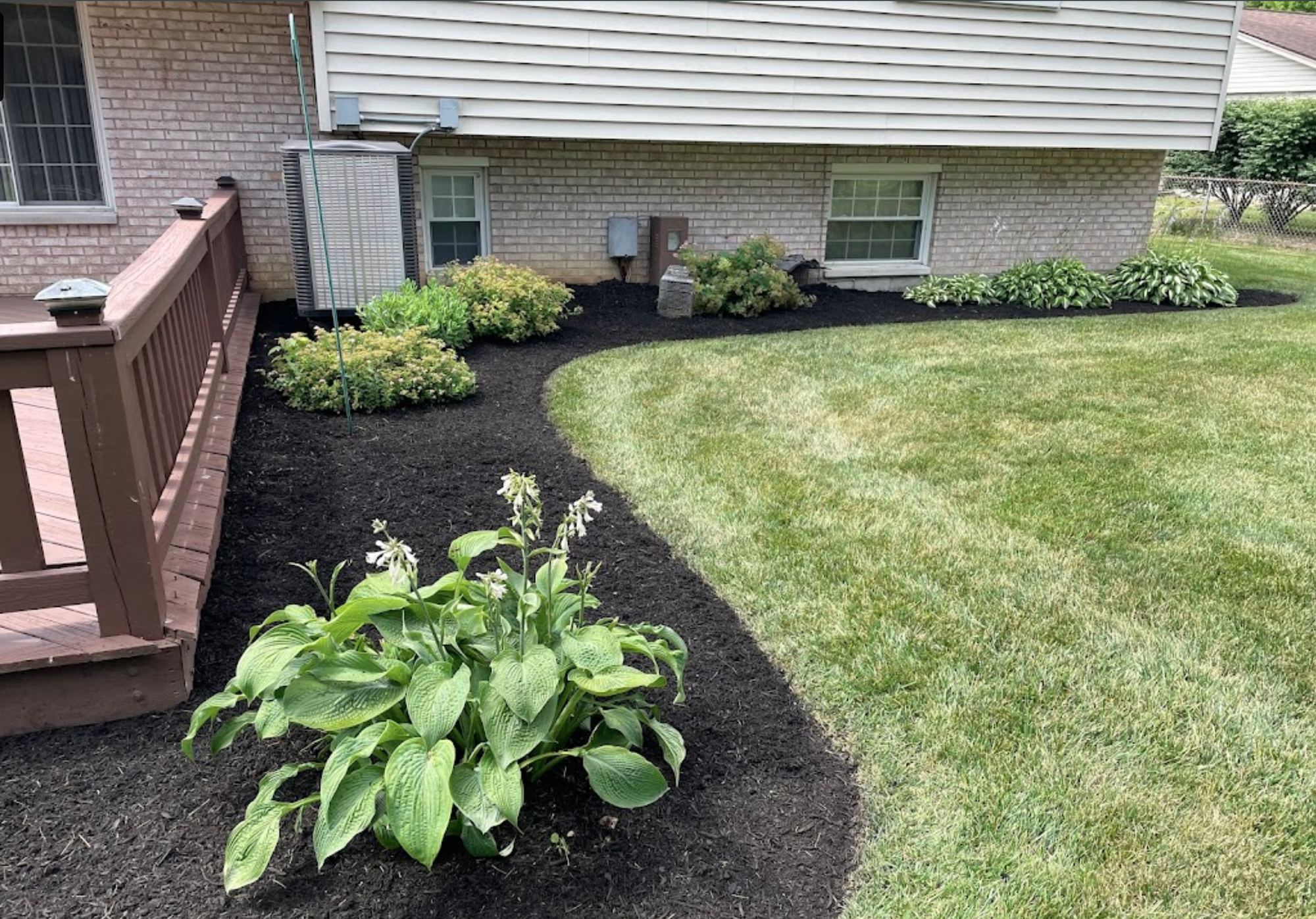
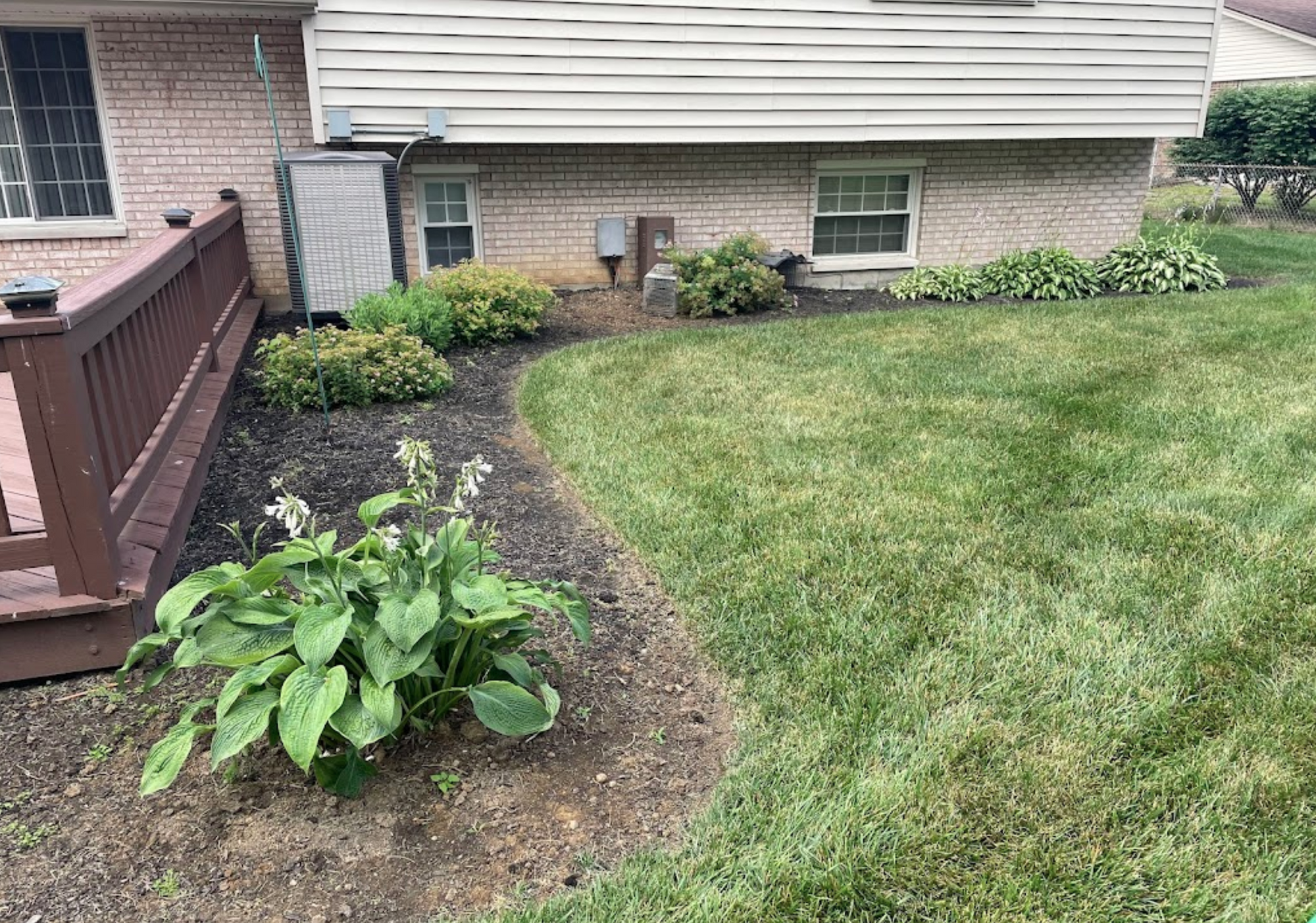
Mulch vs. No Mulch: The Difference

Jackson sits in a warm zone 7b climate where summer heat and 54 inches of annual rainfall team up to break down organic mulch faster than in cooler or drier regions. Natural hardwood mulch decomposes more quickly here, which means more organic matter feeding your clay soil each year, but also means more frequent top-offs to maintain your target depth. Dyed mulches resist breakdown longer and hold color through the season, making them a popular choice for high-visibility front beds where appearance matters most and soil-building is less of a priority.

Before image
After image
Slider handle
Before
After

Complete Your Outdoor Mulch Project

If you are building new beds or leveling areas before mulching, consider adding a load of our bulk topsoil to improve your clay base first. Our stone products are also a great addition for edging beds and creating low-maintenance borders that keep mulch contained and define your landscape cleanly against Jackson's frequently wet conditions.

Map of Jackson, Tennessee

Areas we deliver mulch in Jackson, Tennessee

No cities found for this region.

See All Locations
Mulch Mound Pro Tip

Jackson's clay soil tends to form a hard crust in hot weather, which blocks water from reaching roots even through a mulch layer. Before laying fresh mulch, loosen the top inch of soil in your beds with a cultivator and rake out any old compacted mulch material. This small step lets the new mulch work far more effectively because water can actually move through the surface rather than running off the edges of your beds during summer downpours.

Mulch Mound Pro Tip

Zone 7b means Jackson gets surprisingly warm days in February and March that can trigger early weed germination before most homeowners think about yard work. Laying your spring mulch early, right after the last hard freeze passes, cuts off that weed window before it opens wide. Getting mulch down in late March or very early April puts you ahead of the annual crabgrass and henbit pressure that plagues West Tennessee lawns and ornamental beds every single spring.

Mulch Mound Pro Tip

With 54 inches of rain falling on Jackson each year, mulch on sloped beds tends to creep downhill over time, thinning at the top and piling at the bottom edge. Install a simple edging border along the low side of any slope and check your depth after major rain events throughout the season. Keeping a consistent 3-inch layer prevents the bare spots at the top of slopes where weeds push through fastest during the wet spring months that define West Tennessee weather.

Frequently Asked Questions

Click a question to see the answer

Answer

How much mulch do I need to put down on clay soil in Jackson?

For Jackson's clay soil, aim for 3 inches of mulch in established beds. Clay holds moisture longer than sandy soils do, so going beyond 4 inches can trap too much water around root crowns. For new beds where you are working to improve the soil over time, 3 inches gives you solid weed suppression while still letting rain penetrate down to the roots.

Answer

Will mulch help with the standing water I get after a heavy rain?

Mulch itself does not fix drainage issues, but it does reduce compaction on the soil surface so water can absorb more evenly over time. Jackson's clay soil is notorious for shedding water across the surface before it ever soaks in. Pairing mulch with a layer of amended soil or adding a stone drainage border along low spots is the better long-term fix for persistent standing water in West Tennessee yards.

Answer

When is the best time of year to mulch in Jackson?

The two best windows are early spring after the last frost clears around April 17, and again in late October before the first frost arrives around November 7. Spring mulching locks in soil moisture before summer heat arrives and gives beds a clean look coming out of winter. Fall mulching insulates root zones going into the cold months and reduces weed germination the following spring by cutting off light to dormant seeds.

Answer

Does colored mulch hold up in Jackson's heat and heavy rainfall?

Dyed mulches hold their color reasonably well through Jackson summers but expect some fading by late August after weeks of direct sun exposure. The 54 inches of annual rainfall Jackson receives also washes color over time, especially on sloped beds during intense spring storms. A fresh top-off each spring keeps beds looking sharp. Natural hardwood mulch fades to a silver-gray but many Jackson homeowners prefer that weathered look in shaded beds.

Answer

Will my mulch blow or wash away during spring storms?

Lighter materials like shredded pine can shift during the strong spring storms that move through West Tennessee. Heavier options like shredded hardwood or wood chip mulch stay in place far better on slopes and open areas. For sloped beds or areas near downspouts where water concentrates, hardwood mulch is the smarter choice given Jackson's rainfall totals and storm intensity.

Answer

How often do I need to replace mulch in Jackson's climate?

In Jackson's warm and wet conditions, organic mulch breaks down faster than it would in drier or cooler climates. Expect to top off beds annually, adding about an inch each spring to maintain your 3-inch target depth. The benefit is that decomposed mulch adds organic matter to your clay soil every season, which slowly improves drainage and root penetration in beds that would otherwise stay compacted and dense.

Answer

Is there a mulch that works better around my vegetable garden?

For vegetable gardens in Jackson, a natural undyed hardwood or straw mulch is the better choice since you want material that breaks down quickly and feeds the soil directly. Zone 7b gives you a long growing season from your last frost around April 17 all the way to early November, so the soil benefits from that organic material decomposing throughout the entire season. Avoid dyed mulches near edible crops as a general precaution for anything you plan to eat.

The Unique Landscape of Jackson

Jackson's heavy clay soil creates a real challenge for home landscapes because clay compacts easily and drains slowly, leaving plant roots waterlogged after heavy rain events. With 54 inches of rain falling across the year and summer heat pushing well above 90 degrees, a consistent mulch layer is one of the most important tools a Jackson homeowner has. Mulch slows moisture loss during the dry spells that hit between July and August, keeps soil temperatures stable through the swings from late cold snaps to early warm spells, and reduces the erosion that heavy downpours cause on sloped beds. Zone 7b winters are mild enough that some weeds never fully die back, so a proper mulch depth keeps weed pressure low year-round. Over time, organic mulch breaks down and adds organic matter to Jackson's clay, slowly improving its texture and drainage season after season.