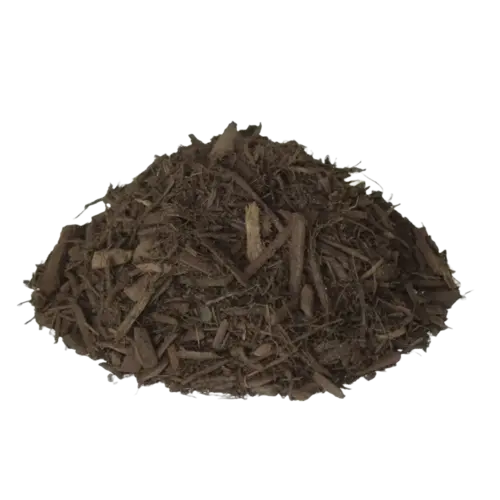
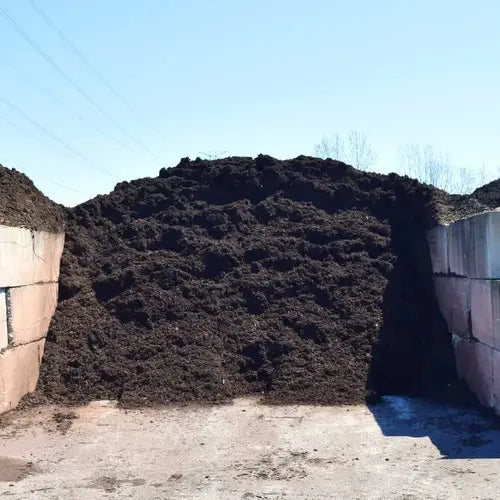
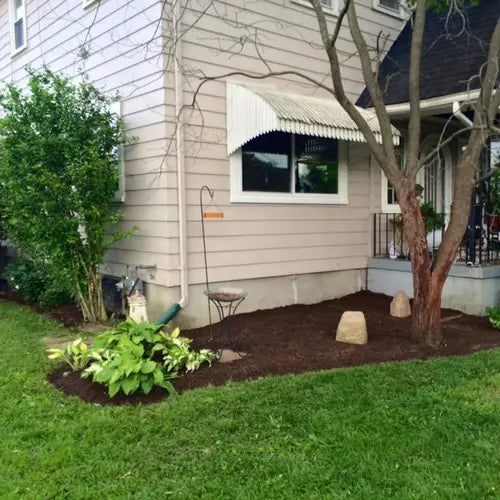
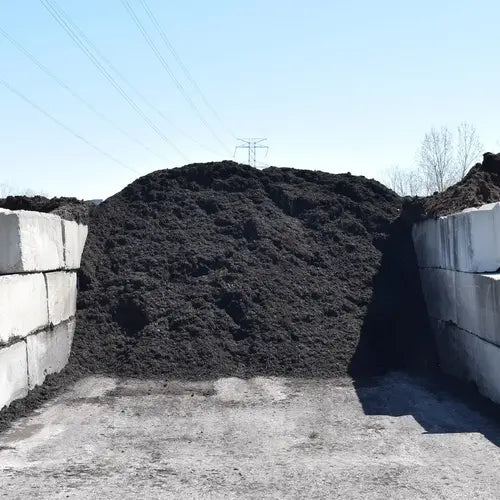
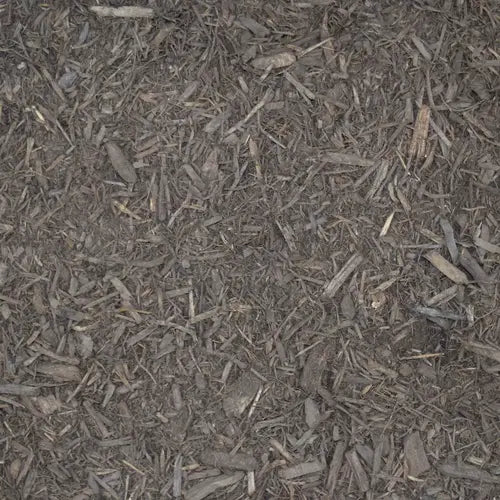
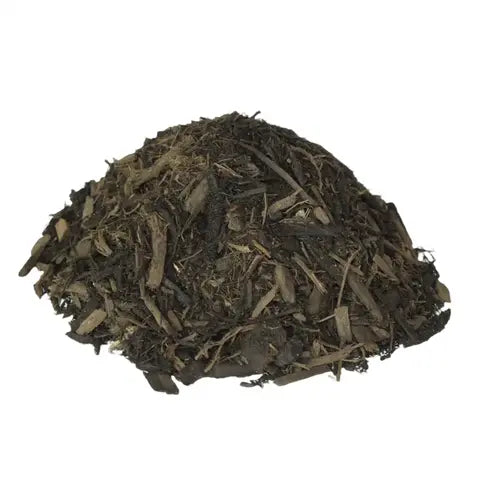
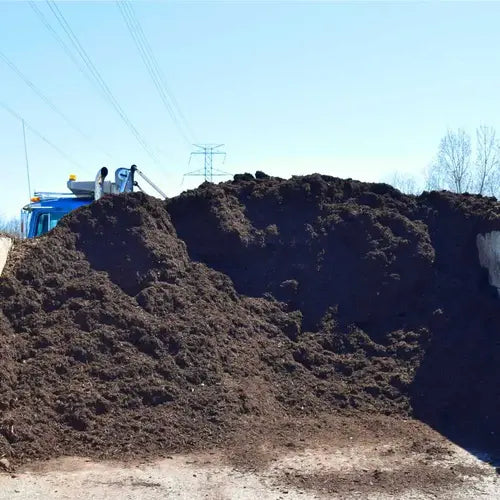
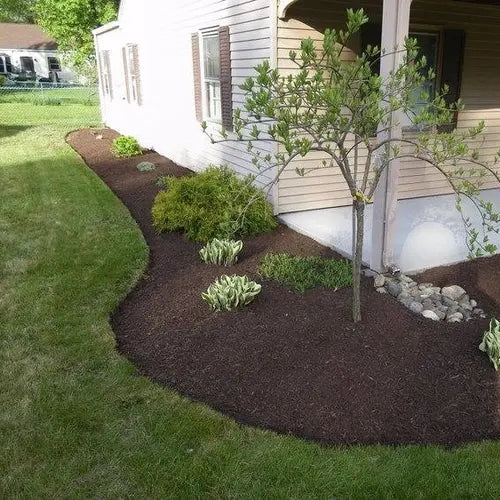
Warm brown double shredded mulch with lasting color that looks freshly applied for weeks. Spreads smooth, stays put, and gives beds a natural, polished appearance.
I can’t say enough good things about Mulch Mound! If you read my review below you will see I had a problem with my order. Mulch Mound was quick to respond and solved the issue with my delivery. Will definitely be a customer next year.
First time purchase...
Tell us what you're looking for
Thanks! We received your request.
Something went wrong. Please try again.
How Much Material Do I Need?
For most Jonesboro plant beds over silt loam soil, a 3-inch layer provides the best balance of weed suppression and moisture retention without smothering plant roots. Larger open areas like tree rings or fence lines can go up to 4 inches if you want longer intervals between seasonal refreshing.
Use our free mulch calculator
What is a yard?
A yard is approximately 27 cubic feet. As a general guideline, one yard of material can cover an area of about 100-160 square feet at a 2-3 inch depth.
We can't take orders for this right now. Tell us what you need and we'll get back to you.
What do you need?
Thanks! We received your request.
Something went wrong. Please try again.
Hand-picked local yards
4,000+ regional deliveries
Dedicated support
Why order through Mulch Mound
The best local mulch, without the guesswork.
We hand-pick and partner with the best yards in your region, keep only the ones our buyers rate well, and back each load with our guarantee.
Mulch Mound Guarantee
If your mulch isn't the quantity or quality you ordered, we'll make it right.
About this mulch
Warm brown double shredded mulch with lasting color that looks freshly applied for weeks. Spreads smooth, stays put, and gives beds a natural, polished appearance.
I can’t say enough good things about Mulch Mound! If you read my review below you will see I had a problem with my order. Mulch Mound was quick to respond and solved the issue with my delivery. Will definitely be a customer next year.
First time purchase...
How Much Material Do I Need?
For most Jonesboro plant beds over silt loam soil, a 3-inch layer provides the best balance of weed suppression and moisture retention without smothering plant roots. Larger open areas like tree rings or fence lines can go up to 4 inches if you want longer intervals between seasonal refreshing.
Use our free mulch calculator
What is a yard?
A yard is approximately 27 cubic feet. As a general guideline, one yard of material can cover an area of about 100-160 square feet at a 2-3 inch depth.
I can’t say enough good things about Mulch Mound! If you read my review below you will see I had a problem with my order. Mulch Mou...
Read full review
UPDATE!
I can’t say enough good things about Mulch Mound! If you read my review below you will see I had a problem with my order. Mulch Mound was quick to respond and solved the issue with my delivery. Will definitely be a customer next year.
First time purchase from Mulch Mound!! First what I liked! Easy to order online and straight forward pricing and delivery. The driver was on time and courteous and delivered my Mulch exactly where I requested! The product is of good quality and comparable to others I have purchased from before. Now what I DID’NT LIKE! I have been mulching the same house and yard for almost 20 years. I always order the same amount and don’t have any issues with covering the same area but this year I fell about a yard short. I was home when the mulch was delivered and when the driver dumped it I noticed that it seemed a bit less than I was used to. I didn’t apply it any thicker than usual and probably a bit thinner than usual because I was worried about running out.
Mulch Mound made it so easy! So happy with the pricing, turn around time, delivery and product. I submitted my online order on a Thursday. The mu...
Read full review
Mulch Mound made it so easy! So happy with the pricing, turn around time, delivery and product. I submitted my online order on a Thursday. The mulch was delivered to the designated location by a local landscape company at 8:30 a.m. the following Saturday morning. We had the job completed by that afternoon. We chose the natural brown mulch, and the plant beds are beautiful.
To figure out how much mulch you need, measure the length and width of each bed in feet and multiply those numbers together to get square footage. Divide that total by 100 and multiply by the desired depth in inches to get a rough cubic yard estimate. In Jonesboro, where beds often slope gently with the natural terrain, adding 10 percent to your estimate helps account for thin spots and ensures good, uniform coverage across the entire area.
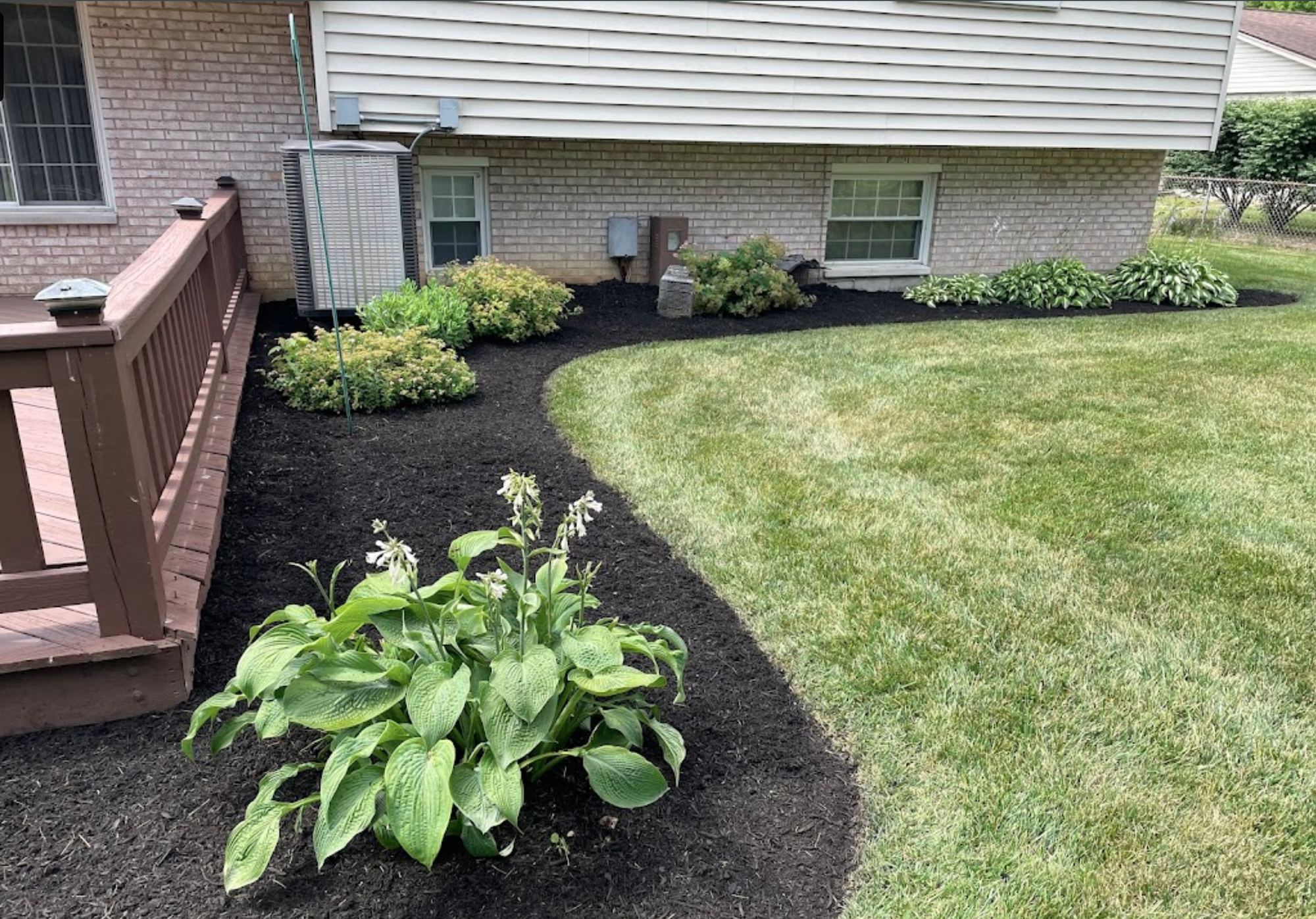
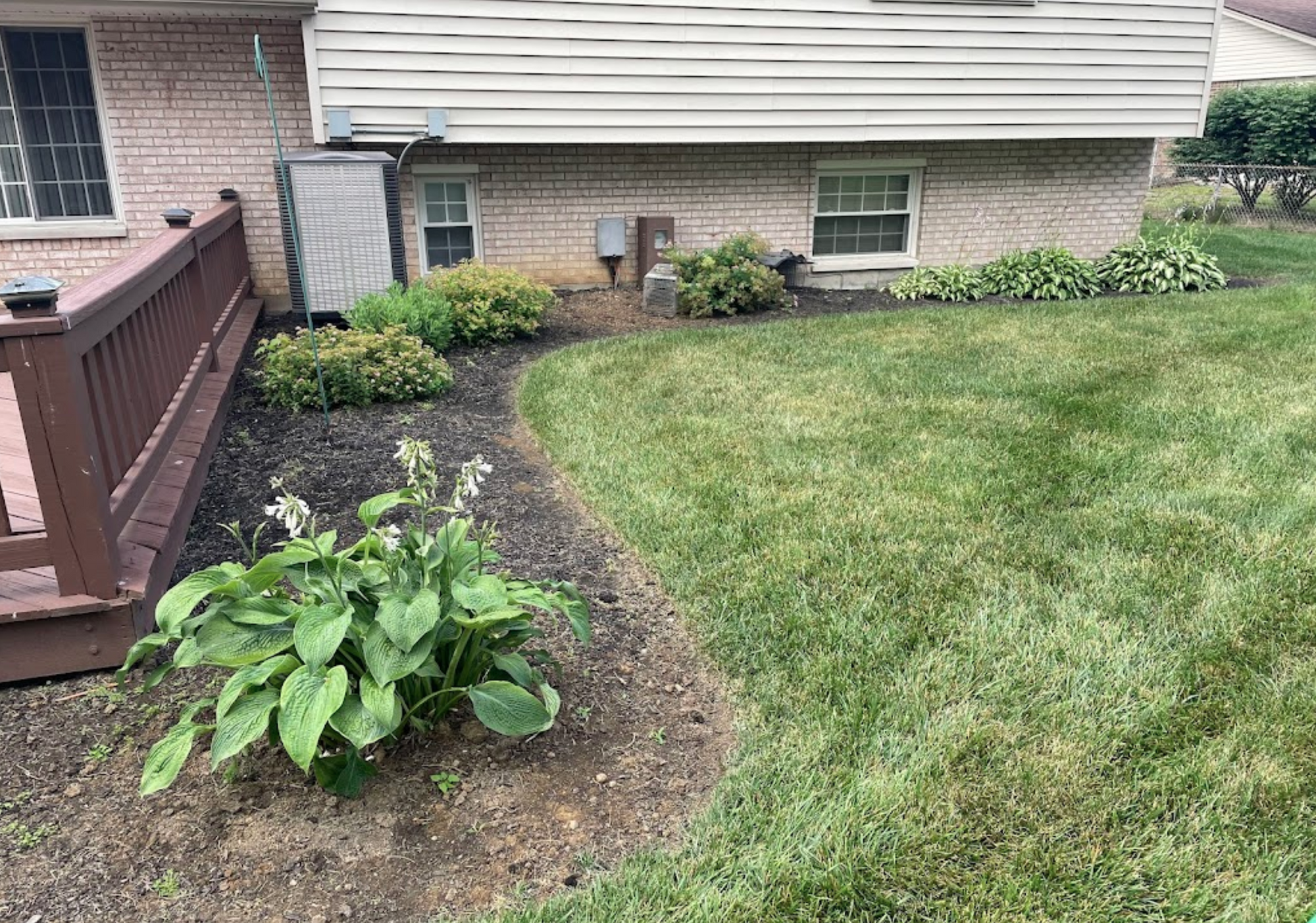
Mulch vs. No Mulch: The Difference
Jonesboro's heat and humidity mean that natural hardwood mulch breaks down relatively quickly, often within a single growing season, which means it feeds organic matter back into your silt loam soil but also requires annual replenishment to maintain effective coverage. Dyed mulch, whether black, red, or brown, holds its color longer through northeast Arkansas summers and needs to be refreshed less frequently, making it a popular choice for high-visibility beds near homes and commercial properties. The choice often comes down to whether you prioritize continuous soil improvement or consistent curb appeal through Jonesboro's long growing window from mid-April through the end of October.
Before
After
Best Mulch Choice for Jonesboro Lawns
Most yards in the Jonesboro area sit on Silt Loam type of soil. Jonesboro's silt loam soil holds moisture well but tends to compact and crust at the surface when left bare, making it difficult for water to penetrate and for plant roots to spread into the surrounding soil. Covering beds with a quality mulch layer protects that delicate surface structure and keeps the soil environment beneath more stable through the wet springs and hot summers that define northeast Arkansas.
Hardwood Mulch
Hardwood mulch is particularly well-suited to Jonesboro's silt loam beds because as it decomposes it releases tannins and organic matter that gradually improve soil structure and increase the water-holding and nutrient-holding capacity of the loam layer. Over multiple seasons, regular hardwood mulch applications build a richer, more biologically active surface layer that makes northeast Arkansas garden beds far more productive and easier to maintain.
Mulch Types We Deliver in Jonesboro
Getting the right mulch delivered by the cubic yard makes a real difference for local yards and garden beds. Whether you are refreshing a front landscape or covering a large backyard, bulk mulch delivery in Jonesboro puts quality material right in your driveway. We carry the varieties most popular with homeowners across this part of Arkansas.
Dyed Black Mulch
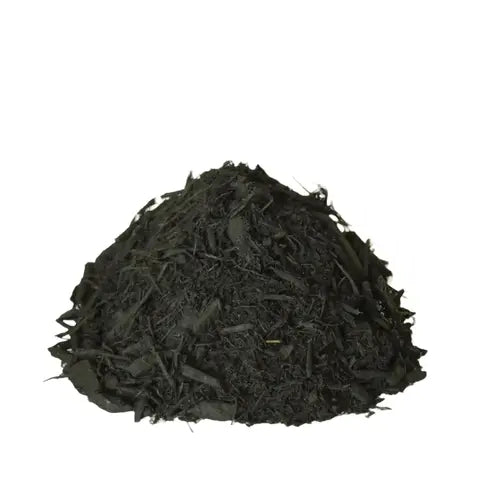
Double shredded Dyed Black Mulch delivers a bold, striking look that makes flower beds and shrub borders stand out against the lighter soils common in northeast Arkansas. The deep color holds up well through warm summers and heavy spring rains, and the smooth texture spreads cleanly around plants and trees of any size.
Dyed Brown Mulch
Double shredded Dyed Brown Mulch brings a warm tone that complements the brick exteriors and neutral siding found on many homes in this region. The color stays vibrant through the heat of an Arkansas summer and resists fading after heavy rains, making it a practical choice for homeowners who want lasting curb appeal.
Natural Brown Mulch
Double shredded Natural Brown Mulch offers an undyed, earthy look that suits homeowners who prefer a more organic appearance in their landscape. The warm brown tone comes straight from the wood itself, and the smooth texture works well in both ornamental beds and around established trees common in older Arkansas yards.
Complete Your Outdoor Mulch Project
Pairing mulch with a quality bulk topsoil or enriched garden soil helps rebuild any low or depleted spots in your beds before you cover them. Adding stone borders or gravel edging around your mulched areas gives a clean, defined look that holds up well through Jonesboro's wet spring seasons and keeps mulch contained during heavy downpours.
Jonesboro's silt loam compacts easily under foot traffic and equipment, so before you spread mulch, loosen the top inch or two of soil in your beds with a hand cultivator. This small step dramatically improves how well water moves through the profile during rain events and gives existing plants room to push new feeder roots out before you cover the surface. A loose, aerated base under your mulch layer is far more effective than applying mulch on top of compacted, sealed ground.
Mulch Mound Pro Tip
If you are mulching around young trees or newly planted shrubs in Jonesboro, keep mulch pulled back 2 to 3 inches from the trunk or main stem. Our warm and humid summers create conditions where mulch piled directly against bark can promote fungal issues and collar rot. Spread the mulch outward in a wide, even ring instead, extending at least to the drip line of the canopy, which is where the feeder roots actually reach.
Mulch Mound Pro Tip
With 49 inches of annual rainfall in Jonesboro, moisture management is a constant consideration for every landscape. Mulching your beds in early spring helps buffer the soil against both the heavy spring storms that cause runoff and the dry stretches that sometimes arrive in midsummer. Think of mulch as a rainfall regulator, slowing absorption during downpours and holding moisture reserves when the skies stay dry for weeks at a time.
Frequently Asked Questions
Click a question to see the answer
Answer
How thick should I apply mulch in Jonesboro given how much rain we get each year?
With 49 inches of annual rainfall, Jonesboro beds can erode and compact quickly if mulch is too thin or applied unevenly. A depth of 3 inches works well for most established beds, giving enough coverage to suppress weeds and protect silt loam soil from compaction during heavy downpours. Avoid piling mulch deeper than 4 inches, which can trap too much moisture against plant crowns during our humid and warm summers.
Answer
Will mulch break down faster here because of Jonesboro's heat and humidity?
Yes, Jonesboro's combination of warm temperatures from May through September and persistent humidity accelerates microbial activity in organic mulch. Hardwood mulch typically needs to be refreshed once a year in this climate, often in late spring before summer heat peaks. Natural mulches break down faster than dyed options, but they also feed the soil as they decompose, which is a real advantage given how nutrient-variable and structure-sensitive silt loam can be.
Answer
Is dyed mulch safe to use around my vegetable garden beds?
Most dyed mulch uses iron oxide or carbon-based colorants that are considered safe for landscape use, but many Jonesboro gardeners prefer natural hardwood or pine mulch around edibles just to be cautious. For vegetable beds, a natural mulch also breaks down and improves that silt loam structure over time, which pays real dividends in future growing seasons by increasing the organic content of the soil.
Answer
When is the best time of year to put down fresh mulch in Jonesboro?
The most effective window is mid to late April, shortly after the last frost date of April 15, when the soil has warmed slightly but summer heat has not yet arrived. Mulching at this point locks in early moisture, gives beds a clean appearance heading into spring, and gets ahead of the fast-growing summer weeds that are common across northeast Arkansas. A second light application in mid-October just before the first frost on October 31 helps insulate root zones heading into winter.
Answer
My silt loam soil gets crusty and hard after rain. Will mulch actually help with that problem?
Absolutely. Silt loam is very susceptible to surface crusting when rain hits bare soil directly, and that crust reduces water infiltration and makes it harder for roots to expand and breathe. A mulch layer intercepts raindrop impact before it reaches the soil, keeping the surface loose and allowing Jonesboro's frequent rains to absorb rather than run off. Over time the decomposing mulch also improves the organic content of the soil, making silt loam more resilient and better structured.
Answer
How do I keep mulch from washing out of my beds during heavy spring storms?
Jonesboro sees some intense rainfall events, particularly in spring, that can shift lightweight mulch out of beds and onto walkways. Installing a low border edging around beds helps contain the material, and applying mulch at a consistent 3-inch depth gives it enough mass to stay put under most conditions. Shredded hardwood mulch tends to knit together better than chunk-style mulch and is noticeably less likely to float or shift during heavy storm events.
Answer
Does mulch help protect my plants when our first frost comes at the end of October?
Yes, adding a fresh layer of mulch in mid to late October, just before Jonesboro's average first frost around October 31, helps insulate root zones from sudden temperature drops. The mulch slows heat loss from the soil overnight and buffers plants from the freeze-thaw cycles that can heave shallow roots out of the ground. This is especially helpful for perennials and newly planted shrubs that have not yet fully established their root systems heading into their first winter.
The Unique Landscape of Jonesboro
Jonesboro's silt loam soil is naturally prone to surface crusting after heavy rains, and with nearly 49 inches of rainfall each year, bare plant beds take a constant beating from raindrop impact. A proper layer of mulch acts as a buffer, slowing rain's effect on the soil surface and keeping that silt loam loose and workable beneath. The growing season in zone 7b runs long, from the last frost around April 15 through the first frost near October 31, giving weeds a wide window to establish in unprotected beds. Mulching early in spring locks in soil temperature as the ground warms and slows weed germination before summer heat sets in. Jonesboro summers also bring stretches of intense humidity and heat that accelerate moisture loss from unprotected beds. A consistent mulch layer reduces that evaporation significantly and keeps roots cooler during the hottest months of the season.