About this stone

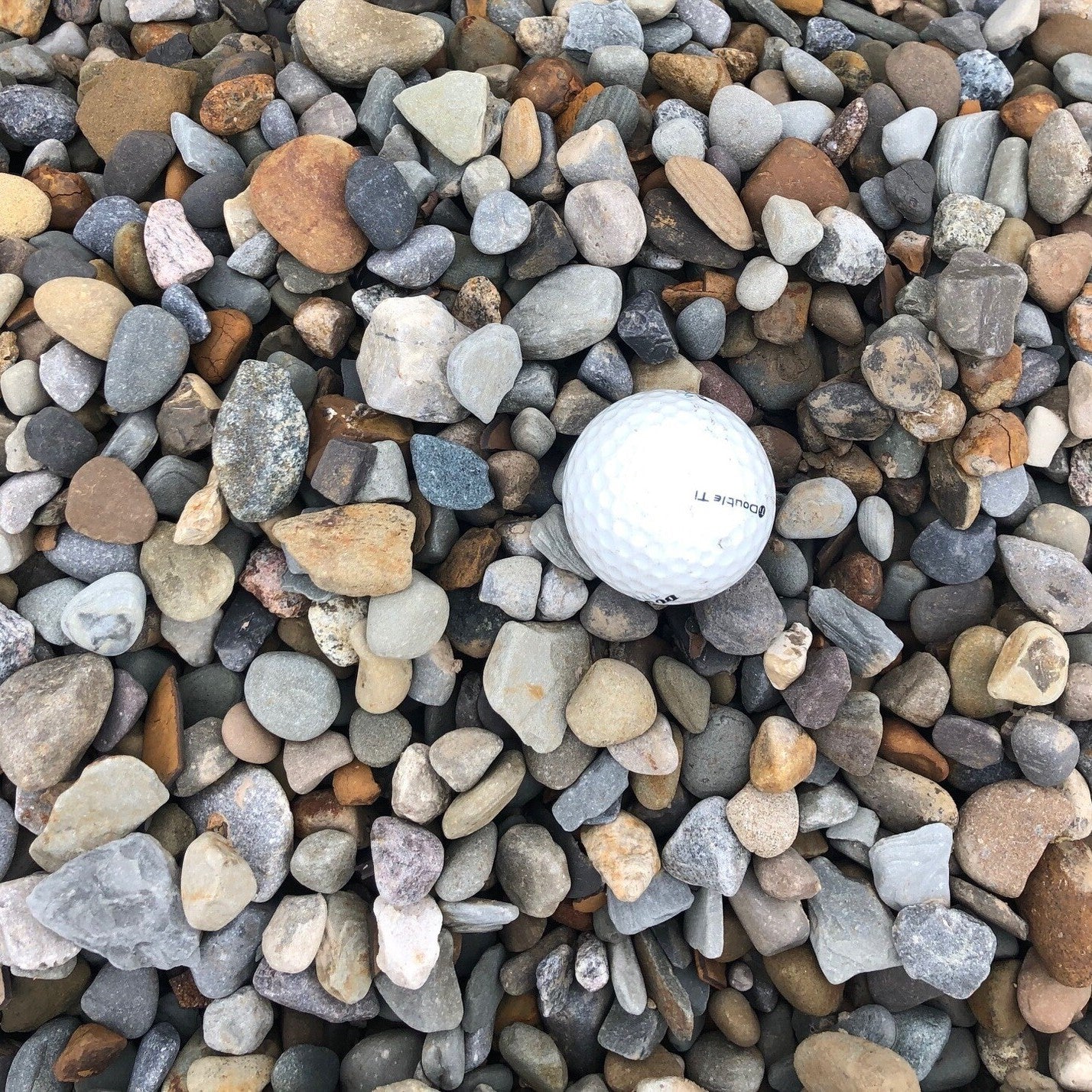
Classic pea gravel with smooth, rounded edges and natural earth tones. A versatile favorite for pathways, patios, drainage, and decorative ground cover.

I contacted Mulch Mound for #57 river rocks and it was easy and fast to get a delivery right before the holiday weekend. Stone was delivered as promised and place exactly where I asked. Excellent service! I will be ordering mulch next!

Jonesboro Stone Delivery

Jonesboro Stone Delivery

4.7
137 reviews
Regular price $87.00 per yard
Regular price Sale price $87.00
Sale Sold out
Type
Size
Minimum of 3
1 tree planted for every order

About this stone

Classic pea gravel with smooth, rounded edges and natural earth tones. A versatile favorite for pathways, patios, drainage, and decorative ground cover.

I contacted Mulch Mound for #57 river rocks and it was easy and fast to get a delivery right before the holiday weekend. Stone was delivered as promised and place exactly where I asked. Excellent service! I will be ordering mulch next!

For decorative pathways and surface coverage in Jonesboro, a 3-inch depth of stone provides enough stability on silt loam soil to prevent the surface from sinking or rutting after heavy rains. For drainage trenches and French drains, a minimum of 6 inches of clean washed stone is recommended to ensure adequate water flow capacity during Jonesboro's heaviest storm events.
Use our free stone calculator

A yard is approximately 27 cubic feet. As a general guideline, one yard of material can cover an area of about 100-160 square feet at a 2-3 inch depth.

View full details

How It Works

Getting started is easy — just follow these simple steps

1

Choose your stone

Make sure you adjust the quantity to your home's needs. You can use our calculator to estimate how much you'll need.

2

Select your delivery date

Select a delivery date you'd like for the product to be dropped off at your home

3

Sit back and wait

Sit back, wait, and let us work our magic to make sure the highest quality product is delivered to your driveway.

From The Mouths of Jonesboro Folks

4.7
out of 5 based on 137 reviews
Google Reviews

Need Help Calculating How Much Stone & Gravel You Need?

Use our NEW Trace from Satellite tool to get an estimate for your project based on an aerial view of your property

Try Our Calculator
📍

To estimate stone for a Jonesboro project, measure the length and width in feet and multiply for total square footage. Then multiply that number by your intended depth in inches and divide by 324 to get cubic yards needed. For drainage trench and French drain projects, add at least 20 percent extra to account for the fabric lining and the natural void spaces that form in stone fill, which are critical for allowing water to move through freely.

Complete Your Outdoor Stone Project

Combining stone borders with mulched plant beds creates a clean separation that makes yard maintenance easier and keeps mulch from migrating across pathways during Jonesboro's rainy spring season. Pairing stone drainage solutions with grade work using bulk topsoil lets you address both water direction and surface leveling in a single coordinated project.

Map of Jonesboro, Arkansas

Areas We Deliver Stone & Gravel in Jonesboro, Arkansas

No cities found for this region.

See All Locations
Mulch Mound Pro Tip

Before placing stone in any area of your Jonesboro yard, install a quality woven landscape fabric beneath it. Jonesboro's silt loam is fine-textured and migrates upward into stone layers over time, especially after heavy rain events saturate the ground and create upward pressure. Once fine silt works its way into a stone installation, the drainage benefit decreases quickly and weeds begin establishing in the accumulated material. Fabric is an inexpensive step that extends the life and function of any stone installation by several years.

Mulch Mound Pro Tip

For Jonesboro homeowners building dry creek beds for drainage management, design the channel to connect logically to a downhill outlet such as a street curb, an existing swale, or a storm drain. A dry creek bed that simply terminates in a low spot without a clear outlet concentrates water in a new location rather than solving the original problem. Spend time observing where water naturally flows on your property after a significant storm and trace the most direct path from the problem area to a natural outlet before placing any stone.

Mulch Mound Pro Tip

Jonesboro receives 49 inches of rain per year, with much of it concentrated in heavy spring storm events, and stone ground cover in high-flow areas can shift if not properly installed. For areas that receive significant runoff velocity, choose angular crushed stone rather than rounded river rock in the highest-flow zones. Angular stone interlocks and stays in place far better than smooth rounded stone when water moves across it quickly, and it is an easy material upgrade that makes your drainage or pathway installation far more durable through years of northeast Arkansas weather.

The Unique Landscape of Jonesboro

Jonesboro's high annual rainfall of 49 inches creates persistent drainage challenges in residential landscapes, and stone is one of the most effective long-term solutions for managing where water flows across a property. Unlike organic materials, stone does not break down, shift with frost heave, or require seasonal replacement, making it an extremely durable and cost-effective choice for pathways, drainage channels, and border areas. The area's silt loam soil, while moderate in texture, does not drain quickly under heavy rainfall, and runoff from storms causes erosion along beds, foundations, and sloped areas throughout the year. Stone placed strategically in these zones slows water velocity and allows it to percolate into the ground rather than sheet across the surface and carry soil with it. In zone 7b, where the growing season runs long and landscapes work hard from April through October, stone also provides low-maintenance ground cover in areas where establishing grass or plants is impractical. Whether you are building a walkway, creating a dry creek bed, or edging a driveway, stone adds both lasting function and visual appeal to Jonesboro properties.

Frequently Asked Questions

Click a question to see the answer

Answer

What type of stone works best for a backyard drainage channel or dry creek bed in Jonesboro?

River rock in the 2 to 4 inch size range is the most popular choice for drainage channels and dry creek beds in Jonesboro. It is large enough to stay in place during the heavy spring storm events that are common here, and the smooth rounded edges allow water to flow through without accumulating debris as quickly as angular rock would. A layer of landscape fabric beneath the river rock helps prevent Jonesboro's fine silt loam from migrating up into the stone over time, which keeps the channel functional and flowing much longer.

Answer

Will gravel actually help with the standing water problems in my Jonesboro yard?

Gravel can be a key part of the solution depending on where the standing water occurs. For areas next to a foundation or along a fence line, a gravel-filled trench or French drain redirects water away before it pools against structures. Jonesboro's silt loam does not drain quickly on its own, and simply spreading gravel on the surface without directing water to an outlet helps less than building an actual drainage path. For persistent low spots in a lawn, a combination of graded topsoil and a gravel drainage layer beneath is often the most effective long-term approach.

Answer

How much stone do I need for a simple backyard walking path?

For a pathway 3 feet wide and 20 feet long at a 3-inch depth, you would need approximately 0.7 cubic yards of stone. A good rule of thumb for Jonesboro projects is to plan for a 3-inch minimum depth on pathways because the silt loam beneath can shift slightly after heavy rains, and a thinner stone layer will develop ruts and uneven spots fairly quickly. Adding a compacted gravel base layer beneath decorative top stone extends the life of the pathway significantly and keeps it level through seasonal wet and dry cycles.

Answer

Is stone a good option for the bare areas around my Jonesboro foundation where nothing seems to grow?

Stone is one of the best solutions for foundation borders in Jonesboro. It keeps water from pooling against the foundation wall by allowing rain to move away and percolate, it requires zero maintenance through the long growing season from April to October, and it stays looking clean even after the heavy spring storms that would wash mulch away or erode bare soil. A border of river rock or pea gravel 18 to 24 inches wide around the perimeter of a Jonesboro home is both a practical and attractive long-term investment.

Answer

What is the difference between pea gravel and crushed granite for a backyard patio in Jonesboro?

Pea gravel is rounded and loose, which makes it comfortable underfoot and gives a natural look, but it tends to scatter and shift with regular foot traffic over time. Crushed granite or decomposed granite compacts more firmly when installed correctly, creating a more stable surface that holds its shape better through Jonesboro's wet spring and dry summer cycles. For a patio used frequently, crushed granite is generally the better choice, while pea gravel works well in lower-traffic decorative areas, borders, and play spaces.

Answer

Can I use stone to prevent erosion on the sloped areas of my Jonesboro yard?

Absolutely, and it is one of the most reliable solutions for slopes in northeast Arkansas. Jonesboro's combination of heavy spring rainfall and silt loam soil means that bare or lightly planted slopes lose material every single year. A layer of larger stone such as 4 to 6 inch fieldstone or river rock laid across a slope breaks the velocity of water running downhill and holds the soil beneath in place. For steeper slopes, a terraced approach using stone retaining borders can completely stop erosion and even create new usable planting areas in the process.

Answer

Does stone get too hot in Jonesboro's summer heat to use near plant beds and garden areas?

Light-colored stone like tan pea gravel or buff limestone reflects heat rather than absorbing it, making it a better choice for areas placed directly adjacent to plants. Dark stone such as black lava rock or dark river rock absorbs heat and can raise soil temperatures noticeably during Jonesboro's July and August heat, which stresses shallow-rooted plants nearby. If you are placing stone near perennial beds or shrubs, choose lighter-colored options and maintain a small buffer of mulch directly around plant stems to protect roots from radiant ground heat.