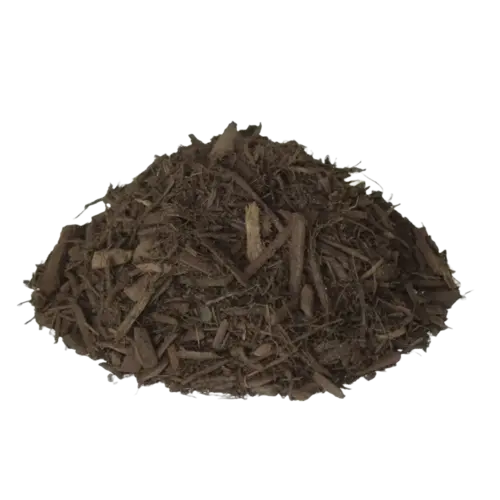
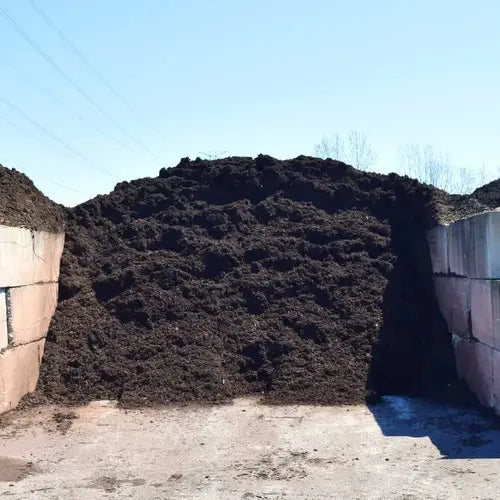
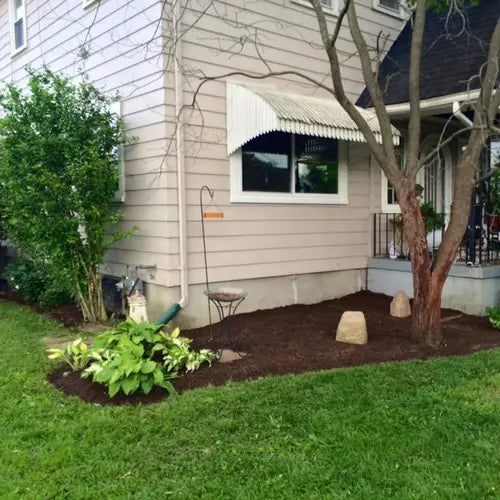
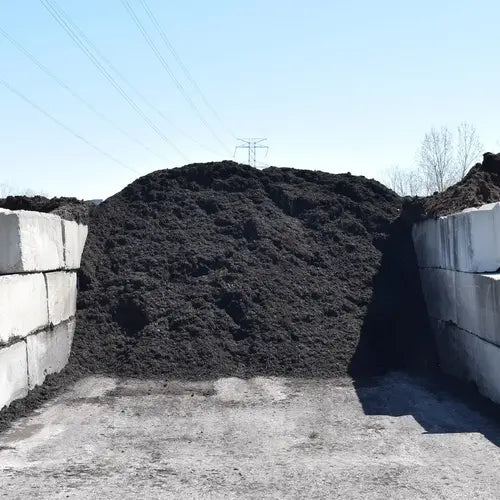
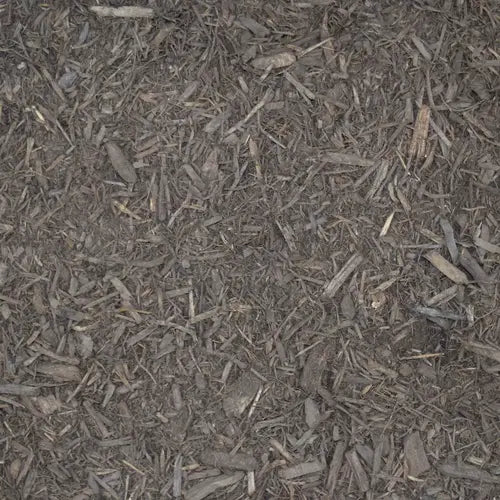
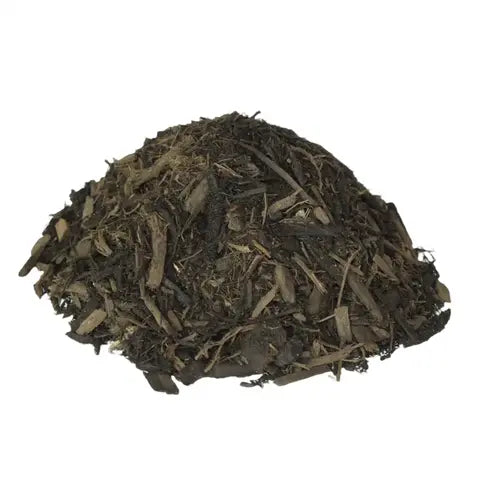
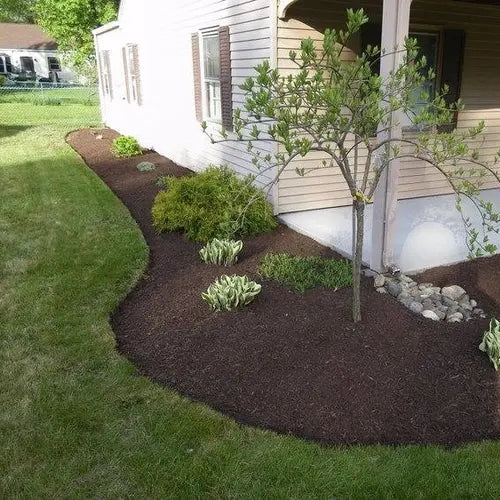
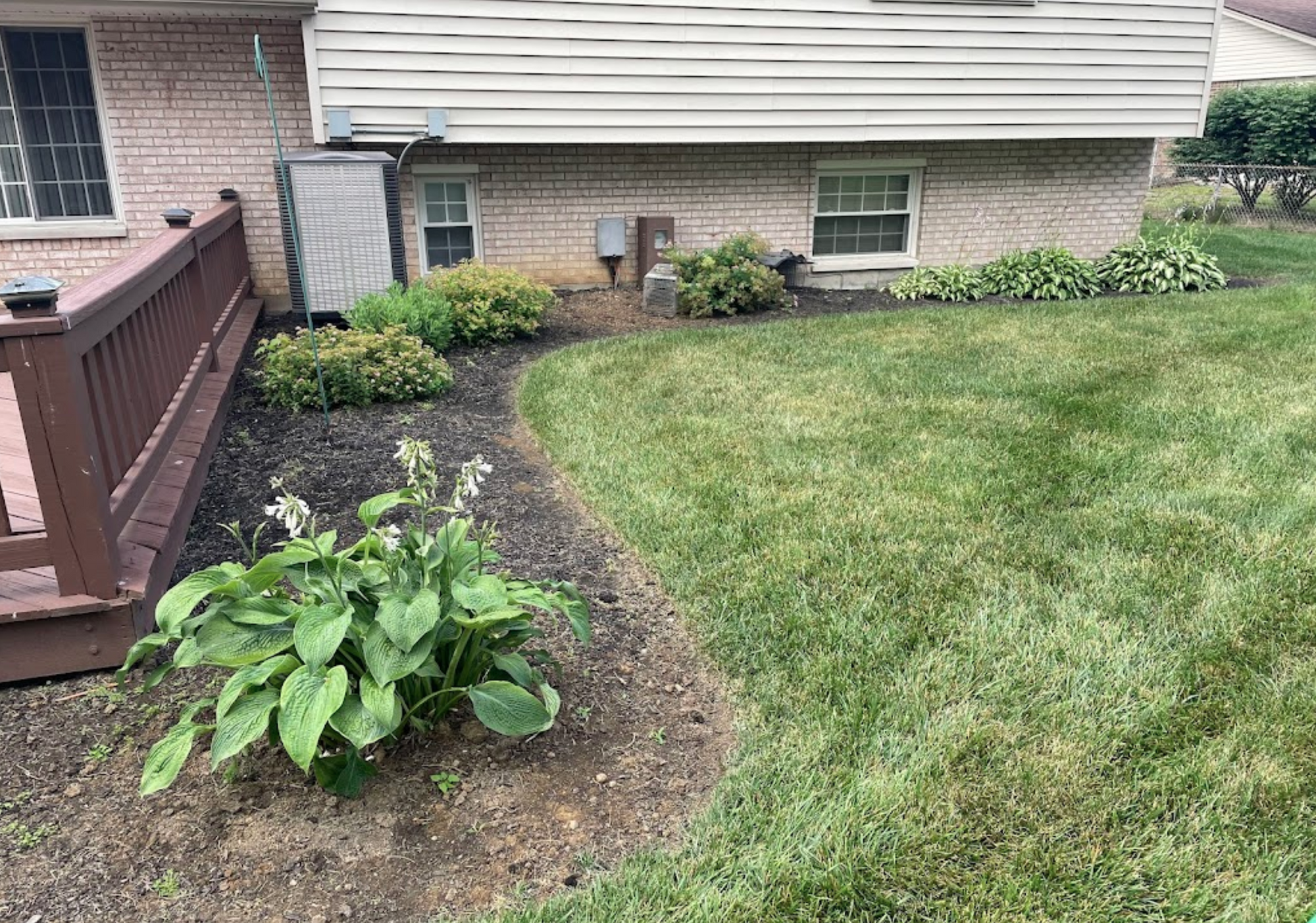
Warm brown double shredded mulch with lasting color that looks freshly applied for weeks. Spreads smooth, stays put, and gives beds a natural, polished appearance.
We needed mulch for our HOA common areas. Local providers were all holding high prices even for 40 yards of mulch. Mulch mound was easy to wowith & has great price for natural mulch + delivery schedule options. They called before delivery to ensure Delivery was exactly wher...
Tell us what you're looking for
Thanks! We received your request.
Something went wrong. Please try again.
How Much Material Do I Need?
Plan for two to three inches of mulch across your Joplin beds, leaning toward three inches in areas with full sun exposure where sandy loam dries out fastest between rain events. Shaded beds can get by with a two-inch layer while still providing effective weed suppression and moisture retention.
Use our free mulch calculator
What is a yard?
A yard is approximately 27 cubic feet. As a general guideline, one yard of material can cover an area of about 100-160 square feet at a 2-3 inch depth.
We can't take orders for this right now. Tell us what you need and we'll get back to you.
What do you need?
Thanks! We received your request.
Something went wrong. Please try again.
Hand-picked local yards
4,000+ regional deliveries
Dedicated support
Why order through Mulch Mound
The best local mulch, without the guesswork.
We hand-pick and partner with the best yards in your region, keep only the ones our buyers rate well, and back each load with our guarantee.
Mulch Mound Guarantee
If your mulch isn't the quantity or quality you ordered, we'll make it right.
About this mulch
Warm brown double shredded mulch with lasting color that looks freshly applied for weeks. Spreads smooth, stays put, and gives beds a natural, polished appearance.
We needed mulch for our HOA common areas. Local providers were all holding high prices even for 40 yards of mulch. Mulch mound was easy to wowith & has great price for natural mulch + delivery schedule options. They called before delivery to ensure Delivery was exactly wher...
How Much Material Do I Need?
Plan for two to three inches of mulch across your Joplin beds, leaning toward three inches in areas with full sun exposure where sandy loam dries out fastest between rain events. Shaded beds can get by with a two-inch layer while still providing effective weed suppression and moisture retention.
Use our free mulch calculator
What is a yard?
A yard is approximately 27 cubic feet. As a general guideline, one yard of material can cover an area of about 100-160 square feet at a 2-3 inch depth.
We needed mulch for our HOA common areas. Local providers were all holding high prices even for 40 yards of mulch. Mulch mound was easy to wowith...
Read full review
We needed mulch for our HOA common areas. Local providers were all holding high prices even for 40 yards of mulch. Mulch mound was easy to wowith & has great price for natural mulch + delivery schedule options. They called before delivery to ensure Delivery was exactly where we wanted it.
Delivery was on time and great quality Mulch. Got it done in a reasonable time and yard looks great. Couldn’t be happier!!! Thank you and will us...
Read full review
Delivery was on time and great quality Mulch. Got it done in a reasonable time and yard looks great. Couldn’t be happier!!! Thank you and will use again!!
Mulch Mound delivered a yard of pea gravel to us. Delivery was on time, driver was friendly and hit a bullseye on the “tarp target”. We used the ...
Read full review
Mulch Mound delivered a yard of pea gravel to us. Delivery was on time, driver was friendly and hit a bullseye on the “tarp target”. We used the pea gravel (which was diameter as specified) to fill several muskrat holes around our pond. I would definitely recommend Mulch Mound to a friend!
Measure the length and width of each bed and multiply to get square footage, then multiply by your desired depth in inches and divide by 324 to find the cubic yards needed. Joplin's sandy loam tends to settle more than denser clay soils, so rounding your order up by ten percent helps ensure full coverage across the entire bed. If you have several separate beds, calculate each one individually and add them together before ordering.
Mulch vs. No Mulch: The Difference
In Joplin's warm zone 7a summers, all organic mulch breaks down faster than it would in cooler climates, but natural hardwood mulch has the added benefit of feeding your sandy loam soil as it decomposes over one to two seasons. Dyed mulches use colorfast pigments that extend visual appeal through a full growing season, making them popular for high-visibility front yard beds where appearance matters most. Choosing between them often comes down to whether your priority is long-term soil improvement or season-long curb appeal.
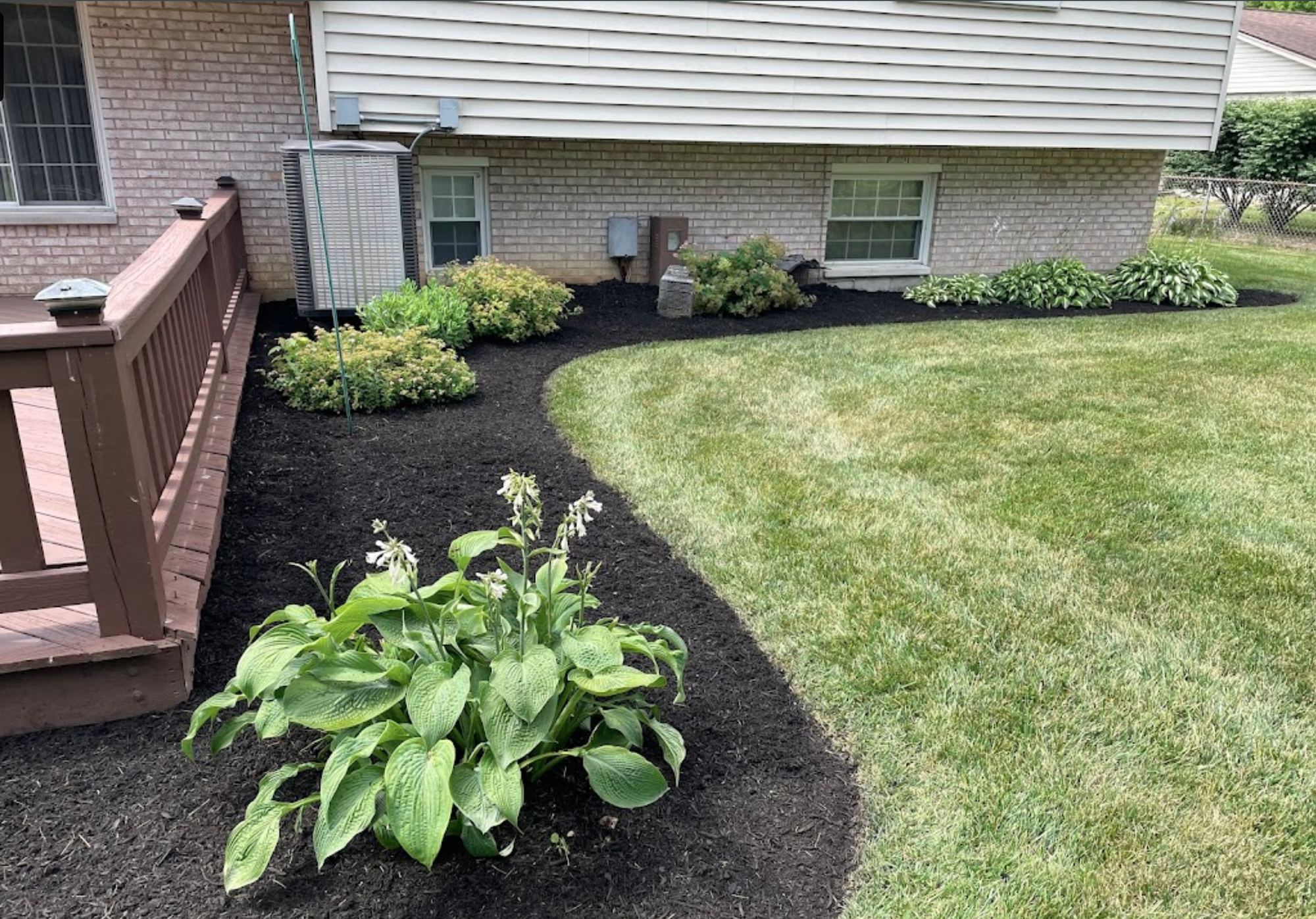
Before
After
Best Mulch Choice for Joplin Lawns
Most yards in the Joplin area sit on Sandy Loam type of soil. Joplin's sandy loam soil naturally lacks the organic matter needed to retain moisture and nutrients, which means plants in untreated beds often show stress during dry summer stretches even when rain arrives regularly in spring. Adding mulch over sandy loam is one of the most efficient ways to compensate for this drainage problem without committing to a full soil replacement project.
Hardwood Mulch
Hardwood mulch is particularly well-suited to Joplin's sandy loam because as it breaks down over one to two seasons, it releases organic material directly into the soil profile, improving moisture retention and nutrient availability where both are naturally limited. Over multiple years of consistent top-dressing, hardwood mulch can gradually transform lean sandy soil into a richer and more plant-friendly growing medium without any additional amendment work.
Mulch Types We Deliver in Joplin
When you need bulk mulch delivery in Joplin, Mulch Mound brings loads by the cubic yard directly to your driveway or yard. We carry a focused selection of quality varieties suited to the warm summers and varied landscapes found across southwest Missouri. Choose from the options below and get the coverage you need without the trips to the store.
Dyed Black Mulch
Dyed Black Mulch is available in double shredded form and creates a bold, striking contrast against green plantings and the brick foundations common to homes throughout this part of Missouri. The rich color holds well through hot summers, and the smooth texture spreads quickly over beds of any size.
Dyed Brown Mulch
Dyed Brown Mulch comes in double shredded form and delivers a warm, polished look that suits the traditional home styles and established landscaping found across this area. The lasting color stays looking fresh through weeks of Missouri heat and rain, making it a dependable choice for front beds and garden borders.
Natural Brown Mulch
Natural Brown Mulch is an undyed double shredded option with a warm, earthy tone that comes straight from the wood itself. It pairs well with the natural surroundings and wooded backyards common in southwest Missouri, giving beds a clean, honest look without any added color.
Complete Your Outdoor Mulch Project
Pair your mulch order with a quality garden soil to improve the nutrient content of Joplin's naturally lean sandy loam before you spread. Adding a decorative stone border around your beds creates a clean edge that holds mulch in place during the heavy spring downpours that are common across the Joplin area.
In Joplin, sandy loam soil temperatures climb quickly after late March, which accelerates early weed germination ahead of your last frost date. Apply your mulch layer in the first two weeks of April before ground temps consistently reach 65 degrees. This timing cuts down on the weed flush that follows the frost-free period and reduces the amount of hand-weeding you will face through June and July when weed pressure peaks.
Mulch Mound Pro Tip
Joplin's zone 7a winters are mild enough that the ground rarely freezes solid, but late cold snaps between late March and April 15 can stress shallow-rooted perennials that have broken dormancy early. A three-inch mulch layer over your perennial beds acts as insulation during those surprise freezes, keeping root zones a few degrees warmer and giving plants a much better chance of surviving without lasting damage to new growth.
Mulch Mound Pro Tip
With Joplin receiving close to 47 inches of rain annually, much of it falling in fast and heavy spring storms, unprotected sandy loam beds can lose their top layer of fine soil particles to surface runoff. Mulch acts like both a sponge and a shield, slowing the impact of falling rain so water soaks into the ground rather than sheeting off across beds and walkways. Keeping a full three-inch layer in place through storm season protects both your plants and the soil investment underneath.
Frequently Asked Questions
Click a question to see the answer
Answer
How thick should I apply mulch in my Joplin planting beds?
For most Joplin planting beds, two to three inches is the right depth. Sandy loam dries out quickly, so going thinner than two inches will not provide enough moisture protection during the July and August heat. Going deeper than four inches can trap too much moisture around plant crowns, which promotes rot, particularly after Joplin's heavy spring rain events when soil stays saturated for extended periods.
Answer
Will a mulch layer actually help with the weed pressure in my Joplin yard?
A consistent two to three inch layer blocks most weed seeds from ever reaching the soil surface. In Joplin, weed pressure picks up fast after the last frost around April 15 when soil temperatures rise quickly in sandy loam. Getting mulch down in early April before that warm-up gives you a meaningful head start on the season and reduces how much hand-weeding you face through June.
Answer
Does colored mulch hold its color through a Joplin summer?
Dyed mulches generally hold their color for one full growing season in Joplin. The intense Missouri sun from June through August fades color faster on south-facing slopes and open beds. If you want the longest-lasting appearance, choose a darker dye and plan to refresh each spring after your last frost date of April 15 passes.
Answer
How often do I need to replace my mulch in Joplin?
In Joplin's climate, hardwood mulch breaks down in about one to two years due to warm, humid summers and the relatively mild zone 7a winters. You typically do not need to remove old mulch entirely. Just measure the existing depth each spring and top off to bring it back to three inches before the growing season heats up.
Answer
What type of mulch works best for flower beds in Joplin?
Hardwood mulch is a strong all-around choice for Joplin flower beds. As it decomposes, it adds organic matter directly to your sandy loam soil, which naturally lacks organic content and struggles to hold nutrients through the long growing season. Over a few years of consistent top-dressing, hardwood mulch can meaningfully improve your soil structure without major additional effort.
Answer
Is it safe to put mulch right up against my house foundation in Joplin?
Keep mulch at least six inches away from your home's foundation. Joplin receives around 47 inches of rain per year, and mulch pressed against siding or brick holds moisture that can lead to rot or attract termites over time. A narrow stone border along the foundation line works well in Joplin and still gives your beds a clean finished look while keeping that moisture buffer in place.
Answer
When is the best time of year to mulch in Joplin?
Early to mid-April is the ideal window in Joplin. You want mulch down shortly after your last frost date of April 15, once soil has begun to warm but before weed seeds have germinated in force. Fall mulching in late October, just after the first frost around October 13, is also valuable for protecting perennial roots through the winter months.
The Unique Landscape of Joplin
Joplin's sandy loam soil drains fast, which is welcome during heavy spring storms but leaves plant roots stressed during summer dry stretches when rainfall slows and temperatures climb. A proper mulch layer slows that moisture loss significantly, giving your plants a buffer through the hottest weeks of a Missouri summer. Joplin sits in growing zone 7a, meaning the ground rarely freezes deep, but late cold snaps can still arrive after April 15 and catch new plantings off guard, and mulch helps moderate those temperature swings at the root zone. With nearly 47 inches of rain falling each year, much of it in intense spring events, mulch also acts as a shield that prevents the fine particles in your sandy soil from washing out of beds and down driveways. Without a mulch layer, exposed Joplin beds quickly develop a hard surface crust between rain events that sheds water rather than absorbing it.