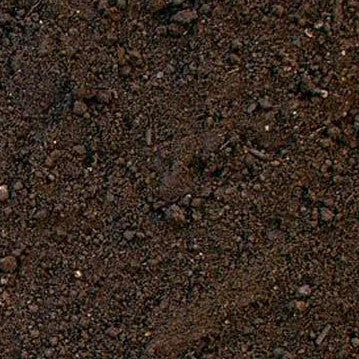
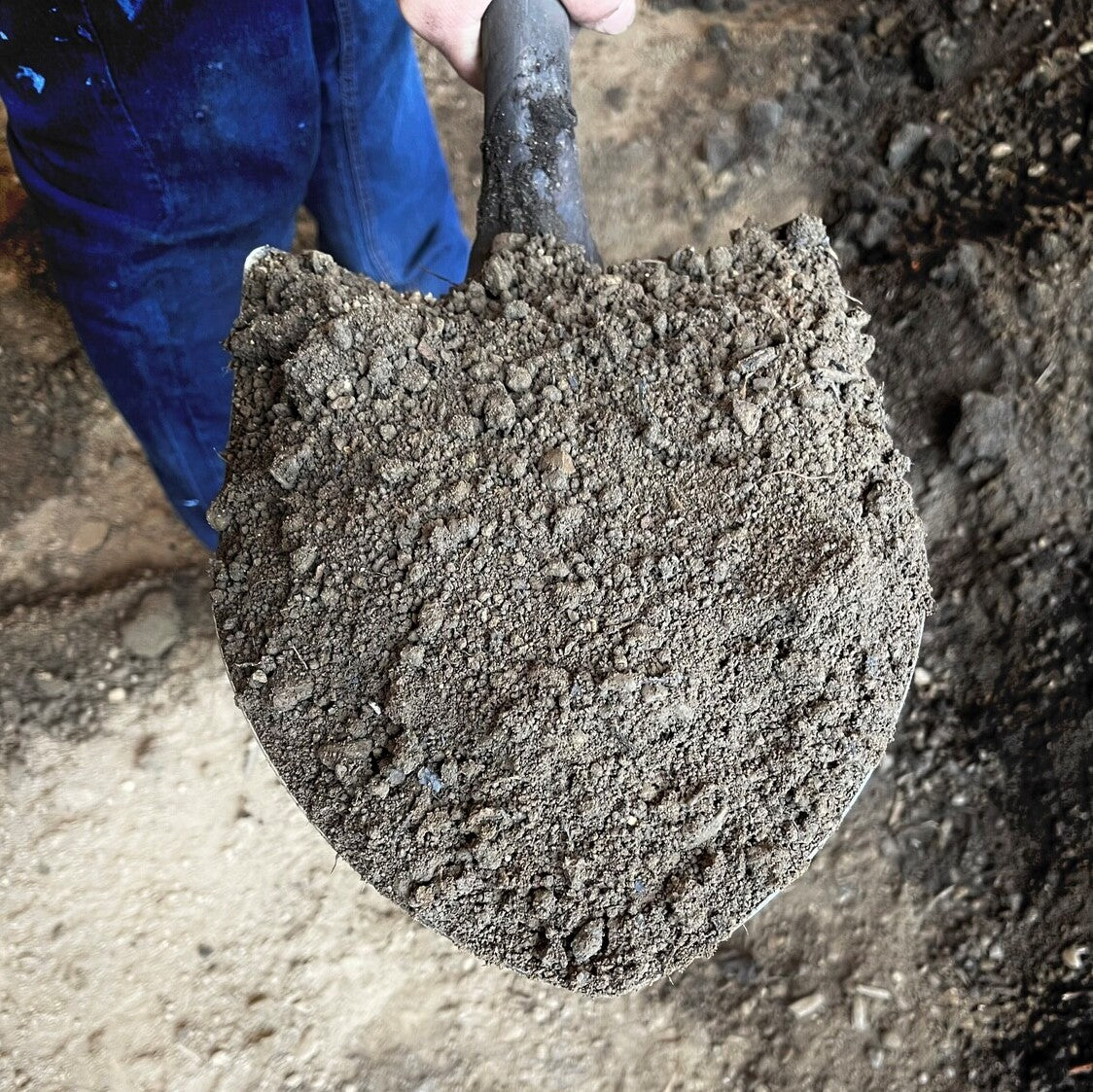
Quality topsoil for lawns, gardens, and landscape projects. Nutrient rich and ready to support strong root development and healthy plant establishment.
My experience with Mulch Mound was great and super easy. I ordered two yards of screened topsoil and was able to get it delivered within 2 days. They came in my requested time frame (afternoon) and dropped it off where I asked on my driveway. The topsoil was exactly what was a...
Tell us what you're looking for
Thanks! We received your request.
Something went wrong. Please try again.
How Much Material Do I Need?
For garden beds in Joplin, plan on at least eight inches of quality soil to give roots room to develop past the sandy loam subsoil below. For lawn topdressing or filling low spots caused by Joplin's spring storm erosion, two to three inches is typically the right amount.
Use our free soil calculator
What is a yard?
A yard is approximately 27 cubic feet. As a general guideline, one yard of material can cover an area of about 100-160 square feet at a 2-3 inch depth.
We can't take orders for this right now. Tell us what you need and we'll get back to you.
What do you need?
Thanks! We received your request.
Something went wrong. Please try again.
Hand-picked local yards
4,000+ regional deliveries
Dedicated support
Why order through Mulch Mound
The best local soil, without the guesswork.
We hand-pick and partner with the best yards in your region, keep only the ones our buyers rate well, and back each load with our guarantee.
Mulch Mound Guarantee
If your soil isn't the quantity or quality you ordered, we'll make it right.
About this soil
Quality topsoil for lawns, gardens, and landscape projects. Nutrient rich and ready to support strong root development and healthy plant establishment.
My experience with Mulch Mound was great and super easy. I ordered two yards of screened topsoil and was able to get it delivered within 2 days. They came in my requested time frame (afternoon) and dropped it off where I asked on my driveway. The topsoil was exactly what was a...
How Much Material Do I Need?
For garden beds in Joplin, plan on at least eight inches of quality soil to give roots room to develop past the sandy loam subsoil below. For lawn topdressing or filling low spots caused by Joplin's spring storm erosion, two to three inches is typically the right amount.
Use our free soil calculator
What is a yard?
A yard is approximately 27 cubic feet. As a general guideline, one yard of material can cover an area of about 100-160 square feet at a 2-3 inch depth.
My experience with Mulch Mound was great and super easy. I ordered two yards of screened topsoil and was able to get it delivered within 2 days. Th...
Read full review
My experience with Mulch Mound was great and super easy. I ordered two yards of screened topsoil and was able to get it delivered within 2 days. They came in my requested time frame (afternoon) and dropped it off where I asked on my driveway. The topsoil was exactly what was advertised, clean with no rocks or other debris. The price was reasonable. I plan to use them again in a couple weeks to order compost for my garden beds.
Measure the length and width of your project area and multiply to find square footage, then determine how many inches deep you need to go based on whether you are topdressing an existing lawn or building new beds from scratch. For lawn leveling in Joplin, a two-inch topdress is usually enough to fill normal settling and erosion from seasonal rains. Multiply square footage by 0.0062 to get the approximate cubic yards needed for a two-inch layer.
Soil Types We Deliver in Joplin
Joplin homeowners and landscapers count on us for bulk topsoil by the yard in Joplin, delivered straight to the job site in the quantities you need. Whether you are filling raised beds, grading a yard, or preparing new planting areas, having the right soil foundation makes all the difference. We deliver by the cubic yard so you get exactly what your project calls for, with no trips to the store.
Screened Top Soil
Our screened topsoil is finely processed to remove rocks, clumps, and debris, giving you a clean and workable base ready for lawns, gardens, and landscape beds. It is nutrient rich and supports strong root development, making it a reliable choice for the clay-heavy soils common across southwest Missouri. Ideal for leveling, topdressing, and new plantings.
Complete Your Outdoor Soil Project
Once your beds are graded and filled, top them with hardwood mulch to protect Joplin's sandy loam from drying out too quickly during the summer months. Adding a stone border along bed edges helps contain your new soil during the heavy spring rains that regularly move through the Joplin area.
What kind of soil works best for raised garden beds in Joplin?
A blended garden mix that combines topsoil, compost, and organic matter is ideal for raised beds in Joplin. Because native sandy loam already drains fast, raised beds built entirely from native soil tend to dry out even faster since they have no surrounding ground to draw moisture from. A richer compost-amended mix holds water better and gives you far more productive growing results through Joplin's long season from April through October.
Answer
Can I use bulk topsoil to level my uneven Joplin lawn?
Yes, bulk topsoil is the most practical solution for filling low spots and leveling uneven turf in Joplin. The area's sandy loam can shift slightly over winter even in zone 7a, and spring rainfall creates erosion channels in sloped sections of the yard. Topdressing with a compatible topsoil and then overseeding gives you a smooth, even surface that holds up better against the seasonal rainfall patterns common to the Joplin area.
Answer
How do I figure out how much soil I need to order for my Joplin project?
Calculate your area in square feet and decide how many inches deep you need to go. For filling low spots in a Joplin lawn, two to three inches is usually enough to correct normal settling. For new raised beds where you are starting from scratch, eight to twelve inches of quality soil gives roots plenty of room to develop below the native sandy loam subsoil. Divide your total cubic feet by 27 to convert to cubic yards for ordering.
Answer
Will adding topsoil help with the drainage problems in my Joplin yard?
It depends on what is causing the drainage issue. If low spots are collecting water during Joplin's spring rain events, filling and regrading with topsoil will help considerably. However, if you have compacted subsoil underneath those low spots, topsoil alone will not solve the problem. In those cases, it is worth aerating or tilling the subsoil before adding new material so both layers drain together rather than creating a saturated interface between them.
Answer
When is the best time to add soil to my Joplin yard?
Spring, between early March and mid-April, is the ideal window for most soil projects in Joplin. The ground is workable after winter and you have time to establish new grass or plant beds before the summer heat arrives. Fall, from late September through October before the first frost around October 13, is also excellent for lawn leveling and overseeding projects that benefit from cooler temperatures and consistent moisture.
Answer
Is Joplin's native sandy loam good enough for gardening without bringing in additional soil?
Joplin's sandy loam is not poor soil, but it has real limitations for intensive gardening. It drains quickly, loses nutrients fast, and requires more frequent watering during July and August when rainfall tends to slow and heat peaks. Blending in compost-rich garden soil or topdressing established beds each season makes a measurable difference in plant performance and reduces how often you need to supplement with irrigation.
Answer
How does Joplin's sandy loam affect new sod or grass seed establishment?
Sandy loam gives new grass good drainage, which reduces disease pressure, but it also means the seedbed dries out quickly during the establishment phase. When laying sod or seeding in Joplin, a thin layer of quality topsoil over your existing ground helps new roots access moisture before they develop deep enough to handle summer dry stretches on their own. Keep new plantings consistently watered until they are fully rooted heading into the first frost cycle.
Mulch Mound Pro Tip
When building raised beds in Joplin, avoid using native sandy loam as your primary growing medium. Sandy loam in a raised container setting drains even faster than it does in the ground because it has no surrounding water table to help moderate moisture levels. A blended mix with compost and topsoil holds enough moisture to carry plants through the stretches between Joplin's rain events without requiring constant supplemental watering throughout the summer.
Mulch Mound Pro Tip
Joplin's growing season from April 15 to October 13 gives you about six months of productive growing time, and getting soil prep done in late March gives you a meaningful head start on that window. Till or loosen any compacted areas before adding new soil so the layers integrate properly instead of sitting separately. Compaction is common in Joplin yards that have had heavy foot traffic or construction activity, and a quick pass with a tiller makes your new soil investment work much more effectively.
Mulch Mound Pro Tip
In areas of your Joplin yard that slope toward your home or a neighbor's property, proper soil grading is more than an aesthetic concern. Joplin averages 47 inches of rain per year and poorly graded ground sends that runoff exactly where you do not want it. When adding soil to sloped areas, build a gentle grade that directs water away from structures and consider pairing the graded soil with a stone drainage channel to manage heavy storm events without creating new erosion problems.
The Unique Landscape of Joplin
Joplin's native sandy loam is workable and drains well, but it struggles to hold moisture and nutrients long enough to support lush gardens or healthy lawns through the heat of a Missouri summer. When homeowners bring in quality bulk soil, they can address those gaps directly, whether filling raised beds, leveling low spots in a lawn, or building up grade around a new structure. The area's 47-inch annual rainfall means poorly graded areas wash and settle over time, creating persistent low spots and drainage problems that targeted soil work can correct. With a growing season that runs from the last frost around April 15 through the first frost near October 13, Joplin gardeners have a long productive window, and healthy starting soil makes the most of every week in that season. Matching the right soil blend to your specific project, whether clean topsoil for lawns or an enriched garden mix for planting beds, makes a real difference in how your landscape performs across Joplin's wide seasonal range.