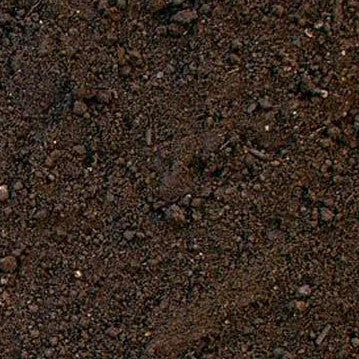
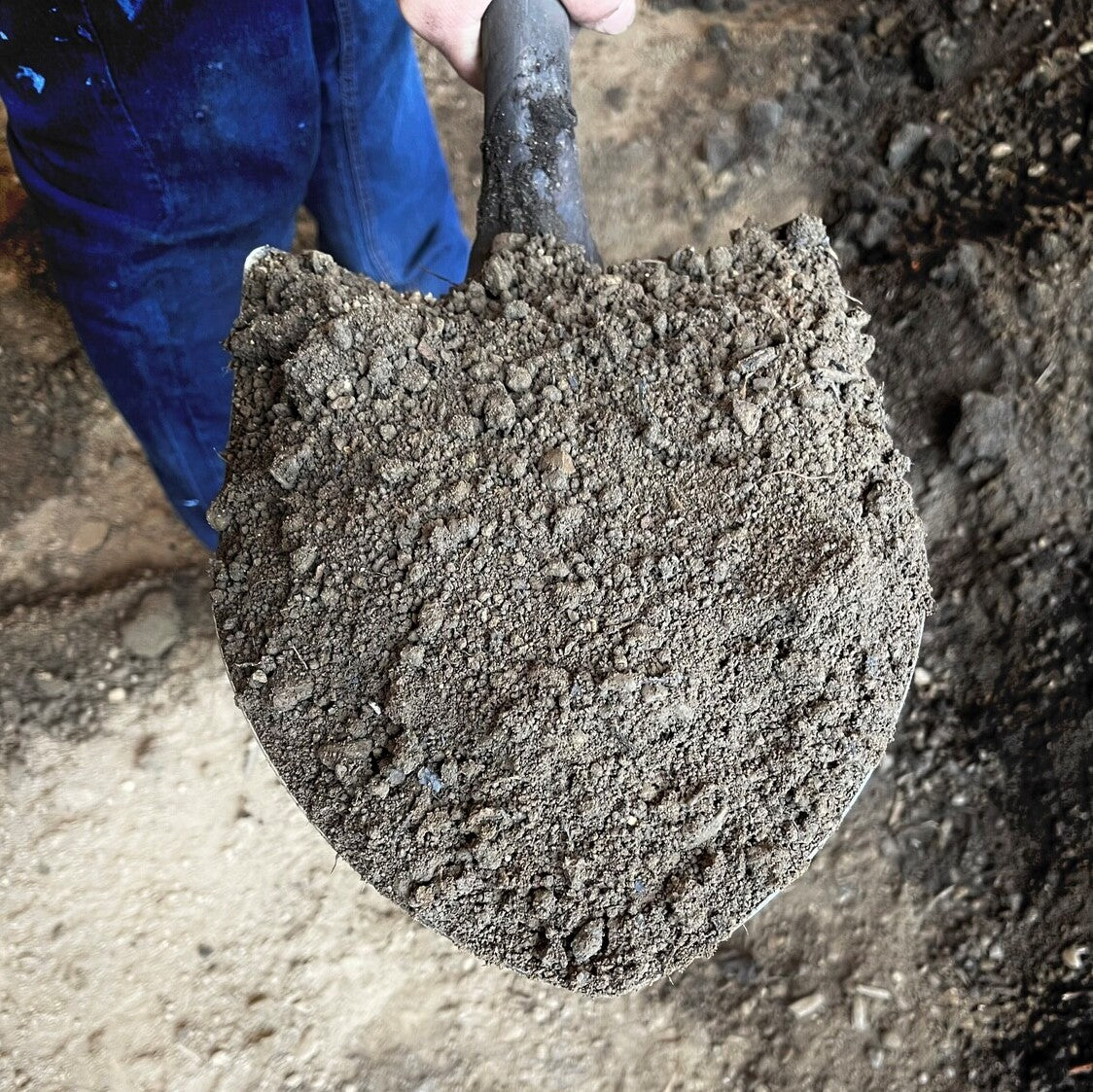
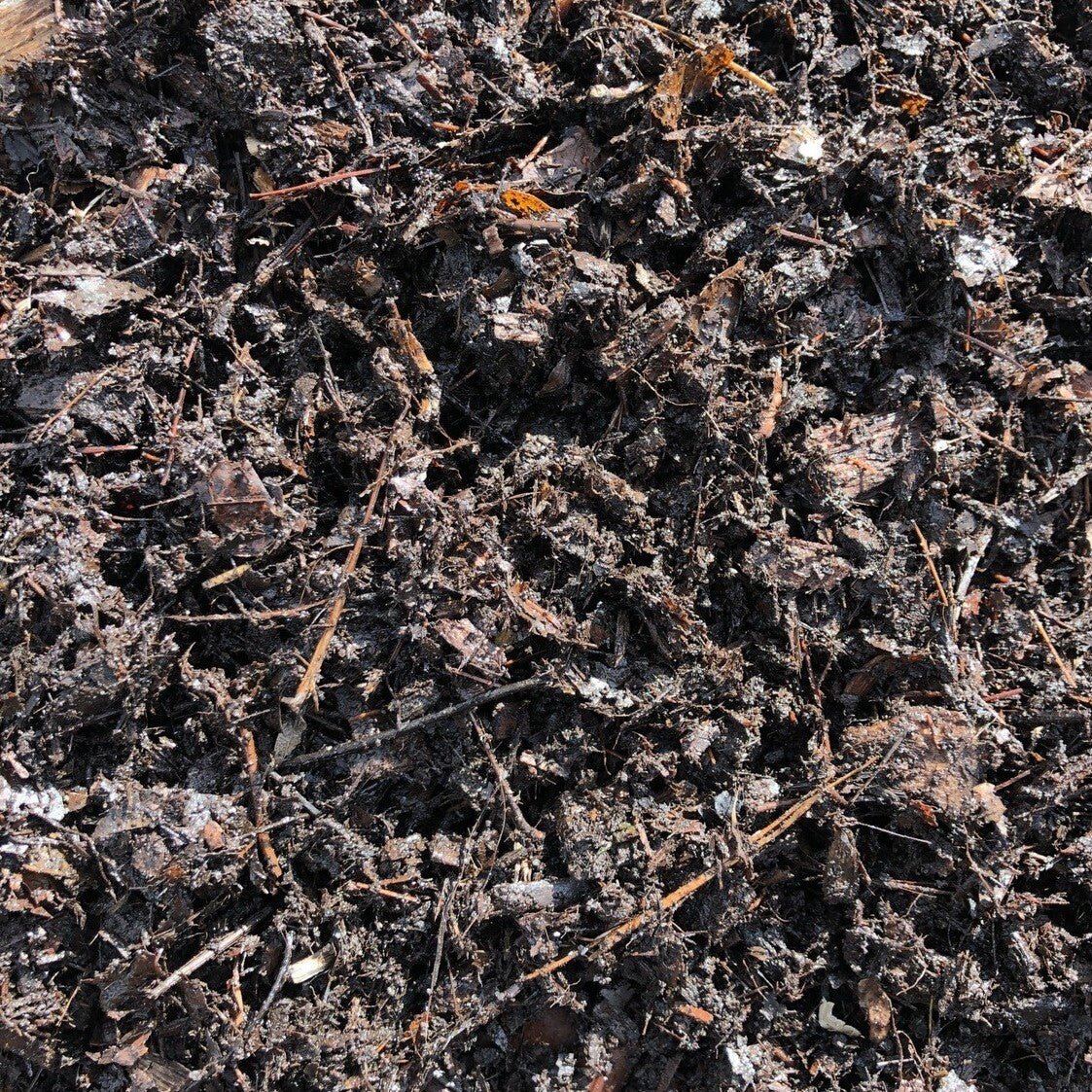
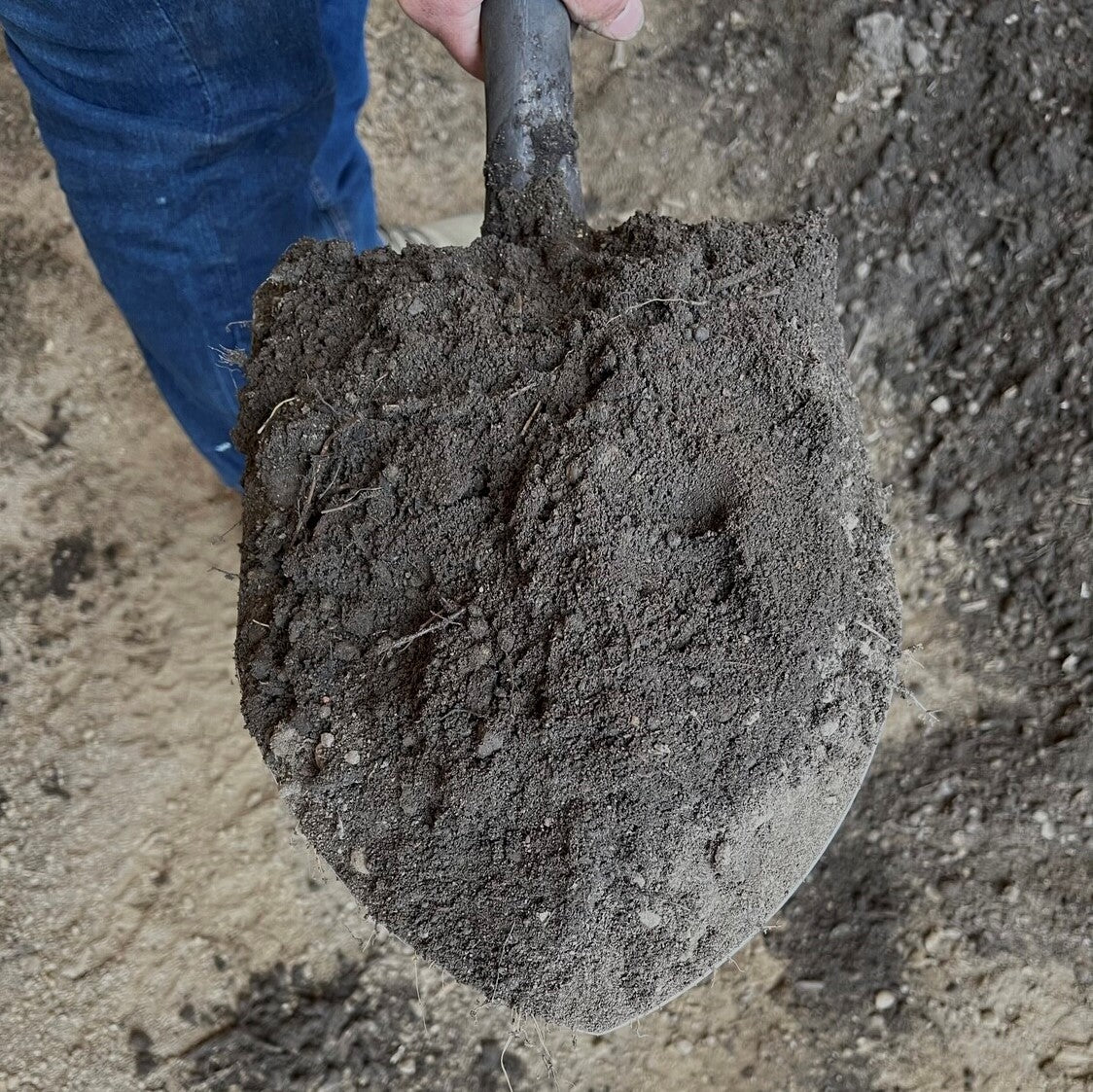
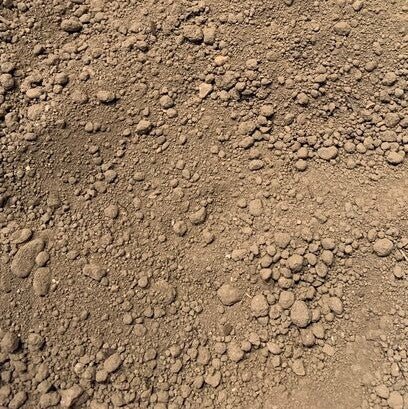
Quality topsoil for lawns, gardens, and landscape projects. Nutrient rich and ready to support strong root development and healthy plant establishment.
Great experience - not only was this the most affordable option for dirt delivery in Cleveland heights, but the delivery was fast and friendly. Got exactly what I needed and the truck got as close as possible to where I needed the dirt - even in my cramped driveway. Will be us...
Quality topsoil for lawns, gardens, and landscape projects. Nutrient rich and ready to support strong root development and healthy plant establishment.
Great experience - not only was this the most affordable option for dirt delivery in Cleveland heights, but the delivery was fast and friendly. Got exactly what I needed and the truck got as close as possible to where I needed the dirt - even in my cramped driveway. Will be us...
How Much Material Do I Need?
For new lawn installations over Kalamazoo's sandy loam, a 4 to 6-inch layer of quality topsoil gives grass roots enough medium to establish before they hit the native sandy base below. For raised vegetable beds, go a full 12 inches deep — roots of tomatoes and peppers need that depth to thrive through a southwest Michigan summer.
Use our free soil calculator
What is a yard?
A yard is approximately 27 cubic feet. As a general guideline, one yard of material can cover an area of about 10 feet by 10 feet at a few inches deep.
What is a yards?
A yard is approximately 27 cubic feet. As a general guideline, one yard of material can cover an area of about 10 feet by 10 feet at a few inches deep.
Great experience - not only was this the most affordable option for dirt delivery in Cleveland heights, but the delivery was fast and friendly. Got...
Read full review
Great experience - not only was this the most affordable option for dirt delivery in Cleveland heights, but the delivery was fast and friendly. Got exactly what I needed and the truck got as close as possible to where I needed the dirt - even in my cramped driveway. Will be using again and recommending to my neighbors.
To estimate soil needs for Kalamazoo projects, calculate your area in square feet and decide on your target depth — 6 inches for a new lawn installation, 12 inches for raised beds, and 2 to 3 inches for topdressing existing turf. Divide total cubic feet by 27 to convert to cubic yards. Because Kalamazoo's sandy loam base tends to compact and settle after the first wet spring season, adding 10 to 15 percent to your order is always a smart buffer, especially on grade work you want to hold level through freeze-thaw cycles.
Complete Your Outdoor Soil Project
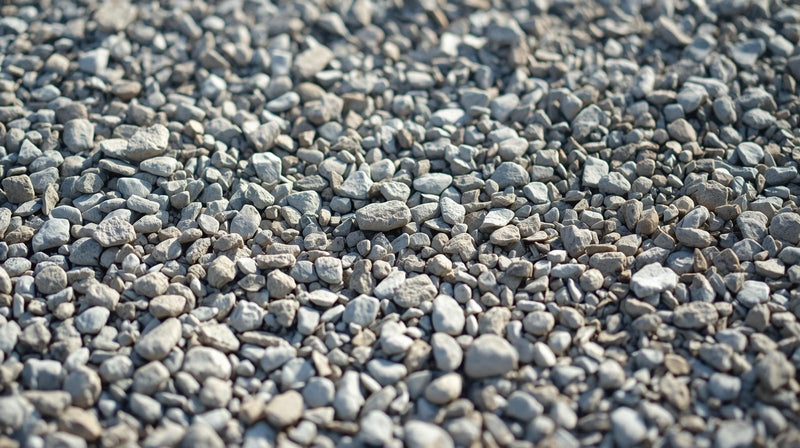
After your soil work is complete, top planting beds with a 3-inch layer of hardwood mulch to lock in the moisture that Kalamazoo's sandy loam would otherwise lose quickly to drainage and evaporation. For high-traffic areas, edges, or drainage channels around your graded yard, decorative stone provides a durable, low-maintenance surface that won't erode or shift the way fresh topsoil can during southwest Michigan's heavy spring rains.
My Kalamazoo backyard has low spots that collect snowmelt every spring. What kind of soil should I use to fix the grading?
For leveling low spots that hold snowmelt and spring rain, a clean fill soil or blended topsoil works well — you want something with enough body to hold grade without settling too dramatically, but not pure sand or clay. In Kalamazoo, many yards sit on sandy loam that has shifted or settled unevenly over time. Fill the low areas, compact lightly, and then top with a screened topsoil layer before reseeding or laying sod so the turf has something nutritious to root into above the structural fill.
Answer
When is the best time to add bulk topsoil to a Kalamazoo lawn?
Early fall — late August through mid-September — is ideal for topdressing or overseeding Kalamazoo lawns because grass seed germinates well in warm soil while cooler air reduces stress, and there's usually enough rain before the first frost around October 11 to help new growth establish. Spring is a viable second window, but wait until the soil can be worked without compacting it — typically late April in Kalamazoo — and plan around the last frost date of May 10 if you're also planting.
Answer
How much topsoil do I need to build a raised garden bed here in Kalamazoo?
For a standard raised bed that's 4 feet wide, 8 feet long, and 12 inches deep, you need roughly 1.2 cubic yards of soil. Most Kalamazoo gardeners building raised beds opt for a blended garden mix — something that combines topsoil, compost, and aged organic matter — because it gives transplants the nutrient density and moisture retention that native sandy loam can't provide on its own. If you're building multiple beds, ordering 3 to 5 cubic yards at once saves significantly on delivery costs.
Answer
Can I use topsoil to overseed the bare patches in my lawn, or do I need something different?
Screened topsoil works well for thin topdressing applications on bare patches — spread it no more than a quarter to half inch deep over the area, work grass seed into the surface, and keep it moist until germination. In Kalamazoo, Kentucky bluegrass and turf-type tall fescue are common lawn grasses and both germinate well when soil temperatures are consistently above 50°F, which typically happens in mid-April. Avoid thick topsoil layers over existing turf, as it can smother the grass crowns below.
Answer
I'm starting a vegetable garden in Kalamazoo. Is regular topsoil good enough or should I get a garden mix?
For vegetables, a blended garden mix beats straight topsoil every time — especially given that Kalamazoo's native sandy loam can't hold nutrients long enough to support heavy feeders like tomatoes, squash, and peppers through a full growing season. A quality garden mix with compost or other organic amendments gives you the water retention and fertility that sandy loam lacks. You're planting after May 10 anyway for frost-sensitive crops, so use that pre-planting window to get your beds built and settled.
Answer
Does the soil I order from you have fertilizer in it, or do I need to add that separately?
Our screened topsoil contains natural organic matter from decomposed material, but it isn't fertilized with synthetic amendments. For vegetable gardens or new lawn installations in Kalamazoo, we recommend incorporating a balanced starter fertilizer when you're working the soil before planting — sandy loam doesn't hold onto applied nutrients long, so starting with a good base and feeding regularly through the season is more effective than relying on any single soil product to carry the whole growing season.
Answer
How do I make sure my new topsoil doesn't wash away on a sloped yard in Kalamazoo?
Kalamazoo properties with any meaningful slope are vulnerable to erosion during the heavy spring rain events that come through southwest Michigan in April and May. As soon as you've spread and graded your topsoil, seed it or cover it — either with erosion blanket, straw, or sod depending on the slope severity. Mulch can also help stabilize newly placed soil in bed areas. On slopes steeper than about 3:1, consider working with stone edging or retaining features to keep soil in place over multiple seasons.
Mulch Mound Pro Tip
Kalamazoo soil temperatures don't reliably warm above 50°F until mid-April, even when air temps feel spring-like in late March. If you're installing topsoil for a lawn project and plan to seed, wait until the soil thermometer confirms it's warm enough — seeding into cold soil leads to patchy germination and frustration. Use the time between delivery and seeding to grade, rake, and firm the surface so you're ready the moment conditions are right.
Mulch Mound Pro Tip
Compaction is a real issue on Kalamazoo properties where heavy clay pockets exist beneath the sandy loam surface layer. Before spreading new topsoil for a lawn renovation, rent a core aerator and run it over the existing ground. This breaks up any compaction layer and creates better integration between your new soil and the native base below, reducing the risk of a hard pan forming at the transition zone where the two layers meet after a few seasons of traffic.
Mulch Mound Pro Tip
With Kalamazoo receiving 36 inches of rainfall annually — much of it concentrated in late winter and spring — newly placed topsoil is vulnerable to channeling and surface erosion before vegetation has a chance to root. Consider the timing of your delivery relative to the forecast. Ideally, have seed, sod, or mulch ready to go the same day or the day after your soil delivery, so there's no window of bare soil exposed to heavy April or May rain events that can undo a lot of careful grading work.
The Unique Landscape of Kalamazoo
Kalamazoo's native sandy loam is a workable base but a nutritionally thin one — it drains fast, which helps during the wet springs common to southwest Michigan, but that same drainage means organic matter and nutrients move through the root zone quickly and need regular replenishment. Whether you're grading a new lawn, building raised beds, or amending existing planting areas, bringing in quality bulk soil gives you control over what your plants actually grow in rather than depending on the variability of native fill. The area's 36-inch annual rainfall is generally adequate for established plantings, but young transplants in sandy loam need consistent moisture in their first weeks — good-quality topsoil with higher organic content holds water long enough for roots to establish. With a last frost as late as May 10, spring is a busy planting season in Kalamazoo and having the right soil ready ahead of that window saves you from scrambling. Low areas in Kalamazoo yards often collect snowmelt and early spring rain, and proper grading with quality fill soil can prevent the standing water issues that stress turf and plant roots. Zone 6a gardens perform best when soil amendments are made thoughtfully — bulk topsoil gives you the volume needed to make meaningful, lasting changes rather than just a bag-deep improvement.