








Delivery was smooth and on time!
The triple shredded mulch was great quality and just what we were looking for.
About this mulch
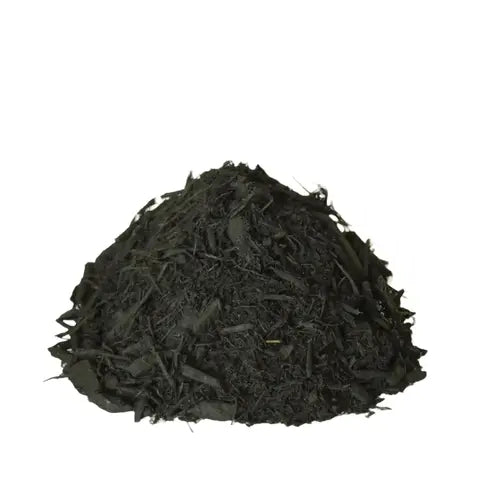
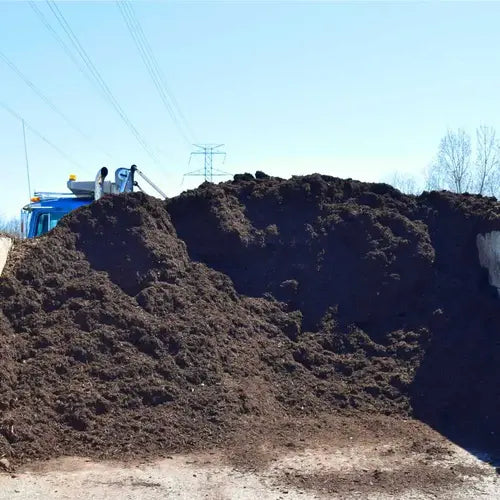
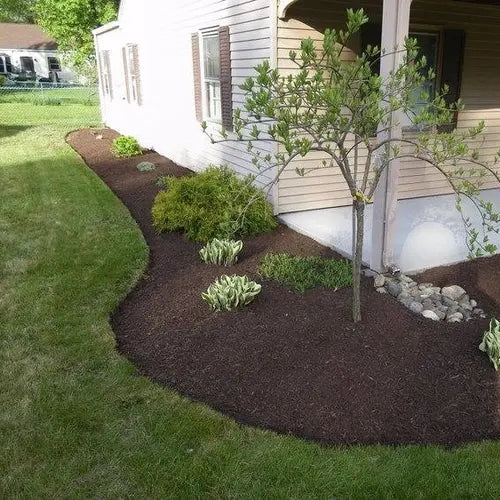
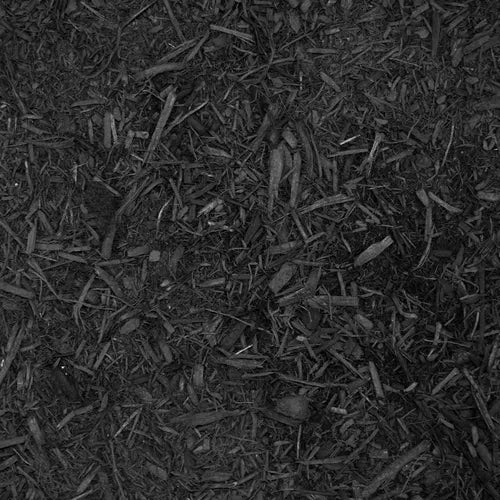
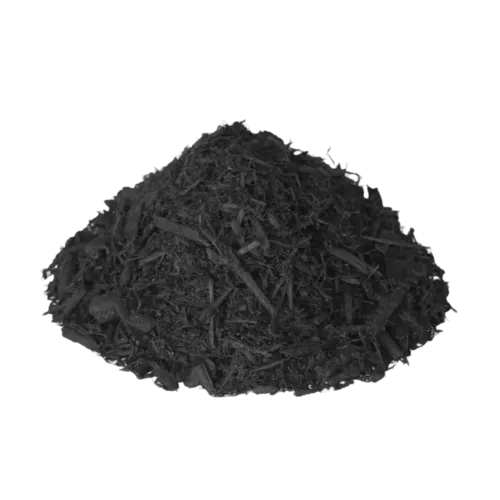
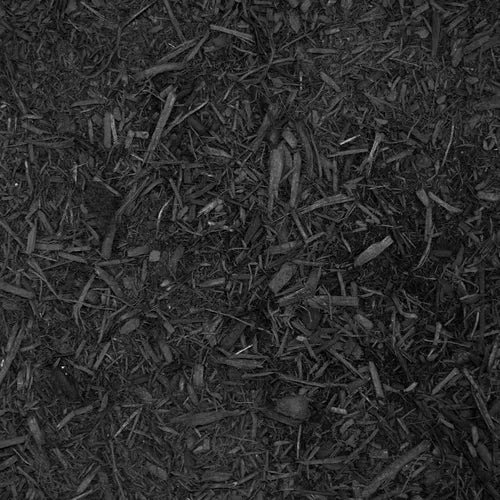
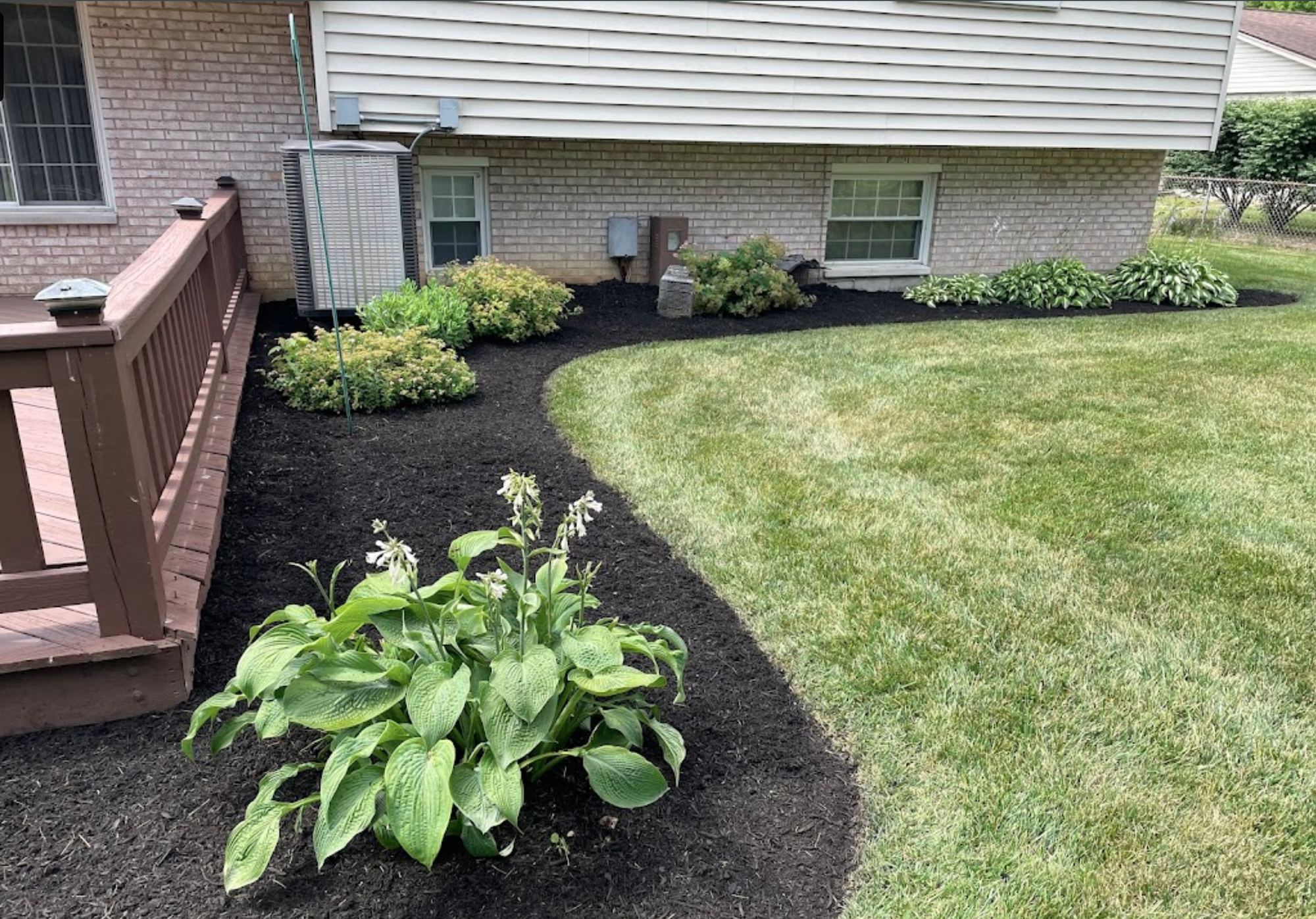
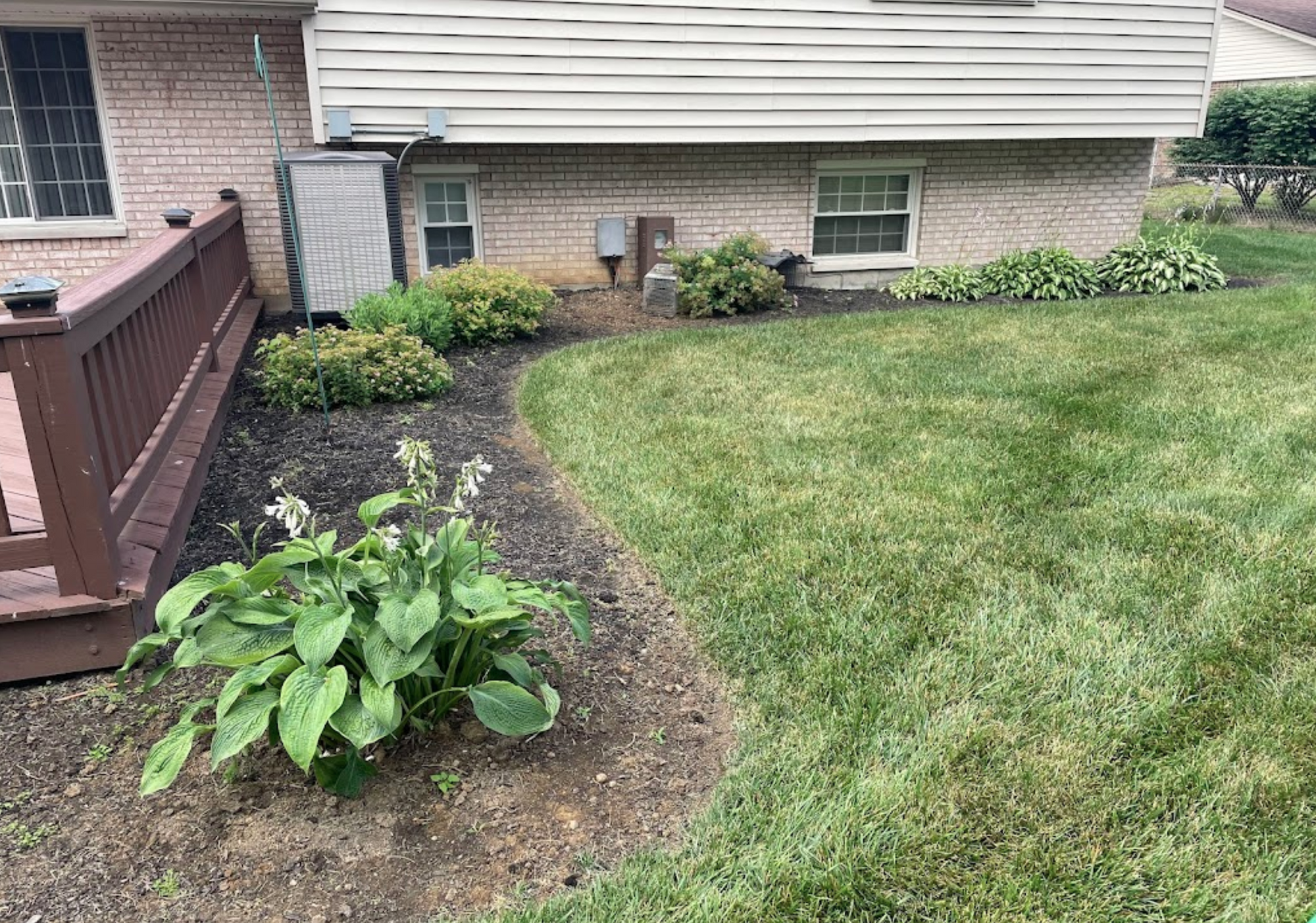
Bold black double shredded mulch that transforms beds instantly. The rich color holds strong through sun and rain, and the smooth texture spreads effortlessly.
Delivery was smooth and on time!
The triple shredded mulch was great quality and just what we were looking for.
Tell us what you're looking for
Thanks! We received your request.
Something went wrong. Please try again.
How Much Material Do I Need?
How Much Material Do I Need?
In Killeen's clay caliche landscape, three inches of mulch gives you enough depth to suppress weeds and buffer soil temperature without creating the waterlogged conditions that clay soil already promotes. Heavy rainfall events, which can deliver two or more inches in a single storm, will compact a shallow layer quickly, so erring toward three inches gives you staying power between applications.
Use our free mulch calculator
What is a yard?
What is a yard?
FAQs
FAQs
Killeen Mulch Delivery
Killeen Mulch Delivery
Regular price
$78.00
per
yard
Regular price
Sale price
$78.00
Unit price
per
Shipping calculated at checkout.
Minimum of 3 yard
Couldn't load pickup availability
Not currently available
We can't take orders for this right now. Tell us what you need and we'll get back to you.
Hand-picked local yards
4,000+ regional deliveries
Dedicated support
Why order through Mulch Mound
The best local mulch, without the guesswork.
We hand-pick and partner with the best yards in your region, keep only the ones our buyers rate well, and back each load with our guarantee.
Mulch Mound Guarantee
If your mulch isn't the quantity or quality you ordered, we'll make it right.
About this mulch
Bold black double shredded mulch that transforms beds instantly. The rich color holds strong through sun and rain, and the smooth texture spreads effortlessly.
Delivery was smooth and on time!
The triple shredded mulch was great quality and just what we were looking for.
How Much Material Do I Need?
How Much Material Do I Need?
In Killeen's clay caliche landscape, three inches of mulch gives you enough depth to suppress weeds and buffer soil temperature without creating the waterlogged conditions that clay soil already promotes. Heavy rainfall events, which can deliver two or more inches in a single storm, will compact a shallow layer quickly, so erring toward three inches gives you staying power between applications.
Use our free mulch calculator
What is a yard?
What is a yard?
FAQs
FAQs
Tell us what you're looking for
Thanks! We received your request.
Something went wrong. Please try again.
How It Works
Getting started is easy — just follow these simple steps
1
Choose your Mulch
Make sure you adjust the quantity to your home's needs. You can use our calculator to estimate how much you'll need.
2
Select your delivery date
Select a delivery date you'd like for the product to be dropped off at your home
3
Sit back and wait
Sit back, wait, and let us work our magic to make sure the highest quality product is delivered to your driveway.

Great experience with mulch mound. Their online calculator made it easy to estimate how many yards of mulch I needed and delivery was quick. I woul...
Read full review
Great experience with mulch mound. Their online calculator made it easy to estimate how many yards of mulch I needed and delivery was quick. I would definitely recommend them for your future projects.

We needed mulch for our HOA common areas. Local providers were all holding high prices even for 40 yards of mulch. Mulch mound was easy to wowith...
Read full review
We needed mulch for our HOA common areas. Local providers were all holding high prices even for 40 yards of mulch. Mulch mound was easy to wowith & has great price for natural mulch + delivery schedule options. They called before delivery to ensure Delivery was exactly where we wanted it.
Calculate mulch for your Killeen project
For Killeen's Clay Caliche type of soil, we recommend 2-3 inches for best weed suppression and moisture retention
Try Our CalculatorMeasure your bed length and width in feet and multiply to get square footage. Killeen's clay caliche soil tends to compact mulch faster than looser soils, so plan on refreshing your beds annually to maintain full coverage. Most Killeen beds look best and perform best at three inches of depth, which is the number our calculator uses as its default.

Best Mulch Choice for Killeen Lawns
Most yards in the Killeen area sit on Clay Caliche type of soil. Killeen's clay caliche soil is dense, nutrient-poor, and prone to cracking, which makes it a hostile environment for most ornamental plants trying to establish healthy root systems. A proper mulch layer is the first and most cost-effective step toward making those beds more productive and more forgiving through the heat of summer.
Hardwood Mulch
Hardwood mulch is particularly valuable over Killeen's clay caliche because as it breaks down it releases humic acids and organic matter that gradually improve soil structure from the top down. Over several seasons, consistently mulched beds in Killeen develop a noticeably looser, darker top layer where plant roots actually want to grow and where water actually wants to go.
Mulch Types We Deliver in Killeen
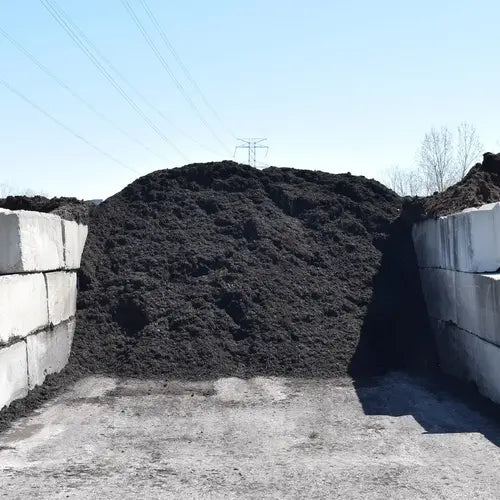
Mulch Mound delivers bulk mulch by the cubic yard straight to homes and properties in Killeen, making it easy to cover beds and borders without hauling bags. Whether you searched for bulk mulch delivery near me or have a large landscape project in mind, we make it simple to order the right amount and have it dropped on site.
Dyed Black Mulch
This double shredded mulch is a popular choice for Killeen homeowners who want instant curb appeal. The rich black color contrasts sharply against green lawns and native plantings and holds up well through the intense heat and sun of a Central Texas summer.
Dyed Red Mulch
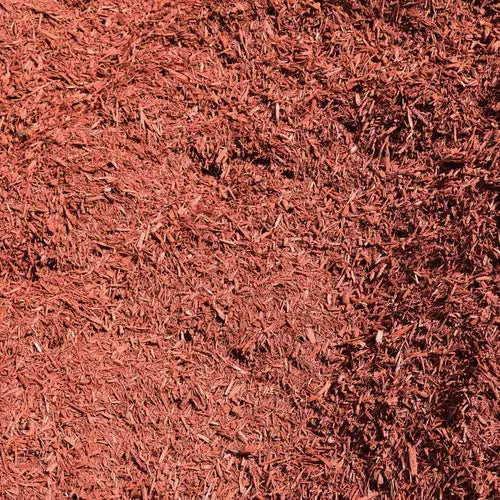
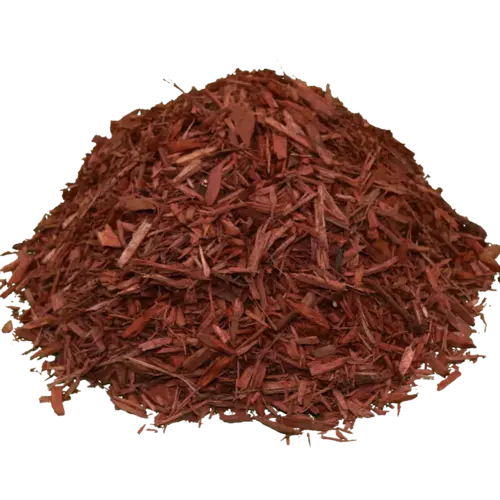
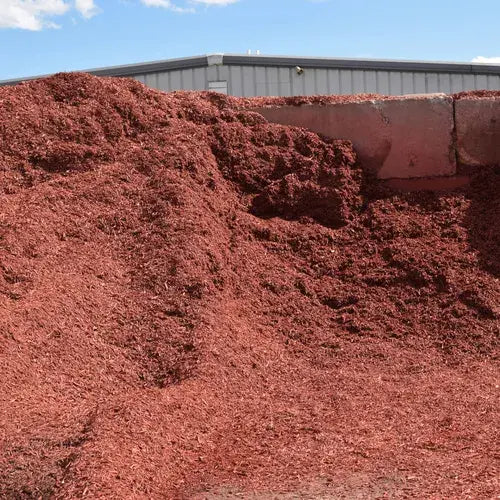
Vibrant and bold, this double shredded red mulch suits yards where homeowners want a strong visual statement. The vivid color complements the warm stone and stucco tones common in the area and holds its intensity through summer heat and seasonal rains.
Natural Brown Mulch
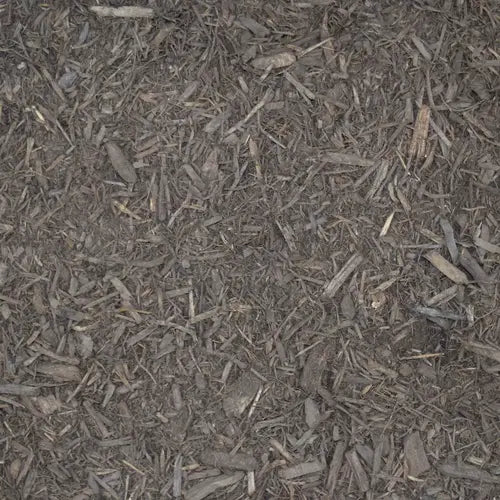
This double shredded natural brown mulch blends with the earthy tones found throughout Central Texas landscapes. It works well around native grasses and hardy shrubs, suits the clay soils common across the region, and gives a clean natural look without any added dye.
Cedar Mulch
The natural oils in cedar help deter insects from garden beds, a real benefit during the long warm season in Central Texas. This double shredded mulch holds its color through the year and works well along borders, foundation beds, and anywhere lasting coverage matters.
Complete Your Outdoor Mulch Project
Pair your mulch order with a quality bulk garden soil to build up your beds before mulching, which is especially important in Killeen where the native clay caliche rarely gives plants the loose, nutrient-rich root zone they need. Decorative stone from our inventory works beautifully along bed borders and walkways, giving your Killeen landscape a finished look that holds up even through the most punishing Central Texas summers.


Service area
Areas we deliver mulch in Killeen, Texas
Mulch Mound Pro Tip
Killeen's clay caliche forms a hard surface crust that repels water during dry spells. Before you spread mulch, break up that crust with a garden fork or hoe and work in a thin layer of compost if possible. This lets moisture from rain and irrigation actually penetrate the soil rather than sheeting off the hardpan. Mulch applied over a broken-up surface works far more effectively than mulch laid directly over tightly compacted clay.
Mulch Mound Pro Tip
Keep mulch pulled back two to three inches from the base of shrubs and tree trunks. In Killeen's warm, humid late summers, mulch piled against woody stems creates ideal conditions for fungal disease and pest harborage. Central Texas is home to a range of boring insects and fungal pathogens that love moist, dark environments, and a simple gap around the base of your plants eliminates that risk without sacrificing any of the moisture benefits across the rest of the bed.
Mulch Mound Pro Tip
Killeen receives about 33 inches of rain per year, but it rarely falls evenly. You might go six weeks without meaningful rain in midsummer, then receive four inches in a single week during spring storm season. A three-inch mulch layer acts as a buffer in both directions, slowing runoff during heavy downpours and reducing evaporation during long dry stretches. Timing a fresh mulch application before a forecast rain event is a smart strategy since the moisture helps the mulch settle and begin protecting your soil immediately.
The Unique Landscape of Killeen
Killeen sits on one of the most difficult soil profiles in Central Texas, where dense clay caliche layers prevent deep root growth and trap moisture in ways that cause crown rot during wet spells and crack bone dry during summer heat. Mulching your beds is not optional in this environment, it is the single most effective way to stabilize soil temperature swings that can shift dramatically between a January cold snap and a July afternoon. With only 33 inches of annual rainfall spread unevenly across the year, mulch helps every drop of moisture stay in the root zone rather than evaporating off the hardpan surface. Zone 8b summers push soil surface temperatures well above 100 degrees, which stresses shallow-rooted plants without the insulation a proper mulch layer provides. Mulch also introduces organic matter to Killeen soils over time, slowly working to break down the compacted caliche structure that frustrates gardeners season after season.