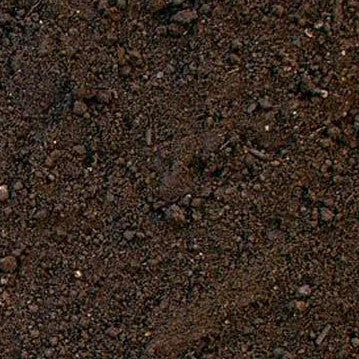
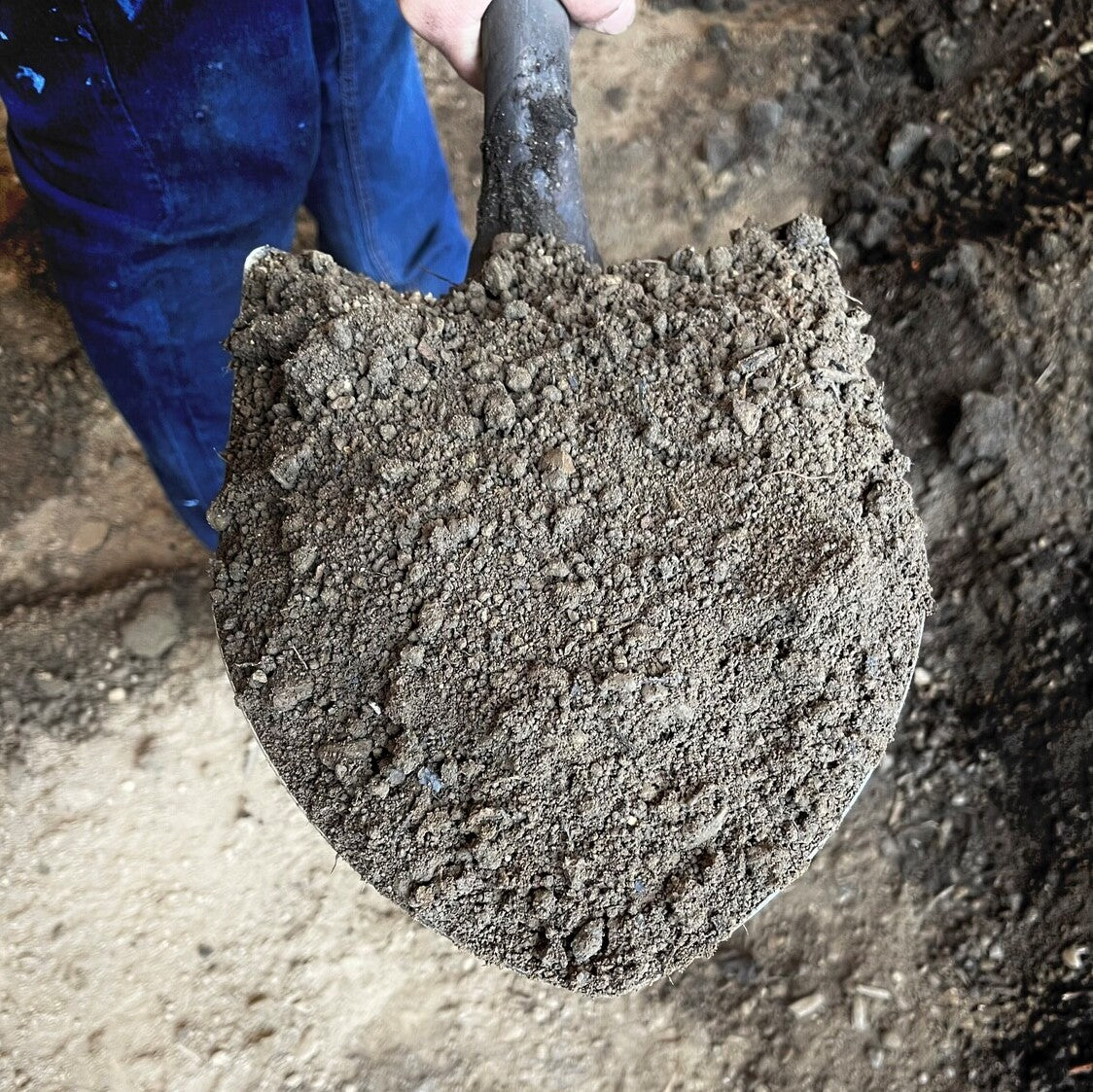
Sandy loam is exactly what it sounds like—a balanced mixture of sand, silt, and a little bit of clay. It will feel gritty and crumbly. Unlike the Garden Mix, it won't have chunks of wood, bark, or perlite in it. It's unscreened so it will be clumpy.
Great experience - not only was this the most affordable option for dirt delivery in Cleveland heights, but the delivery was fast and friendly. Got exactly what I needed and the truck got as close as possible to where I needed the dirt - even in my cramped driveway. Will be us...
Tell us what you're looking for
Thanks! We received your request.
Something went wrong. Please try again.
How Much Material Do I Need?
For topdressing a Killeen lawn, plan on one cubic yard per 300 square feet at a half-inch depth, applied in light passes so Bermuda or St. Augustine grass can push through. For new garden beds built over native clay caliche, budget for at least six inches of imported soil, which means roughly two cubic yards per 100 square feet of bed space.
Use our free soil calculator
What is a yard?
A yard is approximately 27 cubic feet. As a general guideline, one yard of material can cover an area of about 10 feet by 10 feet at a few inches deep.
We can't take orders for this right now. Tell us what you need and we'll get back to you.
What do you need?
Thanks! We received your request.
Something went wrong. Please try again.
Hand-picked local yards
4,000+ regional deliveries
Dedicated support
Why order through Mulch Mound
The best local soil, without the guesswork.
We hand-pick and partner with the best yards in your region, keep only the ones our buyers rate well, and back each load with our guarantee.
Mulch Mound Guarantee
If your soil isn't the quantity or quality you ordered, we'll make it right.
About this soil
Sandy loam is exactly what it sounds like—a balanced mixture of sand, silt, and a little bit of clay. It will feel gritty and crumbly. Unlike the Garden Mix, it won't have chunks of wood, bark, or perlite in it. It's unscreened so it will be clumpy.
Great experience - not only was this the most affordable option for dirt delivery in Cleveland heights, but the delivery was fast and friendly. Got exactly what I needed and the truck got as close as possible to where I needed the dirt - even in my cramped driveway. Will be us...
How Much Material Do I Need?
For topdressing a Killeen lawn, plan on one cubic yard per 300 square feet at a half-inch depth, applied in light passes so Bermuda or St. Augustine grass can push through. For new garden beds built over native clay caliche, budget for at least six inches of imported soil, which means roughly two cubic yards per 100 square feet of bed space.
Use our free soil calculator
What is a yard?
A yard is approximately 27 cubic feet. As a general guideline, one yard of material can cover an area of about 10 feet by 10 feet at a few inches deep.
Great experience - not only was this the most affordable option for dirt delivery in Cleveland heights, but the delivery was fast and friendly. Got...
Read full review
Great experience - not only was this the most affordable option for dirt delivery in Cleveland heights, but the delivery was fast and friendly. Got exactly what I needed and the truck got as close as possible to where I needed the dirt - even in my cramped driveway. Will be using again and recommending to my neighbors.
For garden beds, measure length and width in feet and multiply for square footage, then decide how deep you want your soil layer. Killeen's clay caliche does not contribute much usable root depth on its own, so most gardeners here add at least six inches of quality soil for ornamental beds and twelve inches for vegetable gardens. Our calculator converts those dimensions into cubic yards so you order exactly what you need without excess.
Soil Types We Deliver in Killeen
Killeen's native clay can make yard projects harder than they need to be, whether you are leveling a lawn, starting a raised bed, or improving drainage around a foundation. Mulch Mound delivers bulk soil by the yard in Killeen so you get exactly the amount you need, dropped right at your curb. Choose from screened topsoil, gardening blend, or sandy loam depending on what your project calls for.
Screened Top Soil
Our screened topsoil is a heavy, fine-textured soil that works well for leveling uneven yards, patching bare or sunken spots, and top-dressing before overseeding. The screened finish produces a smooth, consistent layer that blends naturally with the existing ground and holds its grade through the long Central Texas heat.
Gardening Blend
This fluffy, nutrient-dense mix is ideal for filling raised vegetable beds, large planters, or building new flower beds during the Central Texas growing season. It is loaded with organic matter that feeds plants from the start, though it will settle as that material breaks down, so plan to top it off each spring.
Sandy Loam
Sandy loam is a gritty, crumbly blend of sand, silt, and a small amount of clay that helps improve drainage in the compacted soils common around Central Texas homes. It arrives unscreened so expect some clumps, but it contains no bark or wood chunks and works well under sod or in areas that need better water movement.
Complete Your Outdoor Soil Project
After your soil is in place, finish your Killeen beds with a layer of mulch to hold moisture and buffer the intense summer heat that drives water out of even well-amended soil fast. Stone edging or gravel borders give your newly built beds a clean boundary and help prevent the clay caliche hardpan from slowly encroaching back into your improved growing areas over time.
Can I mix bulk soil directly into my Killeen yard to improve the clay caliche?
You can, but the ratio matters. Killeen's clay caliche is so dense that adding a thin layer of imported soil on top without tilling it in just creates a distinct layer boundary where water pools between the two materials. For meaningful improvement, till or spade the new soil at least six to eight inches deep and blend it with the existing clay. A 50-50 blend significantly improves drainage and loosens the root zone, which is what most plants in zone 8b Central Texas really need to establish successfully.
Answer
What is the best soil for raised beds in Killeen?
A loamy blend with good drainage and some incorporated organic matter works best in Killeen raised beds. Because you are building above the native clay caliche, you are not fighting the underlying soil structure, which is one of the main reasons raised beds are so popular with Killeen gardeners. Look for a mix that drains freely but does not dry out instantly, since Killeen's summer heat can pull moisture out of raised beds faster than in-ground plantings.
Answer
How much soil do I need to level a bumpy Killeen lawn?
Most lawn leveling jobs in Killeen use a quarter to half inch of topdressing soil per pass, applied across low spots and then watered in. For an average Killeen residential yard of around 5,000 square feet, a single cubic yard covers roughly 300 to 400 square feet at a half-inch depth. Multiple light applications spread a few weeks apart work better than one heavy dump, which can smother grass during Killeen's long warm growing season.
Answer
When is the best time to add soil to a Killeen yard?
Late February through April is ideal for most Killeen soil projects. The ground softens after winter and you still have time to plant and establish before the brutal midsummer heat sets in. Our last frost around March 15 means you can start planting warm-season crops and transplants shortly after, so getting your soil work done in late February or early March sets you up for a strong and productive growing season.
Answer
Will good topsoil fix the drainage problems caused by our clay caliche in Killeen?
Quality topsoil improves drainage when it is worked into the existing clay, but it is not a permanent fix on its own if the caliche layer underneath is thick. In Killeen, some properties have caliche within six to eight inches of the surface, which acts like a hard pan that blocks downward water movement. In those cases, raised beds or strategic berming with imported soil often work better than trying to amend the native ground one season at a time.
Answer
How deep should I add soil for a new vegetable garden in Killeen?
Most vegetable crops do their best work with 10 to 12 inches of loose, workable soil. In Killeen, where the native clay caliche starts tight from the surface, the easiest way to achieve that depth without fighting through hardpan is to build up rather than dig down. A raised bed frame filled with quality bulk soil gives you that depth immediately, and it warms up faster in early spring, which is a real advantage for getting an early start in zone 8b before the heat arrives.
Answer
Is bulk soil the same as the bagged garden soil you buy at a hardware store?
Bulk soil is generally a better value and often a better product for Killeen-scale projects. Bagged garden soil tends to be heavily amended with peat or wood fines that break down quickly in Central Texas heat, sometimes leaving you with a compacted mass within one season. Bulk soil delivered to your driveway lets you use the right volume for your actual project without paying the packaging markup, and for anything larger than a couple of planter boxes, bulk delivery makes both practical and financial sense.
Mulch Mound Pro Tip
Before your bulk soil delivery arrives, wet down your Killeen clay caliche thoroughly and let it sit overnight. Dry caliche is almost impossible to till and will fight you at every inch when you try to blend in new soil. A thoroughly moistened base is far easier to work with, and it eliminates the hard boundary layer between your new soil and the native clay, which is critical for healthy root development once plants get established.
Mulch Mound Pro Tip
If you are using bulk soil to level your Killeen lawn, apply it in thin passes of a quarter to half inch at a time rather than one thick application. Killeen's warm-season grasses like Bermuda and St. Augustine push through thin topdressing naturally, but a thick layer applied all at once can smother turf and leave dead patches that take the rest of the growing season to recover. Patience with light repeated applications produces a much cleaner and more consistent result.
Mulch Mound Pro Tip
Killeen's alkaline caliche can gradually raise the pH of even good imported soil over time as clay particles mix upward into your beds. If you are growing acid-preferring plants like blueberries or azaleas, consider adding a sulfur-based soil acidifier at planting time and monitoring pH annually. Most neutral soil imports will drift alkaline within a season or two in this area without ongoing amendment, so building that habit early saves significant frustration later.
The Unique Landscape of Killeen
Killeen's native soil is largely clay caliche, a compacted, alkaline mix that sheds water, compacts under foot traffic, and offers very little organic nutrition to plants and grass. Whether you are building new garden beds, leveling a patchy lawn, or filling a raised planter, bringing in quality bulk soil is the most direct way to give your plants the root environment they actually need. With a last frost around March 15 and a long growing season stretching into November, Killeen gardeners have plenty of time to work the soil and see real results, but only if the underlying growing medium supports root development and drainage. Zone 8b summers are brutal on plants struggling in tight caliche clay, and improving the soil before planting prevents the expensive cycle of replacing stressed shrubs and annuals season after season. Bulk soil delivery lets you control exactly what goes into your beds and lawn, replacing guesswork with a consistent growing medium that drains properly and holds the nutrients your plants need to thrive in Central Texas.