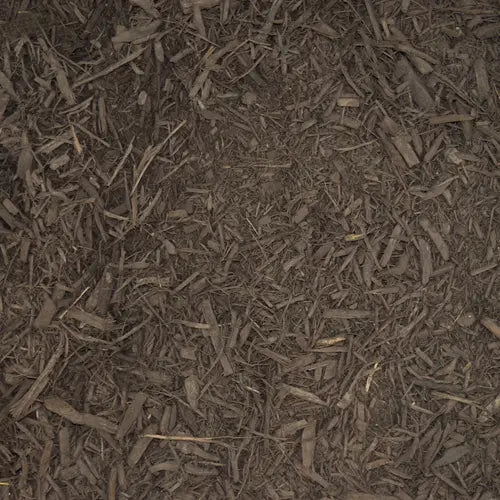
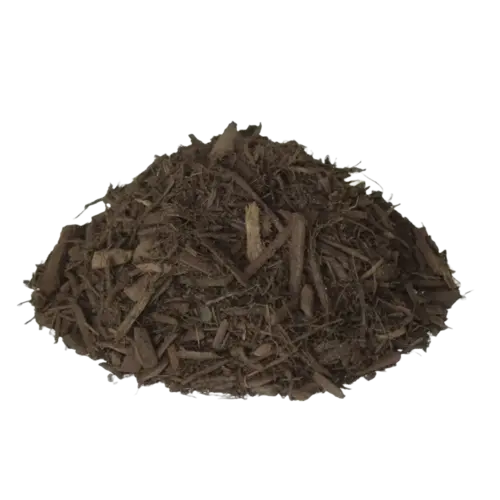
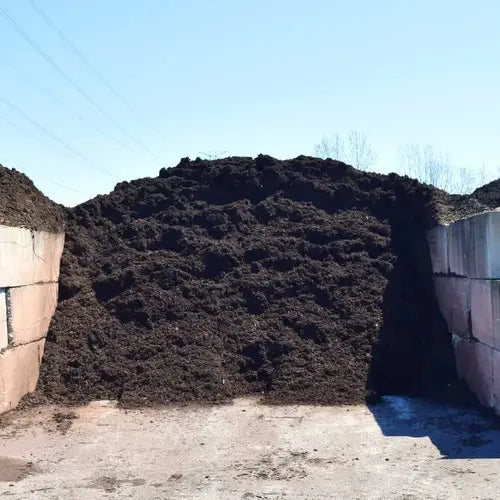
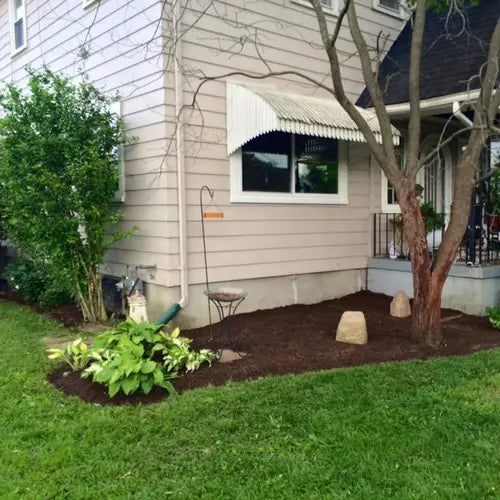
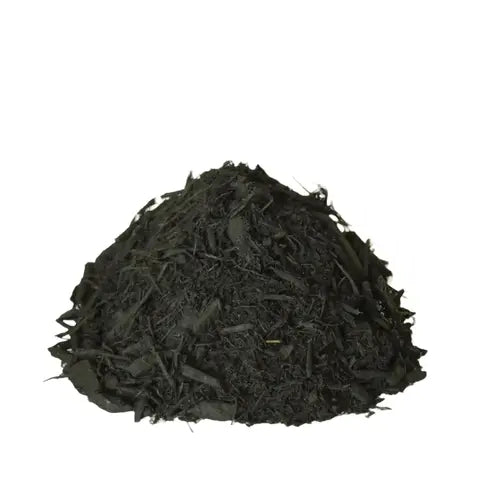
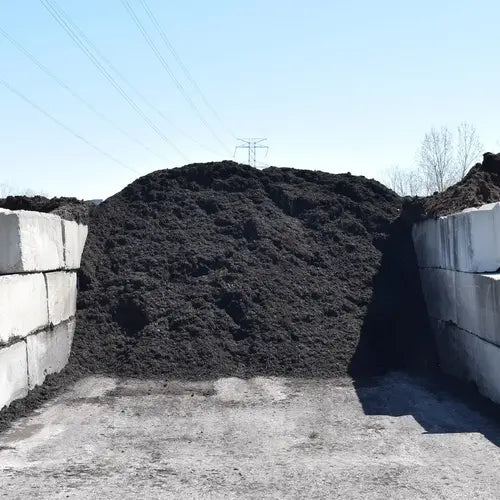
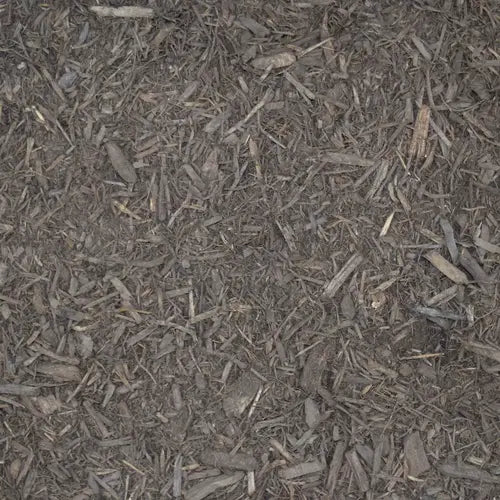
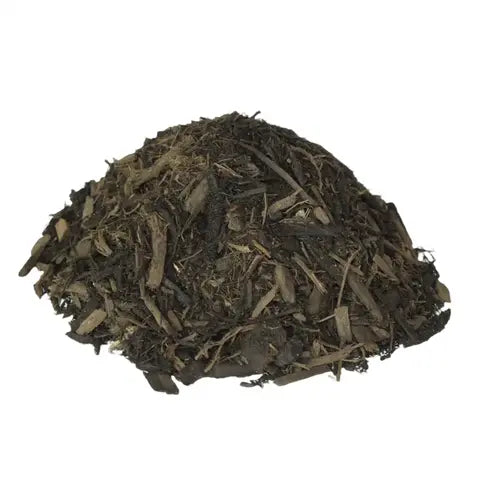
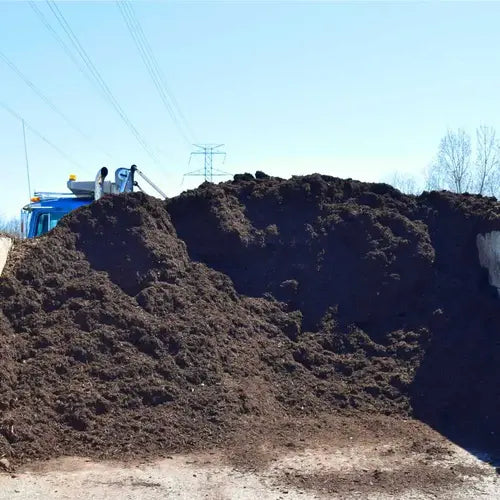
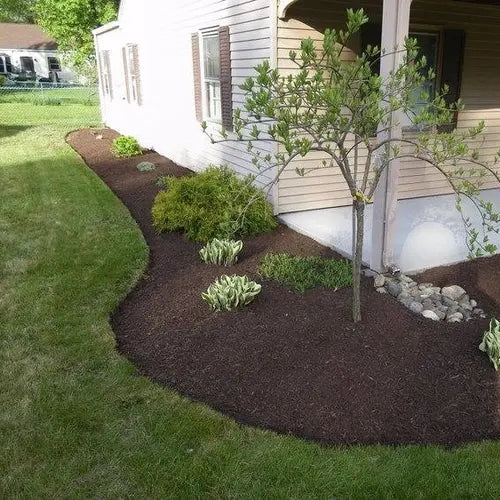
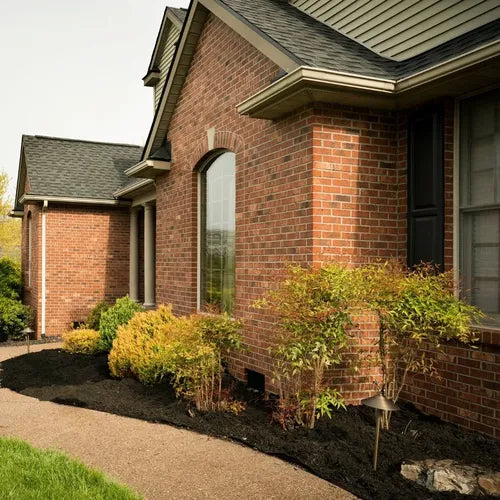
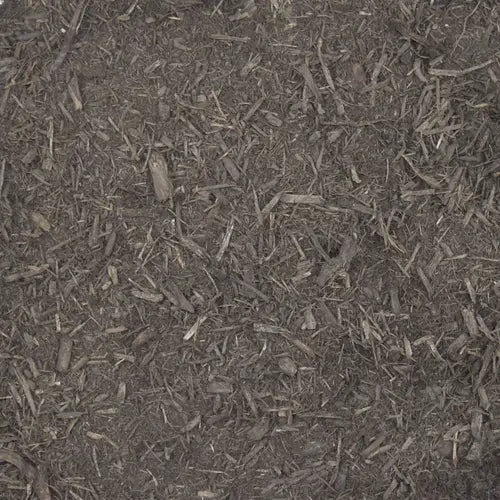
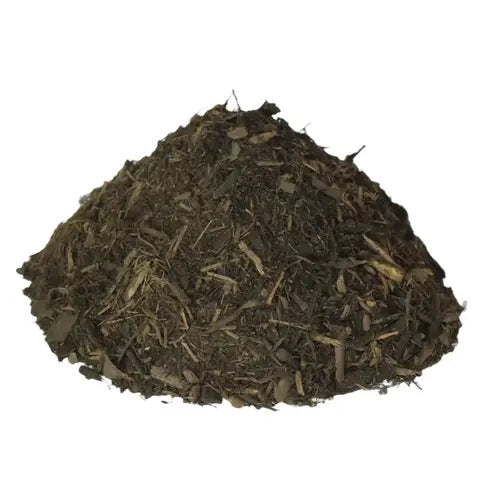
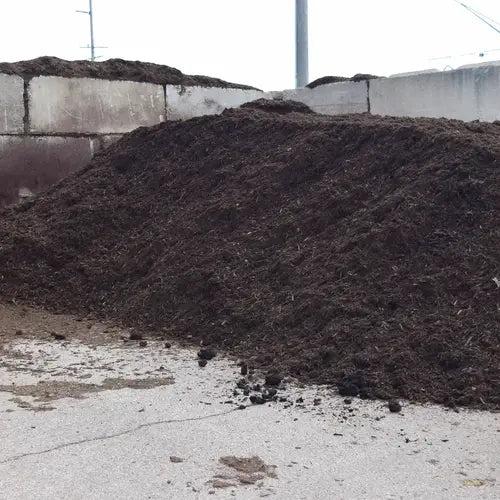
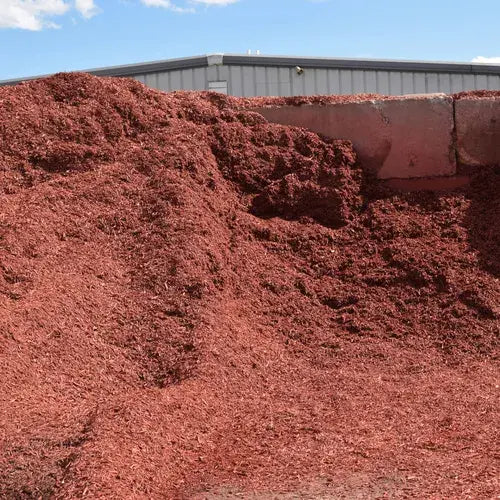
Warm brown double shredded mulch with lasting color that looks freshly applied for weeks. Spreads smooth, stays put, and gives beds a natural, polished appearance.
Great experience with mulch mound. Their online calculator made it easy to estimate how many yards of mulch I needed and delivery was quick. I would definitely recommend them for your future projects.
Tell us what you're looking for
Thanks! We received your request.
Something went wrong. Please try again.
How Much Material Do I Need?
For most Kokomo planting beds, 2 to 3 inches of mulch is the right target, with the lower end appropriate for dense shade beds that already stay moist. The silty clay loam soil common throughout Howard County retains water naturally, so deeper mulch layers are rarely necessary and can cause more problems than they solve.
Use our free mulch calculator
What is a yard?
A yard is approximately 27 cubic feet. As a general guideline, one yard of material can cover an area of about 100-160 square feet at a 2-3 inch depth.
We can't take orders for this right now. Tell us what you need and we'll get back to you.
What do you need?
Thanks! We received your request.
Something went wrong. Please try again.
Hand-picked local yards
4,000+ regional deliveries
Dedicated support
Why order through Mulch Mound
The best local mulch, without the guesswork.
We hand-pick and partner with the best yards in your region, keep only the ones our buyers rate well, and back each load with our guarantee.
Mulch Mound Guarantee
If your mulch isn't the quantity or quality you ordered, we'll make it right.
About this mulch
Warm brown double shredded mulch with lasting color that looks freshly applied for weeks. Spreads smooth, stays put, and gives beds a natural, polished appearance.
Great experience with mulch mound. Their online calculator made it easy to estimate how many yards of mulch I needed and delivery was quick. I would definitely recommend them for your future projects.
How Much Material Do I Need?
For most Kokomo planting beds, 2 to 3 inches of mulch is the right target, with the lower end appropriate for dense shade beds that already stay moist. The silty clay loam soil common throughout Howard County retains water naturally, so deeper mulch layers are rarely necessary and can cause more problems than they solve.
Use our free mulch calculator
What is a yard?
A yard is approximately 27 cubic feet. As a general guideline, one yard of material can cover an area of about 100-160 square feet at a 2-3 inch depth.
Great experience with mulch mound. Their online calculator made it easy to estimate how many yards of mulch I needed and delivery was quick. I woul...
Read full review
Great experience with mulch mound. Their online calculator made it easy to estimate how many yards of mulch I needed and delivery was quick. I would definitely recommend them for your future projects.
We needed mulch for our HOA common areas. Local providers were all holding high prices even for 40 yards of mulch. Mulch mound was easy to wowith...
Read full review
We needed mulch for our HOA common areas. Local providers were all holding high prices even for 40 yards of mulch. Mulch mound was easy to wowith & has great price for natural mulch + delivery schedule options. They called before delivery to ensure Delivery was exactly where we wanted it.
Delivery was on time and great quality Mulch. Got it done in a reasonable time and yard looks great. Couldn’t be happier!!! Thank you and will us...
Read full review
Delivery was on time and great quality Mulch. Got it done in a reasonable time and yard looks great. Couldn’t be happier!!! Thank you and will use again!!
Measure the length and width of each bed in feet and multiply to get square footage, then divide by 100 to estimate how many cubic yards you need at a 3-inch depth. Kokomo's silty clay loam does not drain as freely as lighter soils, so sticking to 3 inches rather than 4 helps avoid moisture buildup that can promote root rot. Add up all your bed areas before ordering so you can cover everything in one delivery.
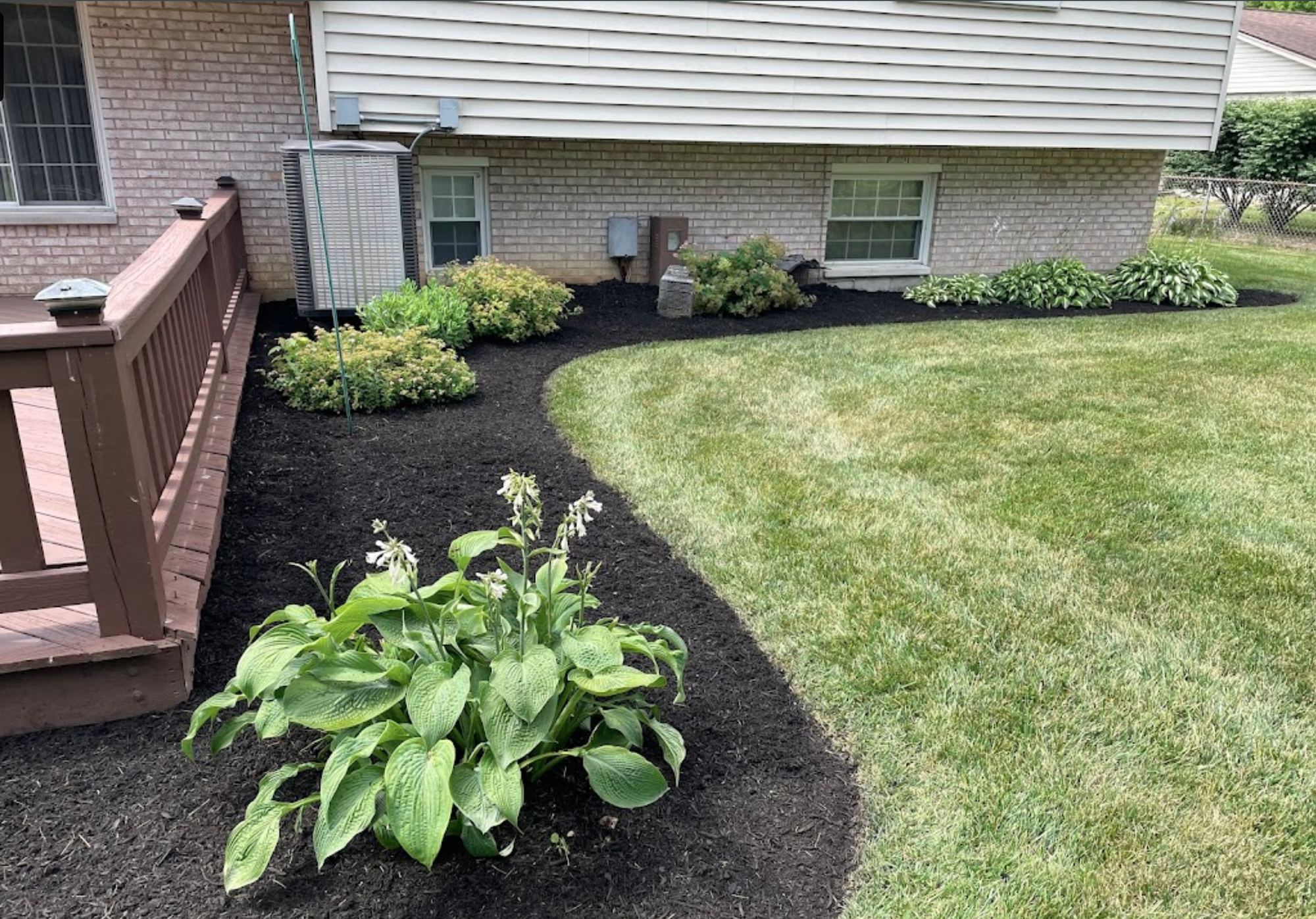
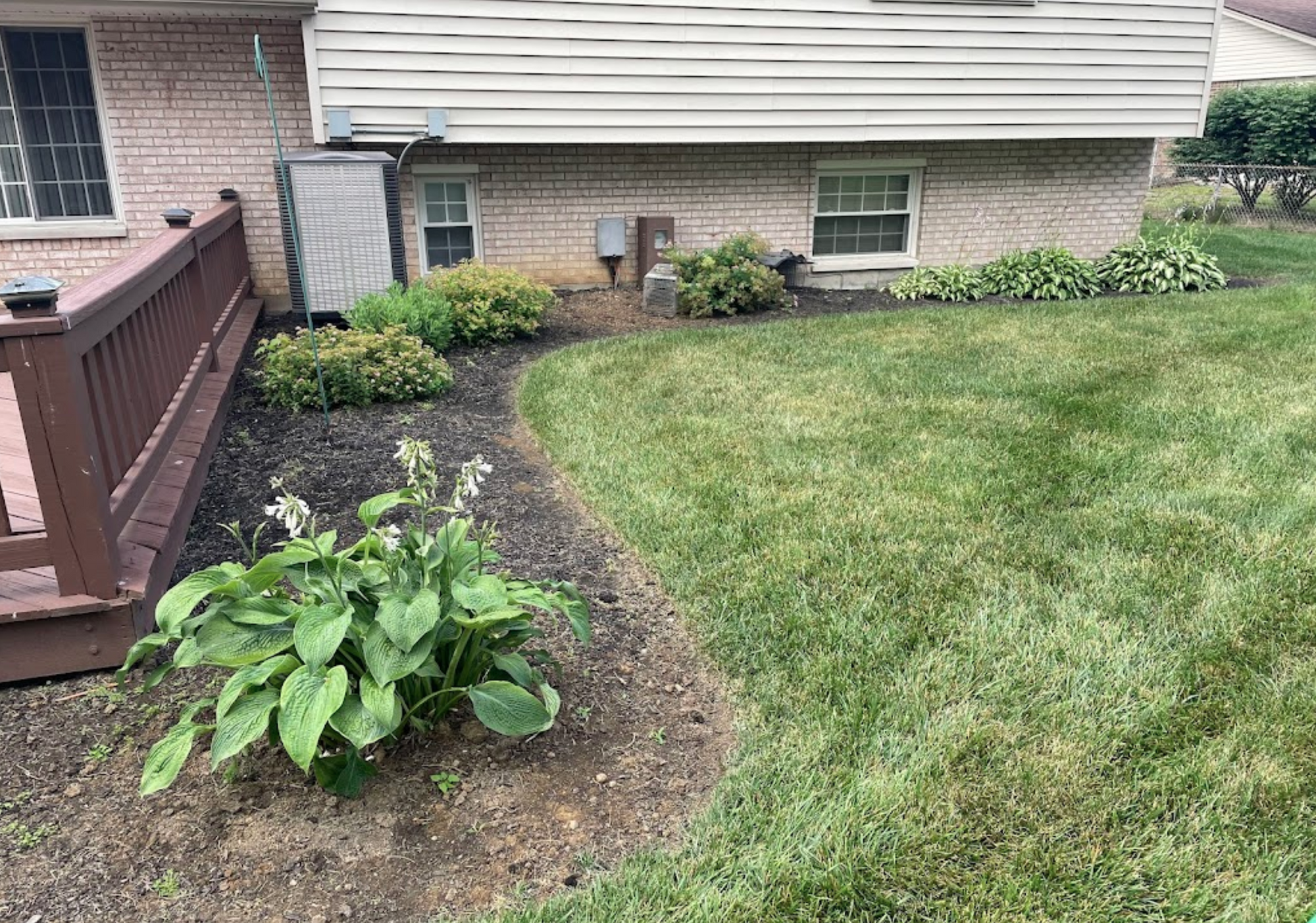
Mulch vs. No Mulch: The Difference
Kokomo sits in a climate where warm, humid summers accelerate organic matter breakdown, which means natural hardwood mulch decomposes faster here than in cooler or drier regions. That decomposition is a genuine trade-off: it feeds the soil and gradually improves the clay-heavy texture over time, but it also means you will top off beds more frequently than homeowners in colder zones. Dyed mulches use colorized wood that breaks down at a similar rate but holds its visual appeal longer, making them a practical choice if curb appeal is the primary goal.
Before
After
Best Mulch Choice for Kokomo Lawns
Most yards in the Kokomo area sit on Silty Clay Loam type of soil. Kokomo's silty clay loam tends to compact in garden beds, especially in areas with regular foot traffic or heavy rain, which restricts root growth and limits the air exchange that plant roots need. A consistent mulch layer protects the soil surface and reduces compaction over the course of the growing season.
Hardwood Mulch
Shredded hardwood mulch breaks down into organic matter that directly improves silty clay loam by increasing its porosity and encouraging microbial activity near the root zone. Over several seasons of consistent application, Kokomo gardeners typically notice better drainage, easier digging, and healthier root systems in their mulched beds.
Mulch Types We Deliver in Kokomo
Mulch Mound offers bulk mulch delivery in Kokomo by the cubic yard, bringing the right material straight to your door for any yard or landscaping project. From refreshing flower beds before Indiana's growing season to covering a large landscape job, we make ordering simple. Choose from the varieties below and get exactly what your project needs.
Dyed Black Mulch
A bold choice for Kokomo homeowners who want garden beds to stand out against green lawns or light brick. Available in double shredded or triple shredded, the rich black color holds through Indiana's humid summers and spreads with a clean, smooth finish.
Dyed Brown Mulch
Warm brown mulch that blends naturally with the earthy tones common in Kokomo yards and classic Indiana landscaping. Choose double shredded for a traditional look or triple shredded for a finer, more uniform texture that stays in place through the growing season.
Natural Brown Mulch
An undyed option delivering genuine warm wood tones straight from the source. Available in double shredded or triple shredded, it suits naturalistic beds and cottage gardens, breaks down over time to enrich the soil, and performs well in both sun and shade.
Dyed Red Mulch
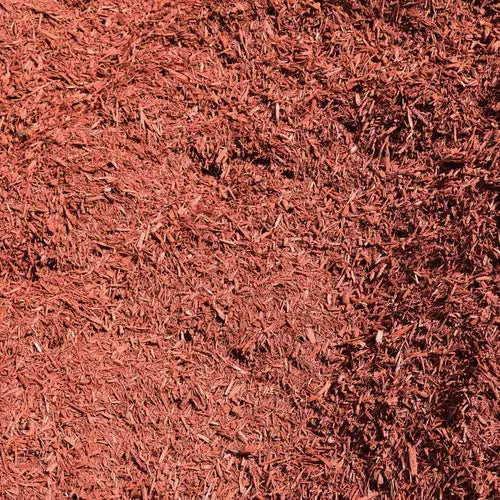
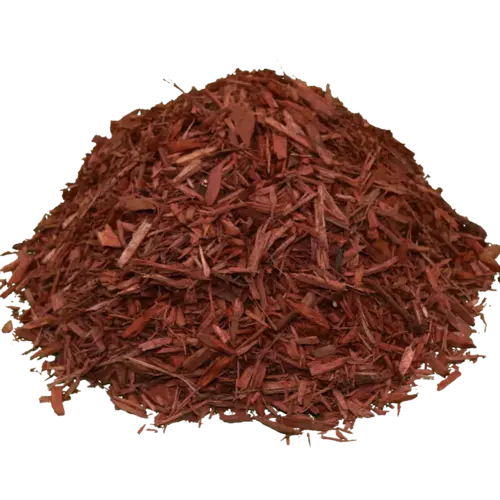
Triple shredded red mulch that adds bold, lasting color to entry plantings and front beds across Kokomo. The fine texture locks together to resist washout during Indiana spring rains, keeping coverage in place for a strong, consistent appearance all season.
Complete Your Outdoor Mulch Project
If you are refreshing mulch and also want to improve drainage or build up low spots in your yard, our bulk topsoil and gravel options complement mulch projects well for Kokomo properties. Pairing mulch beds with stone edging or gravel borders gives your landscape a clean, finished look that holds up through Indiana's wet spring weather.
Kokomo's freeze-thaw cycles in late winter can heave perennial crowns out of the ground, especially in silty clay loam that holds moisture close to the surface. Keeping a 3-inch mulch layer in place through February and March helps moderate soil temperature swings and reduces frost heaving. Pull it back gently from crowns in late March so the soil can warm naturally before your April planting season begins.
Mulch Mound Pro Tip
Avoid piling mulch directly against tree trunks or shrub stems, a practice sometimes called volcano mulching. In Kokomo's humid summers, this traps moisture against bark and creates ideal conditions for fungal disease and insect damage. Keep mulch at least 3 inches away from any woody stem and spread it out toward the drip line of the plant instead for much better results.
Mulch Mound Pro Tip
With 40 inches of rain falling across the Kokomo area each year, mulch plays a critical role in preventing soil erosion and nutrient runoff from planting beds. A consistent 3-inch layer absorbs the impact of heavy rain events, keeping your silty clay loam from compacting and forming a surface crust that sheds water rather than absorbing it. Refreshing your mulch each spring ensures this protective layer stays effective throughout Indiana's wet season.
Frequently Asked Questions
Click a question to see the answer
Answer
How thick should I apply mulch in Kokomo given all the rain we get?
With Kokomo averaging 40 inches of rain per year, a 3-inch layer is usually the sweet spot for most planting beds. Going thicker than 4 inches can trap too much moisture against plant crowns and slow soil warming in spring, which matters in Zone 6a where the last frost does not typically arrive until around April 15. Two to three inches suppresses weeds, insulates roots, and lets rain pass through without pooling.
Answer
Does Kokomo's clay-heavy soil mean I should use a different type of mulch?
Kokomo's silty clay loam already drains more slowly than sandier soils, so fine-textured mulches that pack tightly are worth avoiding. Shredded hardwood or wood chip mulch leaves enough air gaps at the surface to let water move into the ground without sheeting off the top of the bed. Natural mulches also break down and add organic matter over time, which loosens the clay component of the soil gradually.
Answer
When is the best time to mulch my flower beds in Kokomo?
Late April through mid-May is the ideal window in Kokomo. You want to wait until after the average last frost around April 15 so the soil has a chance to warm up before you insulate it. Applying too early in a cold spring can delay warming and slow plant establishment. A second light top-off in early October, before the first frost around October 18, helps protect perennial roots through the winter.
Answer
Will colored mulch fade quickly in Indiana's sun and rain?
Dyed mulches do fade in Kokomo's climate, especially through the summer when UV exposure is highest. The 40 inches of annual rain also accelerate fading compared to drier climates. Premium colorized mulches use fade-resistant pigments that hold color for a full growing season, but natural hardwood mulch that weathers to a silver-gray is a lower-maintenance option if color upkeep is not a priority.
Answer
How often do I need to reapply mulch in a typical Kokomo yard?
Most Kokomo homeowners top off beds once a year, typically in spring after cleanup. Natural hardwood mulches break down within 12 to 18 months in Howard County's combination of warm summers and wet springs, which is actually good for the soil but means the layer thins out. Adding an inch or two each spring keeps coverage consistent without building up an excessively thick layer.
Answer
Is mulch going to wash away when we get heavy rainstorms?
Flat beds hold mulch well even in heavy Indiana downpours. Sloped areas can see some displacement during intense storms. For beds on a grade around your Kokomo home, shredded hardwood mulch with its interlocking fibers holds in place much better than larger wood chips or smooth nuggets. Keeping mulch a few inches back from downspout discharge points also reduces washing.
Answer
Can I use mulch to protect my plants through a Kokomo winter?
Yes, and timing matters in Zone 6a. Applying a 3 to 4-inch layer around perennials and shrubs in mid-October, before the typical first frost around October 18, gives roots insulation through the freeze-thaw cycles that are common in central Indiana winters. Pull the mulch back slightly from plant crowns in early spring so it does not trap cold moisture against stems as temperatures start to rise.
The Unique Landscape of Kokomo
Kokomo's native silty clay loam holds moisture well but compacts easily under foot traffic and the freeze-thaw cycles that hit the area each winter. A good mulch layer acts as a buffer, keeping soil temperatures stable through the dramatic swings from October frosts to April thaws that Zone 6a gardeners know well. Without mulch, bare soil in Kokomo beds tends to crust over after heavy rains, making it harder for roots to breathe and water to penetrate. With 40 inches of annual rainfall spread unevenly across the growing season, mulch also helps regulate moisture so plants are not alternately drowning and drying out. Weed pressure in Howard County is significant, and a consistent 3-inch mulch layer cuts down on the labor of hand-pulling through the growing season. Keeping beds mulched also gives Kokomo landscapes a polished look that holds up through Indiana's unpredictable spring and fall weather.