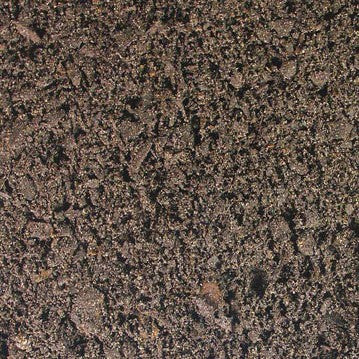
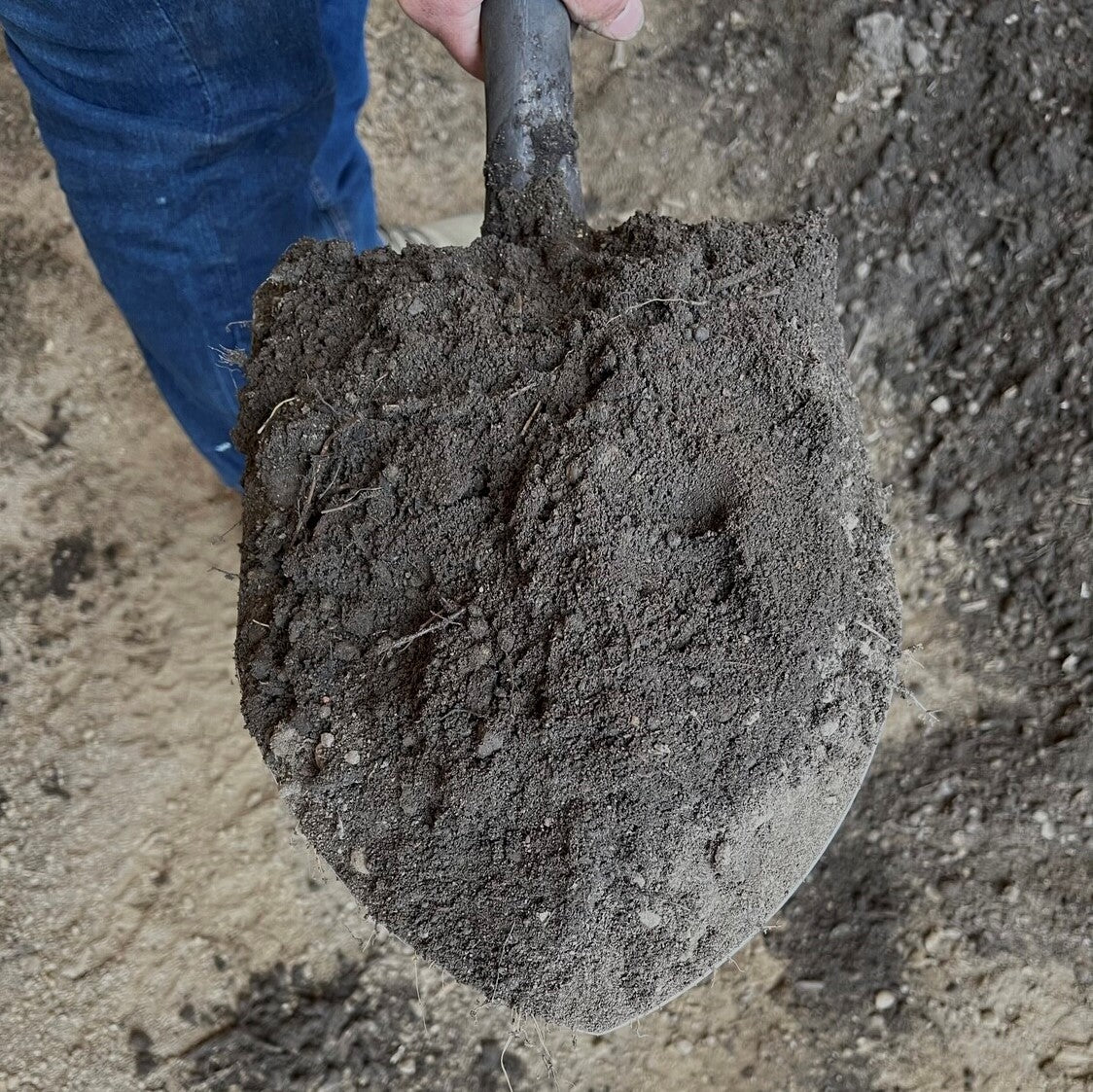
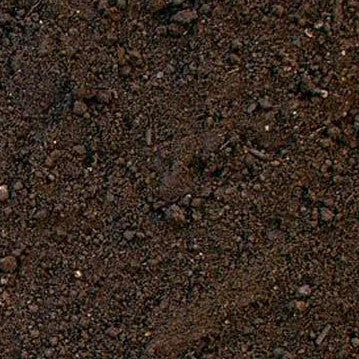
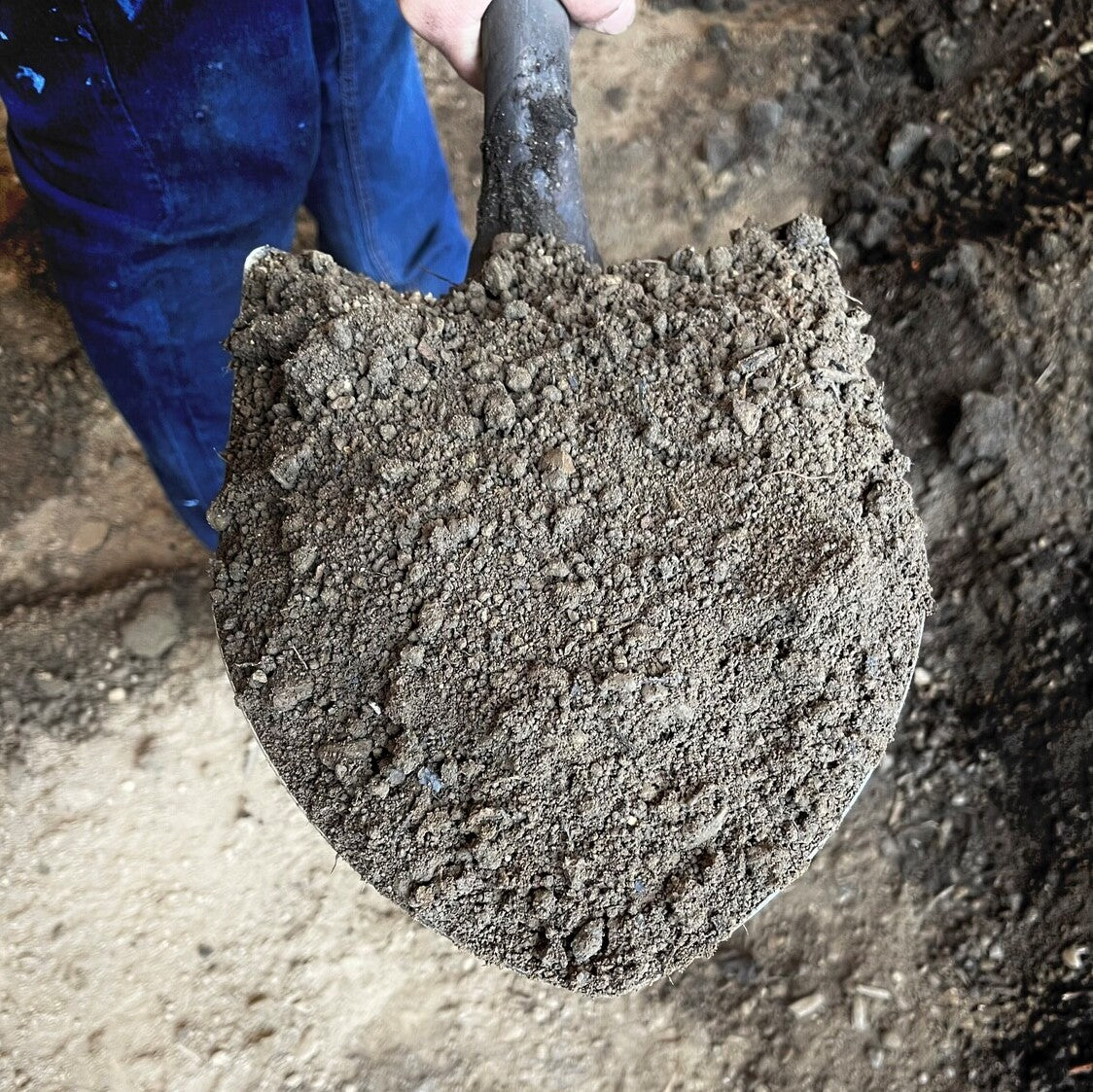
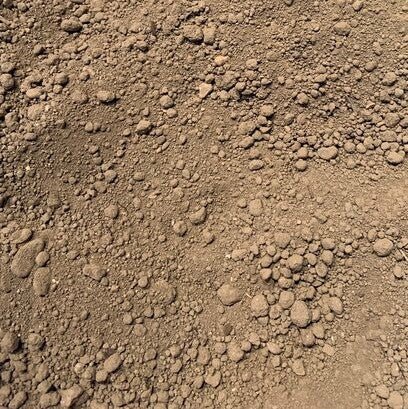
A balanced mix of topsoil and organic amendments ready for raised beds, flower gardens, and new planting areas. Good drainage, solid nutrients, easy to work with.
I got 3 yards of dirt to create a garden bed on the side of my house and to help fill my new raised garden beds. We had enough dirt to do all of this and fill some holes in the yard! Thanks 😃
A balanced mix of topsoil and organic amendments ready for raised beds, flower gardens, and new planting areas. Good drainage, solid nutrients, easy to work with.
I got 3 yards of dirt to create a garden bed on the side of my house and to help fill my new raised garden beds. We had enough dirt to do all of this and fill some holes in the yard! Thanks 😃
How Much Material Do I Need?
For new garden beds installed over Kokomo's silty clay loam, plan on 8 to 12 inches of quality topsoil to give roots room to grow before reaching the heavier native soil below. Lawn leveling projects typically need 2 to 4 inches over problem areas, applied in layers and tamped down between passes for a stable, even surface.
Use our free soil calculator
What is a yard?
A yard is approximately 27 cubic feet. As a general guideline, one yard of material can cover an area of about 100-160 square feet at a 2-3 inch depth.
I got 3 yards of dirt to create a garden bed on the side of my house and to help fill my new raised garden beds. We had enough dirt to do all of th...
Read full review
I got 3 yards of dirt to create a garden bed on the side of my house and to help fill my new raised garden beds. We had enough dirt to do all of this and fill some holes in the yard! Thanks 😃
Placing an order online was so easy. Delivery was on time. When the driver realized we had a newly poured driveway they erred on the side of cautio...
Read full review
Placing an order online was so easy. Delivery was on time. When the driver realized we had a newly poured driveway they erred on the side of caution and opted not ti drive in it. The company even sent me a message explaining that call. Would recommend!
Measure your project area in feet and multiply length by width, then decide on your target depth in inches and divide by 12 to convert to feet. Multiply those three numbers together to get cubic feet, then divide by 27 to get cubic yards. For lawn leveling in Kokomo, where grades are often subtle, a 2 to 4-inch average fill depth is a good starting estimate for most low-spot corrections.
Complete Your Outdoor Soil Project
Pairing bulk topsoil with a mulch layer on top is the most effective combination for Kokomo planting beds, since mulch protects the new soil from compaction and moisture loss through the full growing season. If you are improving drainage in low areas, consider adding a gravel base layer before topsoil to give water a faster path out of the problem zone.
Can I use bulk topsoil to fix the low spots in my Kokomo yard that flood after every rain?
Yes, bulk topsoil is one of the most practical ways to correct drainage problems caused by low spots and uneven grades in Kokomo yards. The flat terrain throughout much of Howard County means water has nowhere to go once it pools, and raising those areas with quality fill soil redirects runoff toward proper drainage paths. Tamp each layer lightly as you go and seed or sod over the top when you are done for a lasting fix.
Answer
What is wrong with just using the native soil from my yard for new garden beds?
Kokomo's native silty clay loam is heavy and drains slowly, which makes it difficult for vegetable roots and many ornamental plants to thrive. It also compacts readily, especially if you work it when it is wet, creating a dense layer that roots struggle to penetrate. Imported topsoil or a blend of topsoil and compost gives you a loose, well-drained growing medium that works with your plants rather than against them.
Answer
How deep should I fill a new raised garden bed with topsoil?
For vegetable gardens in Kokomo, aim for at least 12 inches of quality topsoil in a raised bed so roots have plenty of room to develop before hitting any compacted native soil below. Perennial flower beds can do well with 8 to 10 inches. Given the silty clay loam native to Howard County, a blend of topsoil and compost in the bed will give you better drainage and nutrition than topsoil alone.
Answer
When is the best time to bring in topsoil for lawn leveling in Kokomo?
Early fall, from mid-September through early October, is the best window for lawn leveling in Kokomo. Spreading topsoil and overseeding right after gives cool-season grasses time to establish before the first frost around October 18. Spring work is also possible after the last frost around April 15, but spring in Kokomo is often wet, which can make working soil and achieving a smooth grade more difficult.
Answer
How much topsoil do I need to establish a new garden area in my Kokomo backyard?
A 6-inch-deep bed over 100 square feet requires roughly 2 cubic yards of topsoil. If you are building above the native silty clay loam and want the bed to drain freely, go a bit deeper, up to 8 or 10 inches, so root systems do not hit the slow-draining native soil too quickly. Our calculator on the product page can help you estimate based on your actual bed dimensions.
Answer
Is bulk topsoil good for overseeding bare patches in my Kokomo lawn?
A light topdressing of topsoil over bare or thin areas in your Kokomo lawn creates an ideal seed bed and fills minor low spots at the same time. Spread no more than a half inch over existing grass so you do not smother it. After Kokomo's last typical frost around April 15, spring topdressing with a quality topsoil followed by overseeding can have thin areas filled in within a few weeks of warm weather.
Answer
Will topsoil help with the hard, crusty soil I always get in my flower beds by midsummer?
Absolutely. Kokomo's silty clay loam develops a surface crust during dry summer stretches, which makes it hard for water to penetrate and roots to breathe. Tilling a few inches of quality topsoil or compost-rich topsoil into your existing beds breaks up that crust and improves the soil structure over time. Combined with a mulch layer on top, it dramatically reduces the crusting and compaction that frustrate so many Kokomo gardeners.
Mulch Mound Pro Tip
When spreading topsoil in Kokomo during spring, pay close attention to moisture levels before you start working. Silty clay loam-based soils become sticky and compaction-prone when wet, and imported topsoil can behave similarly if overworked in wet conditions. Wait until the soil crumbles rather than smears when squeezed in your hand, then spread and grade your material for a result that does not compact into a dense layer once it dries.
Mulch Mound Pro Tip
For raised vegetable beds in Kokomo, mix bulk topsoil with compost at roughly a two-to-one ratio by volume. This gives you the mass and moisture retention of topsoil along with the drainage and nutrient benefits of compost, which matters in Zone 6a where you want beds to warm quickly after the April 15 last frost and drain freely through the region's wetter spring months.
Mulch Mound Pro Tip
When using topsoil to level low areas in a Kokomo lawn, build up in layers of 2 inches or less and water each layer lightly before adding the next. This technique prevents air pockets and helps the new soil settle evenly, which is important before overseeding. Trying to fill a deep low spot in one pass often leads to uneven settling that puts you right back where you started by the following spring.
The Unique Landscape of Kokomo
Kokomo's native silty clay loam is naturally fertile but presents real challenges for landscaping and gardening projects throughout Howard County. It compacts under foot traffic and heavy equipment, drains slowly after rain events, and can become sticky and unworkable during the wet springs that are typical of central Indiana. For raised beds, grading projects, and lawn repairs, imported topsoil gives you a workable growing medium that you control from the start. The flat to gently rolling terrain around Kokomo also creates low spots in many yards where water collects after the area's 40 inches of annual rain, and fresh soil lets you correct those drainage issues properly. Whether you are establishing a new garden, leveling a lawn after winter damage, or building raised beds to work around the heavy native soil, quality bulk topsoil is the foundation that everything else grows from.
