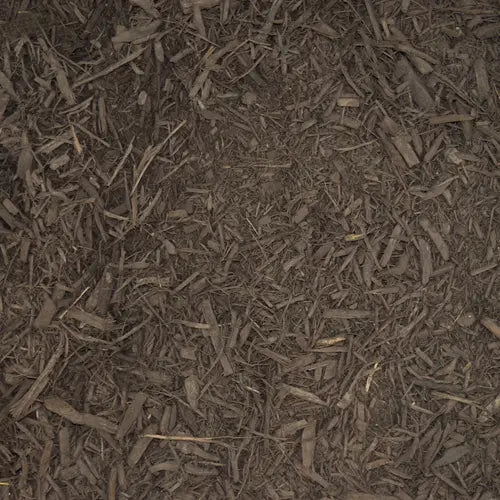
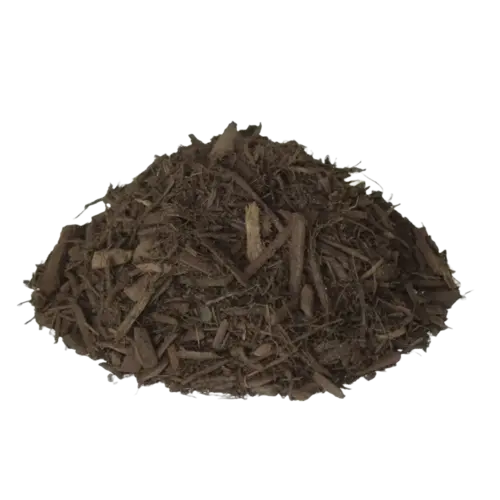
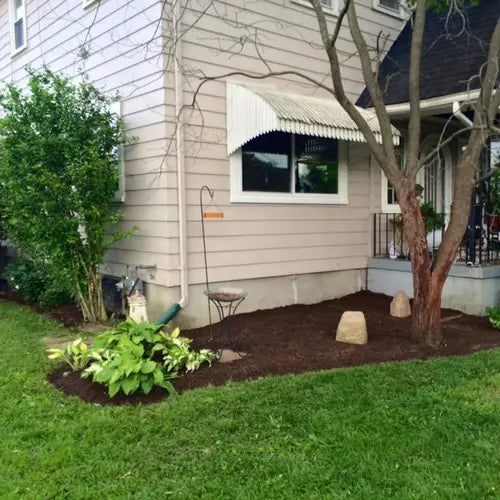
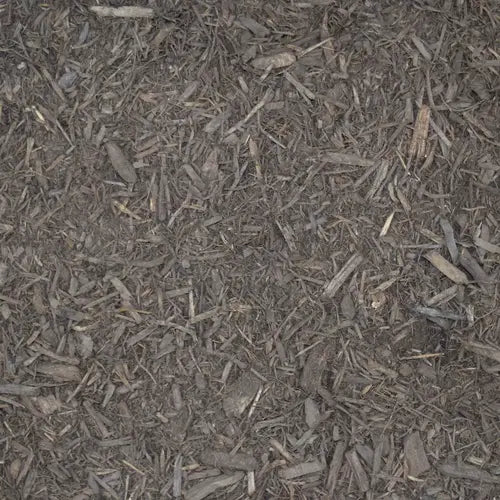
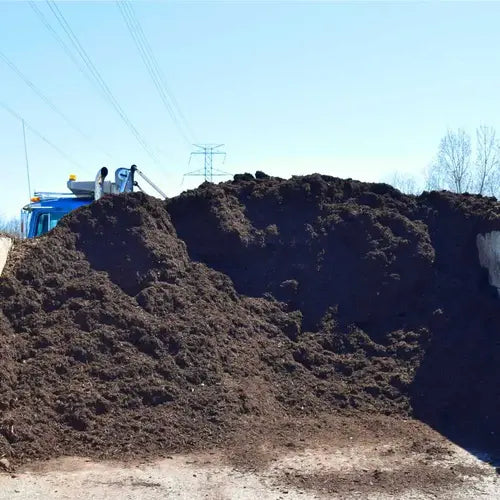
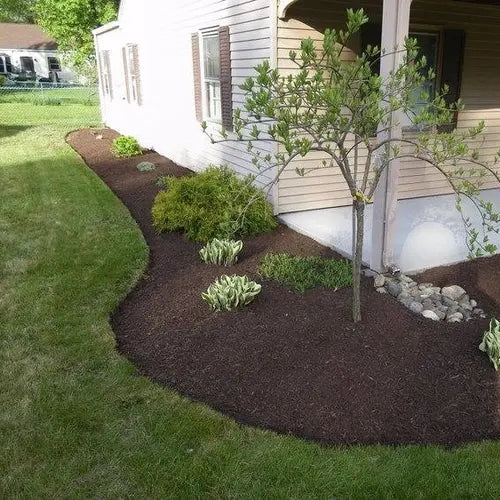
Warm brown double shredded mulch with lasting color that looks freshly applied for weeks. Spreads smooth, stays put, and gives beds a natural, polished appearance.
Good quality, great price, fast delivery. All online - no submitting forms and waiting for days for quotes. Getting mulch should be this easy from everyone. Only Mulch Mound is ACTUALLY this simple.
Tell us what you're looking for
Thanks! We received your request.
Something went wrong. Please try again.
How Much Material Do I Need?
For Laconia's sandy loam, apply mulch at a depth of 2 to 3 inches across garden beds and tree rings to provide meaningful moisture retention between rain events. If your beds are on a slope or in a high-traffic area, the deeper end of that range will hold up better through the season.
Use our free mulch calculator
What is a yard?
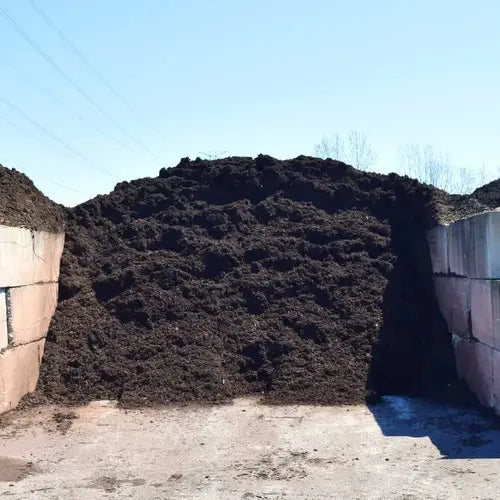
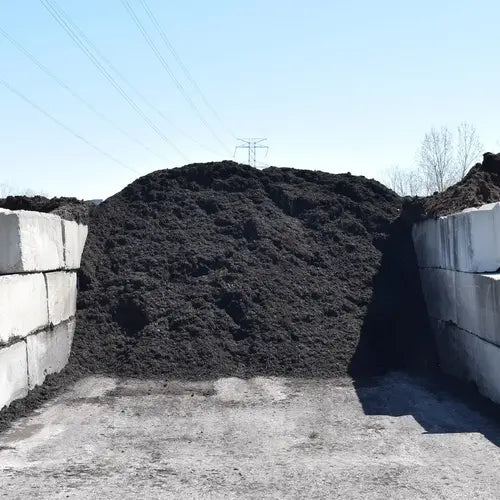
A yard is approximately 27 cubic feet. As a general guideline, one yard of material can cover an area of about 100-160 square feet at a 2-3 inch depth.
We can't take orders for this right now. Tell us what you need and we'll get back to you.
What do you need?
Thanks! We received your request.
Something went wrong. Please try again.
Hand-picked local yards
4,000+ regional deliveries
Dedicated support
Why order through Mulch Mound
The best local mulch, without the guesswork.
We hand-pick and partner with the best yards in your region, keep only the ones our buyers rate well, and back each load with our guarantee.
Mulch Mound Guarantee
If your mulch isn't the quantity or quality you ordered, we'll make it right.
About this mulch
Warm brown double shredded mulch with lasting color that looks freshly applied for weeks. Spreads smooth, stays put, and gives beds a natural, polished appearance.
Good quality, great price, fast delivery. All online - no submitting forms and waiting for days for quotes. Getting mulch should be this easy from everyone. Only Mulch Mound is ACTUALLY this simple.
How Much Material Do I Need?
For Laconia's sandy loam, apply mulch at a depth of 2 to 3 inches across garden beds and tree rings to provide meaningful moisture retention between rain events. If your beds are on a slope or in a high-traffic area, the deeper end of that range will hold up better through the season.
Use our free mulch calculator
What is a yard?
A yard is approximately 27 cubic feet. As a general guideline, one yard of material can cover an area of about 100-160 square feet at a 2-3 inch depth.
Good quality, great price, fast delivery. All online - no submitting forms and waiting for days for quotes. Getting mulch should be this easy fr...
Read full review
Good quality, great price, fast delivery. All online - no submitting forms and waiting for days for quotes. Getting mulch should be this easy from everyone. Only Mulch Mound is ACTUALLY this simple.
I highly recommend Mulch Mound. The quality of the mulch is very good. The ordering system on their website makes it very easy. The delivery driver...
Read full review
I highly recommend Mulch Mound. The quality of the mulch is very good. The ordering system on their website makes it very easy. The delivery driver did a great job placing the mulch on the driveway. To finish off, the pricing was very reasonable as well.
They offered a quick turnaround and delivered high quality mulch at a reasonable price. They also dropped it off exactly where I told them to put i...
Read full review
They offered a quick turnaround and delivered high quality mulch at a reasonable price. They also dropped it off exactly where I told them to put it. Good service!
To estimate mulch needs for your Laconia beds, measure the length and width of each bed in feet and multiply to get square footage, then use 3 inches as your target depth given the fast-draining sandy loam. One cubic yard covers roughly 100 square feet at a 3-inch depth. Add the square footage of all your beds together before placing your order so you can cover everything in a single delivery.
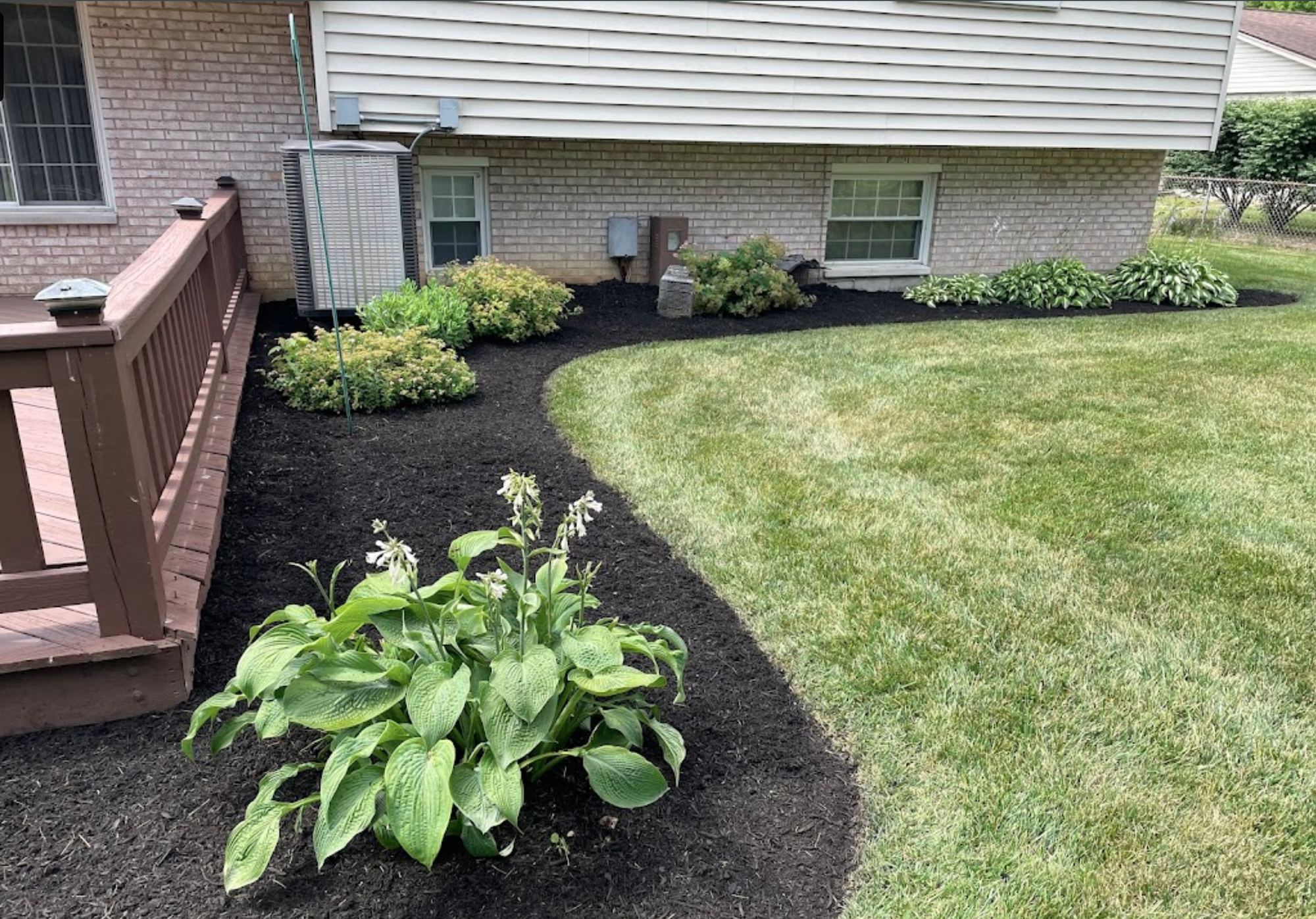
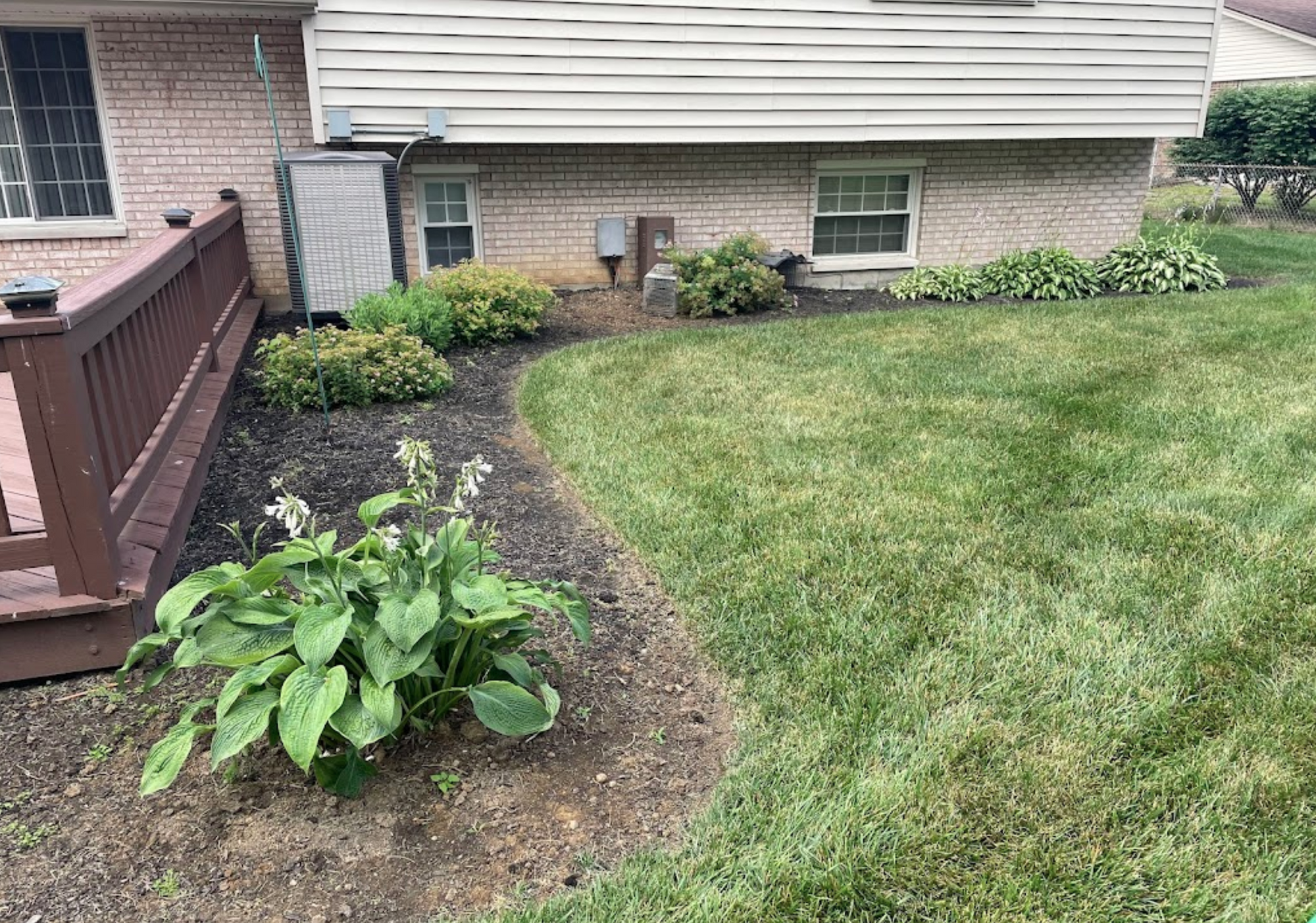
Mulch vs. No Mulch: The Difference
Laconia's freeze-thaw cycles and moist spring conditions mean that natural hardwood mulch breaks down meaningfully within a single growing season, returning organic matter to the sandy loam below. Dyed mulches use a hardwood base with added colorants and decompose at a similar rate, though the color holds longer into the season before fading. The choice between the two most often comes down to aesthetics in ornamental beds versus a preference for purely organic input in kitchen gardens and naturalized areas.
Before
After
Best Mulch Choice for Laconia Lawns
Most yards in the Laconia area sit on Sandy Loam type of soil. Laconia's sandy loam is naturally low in organic matter, which means plant beds benefit enormously from a mulch layer that will eventually decompose and feed the soil. Without regular organic additions, sandy loam stays nutrient-poor and continues to drain moisture away from plant roots faster than most landscape plants prefer.
Hardwood Mulch
Hardwood mulch is particularly well-suited to Laconia's sandy loam because its fibrous texture creates a surface layer that resists compaction and allows rainfall to percolate slowly rather than rushing straight through. As hardwood breaks down it introduces lignin and carbon into the sandy soil, gradually building the organic matter content that makes plant roots stronger and more drought-tolerant through Laconia's variable summers.
Mulch Types We Deliver in Laconia
Mulch Mound delivers bulk mulch by the cubic yard straight to your driveway or job site, making bulk mulch delivery in Laconia simple and affordable. Whether you are refreshing beds around a lakeside cottage or covering a larger landscape project, ordering by the yard means no bags, no trips, and no guesswork. We carry a focused selection of quality mulch varieties chosen to suit the short New Hampshire growing season and the light, sandy soils common throughout the region.
Dyed Brown Mulch
Warm brown double shredded mulch is the most popular choice for homeowners who want beds that look freshly tended all season. The lasting color holds up through New Hampshire freeze and thaw cycles, and the fine double shredded texture spreads evenly over the uneven, rocky ground common to local yards.
Dyed Black Mulch
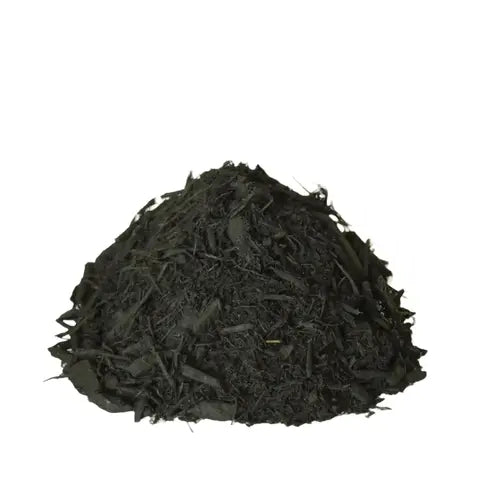
Bold black double shredded mulch creates sharp contrast against the light granite and sandy soils typical throughout the region. It suits the mix of traditional and craftsman style homes common in this part of New Hampshire, giving foundation beds and garden borders a clean, defined appearance all season long.
Natural Brown Mulch
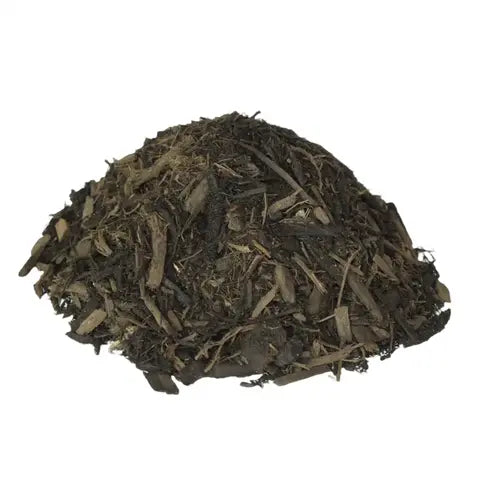
Natural brown double shredded mulch is the right pick for gardeners who prefer an undyed, organic look that blends with the wooded surroundings common around Laconia. The warm earthy tone comes straight from the wood itself, making it a quiet complement to native plantings and naturalized landscape beds.
Complete Your Outdoor Mulch Project
If your beds need a nutrient boost before mulching, consider pairing your mulch order with a delivery of bulk garden soil to address the low organic content common in Laconia's sandy loam. Crushed stone edging also pairs well with mulch to define bed borders and keep material from migrating onto walkways or turf during heavy spring rains.
Laconia's sandy loam warms up faster in spring than heavier clay soils, which is actually an advantage for getting a jump on the growing season. Time your mulch application for a week or two after the last frost around April 15 so the soil can fully warm before you cover it. Spreading mulch too early in spring can slow that warming process and delay germination for direct-sown seeds and newly planted perennials.
Mulch Mound Pro Tip
Hardwood mulch is a long-term investment in Laconia's soil health. As it breaks down through the season, it feeds the microbial activity in your sandy loam and gradually improves its ability to hold nutrients and moisture. Over several years of consistent mulching, homeowners often notice that their beds require less supplemental watering and respond better to fertilizing because the soil structure has meaningfully improved.
Mulch Mound Pro Tip
With 47 inches of annual rainfall, moisture in Laconia is more about retention than volume. Sandy loam lets rain pass through quickly, so a consistent mulch layer works as a holding sponge at the surface and prevents the boom-and-bust moisture cycle that stresses plant roots. Maintaining that layer through summer keeps soil surfaces from cracking and compacting between storms, which protects the soil structure that your plants depend on all season.
Frequently Asked Questions
Click a question to see the answer
Answer
How often should I reapply mulch in Laconia given how quickly organic material seems to break down here?
In Laconia's Zone 5b climate, hardwood mulch typically breaks down over the course of one to two seasons. The combination of wet springs, humid summers, and repeated freeze-thaw cycles in fall accelerates decomposition faster than in warmer zones. Most Laconia homeowners benefit from a fresh top-dressing each spring, ideally after the last frost around April 15 when the ground has warmed enough for planting.
Answer
Will mulch actually help with the fast-draining sandy loam I have in my yard?
Yes, mulch is one of the best tools for managing Laconia's sandy loam. Because sandy loam does not retain moisture well, surface evaporation can dry out plant roots within days of a rainfall event. A 2 to 3 inch layer of mulch dramatically slows that evaporation, acting as a buffer between the soil and the drying effects of summer sun and wind.
Answer
Does all the rain Laconia gets wash mulch away from my beds?
Laconia receives around 47 inches of rain per year, and heavy spring storms can shift lighter mulch in sloped beds. Choosing a shredded hardwood mulch rather than a chunky bark product helps because the irregular shreds knit together and resist movement better. For beds on a noticeable grade, adding a sturdy bed edging along the perimeter keeps material in place during heavier rain events.
Answer
When should I put down mulch in Laconia to get the most benefit going into winter?
The ideal window for a fall mulch application in Laconia is mid to late September, giving you a few weeks before the average first frost around October 10. Applying mulch while the soil still holds some warmth from summer helps insulate root systems heading into winter. Avoid mulching too late in the season when the ground is already cold, as a thick layer at that point can trap frost and delay spring soil warming.
Answer
Is dyed mulch safe to use around my vegetable garden?
For edible garden beds, natural undyed mulch is the better choice. Dyed mulches use colorfast pigments that are generally considered safe for ornamental beds, but many Laconia gardeners prefer to keep any colorants away from vegetables and herbs as a precaution. Natural hardwood or bark mulch also breaks down into organic matter that improves the nutrient content of your sandy loam over time.
Answer
How thick should I apply mulch around my trees and shrubs here in Laconia?
A depth of 2 to 3 inches is the right target for most planting areas in Laconia. Because the sandy loam here drains so readily, applying closer to 3 inches helps maintain moisture longer between rain events. Keep mulch pulled back a few inches from the base of tree trunks and shrub stems to prevent moisture from collecting against the bark, which can cause rot over a Laconia winter.
Answer
Does mulch color fade quickly with the sun we get up here in New Hampshire?
Dyed mulches do fade over the course of a season, and the strong summer sun at Laconia's 502-foot elevation can accelerate that process. Natural hardwood mulch transitions to a silver-gray tone as it weathers, which many homeowners find attractive in a woodland garden setting. If color consistency matters to you, plan for a fresh top-dressing of dyed mulch each spring to refresh the look before the main growing season.
The Unique Landscape of Laconia
Laconia's sandy loam soil drains quickly, which means plant beds can dry out faster than homeowners expect even in a year that sees 47 inches of rain. A proper layer of mulch slows that drainage at the surface, giving roots the time they need to absorb moisture before it moves through the soil profile. With a first frost arriving around October 10 and a last frost as late as April 15, the growing season in Zone 5b is short and every week counts. Mulch applied in late spring helps warm the soil after a long winter and keeps roots insulated when temperatures drop again in fall. Without a protective layer, Laconia's sandy beds lose heat rapidly overnight in September and October, stressing perennials and shrubs heading into dormancy. Keeping a consistent mulch depth is one of the most practical investments a Laconia homeowner can make for plant health year after year.