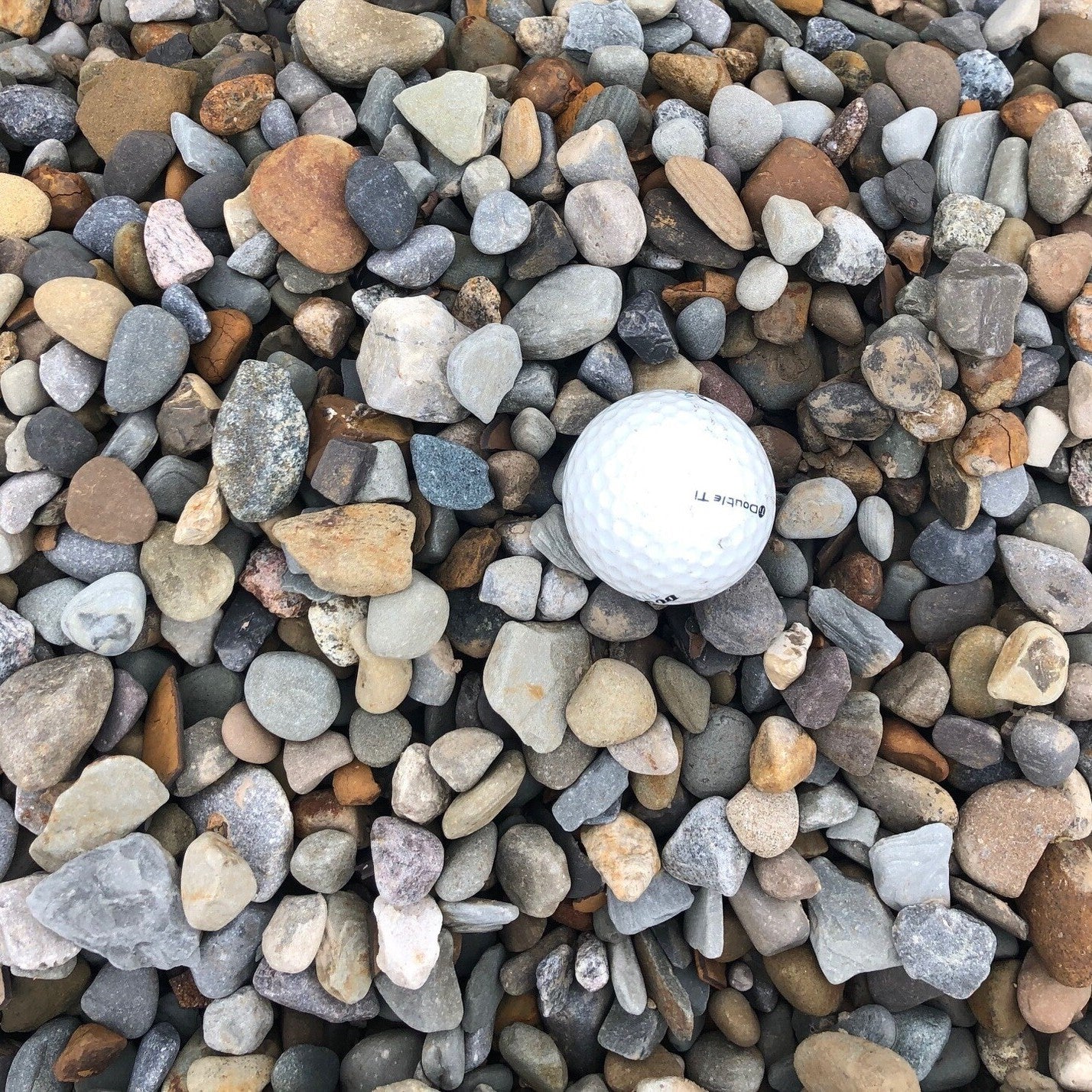
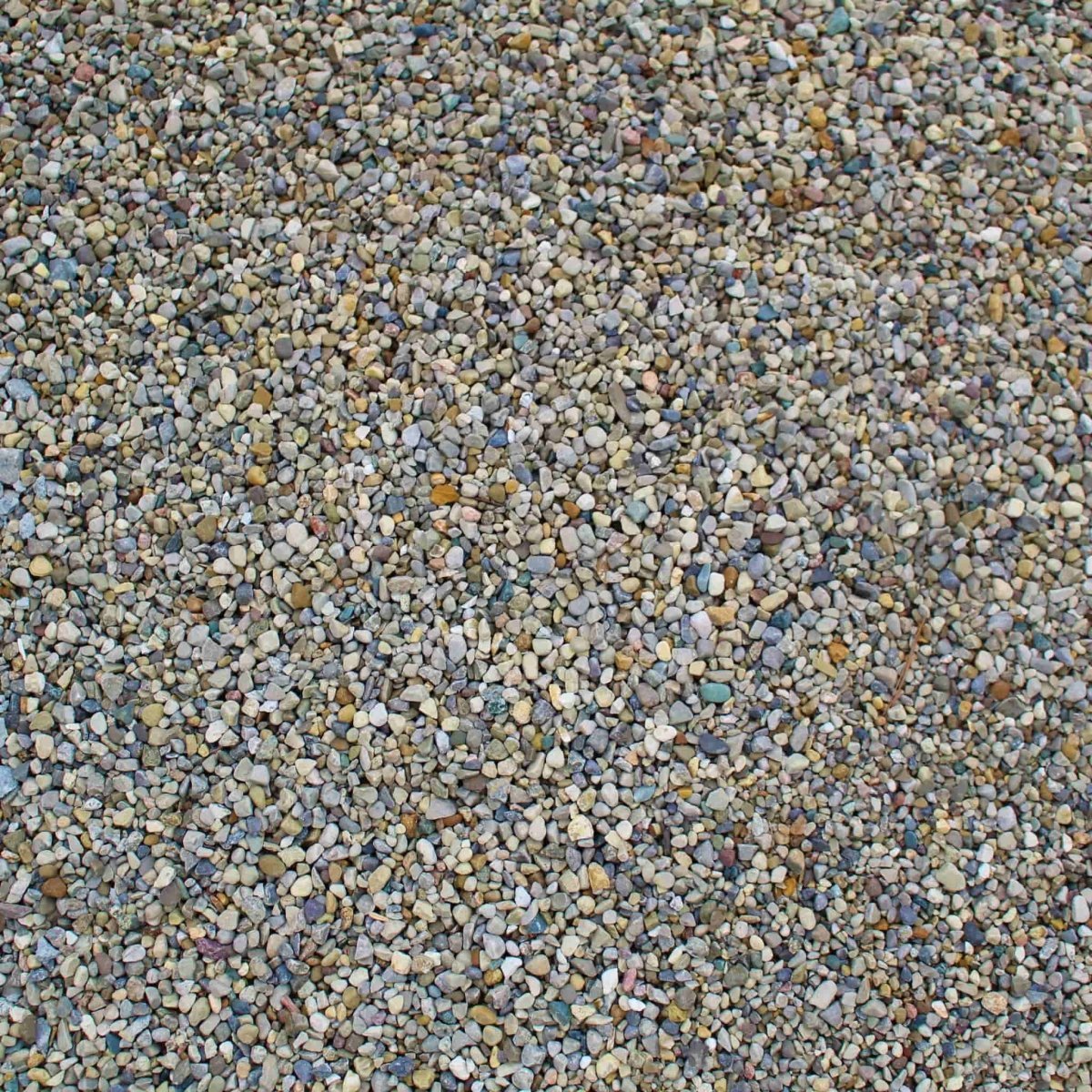
Number 57 crushed stone, angular limestone graded to about three quarters of an inch. The standard driveway, base and drainage gravel, it locks together under traffic and drains fast.
My experience with Mulch Mound was great and super easy. I ordered two yards of screened topsoil and was able to get it delivered within 2 days. They came in my requested time frame (afternoon) and dropped it off where I asked on my driveway. The topsoil was exactly what was a...
Tell us what you're looking for
Thanks! We received your request.
Something went wrong. Please try again.
How Much Material Do I Need?
For decorative borders and foundation plantings in Laconia, a 2 to 3 inch depth of stone provides good coverage and weed suppression without excessive weight on the sandy loam below. Pathway and drainage applications typically need 4 to 6 inches of compacted depth to remain stable through Laconia's freeze-thaw season.
Use our free gravel calculator
What is a yard?
A yard is approximately 27 cubic feet. As a general guideline, one yard of material can cover an area of about 100-160 square feet at a 2-3 inch depth.
We can't take orders for this right now. Tell us what you need and we'll get back to you.
What do you need?
Thanks! We received your request.
Something went wrong. Please try again.
Hand-picked local yards
4,000+ regional deliveries
Dedicated support
Why order through Mulch Mound
The best local stone, without the guesswork.
We hand-pick and partner with the best yards in your region, keep only the ones our buyers rate well, and back each load with our guarantee.
Mulch Mound Guarantee
If your stone isn't the quantity or quality you ordered, we'll make it right.
About this stone
Number 57 crushed stone, angular limestone graded to about three quarters of an inch. The standard driveway, base and drainage gravel, it locks together under traffic and drains fast.
My experience with Mulch Mound was great and super easy. I ordered two yards of screened topsoil and was able to get it delivered within 2 days. They came in my requested time frame (afternoon) and dropped it off where I asked on my driveway. The topsoil was exactly what was a...
How Much Material Do I Need?
For decorative borders and foundation plantings in Laconia, a 2 to 3 inch depth of stone provides good coverage and weed suppression without excessive weight on the sandy loam below. Pathway and drainage applications typically need 4 to 6 inches of compacted depth to remain stable through Laconia's freeze-thaw season.
Use our free gravel calculator
What is a yard?
A yard is approximately 27 cubic feet. As a general guideline, one yard of material can cover an area of about 100-160 square feet at a 2-3 inch depth.
My experience with Mulch Mound was great and super easy. I ordered two yards of screened topsoil and was able to get it delivered within 2 days. Th...
Read full review
My experience with Mulch Mound was great and super easy. I ordered two yards of screened topsoil and was able to get it delivered within 2 days. They came in my requested time frame (afternoon) and dropped it off where I asked on my driveway. The topsoil was exactly what was advertised, clean with no rocks or other debris. The price was reasonable. I plan to use them again in a couple weeks to order compost for my garden beds.
To estimate stone for a pathway or border in Laconia, measure the length and width of the area in feet and multiply to get square footage, then determine the depth you need, typically 2 to 3 inches for decorative applications and 4 to 6 inches for pathways or drainage installations. Multiply the square footage by the depth in feet and divide by 27 to get cubic yards. Dense stone materials are significantly heavier per yard than mulch or soil, so confirm weight limits with your delivery team for large orders.
Stone Types We Deliver in Laconia
Mulch Mound delivers bulk stone by the cubic yard to residential and commercial properties across New Hampshire's Lakes Region. If your search for bulk gravel by the yard in Laconia has brought you here, we make the rest easy with reliable scheduling, flexible load sizes, and delivery right where you need it. The region's cold winters and sandy soils that drain quickly mean that choosing the right stone from the start will pay off for years to come.
Pea Gravel
Pea Gravel suits homeowners in this part of New Hampshire who want a clean, natural look that fits the region's wooded character. Its smooth, rounded edges work well on pathways and patios, and its natural drainage performance handles sandy local soils with ease, making it a practical and attractive ground cover.
Complete Your Outdoor Stone Project
If you are installing stone pathways or borders alongside planting beds, a bulk mulch delivery for the bed areas creates a clean contrast and keeps the organic areas of your yard healthy through Laconia's variable growing season. For areas where you are also grading or building up elevation around the stone feature, a topsoil or garden soil delivery can help shape the surrounding landscape to direct drainage where you want it.
Before spreading stone in any Laconia yard area, take time to grade the underlying soil so that water drains away from structures and toward appropriate outlets rather than pooling beneath the stone layer. Sandy loam is forgiving in that it drains well on its own, but a slight pitch of about one inch per eight feet ensures that even heavy spring rains do not back up against a foundation or retaining wall. A few minutes with a rake and a level before laying stone saves significant headaches in future seasons.
Mulch Mound Pro Tip
In Laconia, frost heave can gradually push larger decorative stones upward and out of position over multiple winters, particularly in areas where the soil holds seasonal moisture near the surface. Burying the bottom edge of border stones a few inches below grade before winter gives them resistance to that upward pressure from the freezing soil. Checking and resetting any displaced stones in April after the frost is fully out of the ground is a quick annual task that keeps stone features looking intentional and well-maintained.
Mulch Mound Pro Tip
Stone surfaces in Laconia tend to accumulate pine needles, leaves, and organic debris through the fall season, especially in yards with mature trees near the lakeside neighborhoods. A leaf blower makes short work of clearing light debris off crushed stone pathways and decorative areas before it begins to decompose and create a base for weed seeds to germinate. Staying ahead of organic buildup in late September and October keeps stone features looking clean heading into winter and reduces the amount of hand-weeding needed the following spring.
The Unique Landscape of Laconia
Stone is one of the most durable and low-maintenance materials available for Laconia landscapes, standing up to the freeze-thaw cycles and heavy snowfall that wear down other materials over time. Laconia's Zone 5b winters subject pathways and borders to repeated freezing and thawing from October through April, and properly installed stone handles that stress far better than wood edging, organic mulch, or synthetic borders. The area's sandy loam base also makes stone a practical choice for drainage applications, since stone placed over sandy soil allows water to percolate freely rather than pooling on the surface after heavy rain. Decorative stone around foundations and along beds adds a clean, finished look that holds up through Laconia's wet spring season without rotting or shifting the way organic materials can. For homeowners near the lakes and ponds that define so much of the Laconia area, stone is an especially smart choice for shoreline borders and erosion-prone slopes. Once properly installed, a stone feature in a Laconia yard requires almost no seasonal maintenance and looks consistent year after year.
Frequently Asked Questions
Click a question to see the answer
Answer
What type of stone holds up best through Laconia's freeze and thaw cycles?
Crushed angular stone such as processed gravel or crushed granite holds up exceptionally well through Laconia's winter freeze-thaw cycles because the irregular edges lock together and resist shifting when the ground heaves. Rounded river stone and smooth decorative pebbles are better suited for stationary decorative applications where movement is less of a concern. For any pathway or high-traffic area that will see plowing or heavy foot traffic through a Laconia winter, angular crushed stone is the more stable and durable choice.
Answer
Will crushed stone help with the drainage issues I have in a low area of my Laconia yard?
Yes, crushed stone is one of the most effective materials for improving surface and subsurface drainage in a Laconia yard. Even though the native sandy loam drains reasonably well on its own, areas with compaction, low spots, or heavy foot traffic can develop pooling issues over time. A layer of crushed stone in a dry creek bed, French drain trench, or persistently wet area channels water away efficiently and does not clog the way organic materials eventually do.
Answer
How do I use stone around my foundation to handle the rain and snowmelt we get in Laconia?
A border of crushed stone or larger decorative rock around your foundation creates a permeable buffer that allows rain and snowmelt to drain away from the structure rather than pooling against the foundation wall. Laconia receives significant moisture in spring from both the 47 inches of annual rainfall and snowpack melting, and that combination can saturate soil against a foundation if no drainage buffer exists. Installing a 12 to 18 inch wide stone border sloped slightly away from the house helps direct that moisture outward and reduces the risk of water intrusion at the foundation.
Answer
Is stone a good low-maintenance substitute for mulch in some of my ornamental beds?
Stone works well as a low-maintenance mulch alternative in ornamental beds where you are not relying on organic decomposition to improve the soil, such as foundation plantings with established shrubs or decorative beds with ornamental grasses. In Laconia, stone beds do not need to be replenished each spring the way organic mulch does, which saves time and annual material cost. The tradeoff is that stone does not feed the sandy loam beneath it, so it is best used where plants are already established and not dependent on ongoing soil improvement.
Answer
How do I keep decorative stone from sinking into my sandy yard over time?
Sandy loam in Laconia is loose enough that decorative stone can migrate downward over time if laid directly on the soil without a barrier. Installing a permeable landscape fabric beneath your stone layer before spreading helps prevent migration while still allowing water to drain through freely. For pathway applications, a 4 to 6 inch compacted base of crushed stone beneath your finished surface layer provides a stable foundation that resists sinking through multiple freeze-thaw seasons.
Answer
What size stone is best for a walking path through my garden in Laconia?
For a garden path in Laconia, a quarter-inch to three-quarter-inch crushed stone is typically the most comfortable and practical choice. Fine stone compacts slightly underfoot to create a firm walking surface while still allowing drainage, and it stays in place well even on gentle slopes. Larger stone sizes above one inch can feel unstable underfoot and tend to scatter more on slopes, while very fine stone dust can form a packed surface that sheds water rather than absorbing it.
Answer
Can I use decorative stone to control erosion on the sloped area at the back of my Laconia property?
Decorative stone is an effective erosion control material on slopes in Laconia, particularly where turf grass struggles to establish because of shade or frequent disturbance. Larger stone sizes of 1.5 inches and above are more effective on steeper slopes because their mass resists displacement during heavy rain events. For gentler grades, a medium decorative stone paired with ground cover plantings provides both erosion control and visual interest while managing the surface runoff that Laconia's spring rainfall produces.
Answer
What is stone dust used for?
Screenings, often called stone dust, are fine crushed stone particles used as a compactable base under pavers and flagstone. It packs tight but does not drain well once compacted. For Laconia projects needing drainage through freeze thaw cycles, Crushed Stone #57 is the better choice since it stays open and free draining under sandy loam soils.