
About this mulch

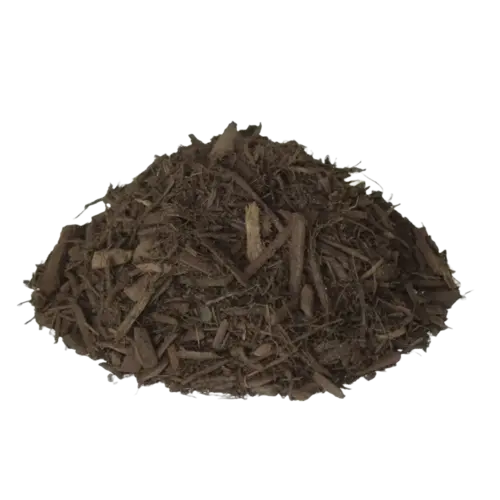
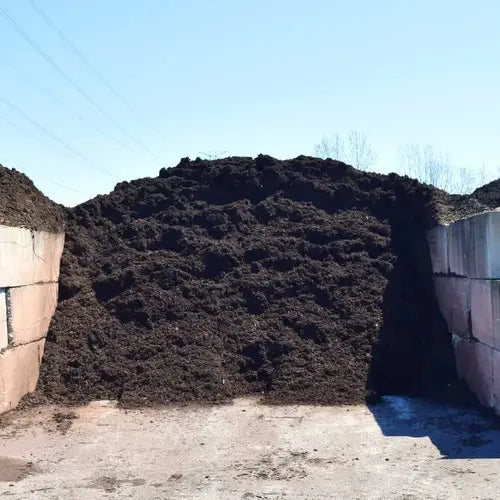
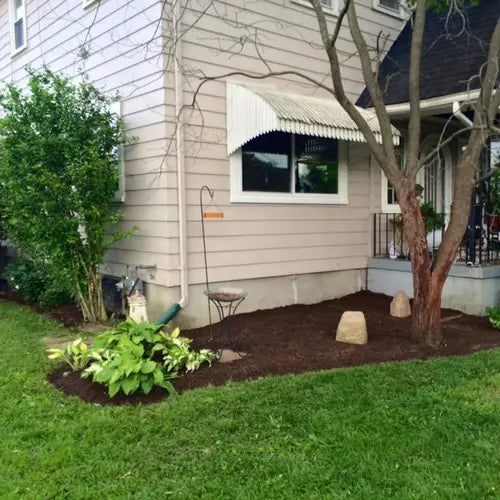
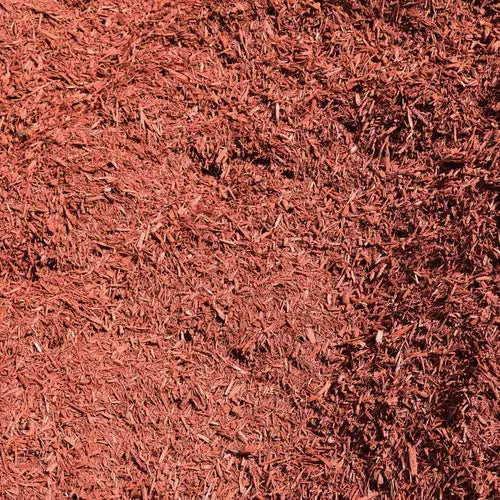
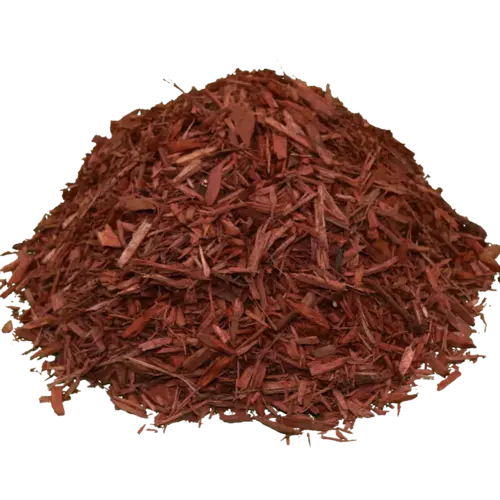
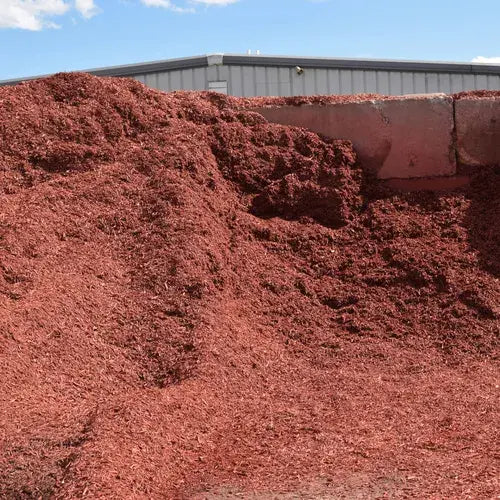
Warm brown double shredded mulch with lasting color that looks freshly applied for weeks. Spreads smooth, stays put, and gives beds a natural, polished appearance.

We needed mulch for our HOA common areas. Local providers were all holding high prices even for 40 yards of mulch. Mulch mound was easy to wowith & has great price for natural mulch + delivery schedule options. They called before delivery to ensure Delivery was exactly wher...

Lawrence Mulch Delivery

Lawrence Mulch Delivery

4.7
137 reviews
Regular price $75.00 per yard
Regular price Sale price $75.00
Sale Sold out
Color
Style
Minimum of 3 yard
1 tree planted for every order

About this mulch

Warm brown double shredded mulch with lasting color that looks freshly applied for weeks. Spreads smooth, stays put, and gives beds a natural, polished appearance.

We needed mulch for our HOA common areas. Local providers were all holding high prices even for 40 yards of mulch. Mulch mound was easy to wowith & has great price for natural mulch + delivery schedule options. They called before delivery to ensure Delivery was exactly wher...

Plan for 3 inches of mulch depth in most ornamental beds in Lawrence, where silt loam soil benefits from a consistent protective layer year-round. Areas exposed to heavy summer rainfall runoff may warrant a full 4 inches to prevent washout and keep the soil surface intact between storm events.
Use our free mulch calculator

A yard is approximately 27 cubic feet. As a general guideline, one yard of material can cover an area of about 100-160 square feet at a 2-3 inch depth.

View full details

How It Works

Getting started is easy — just follow these simple steps

1

Choose your Mulch

Make sure you adjust the quantity to your home's needs. You can use our calculator to estimate how much you'll need.

2

Select your delivery date

Select a delivery date you'd like for the product to be dropped off at your home

3

Sit back and wait

Sit back, wait, and let us work our magic to make sure the highest quality product is delivered to your driveway.

What Lawrence Customers Are Saying

4.7
out of 5 based on 137 reviews
Google Reviews

Calculate mulch for your Lawrence project

For Lawrence's Silt Loam type of soil, we recommend 2-3 inches for best weed suppression and moisture retention

Try Our Calculator
📍

Start by measuring the length and width of each bed in feet, then multiply those together to get square footage. Divide that number by 100 to get a rough cubic yard estimate at a 3-inch depth, which is the recommended starting point for Lawrence's compaction-prone silt loam soil. Adding a 10 percent buffer to your total is wise since Lawrence beds with established plants often have uneven depth from previous seasons.

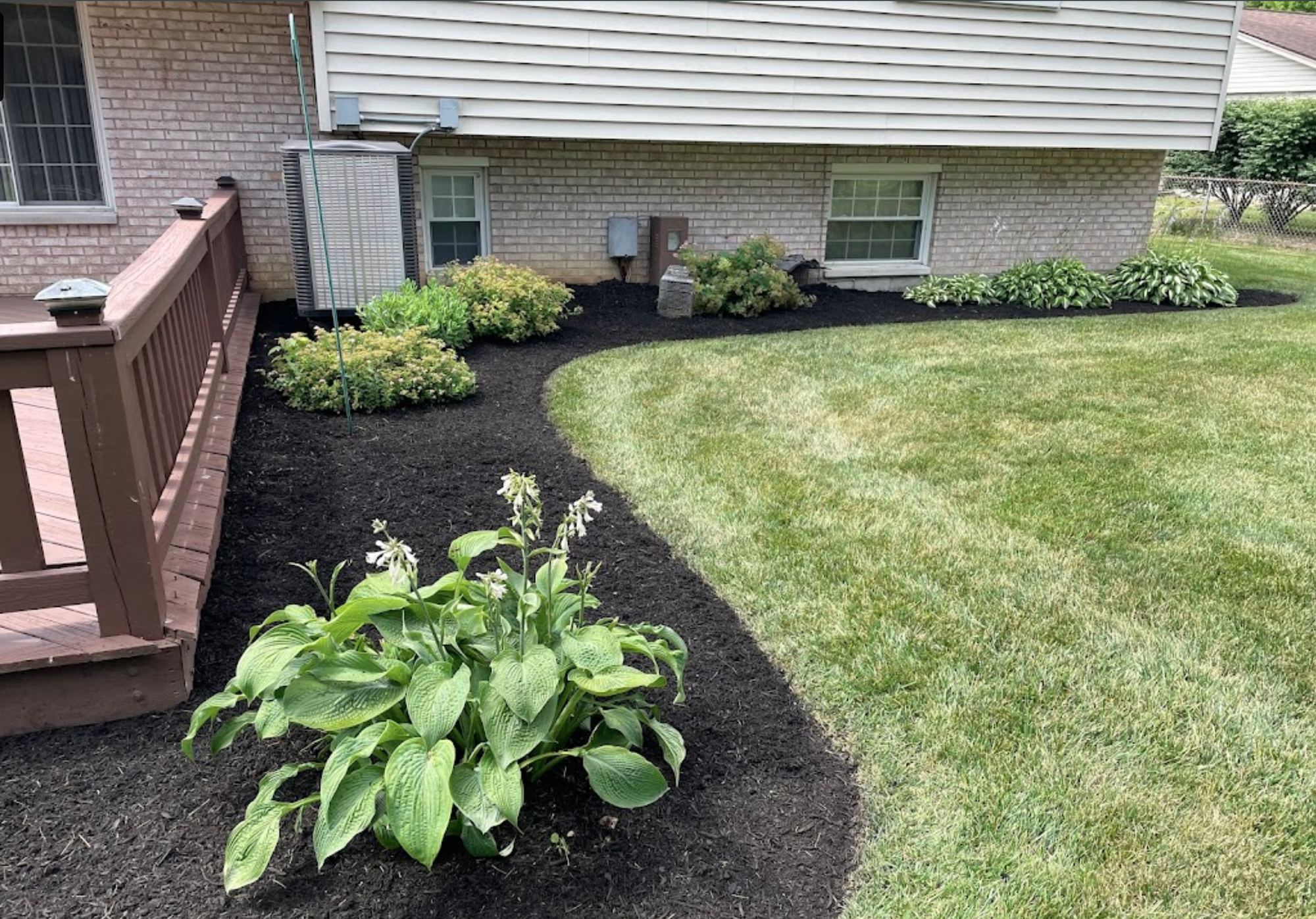
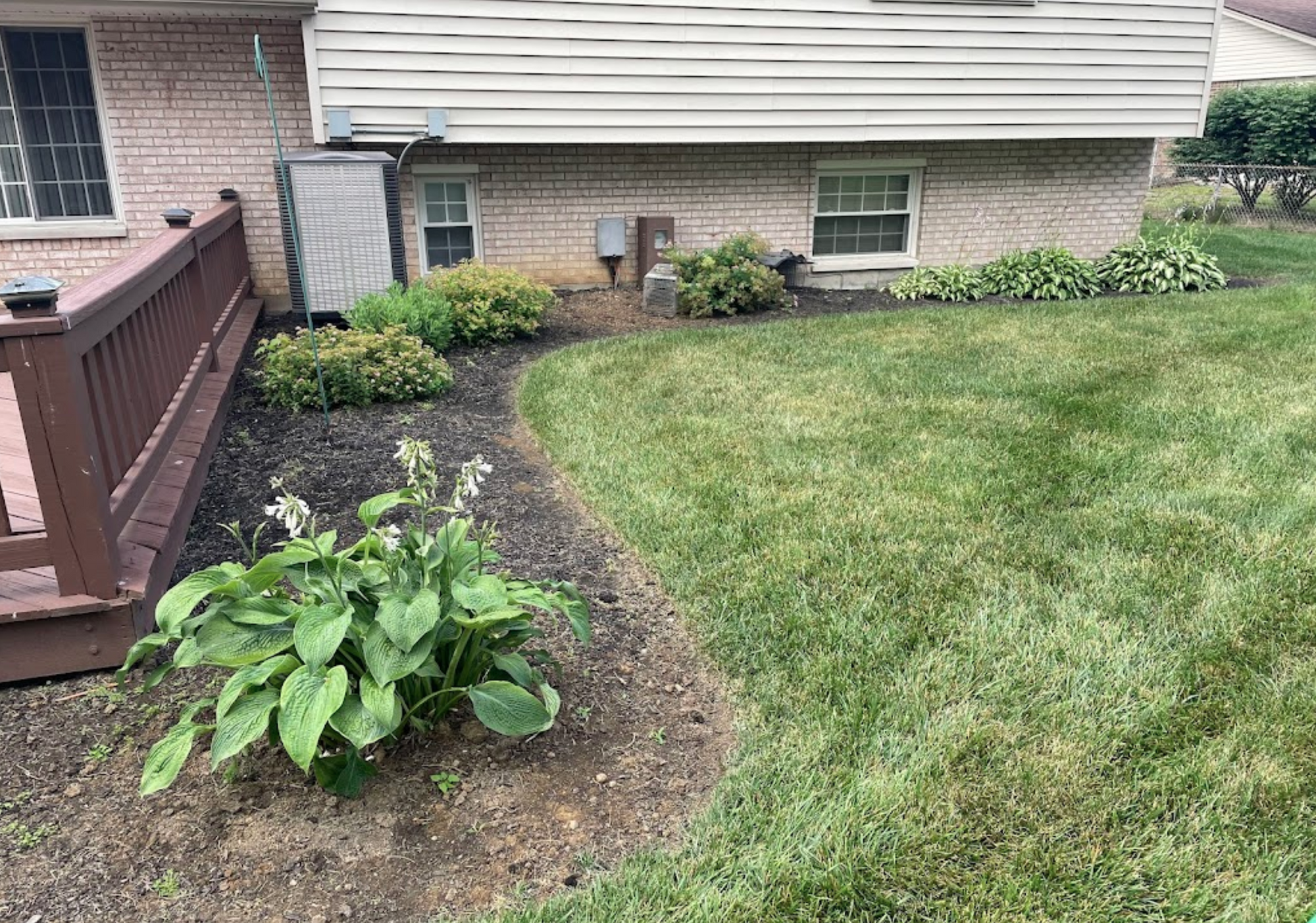
Mulch vs. No Mulch: The Difference

Lawrence's combination of hot humid summers and 39 inches of annual rainfall means natural hardwood mulch breaks down faster here than in drier climates, typically within one to two seasons. Dyed mulch lasts longer visually but contributes less organic matter to the silt loam soil that benefits from regular amendment. Choosing between the two depends on whether your priority is long-term soil improvement or consistent curb appeal from season to season.

Before image
After image
Slider handle
Before
After

Complete Your Outdoor Mulch Project

If your beds need rebuilding before mulching, our bulk garden soil is blended to improve the drainage and nutrient profile that Lawrence's native silt loam sometimes lacks. Adding a stone border along bed edges is also popular in Lawrence to keep mulch in place during heavy spring rainstorms.

Map of Lawrence, Kansas

Areas we deliver mulch in Lawrence, Kansas

See All Locations
Mulch Mound Pro Tip

Lawrence's silt loam soil forms a surface crust after heavy rain that prevents water from soaking in evenly. Before laying mulch, loosen the top 2 inches of soil with a rake to break that crust. This simple step dramatically improves how well moisture moves from the mulch layer into the root zone, especially in beds that have been bare through the winter months.

Mulch Mound Pro Tip

Zone 6b winters in Lawrence can swing between mild stretches and sudden hard freezes, which causes frost heaving in shallow-rooted perennials. Apply a 3 to 4 inch mulch layer after the ground has firmed up in late November to insulate roots without trapping warmth early in the season, which can trigger premature growth before the Apr 15 last frost date has passed.

Mulch Mound Pro Tip

With 39 inches of annual rainfall in Lawrence distributed unevenly through the year, mulch is one of the most effective tools for smoothing out moisture availability in your beds. A consistent 3-inch layer can reduce surface evaporation significantly during dry stretches, helping plants bridge the gap between summer storms without requiring constant supplemental watering from the hose.

Frequently Asked Questions

Click a question to see the answer

Answer

How deep should I apply mulch in my Lawrence yard?

In Lawrence, a 3-inch layer is the sweet spot for most ornamental beds. The city's silt loam soil compacts under rainfall, and a good mulch layer keeps the top inch of soil loose and breathable. Going deeper than 4 inches can create a dense mat that holds too much moisture against plant crowns, which is a real concern given the 39 inches of annual rainfall Lawrence receives.

Answer

When is the best time to put down fresh mulch in Lawrence?

The ideal window is right after the Apr 15 last frost date when soil temperatures are climbing but summer heat has not yet set in. Applying mulch in early to mid May locks in warmth and moisture before Lawrence's dry midsummer periods arrive. You can also do a lighter refresh in late October before the Oct 29 first frost to insulate roots through winter.

Answer

Will mulch attract termites near my foundation in Lawrence?

Termites are present in Douglas County and mulch can create a hospitable environment if it is piled directly against your home's foundation. Keep mulch at least 6 inches away from wood siding and foundation walls. Using stone or gravel in a border strip right along the foundation and transitioning to mulch further out is a smart combination for Lawrence homeowners.

Answer

Does dyed mulch hold its color longer in the Kansas sun?

Yes, dyed mulch holds color noticeably better than natural hardwood through Lawrence's intense summer sun and periodic heavy rain events. Natural mulch can fade to gray within one season here. That said, dyed mulch decomposes more slowly, which means it contributes less organic matter to Lawrence's silt loam over time compared to natural hardwood options.

Answer

How often do I need to replenish mulch in Lawrence?

Natural hardwood mulch in Lawrence typically needs refreshing every one to two years because the warm humid summers accelerate decomposition. Dyed or colored mulch can last two to three years before it breaks down significantly. Plan to top off beds in late April or early May each year to maintain a consistent 3-inch depth before summer heat arrives.

Answer

Can I use mulch to fix drainage problems in my Lawrence yard?

Mulch helps slow surface runoff and allows water to infiltrate more gradually, which is helpful given how compaction-prone Lawrence's silt loam can be after heavy rains. However, mulch alone will not solve true drainage problems. If you have low spots or standing water after storms, you may need to address grading with quality fill soil before applying mulch on top.

Answer

What type of mulch works best around trees in Lawrence?

Shredded hardwood mulch is excellent around Lawrence trees because it breaks down steadily and improves the silt loam soil structure over time as it decomposes. Apply it in a wide donut shape extending toward the drip line of the tree and keep it pulled back several inches from the trunk to prevent rot. Avoid piling it into a volcano shape because that traps moisture against bark through Lawrence's wet spring season.

The Unique Landscape of Lawrence

Lawrence sits in the heart of the Kaw River valley where silt loam soils compact easily under foot traffic and summer heat, creating a tough environment for plant roots. With nearly 39 inches of rain falling unevenly across the seasons, mulched beds can lose moisture quickly between storms during July and August dry spells. The city's position in Zone 6b means plants endure hard freezes after Oct 29 and late cold snaps right up to the Apr 15 last frost date, making soil temperature regulation a real seasonal challenge. A proper mulch layer acts as a buffer against those temperature swings while slowing the compaction that Lawrence's naturally dense silt loam is prone to over time. Getting mulch depth and timing right here is not a generic task but one that rewards knowing your local conditions well.