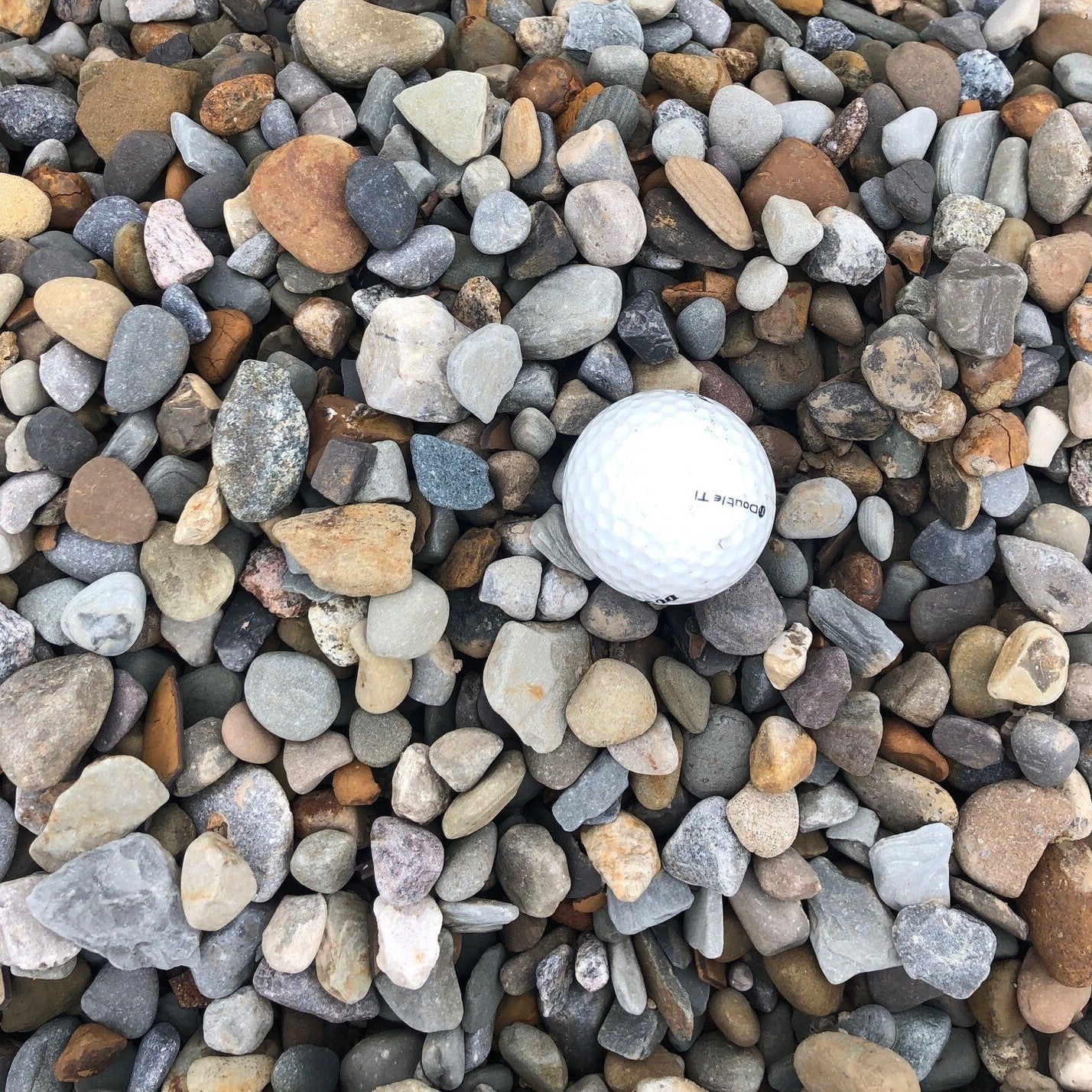
Number 57 crushed stone, angular limestone graded to about three quarters of an inch. The standard driveway, base and drainage gravel, it locks together under traffic and drains fast.
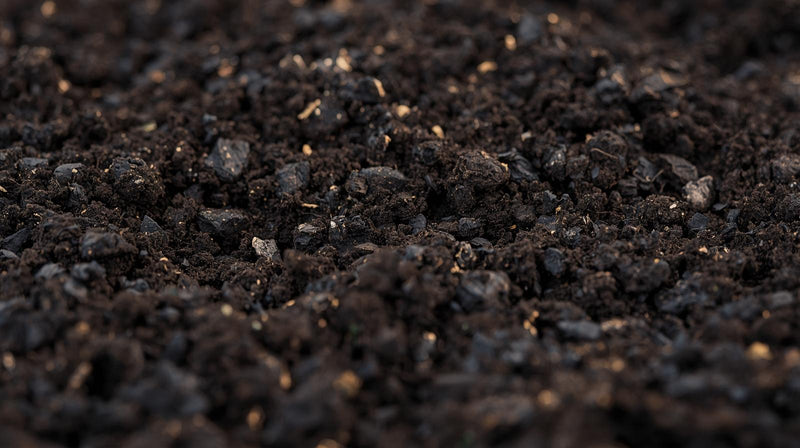
I used Mulch Mound to have 3 cubic yards of garden soil delivered. The process was easy and I love that I didn't have to call anyone. I placed my order online, picked my delivery date, laid out my tarp and the dirt was delivered. My delivery had to be pushed back, but I was ke...
Tell us what you're looking for
Thanks! We received your request.
Something went wrong. Please try again.
How Much Material Do I Need?
For decorative beds and borders in Lawrence, 2 to 3 inches of stone provides adequate coverage and visual impact without creating a surface that is difficult to walk across. For functional pathways and driveways over Lawrence's silt loam, a compacted depth of 4 inches minimum is necessary to prevent the stone from gradually sinking into the native soil after wet seasons.
Use our free gravel calculator
What is a yard?
A yard is approximately 27 cubic feet. As a general guideline, one yard of material can cover an area of about 100-160 square feet at a 2-3 inch depth.
We can't take orders for this right now. Tell us what you need and we'll get back to you.
What do you need?
Thanks! We received your request.
Something went wrong. Please try again.
Hand-picked local yards
4,000+ regional deliveries
Dedicated support
Why order through Mulch Mound
The best local stone, without the guesswork.
We hand-pick and partner with the best yards in your region, keep only the ones our buyers rate well, and back each load with our guarantee.
Mulch Mound Guarantee
If your stone isn't the quantity or quality you ordered, we'll make it right.
About this stone
Number 57 crushed stone, angular limestone graded to about three quarters of an inch. The standard driveway, base and drainage gravel, it locks together under traffic and drains fast.
I used Mulch Mound to have 3 cubic yards of garden soil delivered. The process was easy and I love that I didn't have to call anyone. I placed my order online, picked my delivery date, laid out my tarp and the dirt was delivered. My delivery had to be pushed back, but I was ke...
How Much Material Do I Need?
For decorative beds and borders in Lawrence, 2 to 3 inches of stone provides adequate coverage and visual impact without creating a surface that is difficult to walk across. For functional pathways and driveways over Lawrence's silt loam, a compacted depth of 4 inches minimum is necessary to prevent the stone from gradually sinking into the native soil after wet seasons.
Use our free gravel calculator
What is a yard?
A yard is approximately 27 cubic feet. As a general guideline, one yard of material can cover an area of about 100-160 square feet at a 2-3 inch depth.
I used Mulch Mound to have 3 cubic yards of garden soil delivered. The process was easy and I love that I didn't have to call anyone. I placed my o...
Read full review
I used Mulch Mound to have 3 cubic yards of garden soil delivered. The process was easy and I love that I didn't have to call anyone. I placed my order online, picked my delivery date, laid out my tarp and the dirt was delivered. My delivery had to be pushed back, but I was kept informed via text, which was great. So why not 5 stars? The description of garden soil on the website is "A balanced mix of topsoil and organic amendments ready for raised beds, flower gardens, and new planting areas. Good drainage, solid nutrients, easy to work with." What I got was more like fill dirt. It had a lot of gravel, a lot of clay, and random trash mixed in. I didn't test the soil to see if it actually had "amendments" because I already have compost and alpaca manure ready to add, but if I'd known the quality of the dirt was going to be the same as the bagged dirt I bought last year, I probably would have gotten 2 yards of top soil and a yard of leaf compost for better quality, especially since the leaf compost is cheaper. Photo of my mountain of dirt and just some of the trash I found in it.
Really appreciate the care and follow thru that this company had with our order. A hiccup came up but they were quick to respond and address all co...
Read full review
Really appreciate the care and follow thru that this company had with our order. A hiccup came up but they were quick to respond and address all concerns, which made our garden day a success! Thank you for your prompt care.
Measure your project area in feet, multiply length by width, then multiply by your desired depth converted to feet. Divide that total by 27 to get cubic yards. For Lawrence projects, adding a 15 percent buffer is smart because stone compresses into silt loam over time, especially after wet seasons and winter freeze-thaw cycles work through the base layer beneath.
Stone Types We Deliver in Lawrence
Mulch Mound brings bulk stone straight to your door, measured and priced by the cubic yard so you get exactly what your project needs. Whether you are searching for bulk gravel by the yard in Lawrence or planning a larger landscape overhaul, our delivery team handles the heavy lifting. Lawrence yards tend to feature clay-heavy soil and a mix of traditional and modern home styles, making the right ground cover material an important choice for both drainage and curb appeal.
Pea Gravel
Smooth, rounded, and naturally earth-toned, pea gravel is one of the most popular choices for Lawrence homeowners looking to improve drainage in clay-dense soil. It works beautifully along walkways, patios, and garden beds, and its forgiving texture makes it comfortable underfoot in casual outdoor spaces.
Complete Your Outdoor Stone Project
Pairing crushed stone drainage features with quality topsoil for surrounding grade work creates a complete solution for Lawrence yards that struggle with both erosion and standing water. Finishing stone pathways and borders with a layer of mulch in adjacent planting beds ties the hardscape and softscape together for a cohesive, low-maintenance Lawrence landscape.
Lawrence's freeze-thaw cycles from November through March can push stone out of flat, compacted installations and create an uneven surface by spring. Installing a layer of compacted gravel base material below your finish stone and using a landscape fabric separator above the native silt loam dramatically reduces this movement. Plan on a light rake-out and re-leveling every few springs to keep pathways and pads looking sharp and safe to walk on.
Mulch Mound Pro Tip
In Lawrence neighborhoods where downspout drainage crosses lawn areas, a stone-lined channel or dry creek bed is far more durable than grass or mulch in that zone. The concentrated flow from a typical Lawrence storm event erodes soft ground quickly, and even a 12-inch wide strip of river rock along the drainage path protects the soil below and adds a natural, attractive look to the side or back yard.
Mulch Mound Pro Tip
When using decorative stone in Lawrence planting beds, lay a permeable landscape fabric underneath before adding the stone layer. This prevents the fine particles in Lawrence's silt loam from migrating up into the stone over time, which causes gravel to sink and look muddy after a few heavy rain seasons. The fabric keeps your stone layer clean and visually consistent much longer with very little ongoing maintenance required.
The Unique Landscape of Lawrence
Stone and gravel are some of the most practical landscaping materials for Lawrence homeowners dealing with the city's wet springs and compaction-prone silt loam soil. Pathways and high-traffic areas that would become muddy troughs in March and April stay accessible year-round with a proper gravel base. Lawrence's 39 inches of annual rainfall also creates real erosion challenges on slopes and around downspouts, where stone can armor the soil surface and redirect water without washing away. The freeze-thaw cycles common in Zone 6b winters can shift and crack rigid hardscape over time, making crushed stone a durable and forgiving alternative for driveways, walkways, and parking pads. Stone is also a low-maintenance solution for beds and borders where the active growing season between Apr 15 and Oct 29 would otherwise require repeated mulch refreshing and weeding.
Frequently Asked Questions
Click a question to see the answer
Answer
What size gravel works best for a backyard path in Lawrence?
Pea gravel and 3/8 inch crushed stone are both popular choices for Lawrence backyard paths. Pea gravel is comfortable underfoot but tends to migrate, which is a real issue given the volume of rain Lawrence receives each spring. Crushed stone with angular edges locks together better and stays put through heavy rain events. Edging the path with steel or plastic landscape border makes either option perform much better over time.
Answer
Can I use stone instead of mulch in my Lawrence flower beds?
Stone works well as a mulch alternative in Lawrence for drought-tolerant planting areas, foundation borders, and spots where organic mulch tends to wash away during heavy storms. The downside is that stone does not add organic matter to the silt loam soil the way hardwood mulch does. For beds with perennials and shrubs that benefit from soil improvement over time, combining stone borders with mulched planting zones is a balanced approach.
Answer
How deep should I lay gravel for a functional Lawrence driveway or parking area?
For a stable base in Lawrence, plan for 4 inches of compacted crushed stone as a minimum for a driveway or parking pad. On top of Lawrence's silt loam, which can shift and settle under vehicle weight, starting with a geotextile fabric layer before adding stone significantly extends how long the surface stays level. Six inches of stone is the better choice for areas that see regular heavy vehicle traffic throughout the year.
Answer
Will stone help with my drainage problem near the foundation of my Lawrence home?
A gravel trench or dry creek bed along a problem area near your foundation can significantly improve drainage by giving water a fast path away from the structure. Lawrence's heavy spring rains can overwhelm soil that has lost its permeability after years of compaction, and a well-placed stone drainage swale moves that water before it can pool against your foundation or work its way into a basement. Pair this with proper soil grading for the most complete solution.
Answer
What is the best stone for erosion control on a slope in my Lawrence yard?
For sloped areas in Lawrence, larger angular rip rap stone in the 3 to 6 inch range is the most effective erosion control because it is heavy enough to stay in place during heavy rainfall and irregular enough in shape to slow water velocity. Smaller pea gravel will wash downhill during a significant Lawrence storm. Combining rip rap with native plantings on the slope gives you both immediate protection and long-term root anchoring for the soil below.
Answer
Does stone get too hot for plants in a Lawrence summer?
Light-colored stone like tan limestone or white river rock reflects heat rather than absorbing it, which is manageable around most Lawrence plantings. Dark stone like black lava rock or charcoal-colored gravel can radiate significant heat during July and August when Lawrence temperatures regularly climb into the 90s. If you want stone around heat-sensitive plants, choose lighter colors and position them where they receive afternoon shade during the hottest part of the day.
Answer
How much crushed stone do I need for a 10 by 20 foot area in my Lawrence yard?
At a 3-inch depth, a 10 by 20 foot area requires roughly 1.85 cubic yards of crushed stone. At 4 inches deep, which is recommended for driveways and high-traffic areas over Lawrence's silt loam soil, you would need about 2.5 cubic yards. Always round up slightly since stone settles and compacts into native soil over time, especially after the first winter's freeze-thaw cycles work through the base layer.
Answer
Is there a stone yard near Lawrence?
Building a crushed stone path that stays firm through Lawrence's muddy spring months can mean a trip to a stone yard with a loaded truck, or it can mean ordering online and having the stone dropped right where the path will go. Mulch Mound is the second option, not a quarry, so there is no yard to visit.