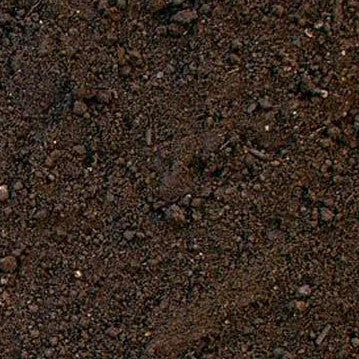
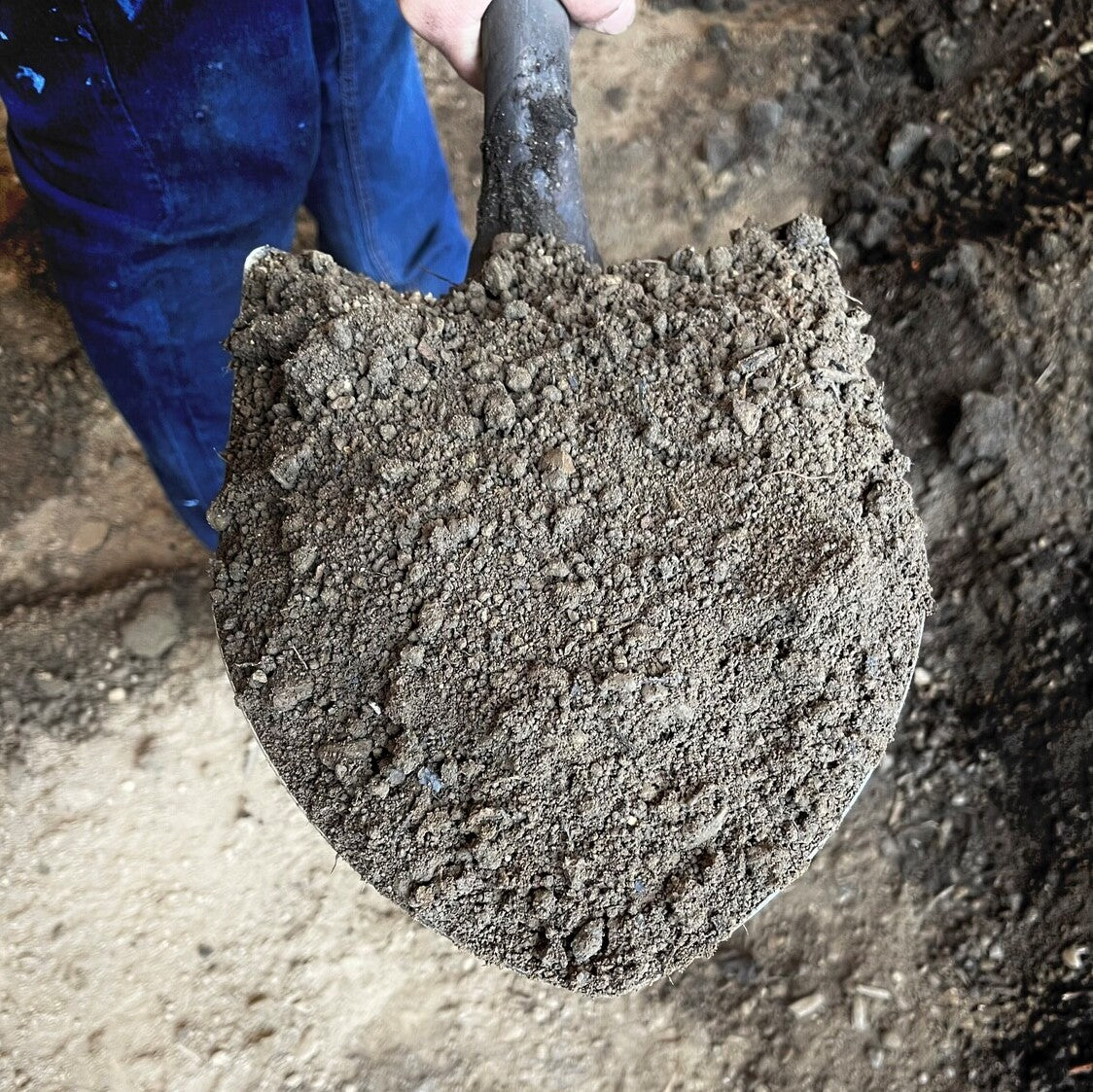
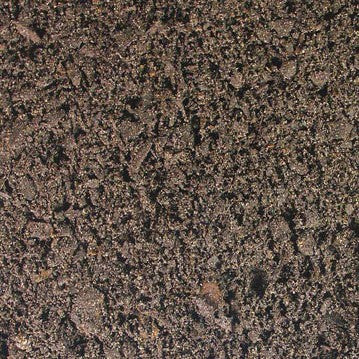
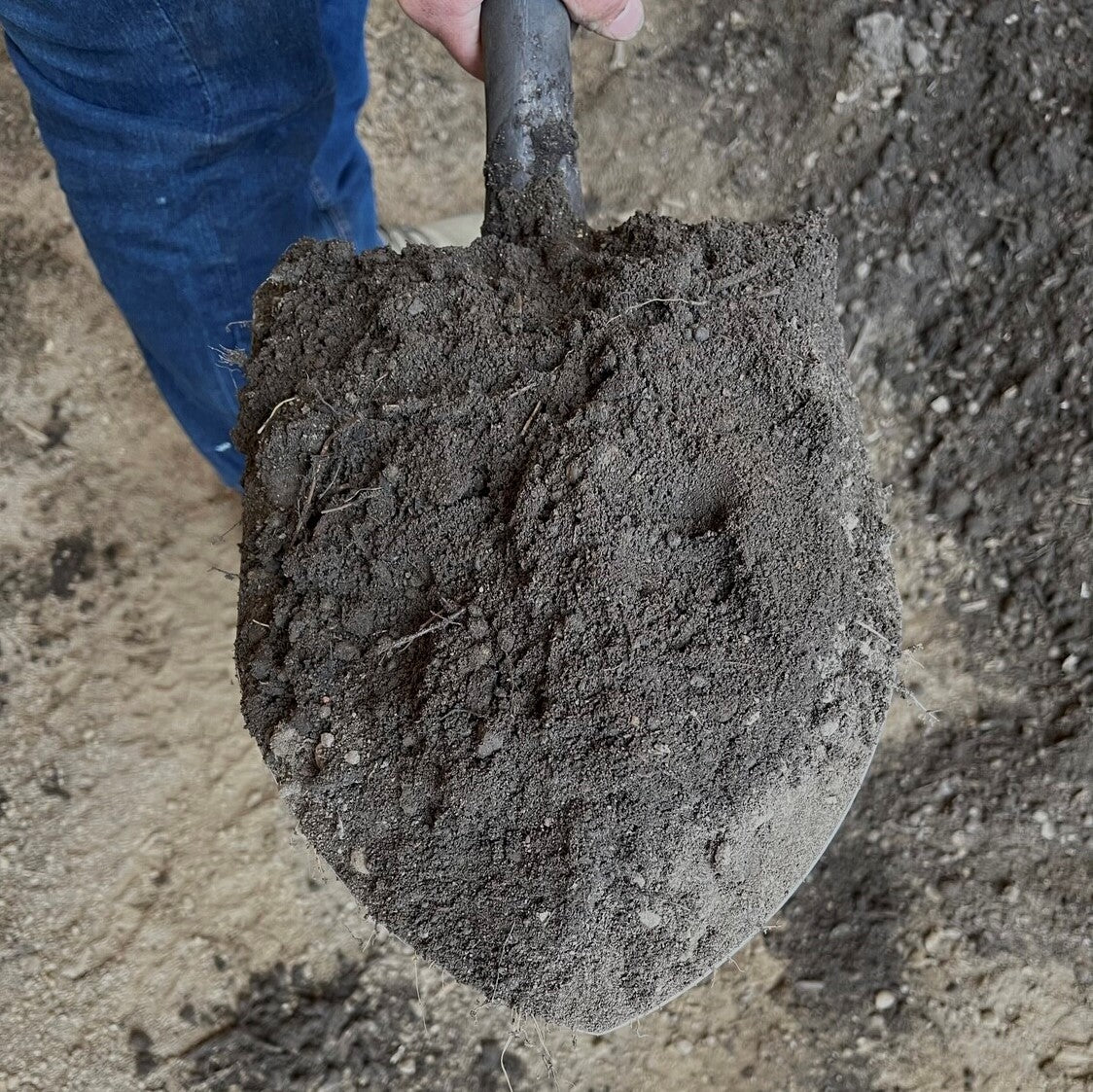
Quality topsoil for lawns, gardens, and landscape projects. Nutrient rich and ready to support strong root development and healthy plant establishment.
My experience with Mulch Mound was great and super easy. I ordered two yards of screened topsoil and was able to get it delivered within 2 days. They came in my requested time frame (afternoon) and dropped it off where I asked on my driveway. The topsoil was exactly what was a...
Tell us what you're looking for
Thanks! We received your request.
Something went wrong. Please try again.
How Much Material Do I Need?
For lawn top-dressing in Lawrence, a quarter to half inch of material spread evenly is enough to level minor low spots without smothering existing grass. For new garden beds built over native silt loam, plan for at least 6 inches of amended soil to give roots a fully workable zone before they encounter the denser native layer below.
Use our free soil calculator
What is a yard?
A yard is approximately 27 cubic feet. As a general guideline, one yard of material can cover an area of about 100-160 square feet at a 2-3 inch depth.
We can't take orders for this right now. Tell us what you need and we'll get back to you.
What do you need?
Thanks! We received your request.
Something went wrong. Please try again.
Hand-picked local yards
4,000+ regional deliveries
Dedicated support
Why order through Mulch Mound
The best local soil, without the guesswork.
We hand-pick and partner with the best yards in your region, keep only the ones our buyers rate well, and back each load with our guarantee.
Mulch Mound Guarantee
If your soil isn't the quantity or quality you ordered, we'll make it right.
About this soil
Quality topsoil for lawns, gardens, and landscape projects. Nutrient rich and ready to support strong root development and healthy plant establishment.
My experience with Mulch Mound was great and super easy. I ordered two yards of screened topsoil and was able to get it delivered within 2 days. They came in my requested time frame (afternoon) and dropped it off where I asked on my driveway. The topsoil was exactly what was a...
How Much Material Do I Need?
For lawn top-dressing in Lawrence, a quarter to half inch of material spread evenly is enough to level minor low spots without smothering existing grass. For new garden beds built over native silt loam, plan for at least 6 inches of amended soil to give roots a fully workable zone before they encounter the denser native layer below.
Use our free soil calculator
What is a yard?
A yard is approximately 27 cubic feet. As a general guideline, one yard of material can cover an area of about 100-160 square feet at a 2-3 inch depth.
My experience with Mulch Mound was great and super easy. I ordered two yards of screened topsoil and was able to get it delivered within 2 days. Th...
Read full review
My experience with Mulch Mound was great and super easy. I ordered two yards of screened topsoil and was able to get it delivered within 2 days. They came in my requested time frame (afternoon) and dropped it off where I asked on my driveway. The topsoil was exactly what was advertised, clean with no rocks or other debris. The price was reasonable. I plan to use them again in a couple weeks to order compost for my garden beds.
Measure the length and width of your project area in feet and determine how deep you need to fill or build up the soil. Multiply length by width by depth in feet, then divide by 27 to convert to cubic yards. Lawrence homeowners doing lawn leveling often underestimate depth because silt loam compresses under wheel traffic, so round up by at least one cubic yard on larger projects.
Soil Types We Deliver in Lawrence
Getting the right bulk topsoil by the yard in Lawrence means fewer trips to the store and more time focused on your project. Whether you are filling low spots, building raised beds, or refreshing tired garden areas, we deliver screened and blended soils by the cubic yard straight to your property. Our selection covers the most common needs for homes and landscapes throughout the region.
Screened Top Soil
Lawrence area soil often runs heavy in clay, making quality topsoil essential for lawns, raised beds, and landscape grading. Screened to remove clumps and debris, this nutrient-rich fill supports strong root development and gives new plantings a healthy start in Kansas's variable growing conditions.
Garden Compost
Finished compost packed with organic matter, this blend works well for gardeners in the region who deal with compacted or nutrient-poor ground. Mix it into planting beds to improve water retention, feed soil biology, and create the loose, workable texture that vegetables and flowers thrive in.
Gardening Blend
A balanced mix of topsoil and organic amendments, this blend is a strong choice for raised beds, new flower gardens, and planting areas across Kansas's varied home landscapes. It drains well, holds nutrients effectively, and is easy to work with straight from delivery.
Complete Your Outdoor Soil Project
Once your soil work is done, a layer of bulk mulch over new planting beds will protect the fresh soil surface from compaction during Lawrence's heavy spring rain events. Stone borders or decorative gravel around the edges of raised beds also help keep soil in place and give your finished project a clean, polished look.
What is the difference between topsoil and garden soil for Lawrence projects?
Topsoil is best for grading, filling low spots, and giving your lawn a consistent base layer. Garden soil or amended blends are richer in organic matter and better suited to vegetable beds, flower borders, and raised planting areas. In Lawrence where the native silt loam is decent but often compacted, using an amended garden mix in planting areas while using topsoil for structural fill is a cost-effective and practical approach.
Answer
How do I know if my Lawrence yard needs new soil or just aeration?
If water pools on your lawn after a normal rain and drains within an hour or two, aeration may be enough to address surface compaction in Lawrence's silt loam. If you have persistent low spots, bare patches that do not respond to overseeding, or raised beds that have sunken more than 2 inches since last season, bringing in bulk soil to regrade or top-dress is the better solution. Lawrence's heavy spring rains make poor grading obvious in a hurry.
Answer
Can I mix bulk soil directly into my existing Lawrence yard soil?
Yes, and it is actually recommended for most Lawrence gardens. Tilling 4 to 6 inches of quality amended soil into the existing silt loam helps blend in organic matter and improves structure without creating a hard layering effect between two very different soil types. That layering can trap water at the transition zone and is a common problem when soil is completely replaced rather than blended into what is already there.
Answer
How much soil do I need to fill a raised garden bed in my Lawrence yard?
For a standard 4 by 8 foot raised bed frame filled to 12 inches deep, you need roughly 1.2 cubic yards of soil. Lawrence gardeners often build frames taller than 12 inches to get above the compacted native silt loam layer below, so account for that extra height when estimating. Use our online calculator or give us a call and we can help you figure out the right amount before you order.
Answer
When is the best time to bring in bulk soil for a Lawrence lawn project?
Late April through early June is ideal for most Lawrence lawn and garden soil projects. The ground is workable after the Apr 15 last frost date, soil temperatures are rising, and you have the full growing season ahead to establish new grass or plantings before the Oct 29 first frost arrives. Avoid ordering during predictably wet stretches in March and early April when delivery access can be limited and the ground stays saturated.
Answer
Will new topsoil help with the drainage issues in my Lawrence backyard?
It can, but only if grading is part of the plan. Adding soil without reshaping the grade just raises the elevation without fixing flow patterns. Lawrence yards with drainage issues typically need new soil installed with a positive slope away from structures and toward a drainage outlet or lower lawn area. Pair bulk soil with proper grading work and the difference through a wet spring is dramatic.
Answer
Is bulk soil from MulchMound safe to use in my Lawrence vegetable garden?
Yes. Our bulk soil products are appropriate for vegetable garden use. For edible gardens in Lawrence, we recommend using a blended garden mix rather than plain topsoil to get the organic matter content your vegetables need during the relatively short growing season between the Apr 15 last frost and the first fall frosts in late October. Mixing in compost at planting time adds even more biological activity to support a productive summer harvest.
Mulch Mound Pro Tip
Lawrence's freeze-thaw cycles between November and March can heave freshly graded soil and leave an uneven surface by spring. If you are doing major grading work in fall, pack the soil firmly and expect to do light touch-up leveling in April before planting or seeding. A lawn roller used on damp but not saturated soil in early spring can save hours of hand raking and re-leveling later in the season.
Mulch Mound Pro Tip
Silt loam in Lawrence has a tendency to shed water quickly when it dries out completely, a condition sometimes called hydrophobicity. If your new topsoil sits through a dry July stretch before you plant, water it lightly a day before you till or seed. This rehydrates the soil particles and allows moisture to move through evenly rather than running off the surface during the first irrigation or rain event.
Mulch Mound Pro Tip
When building raised garden beds in Lawrence, elevate them at least 10 to 12 inches above grade to give roots a buffer above the compact native silt loam below. Lawrence's 39 inches of annual rainfall means native soil can stay saturated for days after a heavy event, and roots confined to a shallow raised bed with no vertical clearance can struggle during wet springs even in otherwise well-draining bed mix.
The Unique Landscape of Lawrence
Lawrence's native silt loam is a mixed asset for homeowners and gardeners. It holds nutrients reasonably well and drains adequately when not compacted, but years of foot traffic, lawn mowing, and seasonal freeze-thaw cycles in Zone 6b leave many yards with a dense, poorly draining surface layer. With the last frost landing as late as Apr 15 and the first frost arriving around Oct 29, the window for establishing new lawn areas or garden beds is tight, and starting with quality soil makes a real difference in how much you accomplish in a single season. The 39 inches of annual rainfall Lawrence receives also means that low spots in yards without proper grading become persistent muddy patches through spring. Bringing in bulk topsoil or garden mix gives you control over the foundation your plants grow in rather than fighting the limitations of compacted native ground.