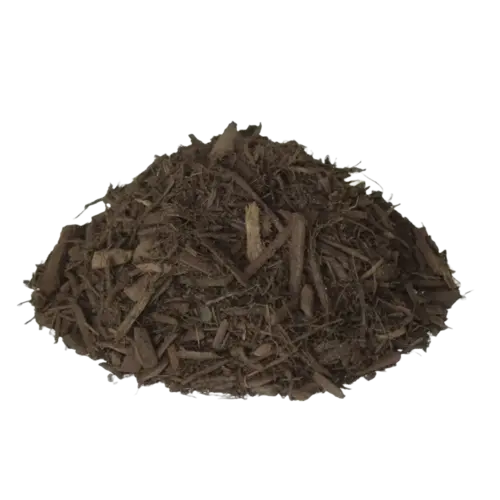
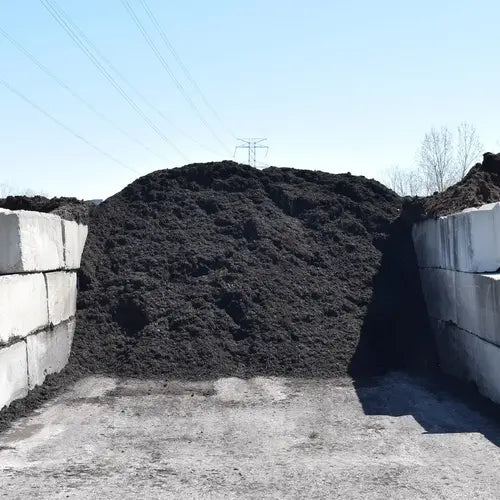
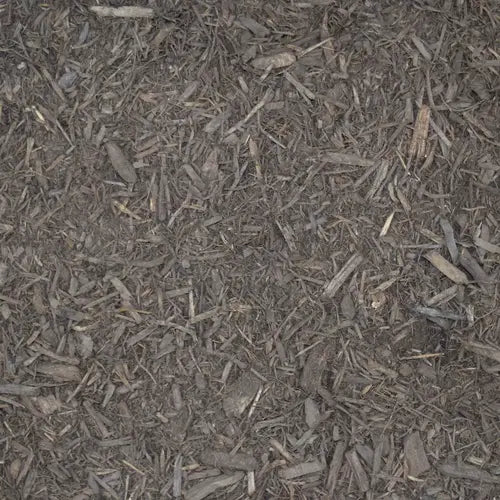
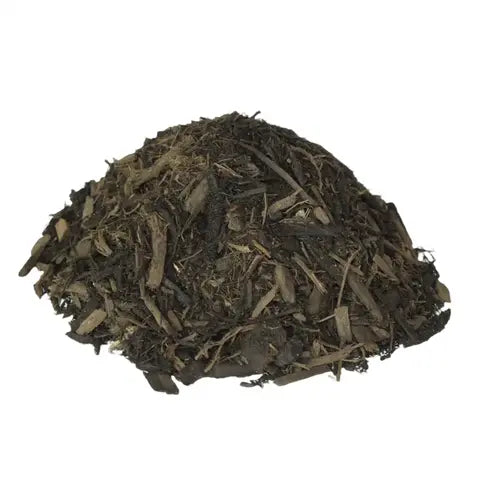
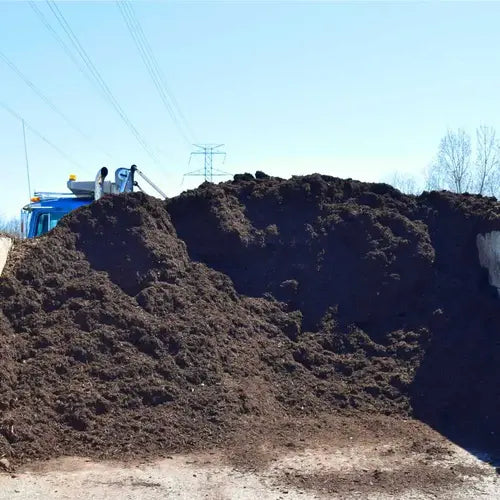
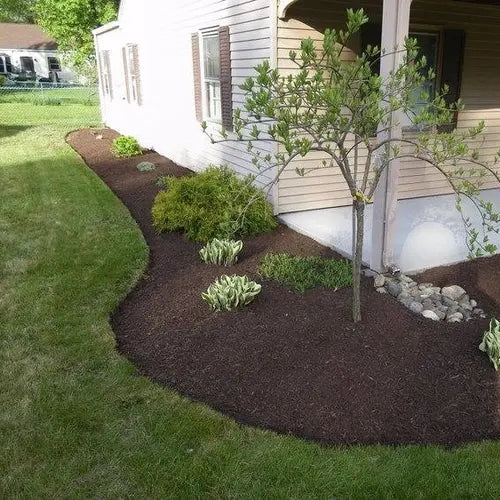
Warm brown double shredded mulch with lasting color that looks freshly applied for weeks. Spreads smooth, stays put, and gives beds a natural, polished appearance.
We needed mulch for our HOA common areas. Local providers were all holding high prices even for 40 yards of mulch. Mulch mound was easy to wowith & has great price for natural mulch + delivery schedule options. They called before delivery to ensure Delivery was exactly wher...
Tell us what you're looking for
Thanks! We received your request.
Something went wrong. Please try again.
How Much Material Do I Need?
For Lawton's red clay loam, target three to four inches of mulch in planting beds, with four inches strongly recommended for areas that receive direct afternoon sun from the southwest. That depth provides meaningful moisture retention even through the dry stretches that regularly separate Lawton's storm events in summer.
Use our free mulch calculator
What is a yard?
A yard is approximately 27 cubic feet. As a general guideline, one yard of material can cover an area of about 100-160 square feet at a 2-3 inch depth.
We can't take orders for this right now. Tell us what you need and we'll get back to you.
What do you need?
Thanks! We received your request.
Something went wrong. Please try again.
Hand-picked local yards
4,000+ regional deliveries
Dedicated support
Why order through Mulch Mound
The best local mulch, without the guesswork.
We hand-pick and partner with the best yards in your region, keep only the ones our buyers rate well, and back each load with our guarantee.
Mulch Mound Guarantee
If your mulch isn't the quantity or quality you ordered, we'll make it right.
About this mulch
Warm brown double shredded mulch with lasting color that looks freshly applied for weeks. Spreads smooth, stays put, and gives beds a natural, polished appearance.
We needed mulch for our HOA common areas. Local providers were all holding high prices even for 40 yards of mulch. Mulch mound was easy to wowith & has great price for natural mulch + delivery schedule options. They called before delivery to ensure Delivery was exactly wher...
How Much Material Do I Need?
For Lawton's red clay loam, target three to four inches of mulch in planting beds, with four inches strongly recommended for areas that receive direct afternoon sun from the southwest. That depth provides meaningful moisture retention even through the dry stretches that regularly separate Lawton's storm events in summer.
Use our free mulch calculator
What is a yard?
A yard is approximately 27 cubic feet. As a general guideline, one yard of material can cover an area of about 100-160 square feet at a 2-3 inch depth.
We needed mulch for our HOA common areas. Local providers were all holding high prices even for 40 yards of mulch. Mulch mound was easy to wowith...
Read full review
We needed mulch for our HOA common areas. Local providers were all holding high prices even for 40 yards of mulch. Mulch mound was easy to wowith & has great price for natural mulch + delivery schedule options. They called before delivery to ensure Delivery was exactly where we wanted it.
Delivery was on time and great quality Mulch. Got it done in a reasonable time and yard looks great. Couldn’t be happier!!! Thank you and will us...
Read full review
Delivery was on time and great quality Mulch. Got it done in a reasonable time and yard looks great. Couldn’t be happier!!! Thank you and will use again!!
Mulch Mound delivered a yard of pea gravel to us. Delivery was on time, driver was friendly and hit a bullseye on the “tarp target”. We used the ...
Read full review
Mulch Mound delivered a yard of pea gravel to us. Delivery was on time, driver was friendly and hit a bullseye on the “tarp target”. We used the pea gravel (which was diameter as specified) to fill several muskrat holes around our pond. I would definitely recommend Mulch Mound to a friend!
Measure the length and width of each bed in feet, multiply them together for square footage, then divide by 100 to get the cubic yards needed for a three inch layer. In Lawton, where full-sun beds facing the southwest lose moisture fastest, rounding up to a four inch calculation is worth doing, and adding ten percent to your total accounts for natural settling after the first rain.
Mulch vs. No Mulch: The Difference
Lawton's combination of intense summer heat and periodic heavy rainfall means mulch breaks down faster here than in cooler or drier climates, so the type you choose has real consequences for both your soil and your maintenance schedule. Natural hardwood mulch decomposes into your clay soil relatively quickly, adding organic matter that gradually opens up Lawton's dense red clay structure, while dyed mulch breaks down at a similar rate but retains visual color through the scorching July and August sun. The choice often comes down to whether you are prioritizing gradual soil improvement or consistent curb appeal across Lawton's long zone 7b growing season.
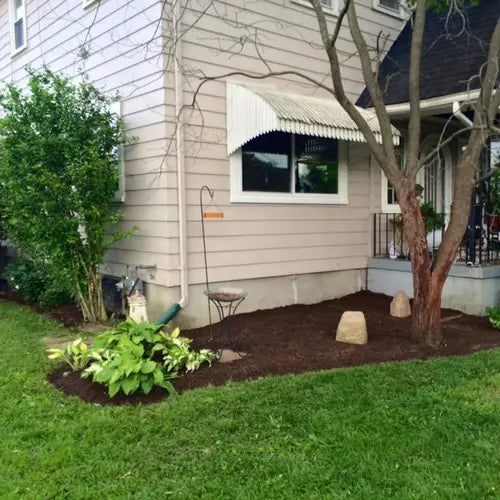
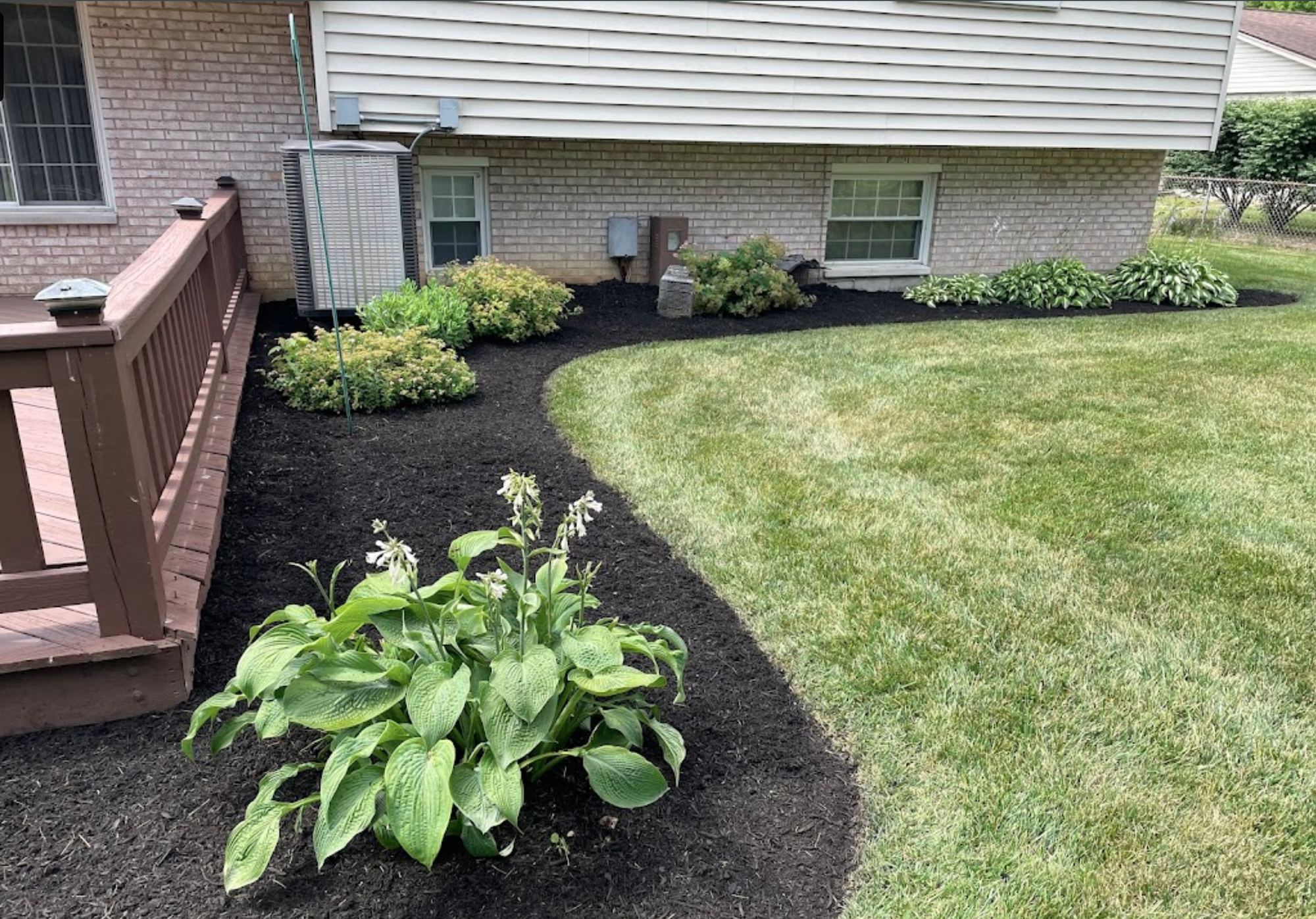
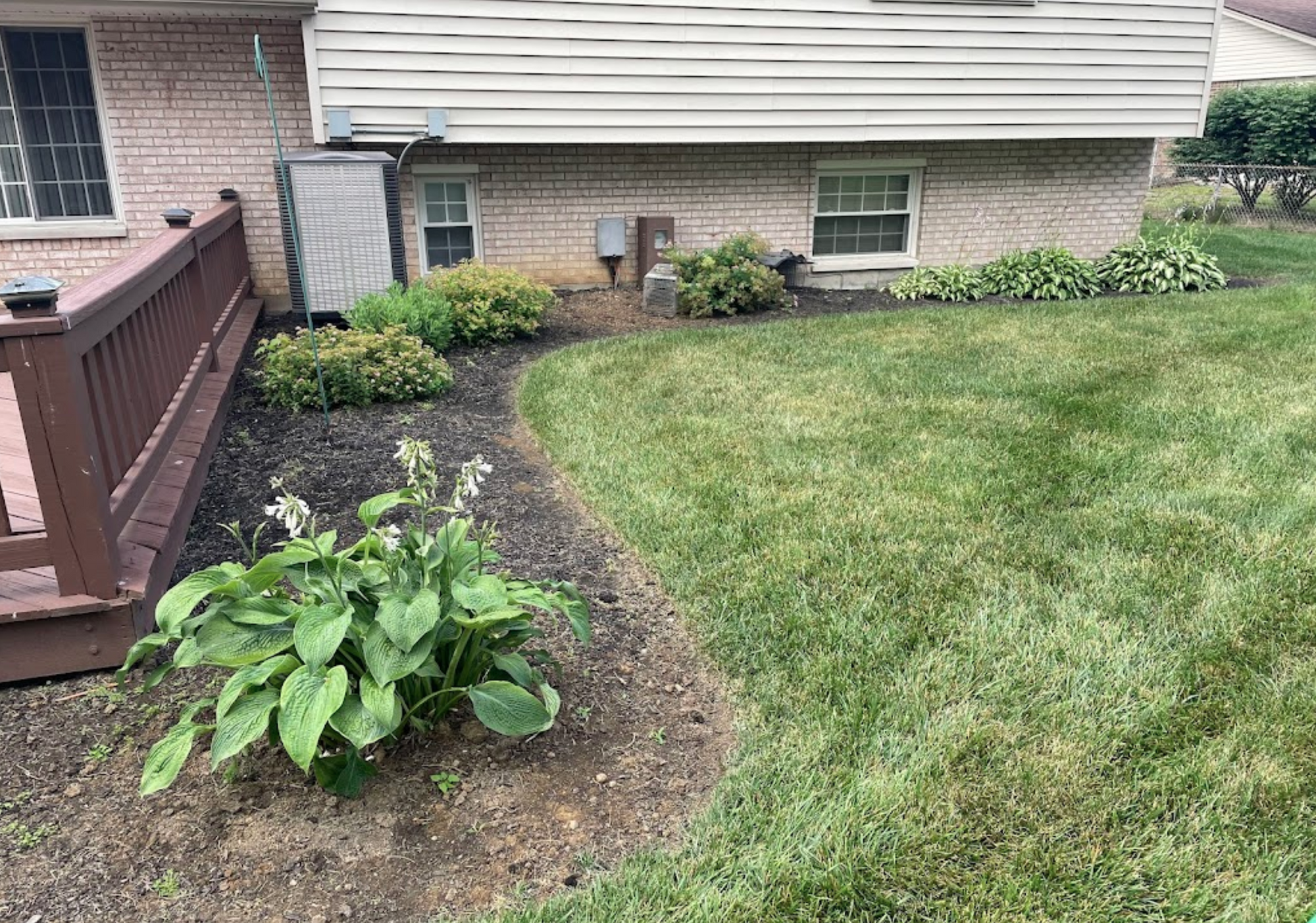
Before
After
Best Mulch Choice for Lawton Lawns
Most yards in the Lawton area sit on Red Clay Loam type of soil. Lawton's red clay loam is slow to absorb water and prone to forming a hard, sealed crust on the surface, making it difficult for planting beds to hold steady moisture levels between rain events.
Hardwood Mulch
Hardwood mulch breaks down gradually into the soil profile, and in Lawton's clay-heavy beds the added organic material from decomposing hardwood slowly loosens tight clay particles over time, improving both drainage and the ability of roots to push deeper into the soil rather than spreading sideways near the surface.
Mulch Types We Deliver in Lawton
Mulch Mound brings bulk mulch delivery in Lawton straight to your driveway or job site, measured and priced by the cubic yard. Whether you are refreshing flower beds or protecting roots through a hot Oklahoma summer, we carry the textures and colors that work for this region. Order the amount you need and we handle the rest.
Dyed Black Mulch
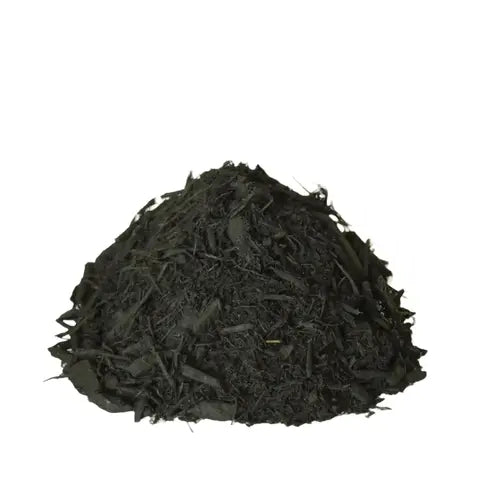
Bold and high contrast, this double shredded black mulch makes plant colors pop against the warm red clay tones common across southwest Oklahoma landscapes. The rich color resists fading through intense summers and steady spring rains. A smooth, even texture means quick spreading across large beds and borders.
Dyed Brown Mulch
A warm, earthy tone that blends naturally with the brick homes and traditional landscapes common in southwest Oklahoma, this double shredded brown mulch looks freshly applied long after installation. The lasting color holds through wind and heat, and the smooth texture spreads evenly across clay soil beds.
Natural Brown Mulch
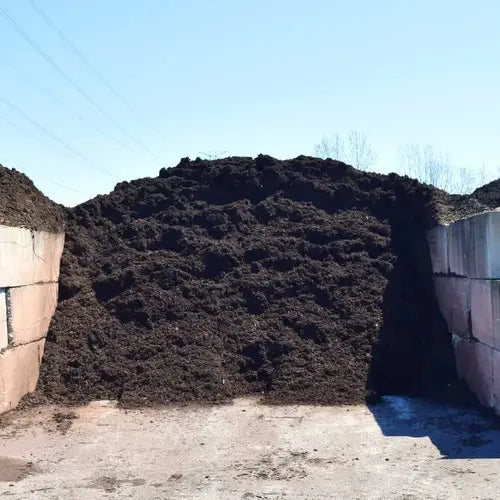
For homeowners who prefer nothing added, this undyed double shredded mulch delivers a genuine wood tone that fits naturally into the open color palette of Oklahoma landscapes. It breaks down over time to improve the dense clay soils common in this region, while keeping moisture in during dry summer stretches.
Complete Your Outdoor Mulch Project
If you are establishing new beds or refreshing tired ones, pair your mulch order with a quality topsoil or garden mix to improve the clay layer underneath before mulching over it. Adding a stone border around the bed perimeter also helps keep mulch in place during Lawton's heavy, fast-moving summer thunderstorms.
Lawton's red clay loam has almost no natural organic matter near the surface and compacts aggressively during summer heat. Before laying fresh mulch, take a few minutes to lightly loosen the top inch of soil with a hand cultivator. This simple step allows nutrients from decomposing mulch to actually work their way into the clay below rather than sitting on top of a sealed surface. Even small improvements in clay structure add up meaningfully in plant health over multiple seasons.
Mulch Mound Pro Tip
Color-enhanced mulch performs noticeably better in Lawton's intense sun because natural hardwood mulch can fade and gray out within a single growing season here. If you are mulching a front-facing bed or any high-visibility area, a quality dyed mulch will hold its appearance through the long stretch from early April to late October without needing a mid-season refresh. The colorants used in quality products are wood-safe and will not harm plants or soil organisms.
Mulch Mound Pro Tip
With Lawton averaging 33 inches of rain per year, often arriving in heavy downpours rather than gentle drizzle, mulch migration along bed edges is a real ongoing issue. After a significant storm it is common to find mulch has shifted toward low spots or washed into lawn areas. Installing a clean defined bed edge, whether a metal border, brick row, or a sharp spade-cut edge, will keep your mulch where it belongs and reduce how much material you lose to runoff through each storm season.
Frequently Asked Questions
Click a question to see the answer
Answer
How thick should I apply mulch over Lawton's red clay soil?
Three to four inches is the right range for Lawton beds. Red clay loam holds moisture longer than sandy soils, but it becomes almost brick-hard when it dries out completely in summer heat. A deeper mulch layer keeps moisture from baking out during July and August, but going beyond four inches can restrict the air exchange your plant roots still need to stay healthy.
Answer
Will mulch actually make a difference with the weed pressure I deal with every summer in Lawton?
It makes a significant difference. Lawton's long warm season stretches from the last frost around April 7 all the way to the first frost near October 31, giving weeds a very wide window to germinate and spread. A consistent three to four inch mulch layer blocks sunlight from reaching weed seeds sitting in the soil below, dramatically cutting down on the number of weeds that successfully sprout in your beds from late spring through fall.
Answer
What is the difference between natural hardwood mulch and dyed mulch for my Lawton yard?
Natural hardwood mulch breaks down faster in Lawton's summer heat and adds organic material to your clay soil over time, which is genuinely valuable here. Dyed mulch holds its color longer through our sun-intense growing season and is a solid choice for high-visibility areas where appearance matters most. Both provide weed suppression and moisture retention, so the decision usually comes down to whether you want to feed your soil over time or keep that fresh color from spring through fall.
Answer
When is the best time of year to apply mulch in Lawton?
Late March or early April, just before or right after our last frost date around April 7, is an ideal time to refresh mulch beds. That timing lets you protect soil moisture heading into the dry spring and summer stretch before serious heat arrives. A second lighter application in late October, after the first frost around October 31, can also help insulate perennial root zones through the winter months.
Answer
How often do I need to replenish mulch in Lawton's climate?
Most Lawton homeowners top off beds once a year, typically in early spring. The combination of intense summer heat and the 33 inches of annual rainfall we receive, often delivered in hard, fast bursts rather than steady drizzle, accelerates decomposition and compacts or displaces mulch faster than you might expect. Checking bed depth in March gives you a clear picture of how much material to add before the growing season kicks off.
Answer
Is mulching around trees a good idea in Lawton's heavy clay soil?
Mulching around trees is especially beneficial in Lawton because clay soil compacts aggressively under foot traffic and lawn equipment, which stresses the root zone over time. Pull the mulch a few inches away from the actual trunk to prevent rot and mold, then spread it two to three feet outward in all directions. This also reduces the need to mow right up to the trunk, protecting bark from mechanical damage and giving roots a healthier environment to work in.
Answer
Can mulch help protect my plants from Lawton's late spring cold snaps?
It provides meaningful protection at the margins. Our last frost date falls around April 7, but Lawton can see surprise cold nights into mid-April in some years. A three to four inch mulch layer insulates the soil and helps root systems of established perennials and shrubs ride out those late cold events. For tender annuals already in the ground, you will still want frost cloth on nights that dip near freezing, but a solid mulch layer adds real thermal buffer for whatever is already planted.
The Unique Landscape of Lawton
Lawton's red clay loam soil compacts tightly during the hot, dry summers, making it difficult for plant roots to access water and nutrients between rain events. With only 33 inches of annual rainfall distributed unevenly across the seasons, moisture retention in planting beds is a genuine necessity rather than a luxury. A consistent mulch layer slows evaporation dramatically during the weeks of July and August when temperatures push past 100 degrees and rain can disappear entirely. Mulch also moderates the wide soil temperature swings that matter in zone 7b, where a late frost near April 7 can still threaten new growth after a warm spell tricks plants into emerging early. Organic mulch breaking down over time gradually introduces organic matter into Lawton's dense clay, slowly improving soil structure and drainage with each passing season.