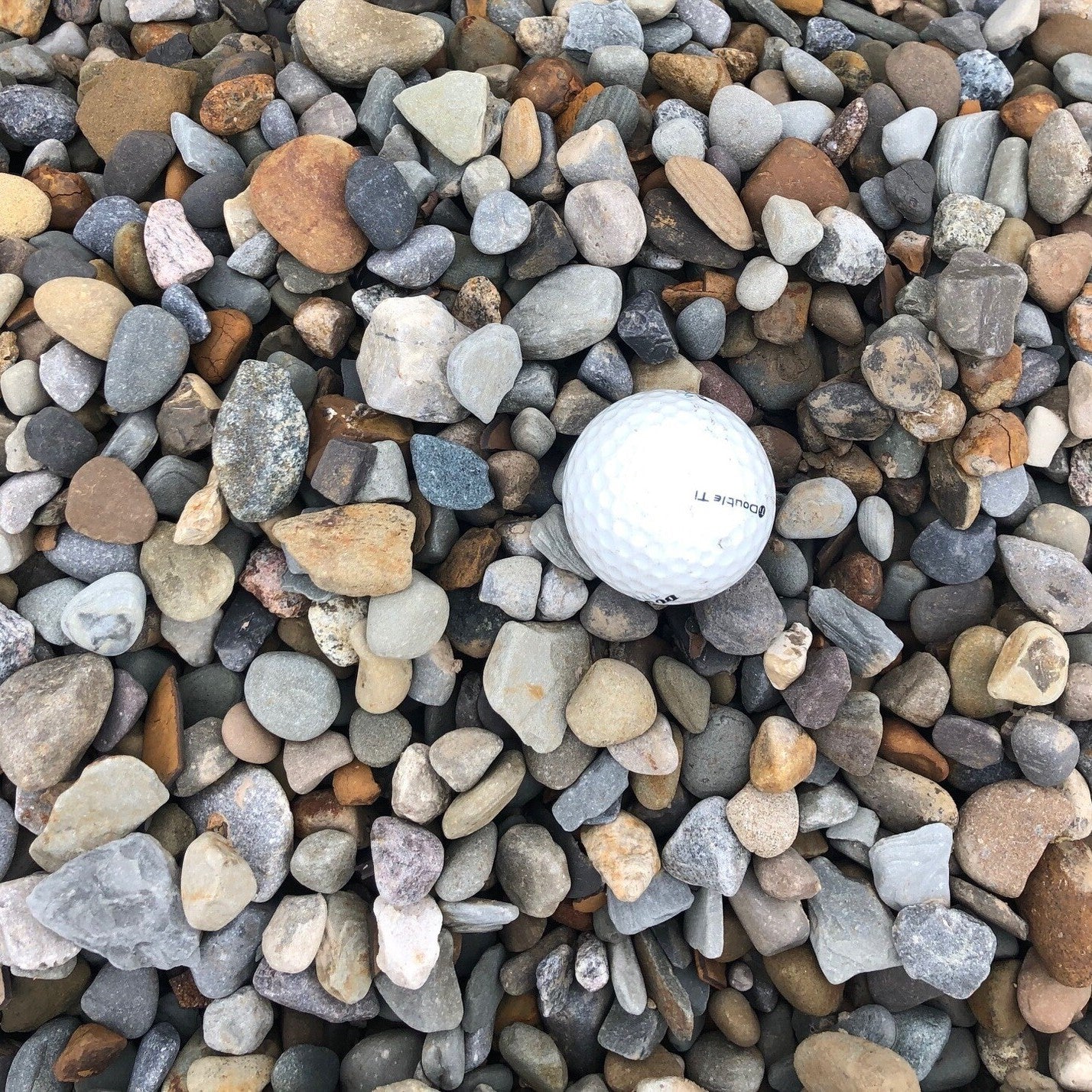
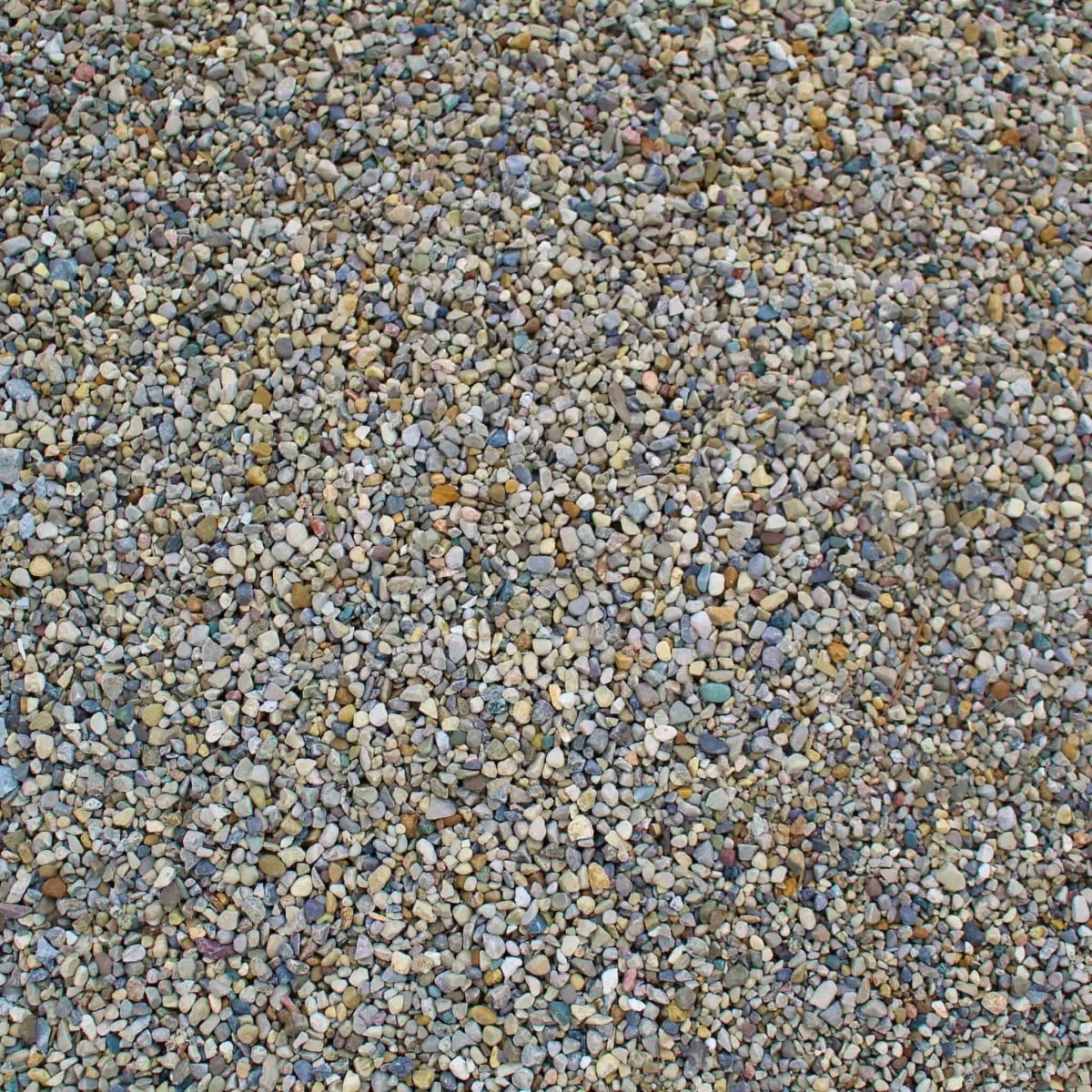
Number 57 crushed stone, angular limestone graded to about three quarters of an inch. The standard driveway, base and drainage gravel, it locks together under traffic and drains fast.
I used Mulch Mound to have 3 cubic yards of garden soil delivered. The process was easy and I love that I didn't have to call anyone. I placed my order online, picked my delivery date, laid out my tarp and the dirt was delivered. My delivery had to be pushed back, but I was ke...
Tell us what you're looking for
Thanks! We received your request.
Something went wrong. Please try again.
How Much Material Do I Need?
For pathways and decorative ground cover in Lawton, a two to three inch depth of stone is standard, while drainage channels and erosion control applications along slopes call for four to six inches to ensure the stone stays in place during heavy storm events. Foundation borders work best at four inches of stone depth laid over a separate coarse gravel base layer.
Use our free gravel calculator
What is a yard?
A yard is approximately 27 cubic feet. As a general guideline, one yard of material can cover an area of about 100-160 square feet at a 2-3 inch depth.
We can't take orders for this right now. Tell us what you need and we'll get back to you.
What do you need?
Thanks! We received your request.
Something went wrong. Please try again.
Hand-picked local yards
4,000+ regional deliveries
Dedicated support
Why order through Mulch Mound
The best local stone, without the guesswork.
We hand-pick and partner with the best yards in your region, keep only the ones our buyers rate well, and back each load with our guarantee.
Mulch Mound Guarantee
If your stone isn't the quantity or quality you ordered, we'll make it right.
About this stone
Number 57 crushed stone, angular limestone graded to about three quarters of an inch. The standard driveway, base and drainage gravel, it locks together under traffic and drains fast.
I used Mulch Mound to have 3 cubic yards of garden soil delivered. The process was easy and I love that I didn't have to call anyone. I placed my order online, picked my delivery date, laid out my tarp and the dirt was delivered. My delivery had to be pushed back, but I was ke...
How Much Material Do I Need?
For pathways and decorative ground cover in Lawton, a two to three inch depth of stone is standard, while drainage channels and erosion control applications along slopes call for four to six inches to ensure the stone stays in place during heavy storm events. Foundation borders work best at four inches of stone depth laid over a separate coarse gravel base layer.
Use our free gravel calculator
What is a yard?
A yard is approximately 27 cubic feet. As a general guideline, one yard of material can cover an area of about 100-160 square feet at a 2-3 inch depth.
I used Mulch Mound to have 3 cubic yards of garden soil delivered. The process was easy and I love that I didn't have to call anyone. I placed my o...
Read full review
I used Mulch Mound to have 3 cubic yards of garden soil delivered. The process was easy and I love that I didn't have to call anyone. I placed my order online, picked my delivery date, laid out my tarp and the dirt was delivered. My delivery had to be pushed back, but I was kept informed via text, which was great. So why not 5 stars? The description of garden soil on the website is "A balanced mix of topsoil and organic amendments ready for raised beds, flower gardens, and new planting areas. Good drainage, solid nutrients, easy to work with." What I got was more like fill dirt. It had a lot of gravel, a lot of clay, and random trash mixed in. I didn't test the soil to see if it actually had "amendments" because I already have compost and alpaca manure ready to add, but if I'd known the quality of the dirt was going to be the same as the bagged dirt I bought last year, I probably would have gotten 2 yards of top soil and a yard of leaf compost for better quality, especially since the leaf compost is cheaper. Photo of my mountain of dirt and just some of the trash I found in it.
Really appreciate the care and follow thru that this company had with our order. A hiccup came up but they were quick to respond and address all co...
Read full review
Really appreciate the care and follow thru that this company had with our order. A hiccup came up but they were quick to respond and address all concerns, which made our garden day a success! Thank you for your prompt care.
Measure your area's length and width in feet and multiply them together for square footage, then plan on roughly one cubic yard of stone covering about 100 square feet at a two inch depth. In Lawton, where stone tends to settle slightly into clay soil through the first season, adding ten percent to your initial estimate ensures you reach your target depth without needing a second delivery to top things off.
Stone Types We Deliver in Lawton
Mulch Mound delivers bulk stone by the cubic yard directly to homes and job sites across Lawton, making it easy to source quality landscape material without a trip to the supply yard. Customers throughout southwest Oklahoma searching for bulk gravel by the yard will find straightforward ordering and reliable drop-off at their door. We carry only the varieties that perform best for this region's soil, climate, and landscape style.
Pea Gravel
Pea gravel suits Lawton yards well, offering smooth rounded texture and warm earth tones that blend naturally with the region's open landscapes. It works beautifully for garden pathways, patio borders, and drainage beds, and its manageable size makes it easy to spread evenly across Oklahoma's clay-heavy ground.
Complete Your Outdoor Stone Project
Stone borders pair naturally with mulched planting beds in Lawton, with the stone edging keeping mulch in place during summer storms while creating a clean visual separation between bed and lawn areas. If you are installing stone in an area with drainage concerns, ordering a layer of crushed base gravel to go beneath your decorative stone creates a more effective drainage system than surface stone alone over Lawton's slow-draining clay.
In Lawton, the base preparation under stone is just as important as the stone itself. Clay soil contracts and expands through the freeze-thaw cycles that occur between November and March, and stone installations set directly on clay without a flexible gravel base tend to heave, shift, and become uneven within a season or two. A two to three inch compacted crushed gravel base under your stone layer allows the installation to accommodate that movement without cracking or tilting, adding years to the life of any pathway or border project.
Mulch Mound Pro Tip
Lighter-colored stones like white river rock and tan flagstone stay significantly cooler on the surface than dark options like black lava rock or charcoal granite during Lawton's intense summer sun. If you are placing stone adjacent to plant beds or near an outdoor seating area, the temperature difference between light and dark stone on a 100-degree Lawton afternoon is substantial and measurable. Choosing lighter tones for full sun applications reduces the additional heat load that dark stone radiates onto nearby soil, roots, and foot traffic areas.
Mulch Mound Pro Tip
Lawton's clay soil has almost no natural gravel or coarse material in its profile, which means water moves through it very slowly and runoff finds its own path across your yard after heavy rains. When installing a dry creek bed or drainage swale with decorative river rock, do not treat it as a purely cosmetic feature. Digging the channel four to six inches deep and lining it with filter fabric before filling with stone creates a functional drainage corridor that gives storm water a defined path through the clay, protecting your yard from the surface erosion that occurs when fast-moving water cuts its own route.
The Unique Landscape of Lawton
In Lawton, decorative and functional stone is one of the most practical landscaping investments you can make given the city's challenging combination of red clay soil, intense summer heat, and periodic heavy rainfall. Stone pathways, borders, and ground cover areas require virtually no seasonal maintenance, which matters in a climate where the growing season stretches from early April to late October and planted areas demand constant attention. Erosion control is a genuine concern in Lawton because red clay loam, when dry and compacted, sheds water rapidly during intense storms rather than absorbing it slowly. Stone placed along slopes, drainage channels, and foundation borders slows that runoff and protects your soil from washing away event after event. Beyond its functional role, stone also adds year-round visual structure to a landscape that can look sparse during Lawton's dry summer stretches when plant material goes dormant or drops foliage under heat stress.
Frequently Asked Questions
Click a question to see the answer
Answer
What size stone works best for a walkway in a Lawton yard?
For a stable and comfortable walking surface in Lawton, a crushed stone in the three-quarter inch range packs down well and provides solid traction even after rain. Pea gravel is popular for its appearance but tends to shift underfoot and scatter more easily, which becomes frustrating after Lawton's heavy thunderstorms push it around your yard. If you prefer a more defined look, larger stepping stones set into a crushed stone base give you a clean formal path that holds up well through the winter freeze-thaw cycles we see each season.
Answer
Will stone landscaping help with the water pooling I get in parts of my Lawton yard?
Stone is one of the most effective tools for addressing persistent pooling in Lawton's clay-heavy landscape. Because red clay loam drains so slowly, water naturally collects in low spots after any meaningful rain event. A dry creek bed or drainage swale filled with river rock or larger decorative stone gives that water a defined channel to travel through and prevents it from sitting long enough to kill grass or create mud zones. The stone also protects the soil channel from eroding each time water moves through it during a storm.
Answer
Is gravel a good alternative to mulch in the hot, sunny parts of my Lawton landscape?
For foundation borders, utility areas, and spots where organic mulch breaks down too quickly in Lawton's summer heat, gravel or crushed stone is an excellent low-maintenance alternative. Stone does not decompose, does not migrate as easily as mulch during heavy rain, and never needs annual replenishment the way organic materials do. The main trade-off is that stone absorbs and radiates heat in full sun, which can stress moisture-sensitive plant roots, so it works best in structural or purely decorative areas rather than directly around tender plantings.
Answer
How do I keep decorative stone from sinking into Lawton's clay soil over time?
Lawton's red clay loam will gradually swallow loose stone without a proper base layer. Installing landscape fabric before placing your decorative stone keeps the material from migrating down into the clay below. For heavier traffic areas like pathways, a two to three inch compacted gravel base under your decorative stone layer provides a stable foundation that resists the heaving and shifting caused by the freeze-thaw cycles that affect Lawton's clay soil each winter.
Answer
What type of stone is best for controlling erosion on a sloped area in my Lawton yard?
For sloped areas where Lawton's fast, heavy rains can wash soil downhill quickly, larger river rock or rip-rap stone in the three to six inch range is the most effective erosion control option. The weight and mass of larger stone resists movement even during intense storm events, and the irregular shapes interlock enough to hold a slope without mortar or mechanical fastening. Smaller decorative gravels simply are not heavy enough to stay put on a meaningful slope when Lawton gets one of its hard, fast-moving thunderstorms.
Answer
Can I use stone around my foundation to improve drainage near my Lawton home?
A gravel foundation border is a smart investment in Lawton for several reasons. It creates a drainage zone that channels water away from your foundation rather than allowing it to pool against the structure, which is a real risk given how slowly Lawton's clay soil absorbs rainfall. A six to twelve inch wide band of coarse gravel or crushed stone sloped slightly away from the house also discourages pests and keeps the soil around the foundation from staying perpetually wet after storms, protecting both the foundation itself and any wood framing elements at ground level.
Answer
How deep should I lay stone for a low-maintenance ground cover area in my Lawton yard?
Two to three inches of stone over a landscape fabric layer is typically enough to suppress weeds and create a clean finished appearance without requiring an excessive amount of material. In Lawton, where clay soil makes pulling established weeds especially difficult once they root into the hard surface, that fabric layer under the stone is critically important. Weeds that get a foothold in a stone bed are far harder to remove than those in loose mulch, so a well-installed stone ground cover area here can genuinely go years with minimal intervention.