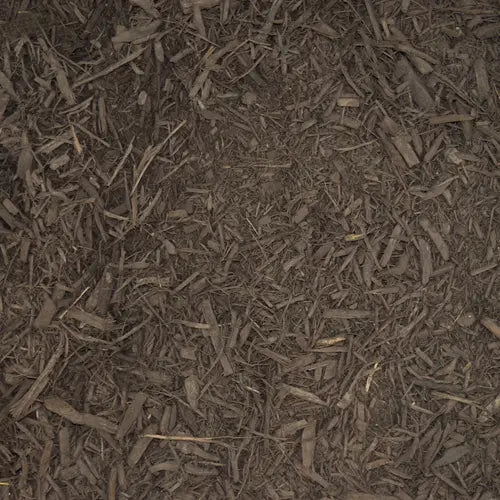
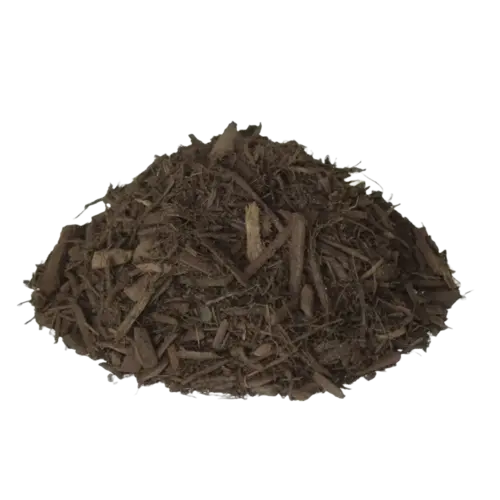
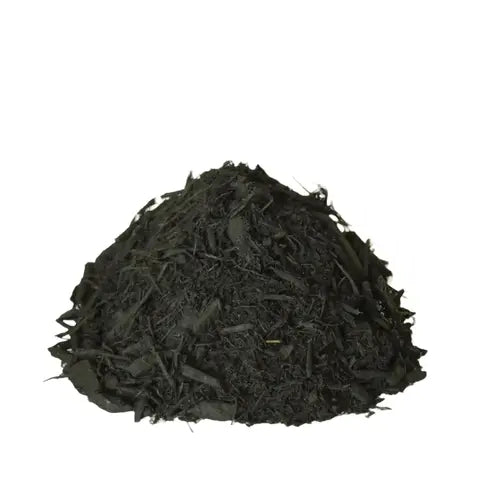
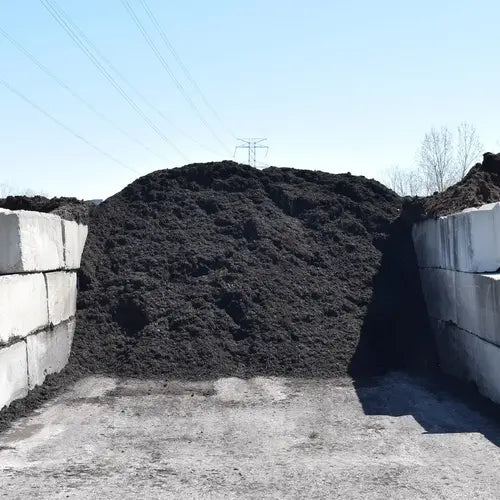
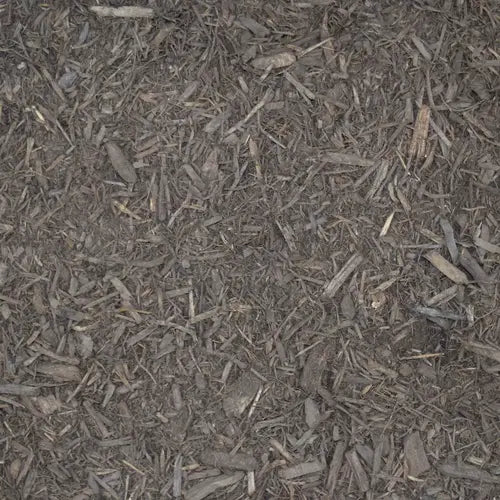
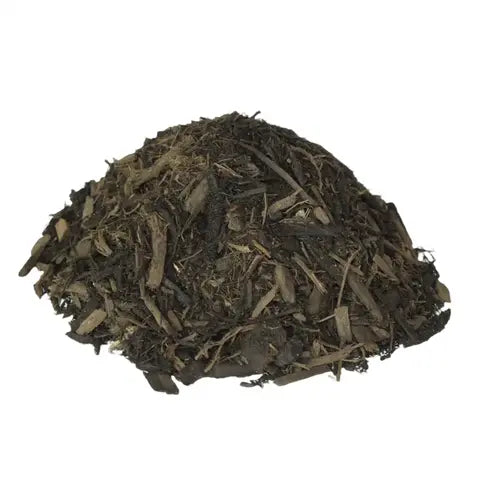
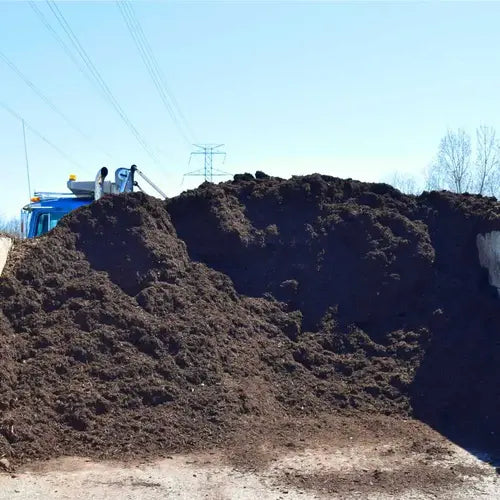
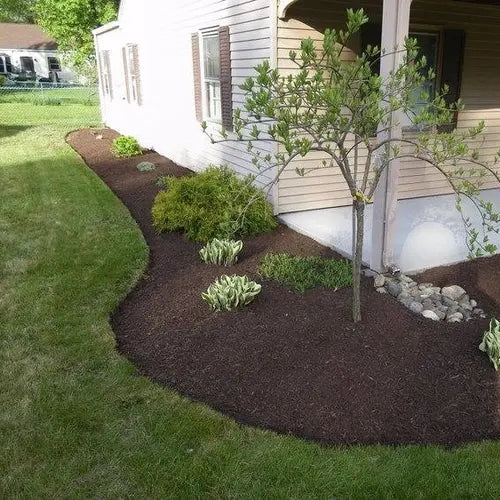
Warm brown double shredded mulch with lasting color that looks freshly applied for weeks. Spreads smooth, stays put, and gives beds a natural, polished appearance.
I contacted Mulch Mound for #57 river rocks and it was easy and fast to get a delivery right before the holiday weekend. Stone was delivered as promised and place exactly where I asked. Excellent service! I will be ordering mulch next!
Tell us what you're looking for
Thanks! We received your request.
Something went wrong. Please try again.
How Much Material Do I Need?
Lima's silt loam soil benefits most from a consistent 3-inch mulch layer, which is deep enough to suppress weeds and moderate soil temperature without creating low-oxygen conditions at the root zone. For new beds or heavily compacted areas, starting at 3.5 inches gives the mulch room to settle into the soil surface during Lima's first spring rains.
Use our free mulch calculator
What is a yard?
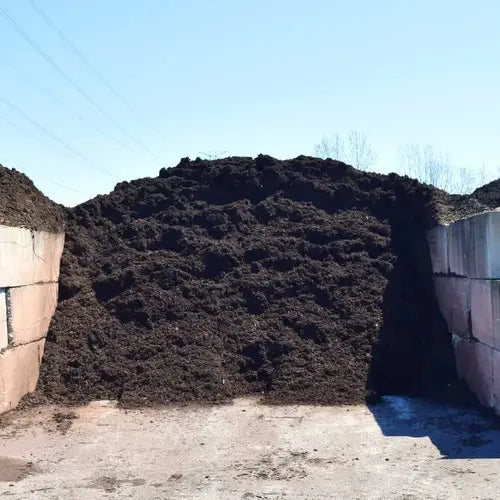
A yard is approximately 27 cubic feet. As a general guideline, one yard of material can cover an area of about 100-160 square feet at a 2-3 inch depth.
We can't take orders for this right now. Tell us what you need and we'll get back to you.
What do you need?
Thanks! We received your request.
Something went wrong. Please try again.
Hand-picked local yards
4,000+ regional deliveries
Dedicated support
Why order through Mulch Mound
The best local mulch, without the guesswork.
We hand-pick and partner with the best yards in your region, keep only the ones our buyers rate well, and back each load with our guarantee.
Mulch Mound Guarantee
If your mulch isn't the quantity or quality you ordered, we'll make it right.
About this mulch
Warm brown double shredded mulch with lasting color that looks freshly applied for weeks. Spreads smooth, stays put, and gives beds a natural, polished appearance.
I contacted Mulch Mound for #57 river rocks and it was easy and fast to get a delivery right before the holiday weekend. Stone was delivered as promised and place exactly where I asked. Excellent service! I will be ordering mulch next!
How Much Material Do I Need?
Lima's silt loam soil benefits most from a consistent 3-inch mulch layer, which is deep enough to suppress weeds and moderate soil temperature without creating low-oxygen conditions at the root zone. For new beds or heavily compacted areas, starting at 3.5 inches gives the mulch room to settle into the soil surface during Lima's first spring rains.
Use our free mulch calculator
What is a yard?
A yard is approximately 27 cubic feet. As a general guideline, one yard of material can cover an area of about 100-160 square feet at a 2-3 inch depth.
I contacted Mulch Mound for #57 river rocks and it was easy and fast to get a delivery right before the holiday weekend. Stone was delivered as pro...
Read full review
I contacted Mulch Mound for #57 river rocks and it was easy and fast to get a delivery right before the holiday weekend. Stone was delivered as promised and place exactly where I asked. Excellent service! I will be ordering mulch next!
I recently ordered from mulch mound and was thoroughly impressed with every aspect of the experience. The entire process, from placing the order to...
Read full review
I recently ordered from mulch mound and was thoroughly impressed with every aspect of the experience. The entire process, from placing the order to delivery was seamless and efficient. The mulch arrived exactly on time, and the quality exceeded my expectations. The color was rich and consistent, and I received more than enough to complete my project with proper coverage and packing.
Customer service was equally outstanding. Communication was clear, and the team was responsive and professional throughout. It’s rare to find a company that delivers both a high-quality product and excellent service, but mulch mound did just that.
Highly recommended, and I wouldn’t hesitate to order from them again.
I couldn't be happier with the speed and quality of the mulch delivery service of Mulch Mound. Every detail from ordering, to communication with on...
Read full review
I couldn't be happier with the speed and quality of the mulch delivery service of Mulch Mound. Every detail from ordering, to communication with on time delivery, to perfect product placement was amazing. I needed more and I got it within 2 hours! I'm never doing this with bags again.
Start by measuring the length and width of each bed or area in feet and multiply to get square footage. For Lima's silt loam soil, a 3-inch depth is the standard recommendation, so divide your total square footage by 100 to estimate cubic yards needed. Keep in mind that newly prepared Lima beds often settle after the first few rain events, so rounding up slightly ensures you maintain full coverage through the season.
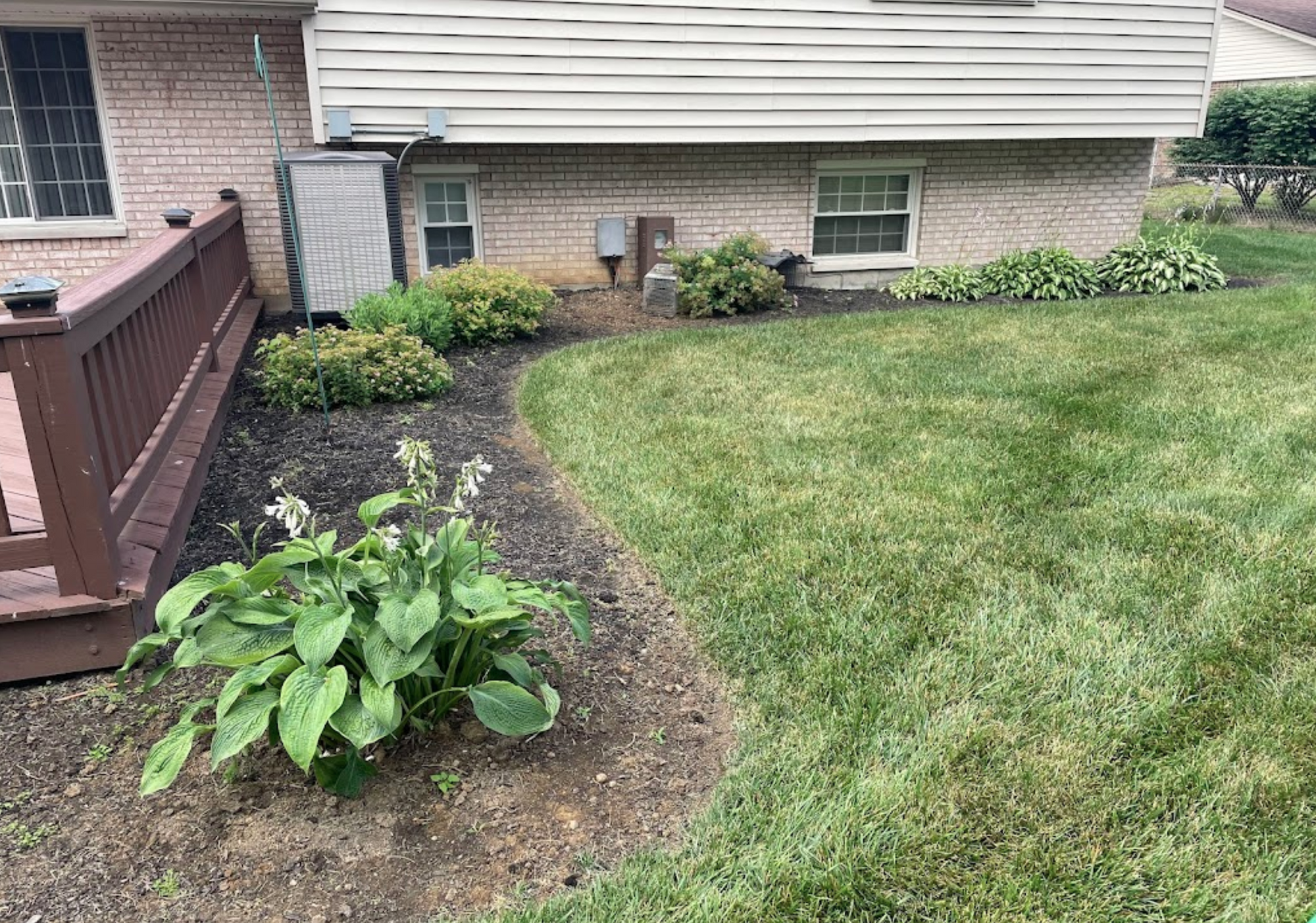
Mulch vs. No Mulch: The Difference
Lima's zone 6b climate brings a full range of seasonal conditions that affect how quickly mulch breaks down, and choosing between natural and dyed options depends on both your soil improvement goals and your aesthetic preferences for the season. Natural hardwood mulch decomposes faster in Lima's warm, humid summers, feeding silt loam soil with organic matter that gradually improves its structure and water-holding capacity. Dyed mulch uses a colorfast binder that slows decomposition slightly, making it a practical choice for Lima homeowners who want longer-lasting visual appeal with less frequent top-dressing between seasons.
Before
After
Best Mulch Choice for Lima Lawns
Most yards in the Lima area sit on Silt Loam type of soil. Lima's silt loam compacts and crusts more readily than looser sandy soils, which can starve plant roots of oxygen and make it harder for rainfall to penetrate deep into the bed profile. A quality mulch layer creates a protective barrier that buffers silt loam from rain impact and foot traffic, preserving its workable texture through the growing season.
Hardwood Mulch
Hardwood mulch is particularly well suited for Lima's silt loam beds because as it decomposes it releases organic matter that binds to silt particles and gradually creates a more stable, porous soil structure over time. After one to two growing seasons, this process measurably improves water infiltration and reduces the surface crusting that Lima gardeners commonly encounter after the region's spring and early summer rain events.
Mulch Types We Deliver in Lima
Mulch Mound delivers bulk mulch by the cubic yard straight to your door, making bulk mulch delivery in Lima faster and more affordable than hauling bags from a store. Whether you are freshening up beds around a brick ranch home or covering a larger landscaping project, we load and deliver so you can focus on the work. Our selection includes dyed and natural options suited to the typical home styles and clay-heavy soils of northwest Ohio.
Dyed Black Mulch
Available in double shredded style, this bold black mulch creates sharp contrast against the light soil tones and brick exteriors common across northwest Ohio. The rich color holds through heat and heavy spring rains, and the smooth texture spreads evenly across both tight foundation beds and open landscape areas.
Dyed Brown Mulch
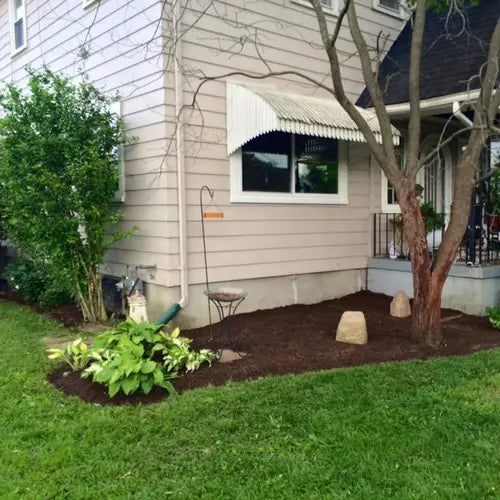
Warm brown and double shredded, this mulch blends naturally with the earthy soil tones of northwest Ohio while still giving beds a freshly finished look. The lasting color means less frequent reapplication through the full growing season, making it a practical choice for larger residential landscapes and front yard curb appeal projects.
Natural Brown Mulch
This undyed double shredded mulch lets the wood's own warm brown tones do the work, fitting naturally alongside the established plantings and mature shade trees common across this part of Ohio. Homeowners who prefer a clean and honest look without any color treatment will find it a reliable choice for any bed size.
Complete Your Outdoor Mulch Project
If you are also freshening up garden beds, consider pairing your mulch order with a delivery of bulk topsoil to improve the silt loam base before layering mulch on top. Decorative stone from our Lima inventory works great as edging material along mulched beds, helping contain the mulch during Lima's heavier rain events and giving borders a clean, finished look.
Lima's silt loam tends to crust over after moderate rain, which can trap moisture near the surface and encourage shallow rooting in garden beds. Before spreading mulch each spring, loosen the top inch of existing bed soil with a hand cultivator to break up any crust layer that formed over winter. This gives the new mulch and incoming rainfall a clear path to reach deeper root zones where Lima plants need hydration most during the summer growing season.
Mulch Mound Pro Tip
Timing your mulch application around Lima's frost calendar makes a real difference in how well your plants perform early in the season. Waiting until after April 25 to apply spring mulch allows the soil to absorb heat naturally, which speeds germination for annuals and encourages earlier growth in established perennials. Applying too early insulates cold into the soil and can set Lima gardeners back by one to two weeks during the already compact zone 6b growing window.
Mulch Mound Pro Tip
With Lima receiving around 38 inches of rain annually, mulch placement on any sloped or graded bed matters far more than most homeowners expect. On any bed with even a modest pitch, choose a coarser shredded hardwood mulch rather than fine-ground material, which washes downhill quickly during Lima's spring downpours and leaves bed soil exposed. Pairing the right mulch texture with a simple stone or metal edge keeps your beds intact and looking intentional through Lima's wetter months.
Frequently Asked Questions
Click a question to see the answer
Answer
How much mulch do I need for my garden beds in Lima?
For most Lima garden beds on silt loam soil, a 3-inch layer is the sweet spot. Silt loam compacts more readily than sandy soils, so that depth provides enough cushion to suppress weeds and retain moisture through Lima's drier summer stretches without smothering shallow roots. Measure the length and width of each bed in feet, multiply them together, then divide by 100 to estimate the cubic yards needed at a 3-inch depth.
Answer
When is the best time to mulch my yard in Lima, Ohio?
Lima's last frost typically falls around April 25, so early to mid-May is the ideal window for spring mulching. Applying mulch after the soil has warmed naturally lets perennials and annuals establish without being held back by cold, insulated ground. A second application in late October, just after the first frost around October 16, helps protect root systems through Lima's winter months and reduces frost heave in ornamental beds.
Answer
Will mulch help with the surface sealing I notice in my Lima garden beds after heavy rain?
Lima sits on silt loam, which drains better than heavy clay but still seals over after repeated rain events because of its fine particle structure. Organic mulch like hardwood bark gradually breaks down and adds organic matter to the top layer of soil, improving its structure over time. This slow decomposition helps loosen the surface and allows water to infiltrate more evenly rather than running off or pooling at the soil surface.
Answer
Does colored or dyed mulch hold up well through Lima's rainy seasons?
Dyed mulch holds its color reasonably well through Lima's spring rain season, but the region's 38 inches of annual rainfall does cause noticeable fading over a full growing season. Most Lima homeowners find that a fresh top-dress in spring refreshes the color without needing a full replacement. If long color retention is a priority, double-ground hardwood dyed mulch tends to resist breakdown better than single-ground options and holds pigment longer through Lima's wet stretches.
Answer
How often should I replace the mulch in my Lima garden beds?
In Lima's climate, organic hardwood mulch typically breaks down over 12 to 18 months depending on moisture levels and how much direct sun the bed receives. Rather than doing a full replacement each year, most Lima homeowners add a 1 to 2 inch top-dress in spring to restore depth without overfilling beds. A complete replacement is usually needed every two to three seasons once the existing layer has fully broken down into the silt loam below.
Answer
Can I use bulk mulch around my trees in Lima without causing problems?
Yes, and it is especially beneficial in Lima where silt loam near tree bases compacts easily from foot traffic and mowing equipment. Keep mulch pulled back 2 to 3 inches from the trunk itself to prevent moisture buildup against the bark, which can cause rot in Lima's wetter springs. A wide mulch ring extending toward the drip line helps retain soil moisture during Lima's occasional dry spells in July and August while also reducing competition from lawn grass.
Answer
Is there a mulch type that works best specifically for Lima's silt loam soil?
Hardwood bark mulch is a strong choice for Lima's silt loam beds because it breaks down at a moderate pace, adding organic matter without decomposing so quickly that it needs constant replacement. Its heavier texture also resists washout during Lima's heavier spring rain events better than fine-shredded options that can float or shift. For ornamental beds, dyed hardwood blends offer the same soil benefits with added visual appeal throughout the growing season.
The Unique Landscape of Lima
Lima's silt loam soil is naturally prone to surface crusting after moderate rain events, which can block oxygen and water from reaching plant roots in established beds. With 38 inches of annual rainfall spread unevenly across the year, Lima gardens often swing between saturated beds in spring and dry, cracked topsoil during mid-summer dry spells. A consistent layer of mulch acts as a buffer, moderating these moisture extremes and keeping root zones stable through the zone 6b growing season. Lima's growing window runs from around April 25 through October 16, meaning beds need insulation during both late spring cold snaps and the first hard freeze of autumn. Mulch helps extend the effective growing season by moderating soil temperature through those transitional weeks on either end. Without adequate mulch coverage, Lima's silt loam compacts quickly underfoot and under repeated rainfall, turning productive beds into crusted, weed-prone patches by midsummer.