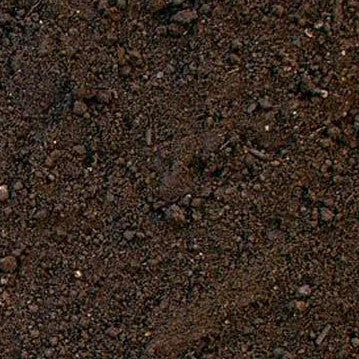
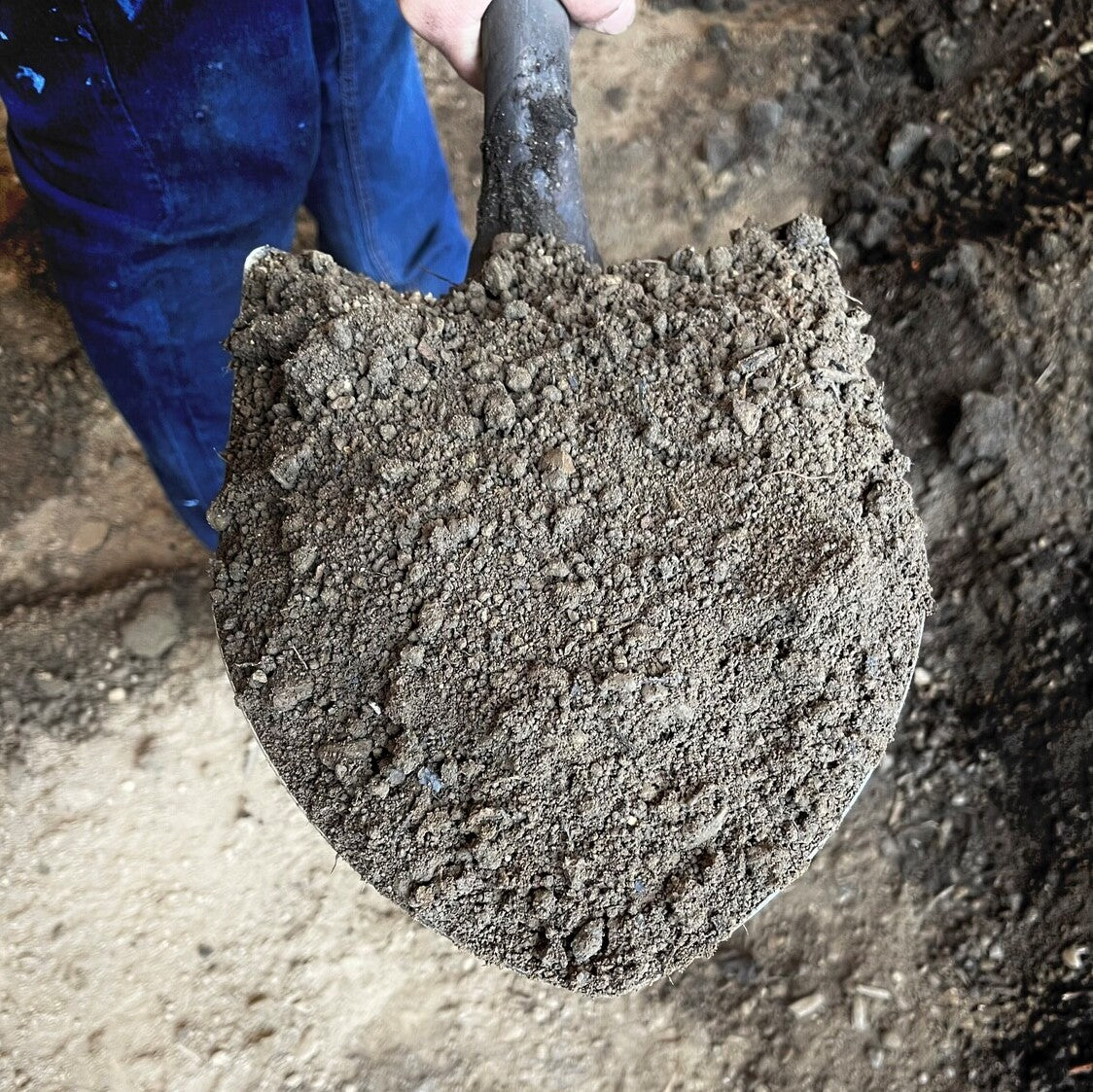
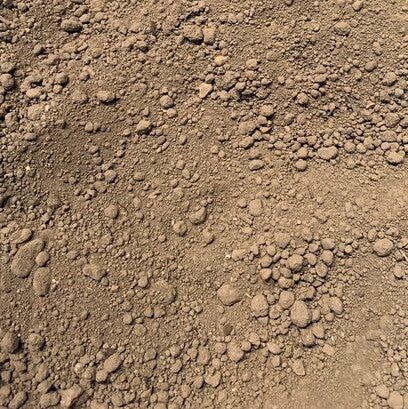
Quality topsoil for lawns, gardens, and landscape projects. Nutrient rich and ready to support strong root development and healthy plant establishment.
We ordered 3 yards of the garden soil, delivered mext day. We used in raised beds 6x3x2. It was more than needed for both but the soil looked good! I added some perlite to add some drainage since this is a little dense.
Tell us what you're looking for
Thanks! We received your request.
Something went wrong. Please try again.
How Much Material Do I Need?
For lawn leveling in Lima, plan on 1 to 2 inches of topsoil over low and compacted silt loam areas to correct grade without burying existing grass crowns. For new garden beds or raised planting areas, 8 to 12 inches of quality soil gives Lima plant roots the depth they need to establish and thrive before summer heat and drier conditions arrive.
Use our free soil calculator
What is a yard?
A yard is approximately 27 cubic feet. As a general guideline, one yard of material can cover an area of about 100-160 square feet at a 2-3 inch depth.
We can't take orders for this right now. Tell us what you need and we'll get back to you.
What do you need?
Thanks! We received your request.
Something went wrong. Please try again.
Hand-picked local yards
4,000+ regional deliveries
Dedicated support
Why order through Mulch Mound
The best local soil, without the guesswork.
We hand-pick and partner with the best yards in your region, keep only the ones our buyers rate well, and back each load with our guarantee.
Mulch Mound Guarantee
If your soil isn't the quantity or quality you ordered, we'll make it right.
About this soil
Quality topsoil for lawns, gardens, and landscape projects. Nutrient rich and ready to support strong root development and healthy plant establishment.
We ordered 3 yards of the garden soil, delivered mext day. We used in raised beds 6x3x2. It was more than needed for both but the soil looked good! I added some perlite to add some drainage since this is a little dense.
How Much Material Do I Need?
For lawn leveling in Lima, plan on 1 to 2 inches of topsoil over low and compacted silt loam areas to correct grade without burying existing grass crowns. For new garden beds or raised planting areas, 8 to 12 inches of quality soil gives Lima plant roots the depth they need to establish and thrive before summer heat and drier conditions arrive.
Use our free soil calculator
What is a yard?
A yard is approximately 27 cubic feet. As a general guideline, one yard of material can cover an area of about 100-160 square feet at a 2-3 inch depth.
We ordered 3 yards of the garden soil, delivered mext day. We used in raised beds 6x3x2. It was more than needed for both but the soil looked good!...
Read full review
We ordered 3 yards of the garden soil, delivered mext day. We used in raised beds 6x3x2. It was more than needed for both but the soil looked good! I added some perlite to add some drainage since this is a little dense.
Measure the length, width, and desired fill depth of your project area in feet, then multiply all three numbers together and divide by 27 to convert to cubic yards. For lawn leveling in Lima, even a half-inch low spot across a large area adds up to a surprising amount of material, so walk the yard and mark the deepest points before you estimate. Adding 10 percent to your total is a good habit in Lima, where the first heavy spring rain often reveals spots that need a bit more fill than your initial measurement suggested.
Soil Types We Deliver in Lima
Whether you are refreshing a lawn, building up a raised bed, or grading a yard, having the right soil delivered by the cubic yard makes all the difference. Lima homeowners often work with native clay-heavy ground that benefits from added organic material, and our bulk topsoil by the yard in Lima gives you a practical way to improve what is already there. We load and deliver direct to your property so you can get to work without hauling bags.
Screened Top Soil
Our screened topsoil is run through a fine mesh to remove clumps, rocks, and debris, giving you a clean and workable product. It is nutrient rich and well suited for overseeding thin lawns, filling low spots, or giving garden beds the loose, fertile base that supports strong root development and healthy plant establishment in Lima's variable growing season.
Complete Your Outdoor Soil Project
A layer of mulch applied over freshly prepared soil beds helps protect Lima's silt loam from surface crusting and holds moisture through the growing season without regular watering. Decorative stone works well as a border material around new soil beds to define clean edges and prevent topsoil from migrating into adjacent lawn areas during Lima's heavier rain events.
What kind of topsoil should I use to level my lawn in Lima?
For lawn leveling in Lima, a screened topsoil that closely matches the texture of native silt loam works best for long-term consistency. Using a material that is too sandy or too high in organic content will create uneven settling and drainage differences across the lawn over time. A clean screened topsoil lets grass roots spread evenly through the new layer and blend naturally with Lima's existing soil profile as the lawn matures.
Answer
How much topsoil do I need to fill a raised garden bed in Lima?
Most raised beds in Lima are built 10 to 12 inches deep, which gives roots enough vertical room to develop above the native silt loam layer beneath. For a standard 4 by 8 foot bed at 12 inches deep, you will need roughly 1.2 cubic yards of soil to fill it completely. If you are filling multiple beds at once, measure each individually and add about 10 percent to your total to account for settling after Lima's first few soaking rains.
Answer
Will adding bulk topsoil help with drainage problems in my Lima yard?
In many Lima yards, poor drainage is caused by low spots that collect water or a compacted silt loam layer that slows infiltration after the ground has thawed. Adding bulk topsoil to grade these low areas and slope them gently away from your home's foundation can significantly reduce standing water following Lima's spring rains. For more severe drainage challenges, pairing a topsoil grade with a layer of coarse gravel or crushed stone beneath the surface creates a more effective path for water to move away from the problem area.
Answer
Can I use bulk soil to refresh my existing Lima garden beds that have lost productivity?
Absolutely. Lima's native silt loam loses organic matter steadily over time and can become increasingly dense without regular amendment, especially in beds that are heavily planted each season. Adding a 2 to 4 inch layer of quality topsoil or a blended garden mix each spring replenishes nutrients and loosens the bed structure before planting begins. This approach is most effective when the new soil is tilled into the existing silt loam rather than left sitting on top as a separate layer.
Answer
When is the best time to have topsoil delivered to my Lima property?
Early spring, from late March through mid-April, is the most popular delivery window for Lima homeowners tackling grade work and bed preparation before the growing season opens. Aim to have soil in place at least one to two weeks before your last frost date of April 25 so it has time to settle and you can begin planting on schedule. Fall delivery after October 16 works well for homeowners who want to prep beds over winter for a head start the following spring.
Answer
How do I keep bulk topsoil from washing away after it is delivered and spread in Lima?
Lima's spring rain events can move loose topsoil quickly on any area with even a slight slope, especially fresh material that has not yet had time to settle. After grading, lightly rake the surface level and then seed or mulch the area as soon as possible to anchor the soil in place. On steeper slopes, straw erosion netting or a layer of coarse mulch can hold new Lima topsoil through several rain cycles until grass or ground cover establishes enough root mass to do the job on its own.
Answer
What is the difference between topsoil and garden soil, and which one should I use for my Lima project?
Topsoil is primarily used for grading, leveling, and general fill work where you need volume and a stable base that integrates well with Lima's existing silt loam profile. Garden soil and blended mixes contain higher organic matter content and are better suited for planting beds, containers, and raised vegetable gardens where nutrient availability matters more than structural fill capacity. For most Lima projects, topsoil handles the foundational base work and a garden blend fills the top 4 to 6 inches of active root zone where plants do most of their growing.
Mulch Mound Pro Tip
Lima's silt loam compacts quickly under foot traffic during a project, so try to work from the edges of a freshly graded area rather than walking directly on new topsoil during spreading and raking. Compacted new soil defeats the purpose of the amendment and creates uneven settling that shows up in the lawn or bed within a season. Placing temporary boards or stepping stones to distribute your weight as you work keeps the soil structure loose and properly aerated for seeding or planting.
Mulch Mound Pro Tip
If you are prepping a new lawn area in Lima, topdressing with screened topsoil is most effective when the existing silt loam surface has been lightly scarified or aerated first. Running a core aerator or even a stiff garden rake over the area before spreading new soil allows the material to blend with the existing profile rather than sitting as a separate isolated layer. This prevents a layering effect at the soil interface that can create drainage problems and uneven rooting throughout Lima's growing season.
Mulch Mound Pro Tip
Lima's freeze-thaw cycle between October and April can cause newly graded topsoil to heave and shift, undoing some of your grade work before spring arrives. To minimize this, finish any significant grade work at least four to six weeks before the first frost around October 16 and get seed or mulch on the surface before winter sets in. Established ground cover or a mulch blanket holds new topsoil through freeze-thaw cycles far more effectively than bare, loose material left exposed to Lima's winter weather.
The Unique Landscape of Lima
Lima's native silt loam is a workable soil, but it comes with real limitations for homeowners trying to establish new garden beds, level lawns, or build productive raised growing areas. Silt loam compacts under foot traffic and equipment pressure, and after a few seasons it can develop a dense layer just below the surface that restricts both root growth and internal drainage. With 38 inches of annual rainfall, poorly graded yards in Lima are prone to pooling in low spots, especially in spring when ground is still thawing from the freeze-thaw cycle. Bulk topsoil allows Lima homeowners to correct grade problems, build up planting areas, and give new lawns or gardens the nutrient foundation they need from the very first season. Lima's growing season between April 25 and October 16 is productive but relatively compact, so getting soil preparation right in early spring pays dividends all season long. Whether you are leveling a bumpy lawn or filling a raised vegetable bed, quality bulk soil is the foundation every Lima landscape project starts with.