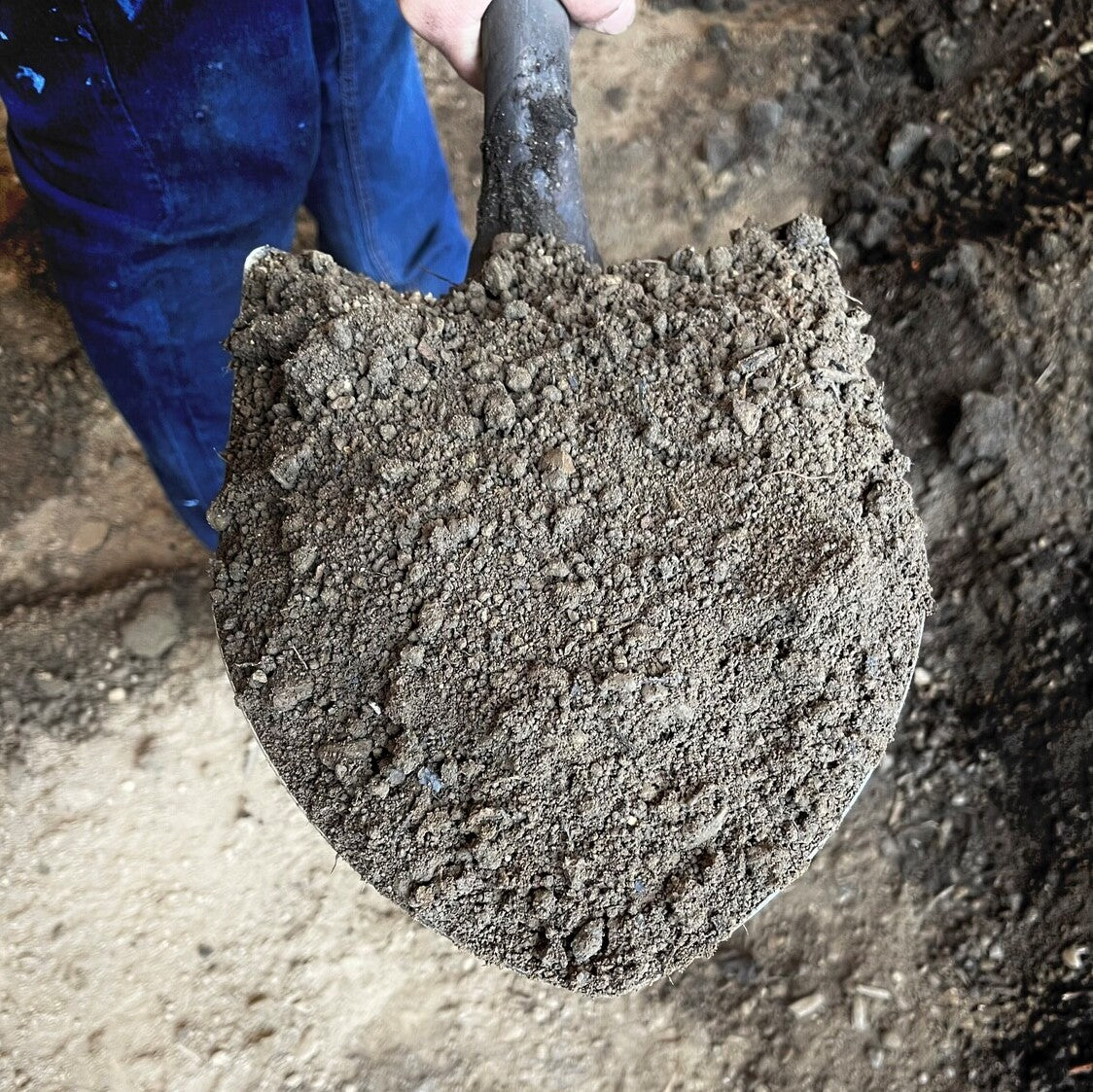
Quality topsoil for lawns, gardens, and landscape projects. Nutrient rich and ready to support strong root development and healthy plant establishment.
We ordered 3 yards of the garden soil, delivered mext day. We used in raised beds 6x3x2. It was more than needed for both but the soil looked good! I added some perlite to add some drainage since this is a little dense.
Tell us what you're looking for
Thanks! We received your request.
Something went wrong. Please try again.
How Much Material Do I Need?
For lawn leveling in Long Branch, one to two inches of topsoil spread over existing turf is typically enough to correct minor grade issues without smothering grass roots. For new garden beds built on top of existing sandy loam, aim for eight to twelve inches of quality soil to give roots a productive, moisture-retentive growing zone above the fast-draining sandy base.
Use our free soil calculator
What is a yard?
A yard is approximately 27 cubic feet. As a general guideline, one yard of material can cover an area of about 100-160 square feet at a 2-3 inch depth.
We hand-pick and partner with the best yards in your region, keep only the ones our buyers rate well, and back each load with our guarantee.
Mulch Mound Guarantee
If your soil isn't the quantity or quality you ordered, we'll make it right.
About this soil
Quality topsoil for lawns, gardens, and landscape projects. Nutrient rich and ready to support strong root development and healthy plant establishment.
We ordered 3 yards of the garden soil, delivered mext day. We used in raised beds 6x3x2. It was more than needed for both but the soil looked good! I added some perlite to add some drainage since this is a little dense.
How Much Material Do I Need?
For lawn leveling in Long Branch, one to two inches of topsoil spread over existing turf is typically enough to correct minor grade issues without smothering grass roots. For new garden beds built on top of existing sandy loam, aim for eight to twelve inches of quality soil to give roots a productive, moisture-retentive growing zone above the fast-draining sandy base.
Use our free soil calculator
What is a yard?
A yard is approximately 27 cubic feet. As a general guideline, one yard of material can cover an area of about 100-160 square feet at a 2-3 inch depth.
We ordered 3 yards of the garden soil, delivered mext day. We used in raised beds 6x3x2. It was more than needed for both but the soil looked good!...
Read full review
We ordered 3 yards of the garden soil, delivered mext day. We used in raised beds 6x3x2. It was more than needed for both but the soil looked good! I added some perlite to add some drainage since this is a little dense.
Measure your project area in feet and multiply length by width to get square footage, then convert your target depth from inches to feet by dividing by 12 and multiply through for cubic feet. Divide by 27 to get cubic yards. In Long Branch, where sandy loam bases can have subtle low spots and uneven grades from seasonal erosion, adding ten percent to your calculated total helps ensure you have enough material to achieve a truly even finish.
Soil Types We Deliver in Long Branch
Getting bulk topsoil by the yard in Long Branch is simple with our cubic-yard delivery service. The sandy, fast-draining soils typical of this stretch of coastal New Jersey often need enrichment or fill to support the lush lawns and gardens that thrive here.
Screened Top Soil
Our screened top soil is the most versatile option for lawns, planting beds, and raised garden areas. The fine texture supports strong root development and blends smoothly into sandy local ground. It is popular for laying new sod or topping off garden beds.
Garden Compost
Standard garden compost is packed with organic matter that enriches the thin, sandy soils common near the shore. Work it into beds each spring to feed vegetables, perennials, and shrubs. It steadily builds soil health and improves moisture retention with every application.
Fill Dirt
Standard fill dirt is unscreened topsoil ideal for grading, filling low spots, and rough leveling. It is a cost-effective choice when finer texture is not required. Homeowners and contractors use it as a base layer before final grading or lawn installation.
Mushroom Compost
Spent mushroom compost is a nutrient-rich amendment that improves structure and moisture retention in sandy or compacted ground. It works well in vegetable gardens and flower beds and breaks down steadily to support vigorous growth through New Jersey's full growing season.
Complete Your Outdoor Soil Project
After filling your Long Branch beds with fresh soil, topping them with two to three inches of mulch will dramatically slow the moisture loss that sandy loam beds are prone to through the summer heat. Adding decorative stone borders around raised beds and garden areas also helps define edges and keeps soil in place during Long Branch's heavier spring rain events.
Can I just amend my existing Long Branch soil instead of bringing in new topsoil?
For small container or in-ground bed projects, amendment can work reasonably well. But if your existing soil is mostly sandy loam with very low organic content, you will spend more on amendments than a fresh topsoil delivery would cost, and the results will be less consistent. For any project larger than a few square feet, a dedicated soil delivery gives you a known, workable starting point rather than trying to rehabilitate beach-influenced sandy ground.
Answer
What depth of soil do I need for a new garden bed in Long Branch?
For most vegetable and perennial beds in Long Branch, at least eight inches of quality soil gives roots the depth they need to stay moist during summer dry spells. Sandy loam beneath the bed will still drain freely, which helps avoid waterlogged roots, but it means your top layer needs enough organic matter and depth to buffer plants during dry stretches between Long Branch's rain events.
Answer
How does Long Branch's rainfall affect my lawn leveling project?
Long Branch's 48 inches of annual rainfall is distributed fairly evenly across the year, which helps settle new topsoil quickly after a leveling project. However, heavy spring rains can cause freshly placed soil to shift or settle unevenly before grass roots have had a chance to anchor it. Timing a lawn leveling project for late April, right after the last frost around the 28th, gives you the best combination of warm soil temperatures for fast germination and reliable moisture for quick establishment.
Answer
Is bulk topsoil safe to use in vegetable gardens in Long Branch?
Bulk topsoil on its own is typically best for structural fill and leveling work rather than vegetable beds. For edible gardens in Long Branch, a garden mix or a blend of topsoil and compost gives you the nutrient level and organic content that vegetables need to perform through the long Zone 7b growing season. Standard fill-grade topsoil can serve as a solid base layer topped with a richer mix to reduce total cost on deeper raised bed projects.
Answer
How much soil do I need to raise my Long Branch garden bed by six inches?
Multiply the length and width of your bed in feet and divide by two to get the approximate cubic yards needed for a six-inch lift. For example, a ten-foot by twelve-foot bed would need roughly six to seven cubic yards. In Long Branch, it is worth rounding up slightly because sandy loam bases can have subtle low spots that take a bit more material than a flat calculation suggests.
Answer
Will new topsoil compact a lot after delivery in Long Branch?
Some settling is normal, especially after the first few heavy rains. Long Branch's wet springs typically bring several inches of rain in April and May, which does most of the natural settling work within the first few weeks after delivery. Planning for about ten to fifteen percent more soil than your final target depth accounts for that expected compaction, especially in areas where foot traffic or equipment will be moving across the new material.
Answer
What is the best time of year to bring in soil for a new lawn in Long Branch?
Late summer to early fall is the ideal window for new lawn soil projects in Long Branch. Bringing in soil and seeding in late August or September gives cool-season grasses warm soil temperatures for fast germination while the air begins to cool, reducing stress on new seedlings. The Zone 7b first frost around October 27 gives you roughly six to eight weeks of establishment time before growth slows for winter.
Mulch Mound Pro Tip
Long Branch's sandy loam base is actually an asset when you are building raised beds because it provides excellent natural drainage that prevents the waterlogging that plagues heavier clay-based soils further inland. Build your beds directly on top of the existing ground rather than excavating, and the free-draining layer below will protect roots while your quality topsoil above holds the nutrients and moisture your plants need. This layered approach works especially well for vegetables through the long Zone 7b growing season.
Mulch Mound Pro Tip
If you are leveling a lawn in Long Branch, rake your topsoil into low spots before broadcasting seed rather than spreading it evenly across the entire surface. Sandy loam lawns in this area tend to develop specific drainage channels and low spots over time, and targeting those areas gives you a more efficient use of your material. Fill, seed, and lightly tamp those problem zones and your lawn will look noticeably more level after the first full growing season.
Mulch Mound Pro Tip
Timing your soil delivery around Long Branch's rainfall calendar can save you significant watering effort in the first few weeks after placement. If a rain event of one inch or more is forecast within two or three days of your delivery, the natural moisture will help settle and integrate your new soil into the existing ground without additional irrigation. The 48 inches of annual rainfall Long Branch receives means you rarely have to wait long for nature to do that initial settling work for you.
The Unique Landscape of Long Branch
Long Branch's native sandy loam is light, drains quickly, and warms up fast in spring, but it struggles to hold nutrients and moisture through the heat of summer. For homeowners building garden beds, leveling lawns, or filling raised planters, bringing in a quality topsoil or garden mix makes an enormous difference in what you can actually grow and sustain. The 48 inches of annual rainfall Long Branch receives sounds like plenty, but sandy loam lets that water pass through the root zone faster than most plants can absorb it. Adding a richer soil mix to planting areas gives roots something to hold onto between rain events and through the dry stretches of a Zone 7b summer. Long Branch's growing season runs from late April to late October, and healthy soil with good organic content is the foundation that makes that full season productive rather than a constant battle against dry, thin ground.