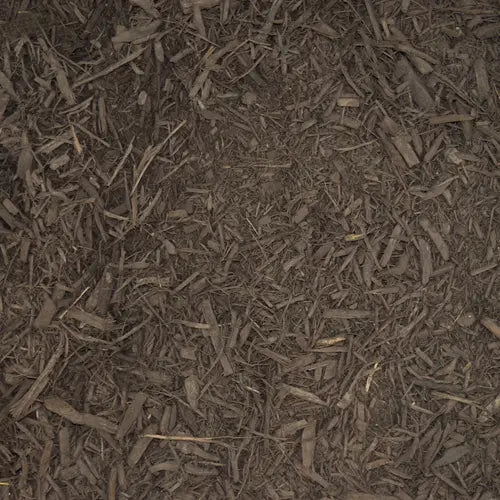
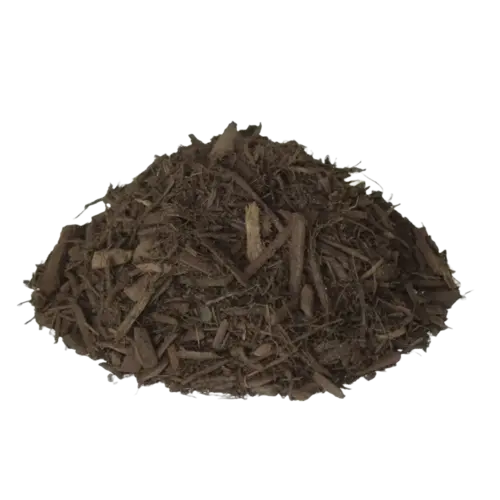
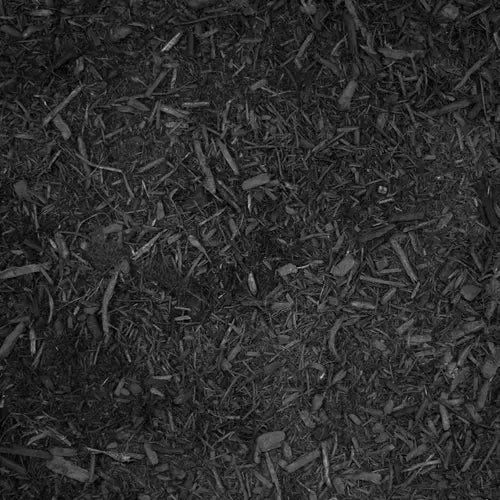
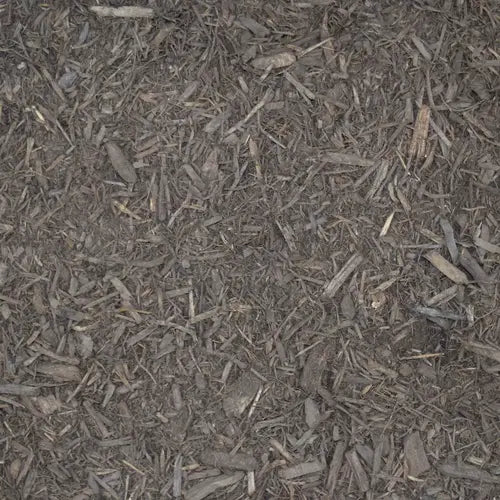
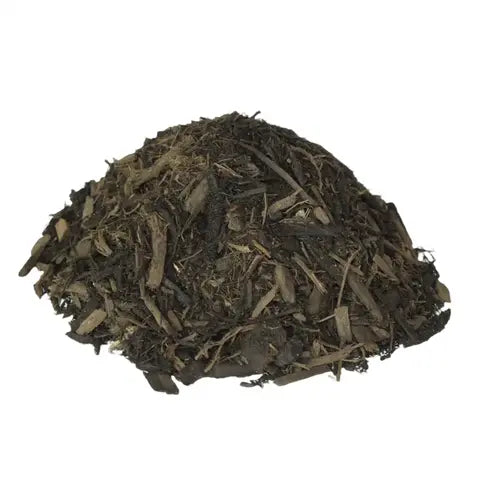
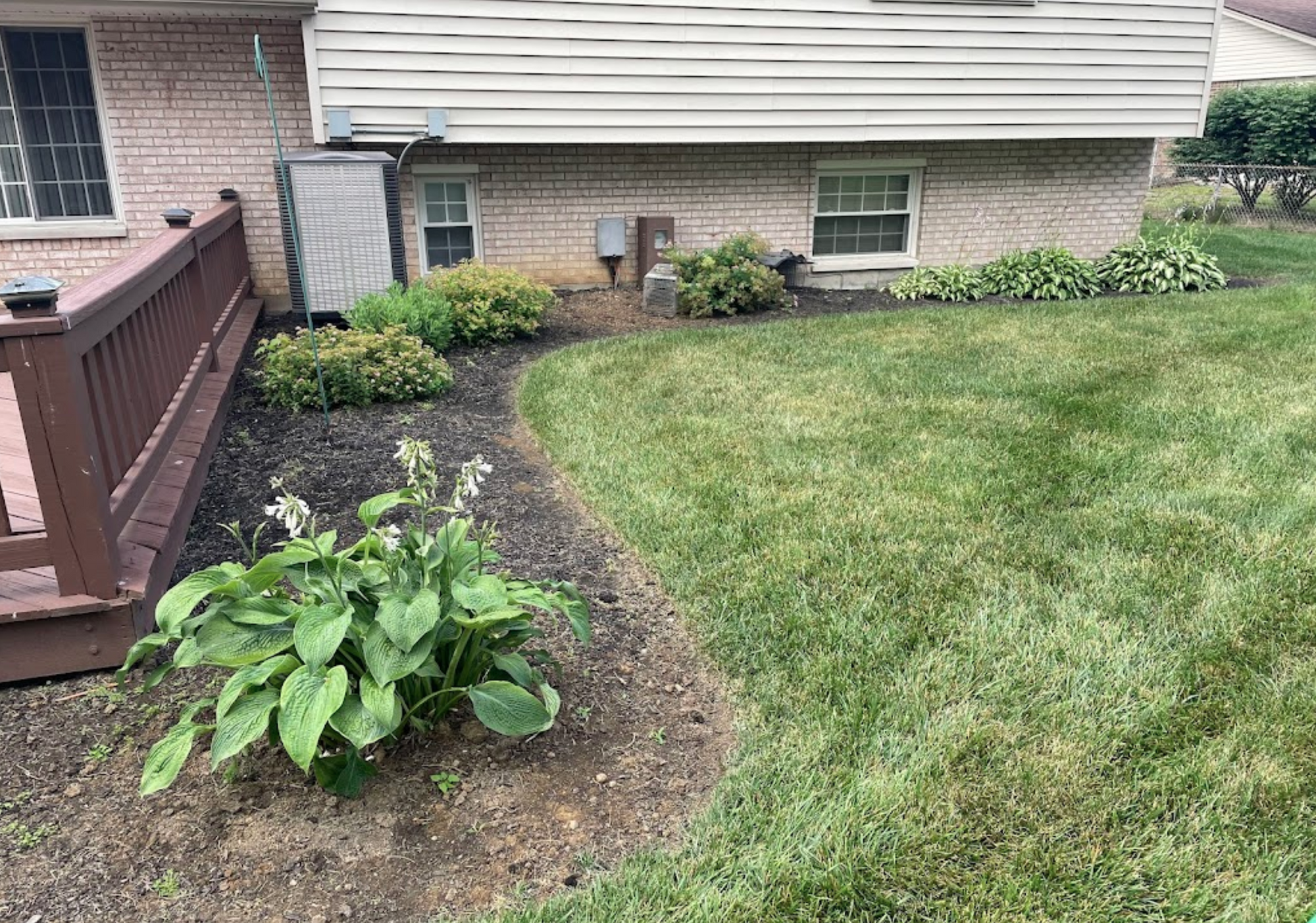
Warm brown double shredded mulch with lasting color that looks freshly applied for weeks. Spreads smooth, stays put, and gives beds a natural, polished appearance.
Great experience with mulch mound. Their online calculator made it easy to estimate how many yards of mulch I needed and delivery was quick. I would definitely recommend them for your future projects.
Tell us what you're looking for
Thanks! We received your request.
Something went wrong. Please try again.
How Much Material Do I Need?
For most Longview planting beds with sandy loam underneath, a 3-inch depth is the minimum effective layer for moisture retention and weed suppression. Beds in full sun or on slight slopes may benefit from going up to 4 inches given the faster surface drying that comes with the area's intense summer heat.
Use our free mulch calculator
What is a yard?
A yard is approximately 27 cubic feet. As a general guideline, one yard of material can cover an area of about 100-160 square feet at a 2-3 inch depth.
We can't take orders for this right now. Tell us what you need and we'll get back to you.
What do you need?
Thanks! We received your request.
Something went wrong. Please try again.
Hand-picked local yards
4,000+ regional deliveries
Dedicated support
Why order through Mulch Mound
The best local mulch, without the guesswork.
We hand-pick and partner with the best yards in your region, keep only the ones our buyers rate well, and back each load with our guarantee.
Mulch Mound Guarantee
If your mulch isn't the quantity or quality you ordered, we'll make it right.
About this mulch
Warm brown double shredded mulch with lasting color that looks freshly applied for weeks. Spreads smooth, stays put, and gives beds a natural, polished appearance.
Great experience with mulch mound. Their online calculator made it easy to estimate how many yards of mulch I needed and delivery was quick. I would definitely recommend them for your future projects.
How Much Material Do I Need?
For most Longview planting beds with sandy loam underneath, a 3-inch depth is the minimum effective layer for moisture retention and weed suppression. Beds in full sun or on slight slopes may benefit from going up to 4 inches given the faster surface drying that comes with the area's intense summer heat.
Use our free mulch calculator
What is a yard?
A yard is approximately 27 cubic feet. As a general guideline, one yard of material can cover an area of about 100-160 square feet at a 2-3 inch depth.
Great experience with mulch mound. Their online calculator made it easy to estimate how many yards of mulch I needed and delivery was quick. I woul...
Read full review
Great experience with mulch mound. Their online calculator made it easy to estimate how many yards of mulch I needed and delivery was quick. I would definitely recommend them for your future projects.
We needed mulch for our HOA common areas. Local providers were all holding high prices even for 40 yards of mulch. Mulch mound was easy to wowith...
Read full review
We needed mulch for our HOA common areas. Local providers were all holding high prices even for 40 yards of mulch. Mulch mound was easy to wowith & has great price for natural mulch + delivery schedule options. They called before delivery to ensure Delivery was exactly where we wanted it.
Delivery was on time and great quality Mulch. Got it done in a reasonable time and yard looks great. Couldn’t be happier!!! Thank you and will us...
Read full review
Delivery was on time and great quality Mulch. Got it done in a reasonable time and yard looks great. Couldn’t be happier!!! Thank you and will use again!!
Measure the length and width of each bed in feet and multiply to get square footage, then divide by 100 to estimate cubic yards needed for a 3-inch depth. In Longview, where sandy loam compresses less than clay-heavy soils, your estimate will stay fairly accurate without much adjustment. For irregular-shaped beds along fences or around trees, break the area into rectangles and add them together before calculating.
Mulch vs. No Mulch: The Difference
Longview's high humidity and warm temperatures accelerate the breakdown of natural wood mulches, meaning you get faster decomposition and organic matter return but may need to refresh more often than in drier climates. Dyed mulches use colorfast pigments that resist fading through the intense UV exposure of a zone 8b summer, making them popular for front-facing beds where appearance matters most. Understanding how each type responds to East Texas heat, rain, and humidity helps you choose the right product for your specific priorities.
Before
After
Best Mulch Choice for Longview Lawns
Most yards in the Longview area sit on Sandy Loam type of soil. Sandy loam soil in Longview holds less moisture than heavier clay soils, and plant beds without mulch can feel dry just a day or two after rainfall or irrigation. Choosing the right mulch creates a critical moisture buffer that sandy loam on its own simply cannot provide through the hot summer months.
Hardwood Mulch
Hardwood mulch is particularly well suited to improving Longview's sandy loam because as it decomposes it releases organic material that binds to sand particles and improves both moisture retention and nutrient availability. Over time, consistent hardwood mulching builds the kind of rich, dark topsoil layer that sandy loam naturally lacks.
Mulch Types We Deliver in Longview
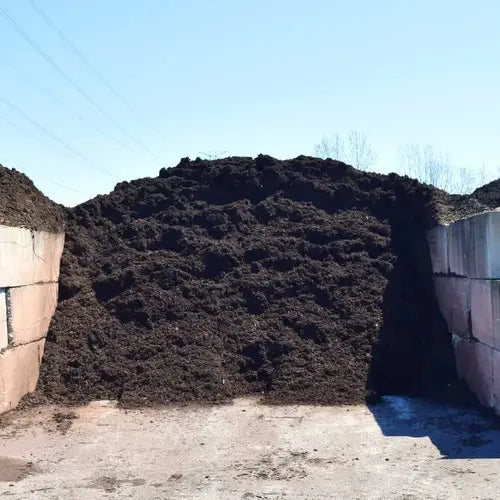
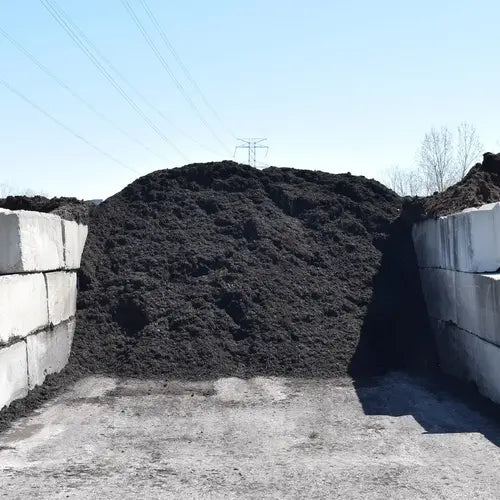
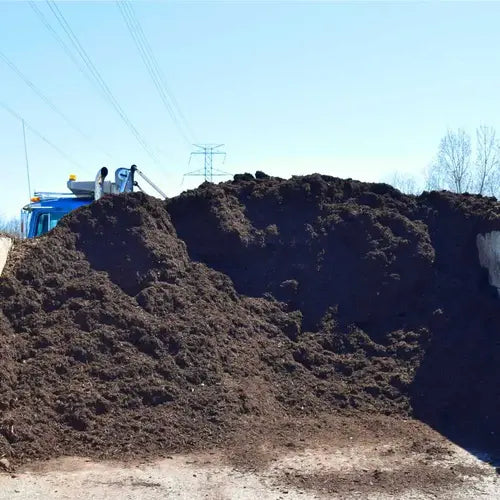
Mulch Mound delivers fresh bulk mulch by the cubic yard straight to your property, so you skip the bags and get the coverage your beds actually need. Whether you are refreshing a front flower bed or tackling a larger backyard project, bulk mulch delivery in Longview makes it easy to order exactly what you need. Every load is measured by the cubic yard, giving you consistent coverage across flower beds, tree rings, and walkways.
Dyed Black Mulch
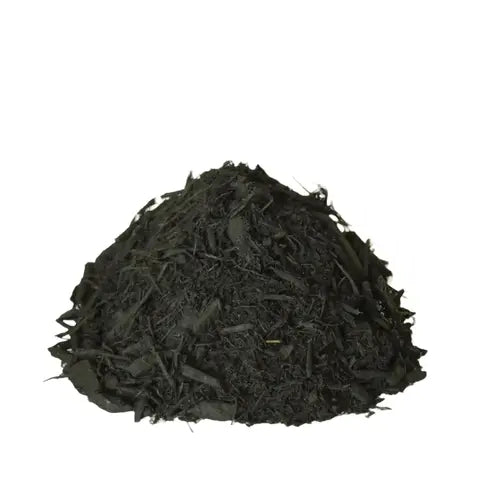
A bold double shredded mulch that makes flower beds stand out against the pale clay soils common across this part of East Texas. The rich black color holds up through hot summers and heavy rains, and the smooth texture spreads easily across large areas without clumping or shifting.
Dyed Brown Mulch
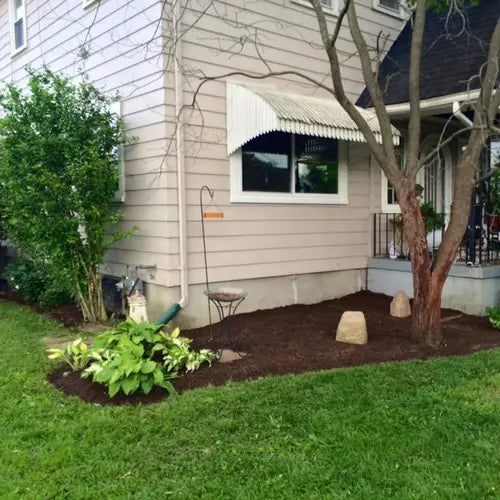
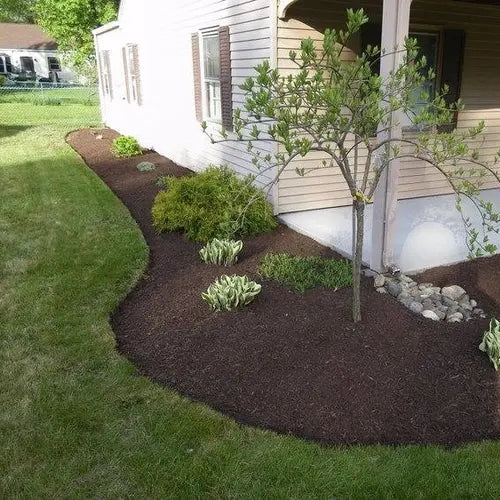
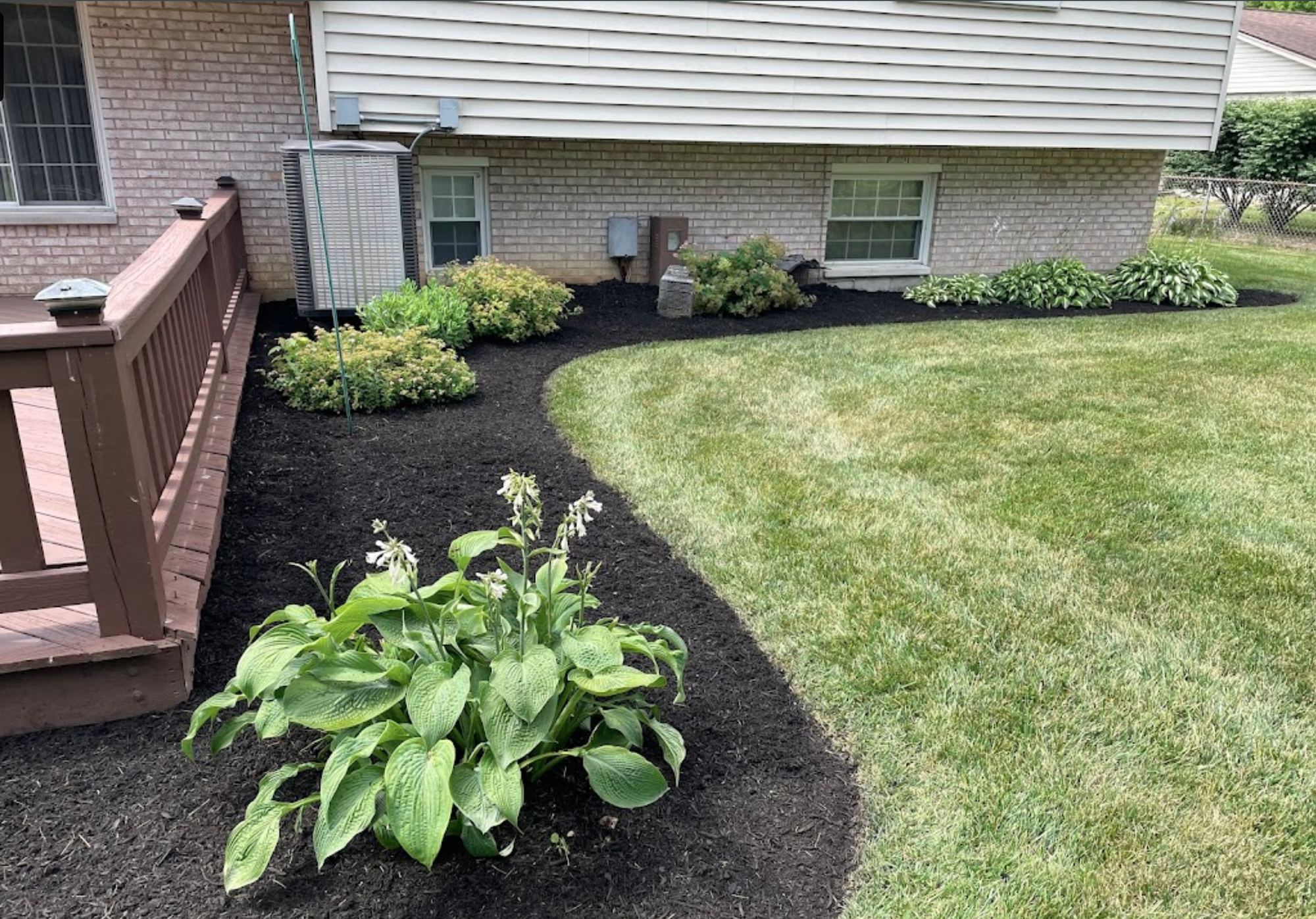
Warm brown double shredded mulch that pairs naturally with the brick exteriors and established shade trees found throughout this region. The lasting color stays looking fresh for weeks even in direct summer sun, and the smooth spread makes quick work of large beds and tree rings alike.
Natural Brown Mulch
An undyed double shredded option with a genuine earthy tone drawn straight from the wood itself. Homeowners who prefer a chemical-free look favor this variety, and its warm natural color blends quietly into the clay-rich soil and mature plantings typical of yards across this part of East Texas.
Complete Your Outdoor Mulch Project
If your beds have drainage issues or compacted low spots, pairing mulch with a quality garden soil order helps build a healthier base before you top-dress. Adding a stone border or pathway edging keeps mulch contained and gives your Longview landscape a clean finished look.
Longview summers regularly push soil surface temperatures well above 100 degrees Fahrenheit, which stresses roots even when air temperatures feel manageable. Applying mulch in late April before the real heat sets in gives the material time to settle and form an effective barrier before peak summer. Pull back any remaining winter-thinned mulch, fluff the base layer, and top off to 3 inches for the best results heading into June and July.
Mulch Mound Pro Tip
Sandy loam soil in the Longview area benefits tremendously from mulch decomposition over time. As your organic mulch breaks down through the humid East Texas seasons, it slowly contributes carbon and nutrients back into the soil, improving its ability to hold moisture between rains. Over several years of consistent mulching, you will notice your sandy loam becoming darker and more workable, which supports healthier root development across all your plantings.
Mulch Mound Pro Tip
With 49 inches of rain falling across the Longview area each year, runoff management in your beds matters more than many homeowners realize. A properly applied mulch layer absorbs the initial impact of heavy rainfalls, slowing the flow of water across the soil surface and reducing erosion in sloped beds. This is especially important near the foundation where consistent wet-dry cycles can cause long-term problems, making mulch one of the most practical investments for East Texas properties.
Frequently Asked Questions
Click a question to see the answer
Answer
How does Longview's sandy loam soil affect how much mulch I need?
Sandy loam drains faster than clay-heavy soils, which means moisture evaporates from the surface more quickly during Longview's hot summers. Applying a full 3-inch layer rather than a light 1-inch top-dress makes a real difference in holding that moisture between rain events and keeping roots comfortable through the long growing season.
Answer
Will mulch break down faster here because of the heat and humidity?
Yes, Longview's combination of heat, humidity, and roughly 49 inches of annual rainfall creates ideal conditions for organic mulch to decompose. Natural hardwood and pine mulches typically need a refresh every 12 to 18 months here, which is actually a benefit because that decomposition adds organic matter back into your sandy loam as it breaks down.
Answer
When is the best time of year to put down fresh mulch in Longview?
The ideal window is late February or early March, right before the last frost date of around March 9. Getting mulch down just before the growing season kicks off helps regulate soil temperature during unpredictable late-winter warm spells and locks in ground moisture as spring planting begins.
Answer
Does all the East Texas rainfall wash my mulch away or move it around?
Heavy rains can shift lighter mulch, especially on slopes or around downspouts. In Longview where storms can bring concentrated bursts of rainfall, a coarser-cut hardwood mulch tends to stay put better than fine shredded varieties. Edging your beds also helps keep material in place after heavy rain events.
Answer
Should I choose natural or colored mulch for my Longview yard?
Both work well in Longview's climate, but they behave differently over time. Natural hardwood mulch fades to a silver-gray within a few months in the intense East Texas sun, while dyed mulches hold their color through one to two growing seasons. If color consistency matters for curb appeal, a dyed option saves you a mid-season refresh.
Answer
How thick should mulch be around the large trees in my yard?
For established trees in Longview, aim for a 3-inch layer spread out to the drip line but pulled back a few inches from the actual trunk. Trees in zone 8b can be susceptible to rot at the base if mulch piles up against the bark, so keeping that gap is important even when the rest of the bed is thickly covered.
Answer
Can mulch help protect my plants during a Longview freeze?
Absolutely. Although Longview's first frost typically arrives around November 14, temperatures can dip harder than expected in December and January. A 3 to 4-inch mulch layer insulates the root zone and helps sensitive perennials survive brief cold snaps. Just avoid mulching too early in fall when the ground is still warm, as that can delay the natural hardening-off process for your plants.
The Unique Landscape of Longview
Longview's sandy loam soil drains quickly, which means plant beds can dry out faster than expected even with the area's generous 49 inches of annual rainfall. A proper layer of mulch slows that moisture loss and keeps roots consistently hydrated through the long East Texas summers. With a growing season that stretches from early March all the way past mid-November, weed pressure is a year-round challenge that a solid mulch layer helps suppress. The intense summer heat in zone 8b can also raise soil temperatures to levels that stress shallow-rooted plants, and mulch acts as an insulating buffer against those extremes. Keeping mulched beds looking fresh also matters in Longview, where outdoor living spaces see heavy use for most of the calendar year.