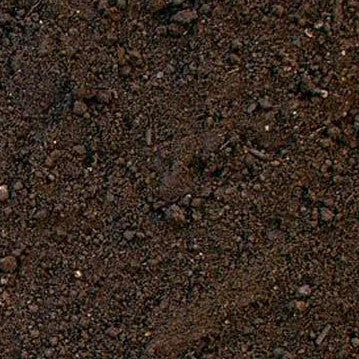
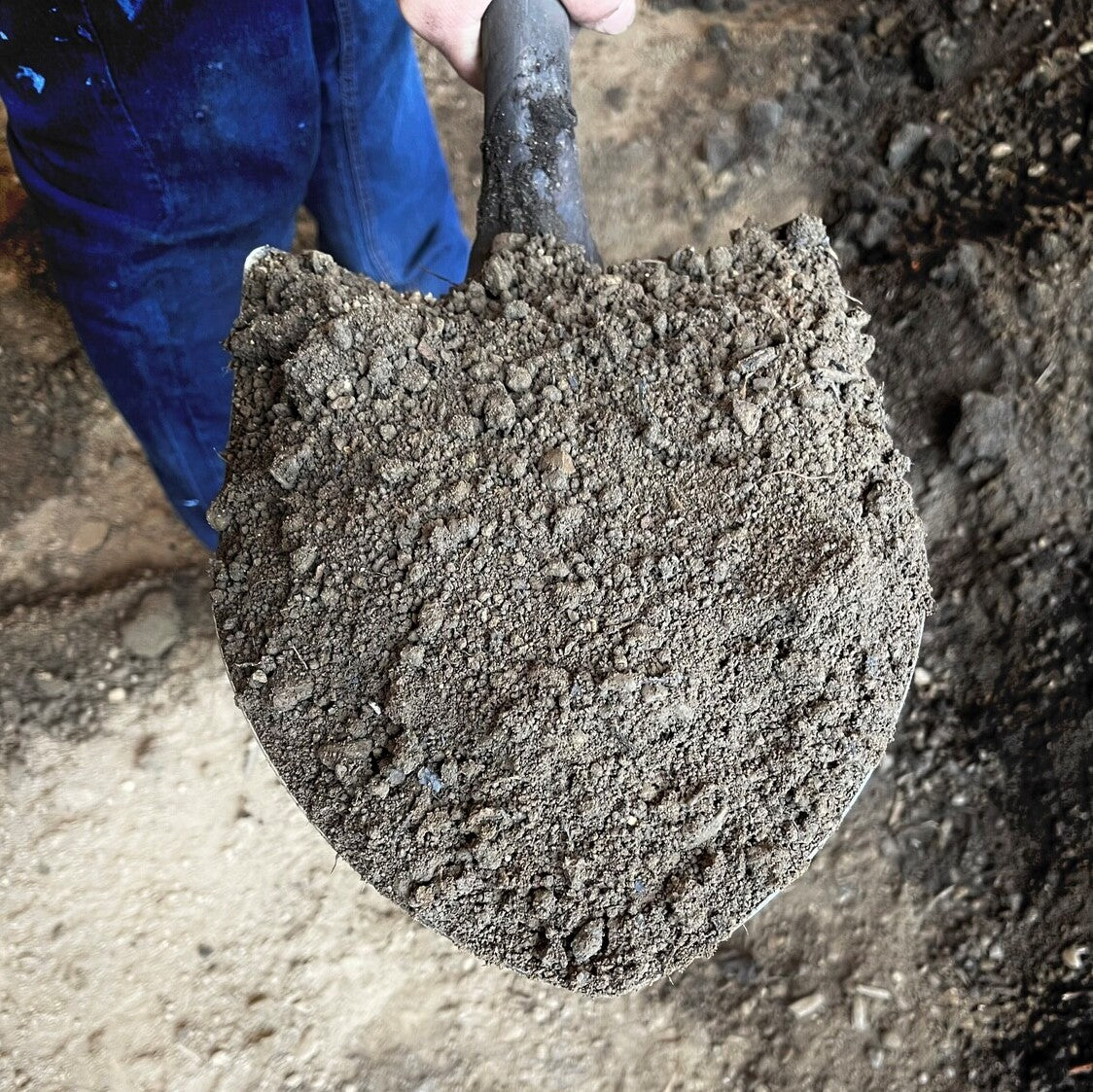
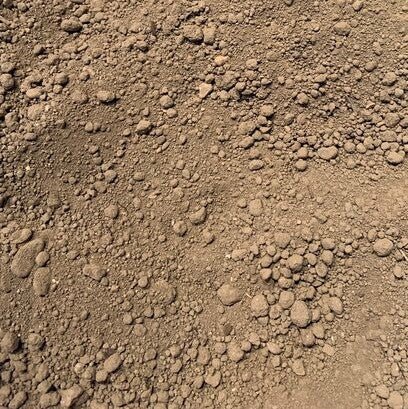
Quality topsoil for lawns, gardens, and landscape projects. Nutrient rich and ready to support strong root development and healthy plant establishment.
I got 3 yards of dirt to create a garden bed on the side of my house and to help fill my new raised garden beds. We had enough dirt to do all of this and fill some holes in the yard! Thanks 😃
Quality topsoil for lawns, gardens, and landscape projects. Nutrient rich and ready to support strong root development and healthy plant establishment.
I got 3 yards of dirt to create a garden bed on the side of my house and to help fill my new raised garden beds. We had enough dirt to do all of this and fill some holes in the yard! Thanks 😃
How Much Material Do I Need?
For lawn leveling and top-dressing over Longview's sandy loam, a 1 to 2-inch layer is typically enough to blend smoothly with the existing soil. For new raised beds or full bed replacements, plan for at least 10 to 12 inches of quality soil to give roots ample room to grow through Longview's long growing season.
Use our free soil calculator
What is a yard?
A yard is approximately 27 cubic feet. As a general guideline, one yard of material can cover an area of about 100-160 square feet at a 2-3 inch depth.
I got 3 yards of dirt to create a garden bed on the side of my house and to help fill my new raised garden beds. We had enough dirt to do all of th...
Read full review
I got 3 yards of dirt to create a garden bed on the side of my house and to help fill my new raised garden beds. We had enough dirt to do all of this and fill some holes in the yard! Thanks 😃
Placing an order online was so easy. Delivery was on time. When the driver realized we had a newly poured driveway they erred on the side of cautio...
Read full review
Placing an order online was so easy. Delivery was on time. When the driver realized we had a newly poured driveway they erred on the side of caution and opted not ti drive in it. The company even sent me a message explaining that call. Would recommend!
Measure your project area in feet and determine the desired fill depth, then use the formula length times width times depth in feet divided by 27 to convert to cubic yards. For Longview raised beds, a common depth of 12 inches means you divide your square footage by 27 to get the cubic yards needed. Ordering about 10 percent extra is a smart buffer since soil settles after watering and rain, both of which are frequent occurrences given Longview's annual precipitation.
Complete Your Outdoor Soil Project
Pair your soil order with a bulk mulch delivery to protect new beds from Longview's summer heat and reduce how often you need to water during dry stretches. If you are building defined garden areas, a stone edging or pathway material helps contain the soil and gives the overall design a clean, finished look.
What is wrong with the native soil in Longview for growing vegetables?
Longview's native sandy loam drains so freely that it struggles to hold the moisture and nutrients that heavy-feeding vegetable crops need. During the hot stretch from June through August, sandy soil can dry out within a day of watering. Bringing in a quality amended garden soil for raised beds or in-ground plots gives vegetables the moisture retention and fertility that native sandy loam simply cannot provide on its own.
Answer
How much soil do I need to fill a raised garden bed in my Longview backyard?
A standard 4-by-8-foot raised bed that is 12 inches deep holds about 0.33 cubic yards of soil. Most Longview home gardens include several beds, so ordering in bulk is much more cost-effective than buying bags. Factor in that soil settles slightly after watering and rain, so ordering just a bit extra ensures your beds stay full and productive through the first full growing season.
Answer
Will good topsoil help my Longview lawn fill in thin or bare patches?
Yes, spreading a thin layer of quality topsoil over thin spots before overseeding is one of the most effective lawn repair strategies for Longview yards. The native sandy loam in many neighborhoods has lost organic matter over time due to erosion and repeated mowing, and fresh topsoil gives new grass seed the nutrients and moisture retention it needs to establish before summer heat arrives.
Answer
How do I fix low spots in my Longview yard that collect water after rain?
Longview receives close to 49 inches of rain annually, so low spots that pool water are a real maintenance headache. The best approach is to fill those areas with clean fill or topsoil graded away from the foundation. Sandy loam in the surrounding yard blends fairly naturally with added material, and once graded and seeded the repaired areas typically establish well within a single growing season.
Answer
Is there a best time of year to do soil work and bed prep in Longview?
Late February through early March, just before Longview's last frost around March 9, is the prime window for new bed prep and soil work. The soil is workable, temperatures are mild enough for comfortable labor, and getting beds ready before the growing season means you can plant on schedule without delay. Fall is also excellent for larger grading projects since cooler temperatures make physical work more manageable.
Answer
Can I use bulk soil to level my yard before laying sod in Longview?
Bulk soil is ideal for leveling before turfgrass installation in Longview. Spreading and grading a layer of topsoil before sodding or seeding gives the new turf a consistent growing medium rather than the uneven native sandy loam. Just make sure any added soil is graded with a slight slope away from your home to take advantage of drainage, which matters given how much rain Longview receives each year.
Answer
What kind of soil works best for a pollinator garden in Longview?
Many native and pollinator-friendly plants that thrive in Longview's zone 8b climate actually prefer well-drained, moderately lean soils rather than overly rich amended beds. A blend that improves on the native sandy loam without being excessively nutrient-heavy works well for most wildflowers and native perennials. The goal is a soil that drains freely, stays loose for root penetration, and does not encourage excessive leafy growth at the expense of blooms.
Mulch Mound Pro Tip
When building raised beds in Longview, avoid filling entirely with dense topsoil. Mixing in a portion of compost or aged organic material creates a blend that drains well enough for zone 8b summers while still holding enough moisture to reduce daily watering. Longview's heat and humidity mean plant roots are working hard from April through October, and a balanced soil mixture supports that sustained growth far better than compacted fill alone.
Mulch Mound Pro Tip
If you are grading soil around your home's foundation in Longview, the goal is a consistent slope of at least 6 inches of drop over the first 10 feet away from the structure. With nearly 49 inches of rain falling each year, water management near the foundation is critical for preventing long-term moisture problems. Sandy loam backfill is well-suited for this purpose because it sheds water efficiently once properly sloped.
Mulch Mound Pro Tip
Longview's growing season is long enough that you can realistically get two rounds of vegetable production from the same beds each year if your soil is healthy. A spring crop planted after the March 9 last frost and a fall crop started in late August can both succeed in the same space. Refreshing your bed soil with a thin layer of compost or new topsoil between seasons replenishes nutrients that the first crop pulled from the ground.
The Unique Landscape of Longview
Longview's native sandy loam is well-drained and easy to work, but it lacks the organic content and water retention needed for productive garden beds, healthy lawns, and lush landscaping. When building raised beds or filling low spots in your yard, bringing in quality soil makes the difference between plants that thrive and plants that struggle through the summer heat. Grade work around foundations is also particularly important here, where the combination of heavy annual rainfall and sandy drainage can gradually erode material away from the house. Whether you are starting a new vegetable garden, patching a thin lawn, or regrading a problem area, having the right volume of quality soil delivered saves hours of hauling and mixing. Longview's long growing season from early March through mid-November means your soil investment pays dividends across many active months of plant growth each year.
