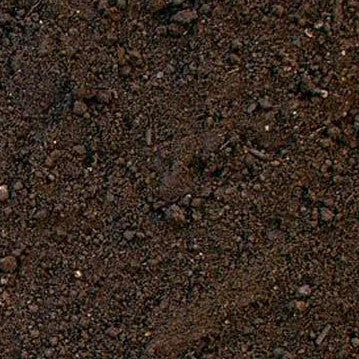
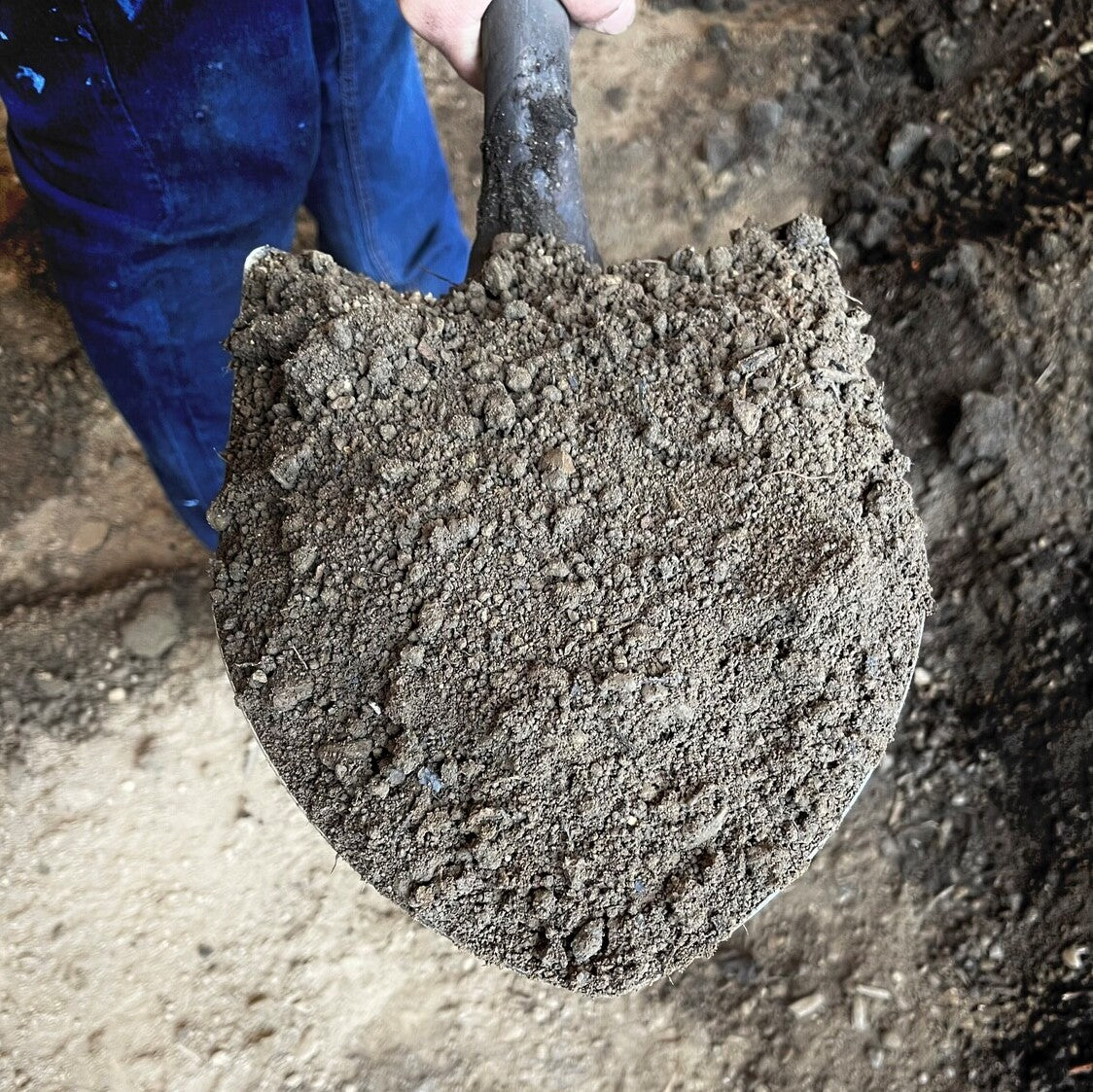
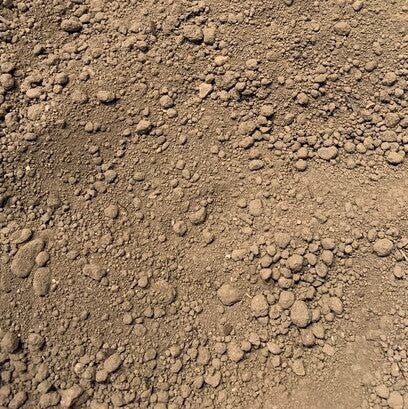
Quality topsoil for lawns, gardens, and landscape projects. Nutrient rich and ready to support strong root development and healthy plant establishment.
Great experience - not only was this the most affordable option for dirt delivery in Cleveland heights, but the delivery was fast and friendly. Got exactly what I needed and the truck got as close as possible to where I needed the dirt - even in my cramped driveway. Will be us...
Tell us what you're looking for
Thanks! We received your request.
Something went wrong. Please try again.
How Much Material Do I Need?
For new planting beds in Lubbock, a minimum of 6 inches of quality topsoil over the native sandy loam gives roots the buffer they need to establish before hitting the often poor native soil below, with 8 to 12 inches recommended for vegetable gardens and dedicated raised bed applications.
Use our free soil calculator
What is a yard?
A yard is approximately 27 cubic feet. As a general guideline, one yard of material can cover an area of about 100-160 square feet at a 2-3 inch depth.
We can't take orders for this right now. Tell us what you need and we'll get back to you.
What do you need?
Thanks! We received your request.
Something went wrong. Please try again.
Hand-picked local yards
4,000+ regional deliveries
Dedicated support
Why order through Mulch Mound
The best local soil, without the guesswork.
We hand-pick and partner with the best yards in your region, keep only the ones our buyers rate well, and back each load with our guarantee.
Mulch Mound Guarantee
If your soil isn't the quantity or quality you ordered, we'll make it right.
About this soil
Quality topsoil for lawns, gardens, and landscape projects. Nutrient rich and ready to support strong root development and healthy plant establishment.
Great experience - not only was this the most affordable option for dirt delivery in Cleveland heights, but the delivery was fast and friendly. Got exactly what I needed and the truck got as close as possible to where I needed the dirt - even in my cramped driveway. Will be us...
How Much Material Do I Need?
For new planting beds in Lubbock, a minimum of 6 inches of quality topsoil over the native sandy loam gives roots the buffer they need to establish before hitting the often poor native soil below, with 8 to 12 inches recommended for vegetable gardens and dedicated raised bed applications.
Use our free soil calculator
What is a yard?
A yard is approximately 27 cubic feet. As a general guideline, one yard of material can cover an area of about 100-160 square feet at a 2-3 inch depth.
Great experience - not only was this the most affordable option for dirt delivery in Cleveland heights, but the delivery was fast and friendly. Got...
Read full review
Great experience - not only was this the most affordable option for dirt delivery in Cleveland heights, but the delivery was fast and friendly. Got exactly what I needed and the truck got as close as possible to where I needed the dirt - even in my cramped driveway. Will be using again and recommending to my neighbors.
For Lubbock grading and bed-building projects, measure the square footage of your target area, determine the depth of soil you need in inches, then multiply square footage by depth in inches and divide by 324 to get cubic yards needed. Always order slightly more than your calculation suggests, because Lubbock's sandy base compresses and settles after the first few watering cycles, meaning your finished grade will be noticeably lower than your freshly dumped estimate.
Soil Types We Deliver in Lubbock
Lubbock's native caliche and sandy soils can make it tough to grow healthy lawns and gardens without bringing in quality material. We deliver bulk topsoil by the yard in Lubbock straight to your driveway or job site, saving you the hassle of hauling bags from the store. Whether you are filling raised beds, leveling a yard, or establishing new landscaping, we have the right soil ready to go.
Screened Top Soil
Our screened top soil is a nutrient-rich blend processed to remove rocks, clumps, and debris, leaving you with a clean and workable material. It supports strong root development and healthy plant establishment, making it an ideal choice for Lubbock homeowners improving lawns, filling garden beds, or tackling larger landscaping projects across the South Plains.
Complete Your Outdoor Soil Project
After building up your beds with quality soil, add a layer of organic mulch to protect the investment from Lubbock's drying winds and intense summer sun, and consider decorative stone edging to contain your new soil and prevent it from migrating during heavy rain or wind events.
What is actually wrong with using Lubbock's native sandy loam soil for my garden beds?
Native sandy loam in Lubbock is extremely low in organic matter and drains so fast that nutrients wash through before plant roots can absorb them. It also carries naturally high pH, which limits the availability of iron, manganese, and other micronutrients that most vegetables and ornamentals need. Bringing in a quality amended soil blend gives you a dramatically better starting point than trying to coax results from what is essentially nutrient-poor sandy subsoil across much of the Lubbock metro area.
Answer
How much topsoil do I need to level the low spots in my Lubbock yard?
That depends on how significant your low spots are, but a general rule is that 1 cubic yard covers about 100 square feet at a 3 inch depth. Lubbock yards frequently develop dips and soft ruts from clay lenses that appear beneath the sandy loam surface and then compact unevenly over time. Walk your yard carefully before ordering, measure the square footage and estimated depth of your lowest areas, and add 10 percent to account for settling.
Answer
Can I use bulk topsoil to build raised vegetable beds in Lubbock and actually get good results?
Raised beds are one of the very best approaches to vegetable gardening in Lubbock precisely because they let you bypass the native soil challenges entirely. Use a blend of quality topsoil and compost in your raised beds for the best results. The elevated planting surface also warms up faster in spring, which matters in Lubbock where the last frost does not typically clear until around April 10 and the productive window before intense summer heat arrives is quite short.
Answer
When is the best time of year to bring in bulk soil for a Lubbock landscaping project?
Late February through early April is ideal for most Lubbock soil projects. The ground is workable, temperatures are mild, and you have time to establish new areas before the summer heat arrives in force by June. Fall is the second-best window, particularly September and October, when the weather cools and conditions are favorable for establishment before Lubbock's first frost typically lands around October 31.
Answer
How does Lubbock's alkaline soil affect what kind of topsoil I should bring in for my beds?
Because Lubbock's native soils trend alkaline, bringing in a topsoil or garden mix that includes added organic matter and a more neutral pH helps dilute that alkalinity in your planting areas. Avoid soils that contain heavy caliche material, which is common in some West Texas fill dirt and will make the pH problem worse rather than better. Ask specifically about the pH and organic content of any bulk soil before ordering for planting bed use.
Answer
Will my freshly delivered topsoil blow away before I can get it spread and planted?
Freshly delivered bare soil is genuinely vulnerable to Lubbock's frequent high-wind days, especially during spring when gusts regularly exceed 40 to 50 miles per hour. The best practice is to seed, sod, or mulch over your new soil as quickly as possible after spreading. Leaving bare topsoil exposed for more than a few days in Lubbock's windy conditions will result in noticeable surface erosion and a fine dust layer settling across your entire property.
Answer
Can bringing in bulk soil help fix the drainage problems around my Lubbock home's foundation?
Strategic grading with bulk topsoil is one of the most reliable ways to redirect water flow away from foundation areas and persistent low spots. Lubbock lots commonly develop grading problems from years of settling and wind erosion. Adding soil to create a gentle slope away from your structure protects the foundation during Lubbock's occasional heavy downpours, which can deliver a significant share of the annual 19 inch rainfall total in a single intense storm cell.
Mulch Mound Pro Tip
Before your soil delivery arrives, rough up the existing native sandy loam surface with a tiller or garden fork to a depth of 2 to 3 inches. This breaks the boundary layer between old and new soil and allows roots to transition naturally downward instead of hitting a hard interface and circling back upward. In Lubbock's fast-draining environment, seamless soil integration means water flows evenly through the entire root zone rather than pooling at the junction line between native and imported material.
Mulch Mound Pro Tip
If you are using bulk soil to level your lawn before sodding or seeding, schedule the grading work in early spring while Lubbock's soil still holds some winter moisture. Dry sandy loam is difficult to reshape precisely and will blow around significantly during the typical March and April wind events that sweep across the South Plains. Working with slightly moist soil lets you achieve a smooth, stable grade that holds its shape long enough for vegetation to establish and anchor it in place.
Mulch Mound Pro Tip
Lubbock's 19 inches of annual rainfall falls unevenly across the calendar, with many months receiving almost nothing measurable. When filling raised beds or building planting areas with bulk topsoil, blend in a generous portion of compost before planting to significantly increase the water-holding capacity of the final mix. This upfront investment in soil quality reduces how frequently you need to irrigate during Lubbock's long dry stretches and makes the difference between plants that merely survive and plants that actually thrive.
The Unique Landscape of Lubbock
Lubbock's native sandy loam is a difficult starting point for most homeowners: it drains well enough to avoid prolonged standing water after heavy rain, but it holds so little moisture and organic matter that ornamental plants and vegetables struggle to thrive without meaningful amendment. At an elevation of 3,256 feet, Lubbock also experiences wide temperature swings that stress soil structure, causing it to compact and surface-crust rapidly between rain events. The region's 19 inches of annual rainfall is not sufficient to flush accumulated salts and alkaline minerals from the soil profile, which pushes pH to levels that lock out essential nutrients for many plants. Adding quality bulk topsoil or a blended garden mix is often the only practical way to give new planting beds, raised gardens, or patchy lawn areas the foundation they need to succeed in West Texas conditions. Whether you are leveling a low spot in the yard, building up raised beds for vegetable gardening, or filling in around a new landscaping project, the quality of the soil you bring in makes a decisive difference between a thriving landscape and a consistently frustrating one.