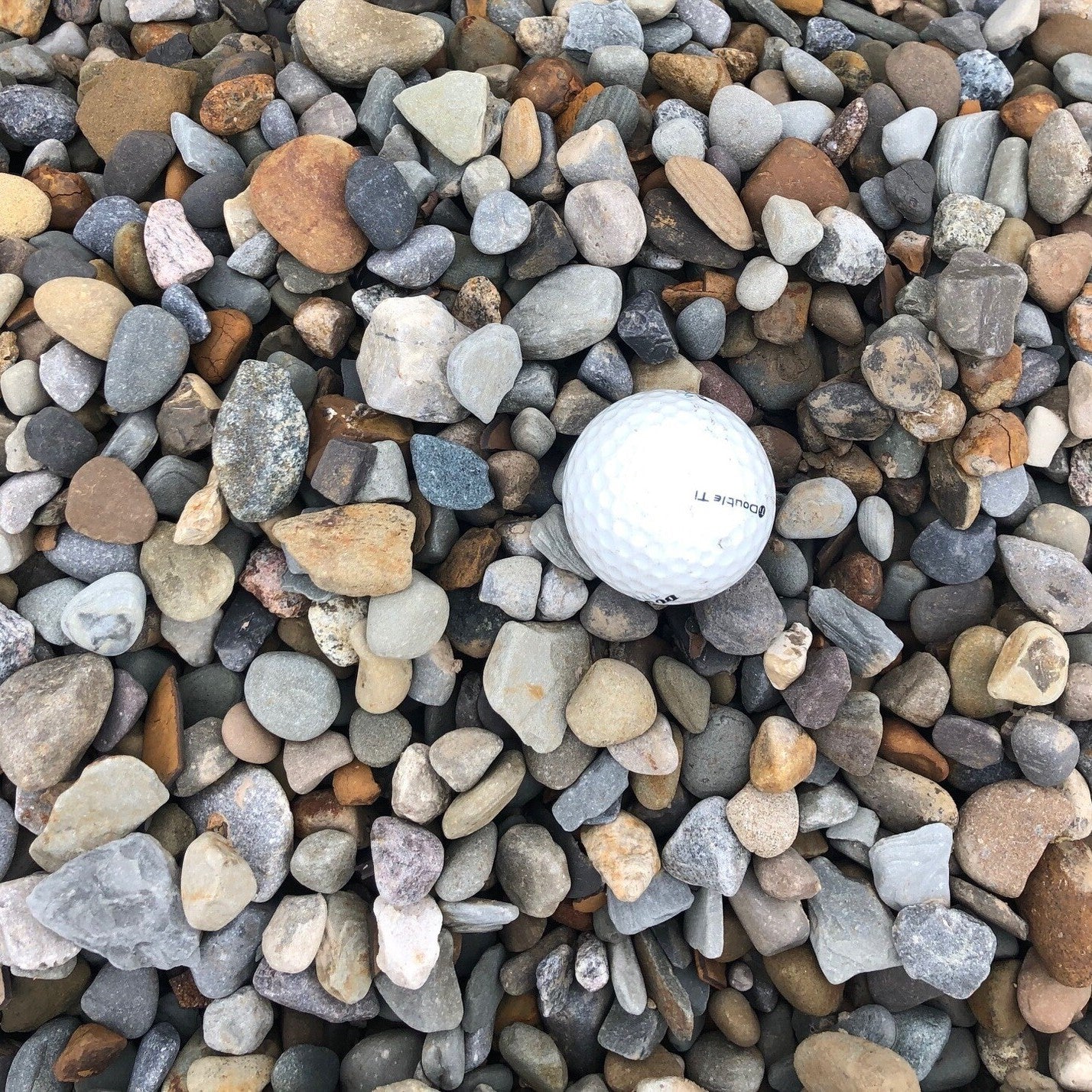
Number 57 crushed stone, angular limestone graded to about three quarters of an inch. The standard driveway, base and drainage gravel, it locks together under traffic and drains fast.
Mulch Mound delivered a yard of pea gravel to us. Delivery was on time, driver was friendly and hit a bullseye on the “tarp target”. We used the pea gravel (which was diameter as specified) to fill several muskrat holes around our pond. I would definitely recommend Mulch Mo...
Tell us what you're looking for
Thanks! We received your request.
Something went wrong. Please try again.
How Much Material Do I Need?
Plan for 3 to 4 inches of stone depth in most Lubbock applications, as the sandy loam beneath tends to shift and settle seasonally, and a shallow stone layer will look thin and uneven within just a season or two of West Texas weather.
Use our free gravel calculator
What is a yard?
A yard is approximately 27 cubic feet. As a general guideline, one yard of material can cover an area of about 100-160 square feet at a 2-3 inch depth.
We can't take orders for this right now. Tell us what you need and we'll get back to you.
What do you need?
Thanks! We received your request.
Something went wrong. Please try again.
Hand-picked local yards
4,000+ regional deliveries
Dedicated support
Why order through Mulch Mound
The best local stone, without the guesswork.
We hand-pick and partner with the best yards in your region, keep only the ones our buyers rate well, and back each load with our guarantee.
Mulch Mound Guarantee
If your stone isn't the quantity or quality you ordered, we'll make it right.
About this stone
Number 57 crushed stone, angular limestone graded to about three quarters of an inch. The standard driveway, base and drainage gravel, it locks together under traffic and drains fast.
Mulch Mound delivered a yard of pea gravel to us. Delivery was on time, driver was friendly and hit a bullseye on the “tarp target”. We used the pea gravel (which was diameter as specified) to fill several muskrat holes around our pond. I would definitely recommend Mulch Mo...
How Much Material Do I Need?
Plan for 3 to 4 inches of stone depth in most Lubbock applications, as the sandy loam beneath tends to shift and settle seasonally, and a shallow stone layer will look thin and uneven within just a season or two of West Texas weather.
Use our free gravel calculator
What is a yard?
A yard is approximately 27 cubic feet. As a general guideline, one yard of material can cover an area of about 100-160 square feet at a 2-3 inch depth.
Mulch Mound delivered a yard of pea gravel to us. Delivery was on time, driver was friendly and hit a bullseye on the “tarp target”. We used the ...
Read full review
Mulch Mound delivered a yard of pea gravel to us. Delivery was on time, driver was friendly and hit a bullseye on the “tarp target”. We used the pea gravel (which was diameter as specified) to fill several muskrat holes around our pond. I would definitely recommend Mulch Mound to a friend!
To estimate stone for a Lubbock project, multiply the length and width of your area in feet to get square footage, multiply that by your desired depth in inches, then divide by 324 to get cubic yards. For Lubbock's sandy loam base, plan for a minimum of 3 to 4 inches of stone depth so the underlying soil does not migrate upward through the material layer after heavy rain or repeated freeze-thaw cycles.
Stone Types We Deliver in Lubbock
Mulch Mound delivers bulk gravel by the yard in Lubbock, dropping your order right at the property so your crew or your weekend project can get started without delay. The high plains climate brings intense summer heat, dry winds, and soils that range from sandy loam to heavy clay, making stone a durable and low-maintenance ground cover for a wide range of applications. All orders are priced and sold by the cubic yard for a straightforward, no-guesswork experience.
Pea Gravel
Smooth, rounded, and finished in warm natural earth tones, pea gravel is a versatile pick for yards, patios, drainage channels, and planting beds across the region. It performs well in sandy soils that already drain quickly, holds up under the intense West Texas sun, and its small size makes it comfortable underfoot and easy to spread evenly.
Complete Your Outdoor Stone Project
Combine your stone delivery with bulk topsoil to properly grade and prepare drainage areas before laying stone, and consider adding an organic mulch border in your planting beds alongside the stone zones to give Lubbock landscapes a polished, layered look that is both visually appealing and water-smart.
Before laying any decorative stone in Lubbock, install a high-quality woven landscape fabric over the native sandy loam surface. Lubbock's sandy soil has a tendency to migrate upward through stone layers over multiple seasons of rainfall and freeze-thaw activity, and without a proper fabric barrier you will be pulling weeds that root directly into your gravel within a year or two. Fabric installation is the single most important step that separates a lasting stone project from a disappointing one.
Mulch Mound Pro Tip
For Lubbock homeowners using stone along foundation borders, grade the soil beneath so it slopes gently away from the structure before placing any stone on top. The intense thunderstorms Lubbock occasionally receives can deposit a large portion of the city's annual rainfall in one event, and if the ground beneath your foundation border stone is flat or angled inward, that water will pool directly against your foundation. Stone alone does not solve drainage, but stone installed over a properly graded surface absolutely does.
Mulch Mound Pro Tip
Choose stone colors that complement Lubbock's natural West Texas landscape palette rather than fighting against it. Tan caliche gravel, warm brown river rock, and buff-toned decomposed granite all harmonize with the surrounding environment and do a far better job of hiding the fine windblown soil that Lubbock's frequent dry winds deposit on every outdoor surface. Bright white stone looks sharp at installation but shows Lubbock's pervasive airborne dust as a dingy gray film within just a few weeks, requiring far more maintenance than earth-toned alternatives.
The Unique Landscape of Lubbock
Decorative stone and gravel are among the most practical landscaping materials available to Lubbock homeowners, precisely because they require almost no supplemental water in a city that receives only 19 inches of rain per year. Unlike organic ground covers that fade and break down quickly under Lubbock's intense UV environment, stone holds its appearance for decades without ongoing maintenance or replacement. Lubbock's sandy loam soil also tends to erode along walkways and foundation borders during the heavy spring thunderstorms that often deliver the bulk of the area's annual rainfall in just a few intense events, and properly placed stone locks those vulnerable edges in place. At 3,256 feet of elevation, Lubbock experiences strong ultraviolet exposure and wide daily temperature swings that cause repeated freeze-thaw stress on landscape materials from October through April, and natural stone handles that stress far better than most alternatives. Stone also provides excellent drainage support in areas where Lubbock's occasional intense rain events overwhelm the sandy loam's absorption capacity, directing water away from structures and preventing the foundation erosion issues that are common in West Texas residential landscapes.
Frequently Asked Questions
Click a question to see the answer
Answer
What size gravel works best for walkways in a Lubbock yard with sandy loam underneath?
A 3/8 inch to 3/4 inch crushed angular gravel works very well for Lubbock walkways because it compacts enough to create a stable walking surface while still allowing the occasional heavy rain to drain through quickly. Pea gravel is popular for its appearance but tends to migrate noticeably during Lubbock's high-wind days, so crushed stone with angular edges that interlock when compacted is generally the more practical choice for functional paths.
Answer
Will decorative stone actually help with the drainage issues my Lubbock yard deals with after heavy rain?
Yes, strategically placed stone can significantly improve drainage in Lubbock yards. A dry creek bed or drainage swale lined with river rock channels the heavy rain events Lubbock occasionally receives away from foundations and toward street drainage. Since Lubbock's sandy loam can only absorb rainfall so fast during an intense storm cell, having stone-lined channels that handle the overflow is a smart and attractive investment in your property's long-term health.
Answer
Is stone a reasonable alternative to mulch in parts of my Lubbock landscape?
Stone is an excellent choice for areas where you want a truly maintenance-free ground cover that survives Lubbock's brutal summers without fading, blowing away, or decomposing. It does not retain soil moisture the way organic mulch does, so it works best around drought-tolerant plants and native grasses rather than thirsty annuals. For foundation borders and areas under roof overhangs where little rainfall reaches anyway, stone is often the smarter long-term choice in West Texas.
Answer
How much stone do I need for a gravel pathway through my Lubbock backyard?
For a standard pathway in Lubbock, plan for 3 to 4 inches of stone depth to prevent the sandy loam underneath from working its way up through the gravel layer over time. Measure the length and width of your pathway, multiply to get square footage, then divide by 81 to get cubic yards at a 4 inch depth. Add about 15 percent to your estimate to account for the spreading and settling that naturally occurs on slightly uneven West Texas ground.
Answer
Does stone get dangerously hot around plants during a Lubbock summer?
Light-colored stone, such as white river rock or natural tan crushed limestone, reflects heat rather than absorbing it and is a much better choice around plants in Lubbock's intense summer sun. Dark stones like black lava rock absorb significant radiant heat and can raise soil temperatures to levels that stress plant roots during Lubbock's hottest July and August afternoons. If you want stone in planting beds, stick with lighter natural tones and leave a few inches of clearance around plant crowns.
Answer
Is decomposed granite a good fit for Lubbock yards and will it hold up to our weather extremes?
Decomposed granite is one of the best-suited stone products for Lubbock landscapes. It compacts well over the sandy loam base, handles the freeze-thaw cycles that occur between October and April without heaving or breaking apart, and its warm tan color harmonizes naturally with West Texas surroundings. It also allows rainfall to percolate through, which is important for keeping Lubbock's occasional heavy storms from generating excessive runoff across your property.
Answer
How do I keep my decorative gravel from blowing all over the yard during Lubbock's windstorms?
The key is choosing a stone size heavy enough to resist Lubbock's frequent high-wind days, typically 3/4 inch or larger for exposed open areas. Lighter pea gravel and small decorative chips will migrate noticeably during spring windstorms on the South Plains. Installing landscape edging around all stone areas helps contain the material, and placing woven landscape fabric underneath prevents the sandy loam below from loosening and allowing stone to sink or shift after Lubbock's summer thunderstorms.
Answer
Is crush and run the same as crusher run?
Crush and run refers to crushed stone blended with stone dust that compacts tightly for driveways and paver bases. It is a different product from our Crushed Stone #57, which has the fines washed out for free drainage, a better match for Lubbock's sandy loam soil where standing water near foundations and walkways is a concern.
Answer
Is there a stone yard near Lubbock?
Ask a stone yard for crushed stone and you would usually have to haul it yourself, but Mulch Mound delivers that same crushed stone to your Lubbock property by the cubic yard, so there is no trip to a quarry or pickup truck loading. It suits the area because it needs almost no added water in a city with only 19 inches of rain a year.