




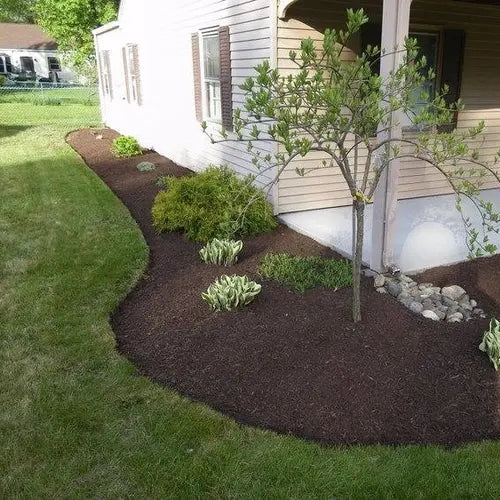

Easy to order, arrived when it was to arrive. Mulch was beautiful! Couldn’t be easier!
About this mulch
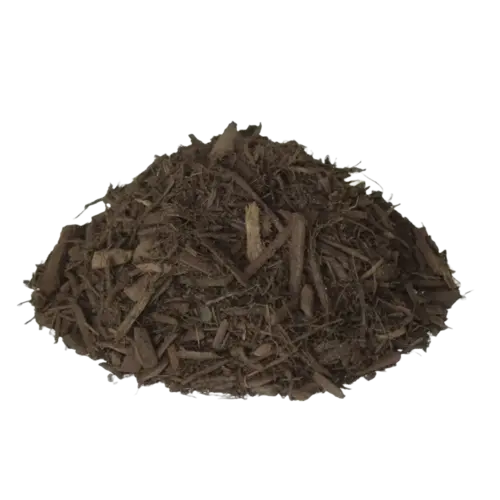
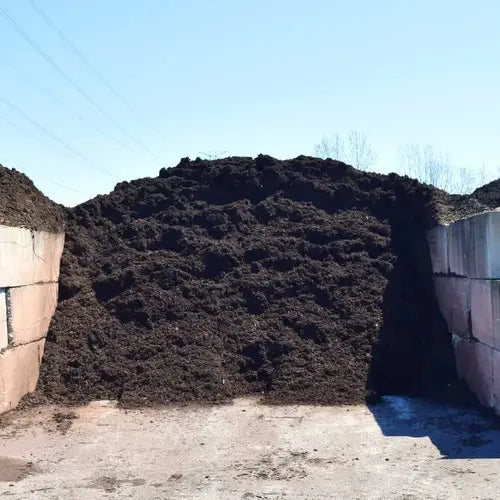
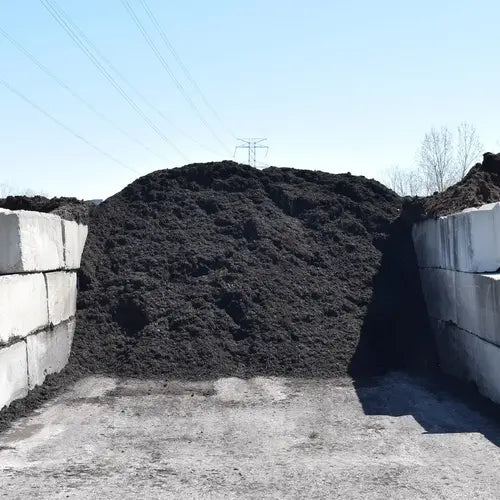
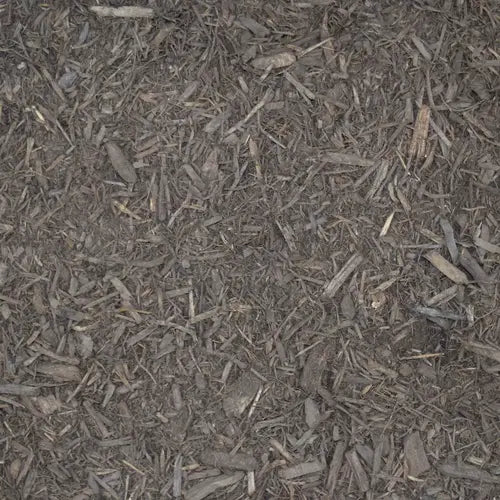
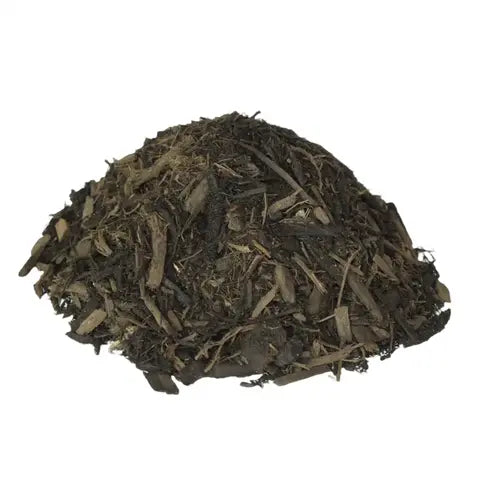
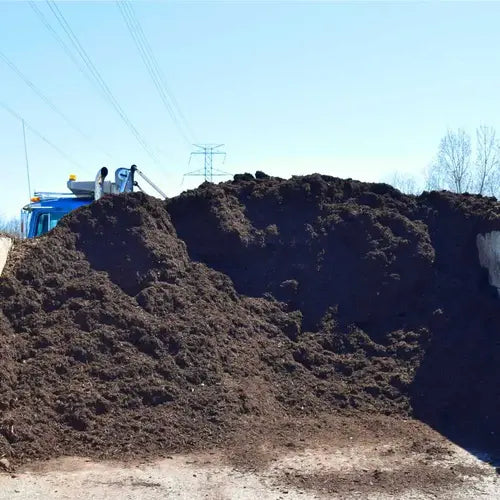
Warm brown double shredded mulch with lasting color that looks freshly applied for weeks. Spreads smooth, stays put, and gives beds a natural, polished appearance.
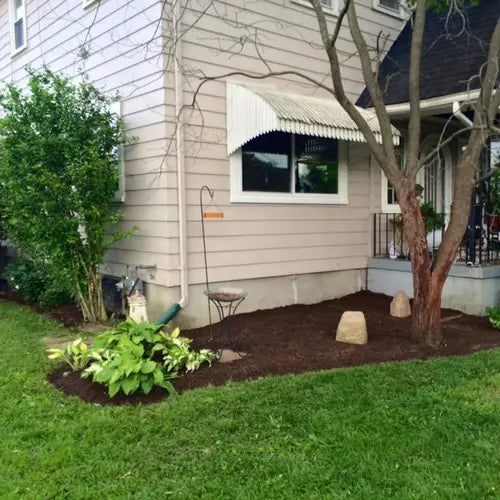
Easy to order, arrived when it was to arrive. Mulch was beautiful! Couldn’t be easier!
Tell us what you're looking for
Thanks! We received your request.
Something went wrong. Please try again.
How Much Material Do I Need?
How Much Material Do I Need?
A 3-inch layer is the minimum we recommend for sandy loam in Lumberton, and bumping to 4 inches on sun-exposed south-facing beds pays off during peak summer heat. One cubic yard covers roughly 108 square feet at 3 inches deep.
Use our free mulch calculator
What is a yard?
What is a yard?
FAQs
FAQs
Lumberton Mulch Delivery
Lumberton Mulch Delivery
Regular price
$64.00
per
yard
Regular price
Sale price
$64.00
Unit price
per
Shipping calculated at checkout.
Minimum of 3 yard
Couldn't load pickup availability
Not currently available
We can't take orders for this right now. Tell us what you need and we'll get back to you.
Hand-picked local yards
4,000+ regional deliveries
Dedicated support
Why order through Mulch Mound
The best local mulch, without the guesswork.
We hand-pick and partner with the best yards in your region, keep only the ones our buyers rate well, and back each load with our guarantee.
Mulch Mound Guarantee
If your mulch isn't the quantity or quality you ordered, we'll make it right.
About this mulch
Warm brown double shredded mulch with lasting color that looks freshly applied for weeks. Spreads smooth, stays put, and gives beds a natural, polished appearance.
Easy to order, arrived when it was to arrive. Mulch was beautiful! Couldn’t be easier!
How Much Material Do I Need?
How Much Material Do I Need?
A 3-inch layer is the minimum we recommend for sandy loam in Lumberton, and bumping to 4 inches on sun-exposed south-facing beds pays off during peak summer heat. One cubic yard covers roughly 108 square feet at 3 inches deep.
Use our free mulch calculator
What is a yard?
What is a yard?
FAQs
FAQs
Tell us what you're looking for
Thanks! We received your request.
Something went wrong. Please try again.

How It Works
Getting started is easy — just follow these simple steps
1
Choose your Mulch
Make sure you adjust the quantity to your home's needs. You can use our calculator to estimate how much you'll need.
2
Select your delivery date
Select a delivery date you'd like for the product to be dropped off at your home
3
Sit back and wait
Sit back, wait, and let us work our magic to make sure the highest quality product is delivered to your driveway.

Great experience! Easy to order, they delivered promptly and were very respectful of the property! Ordered the triple shredded brown mulch and it w...
Read full review
Great experience! Easy to order, they delivered promptly and were very respectful of the property! Ordered the triple shredded brown mulch and it was EXACTLY what I wanted. Very clean product too, no garbage or filler. Already put these guys in my calendar to order from next year! Keep up the good work.

Website was easy to use. Mulch was delivered on time and exactly where specified. It makes our front yard look great just in time for spring!
Calculate mulch for your Lumberton project
For Lumberton's Sandy Loam type of soil, we recommend 2-3 inches for best weed suppression and moisture retention
Try Our CalculatorStart by walking each bed and measuring length and width in feet, then multiply to get square footage. For Lumberton's sandy loam beds, plan on at least 3 inches of depth so the mulch can genuinely slow moisture loss between summer rainstorms. If your yard has multiple irregularly shaped beds, calculate each one separately and add the totals before placing your order.
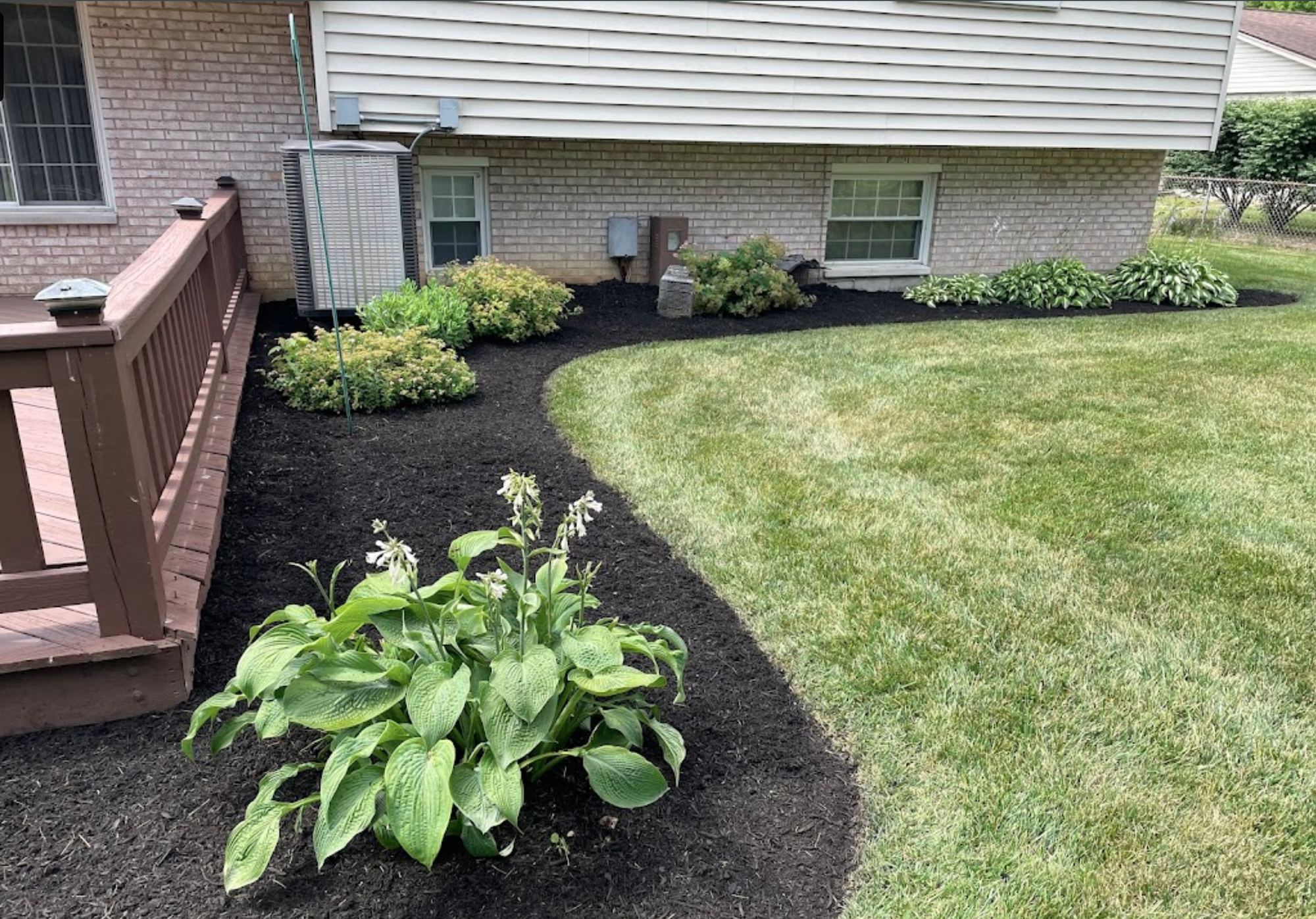
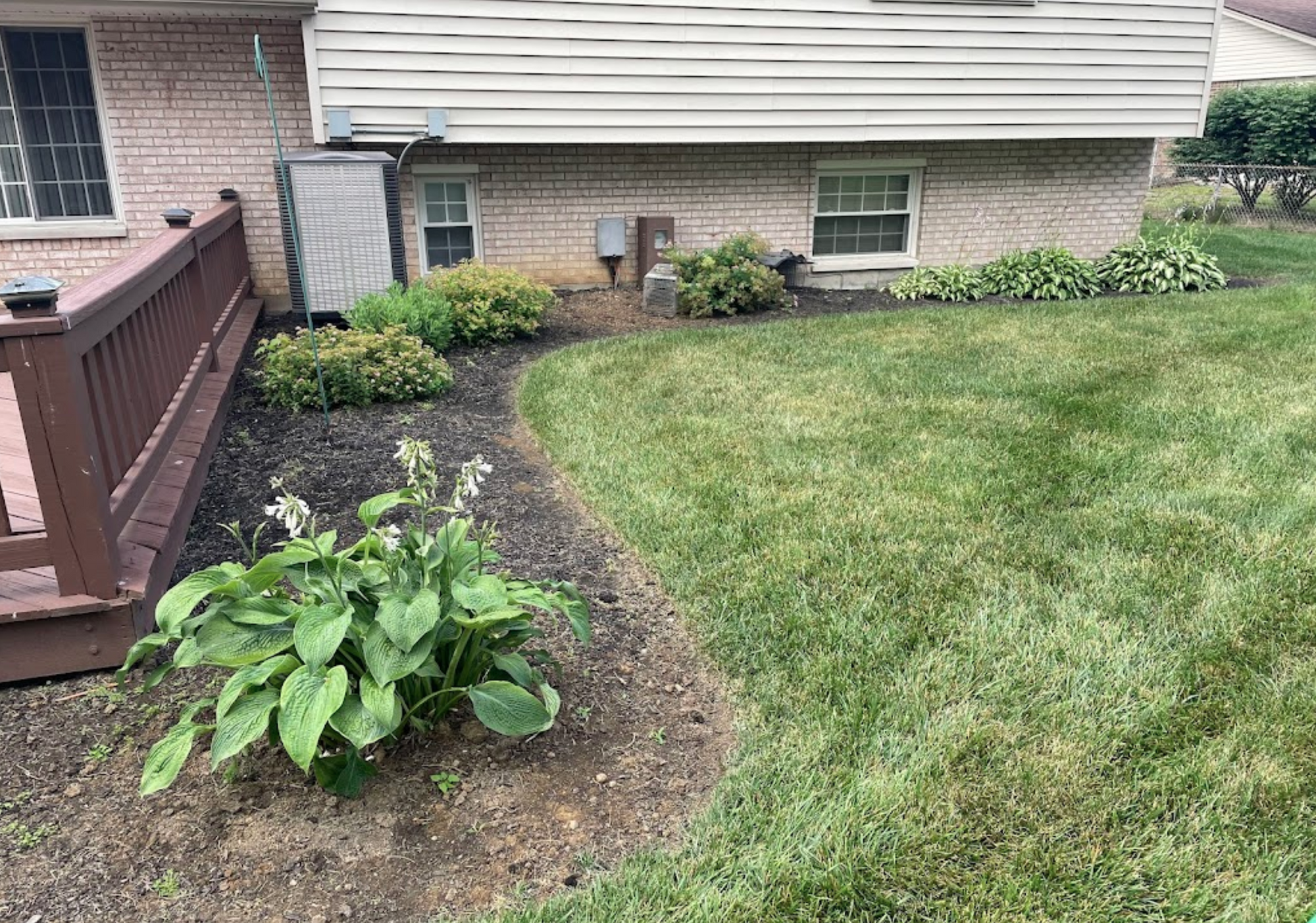

Best Mulch Choice for Lumberton Lawns
Most yards in the Lumberton area sit on Sandy Loam type of soil. Lumberton's sandy loam is naturally low in organic matter, which means plant beds can struggle to hold moisture and nutrients between waterings or rain events. Choosing a mulch that breaks down gradually into the soil helps correct that deficiency season by season.
Hardwood Mulch
Hardwood mulch is particularly well suited to Lumberton's sandy loam because it breaks down at a moderate pace, continuously releasing organic matter that improves the soil's ability to retain water and nutrients. Over a couple of seasons, beds that are consistently mulched with hardwood show noticeably better moisture retention and plant vigor compared to unmulched sandy loam areas.
Mulch Types We Deliver in Lumberton
Mulch Mound makes bulk mulch delivery in Lumberton simple, bringing fresh material right to your property by the cubic yard so you can skip the hauling. Whether you are freshening up a few flower beds or overhauling your entire landscape, we cover projects of every size across southeastern North Carolina. Choose your variety, place your order, and we handle the rest.
Dyed Black Mulch
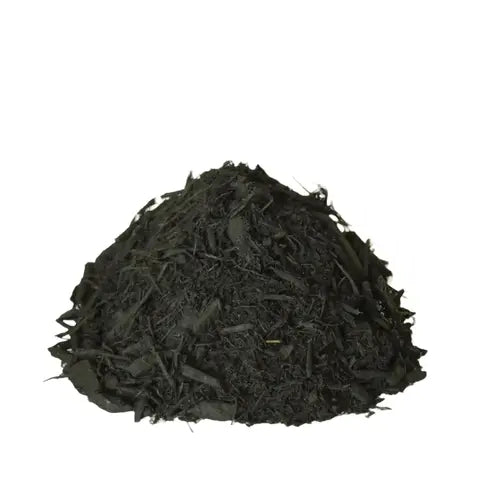
Bold and striking, this double shredded mulch creates deep contrast against the lighter sandy soils common in this part of North Carolina. The rich black color holds strong through humid summers and heavy rain, and the smooth texture spreads effortlessly across wide beds and borders, giving any yard a sharp, polished finish.
Dyed Brown Mulch
Warm and inviting, this double shredded mulch pairs naturally with the brick and wood-tone exteriors typical of homes across this part of North Carolina. The long-lasting color stays fresh through weeks of summer rain, and the fine smooth texture spreads flat and even, giving both front beds and backyard plantings a clean, finished look.
Natural Brown Mulch
Made from undyed wood with a warm earthy tone, this double shredded mulch blends right in with the pine-heavy tree canopy and sandy soils of southeastern North Carolina. It suits homeowners who prefer an organic, understated look, and its smooth shred retains moisture well through Lumberton's long, warm growing season.
Complete Your Outdoor Mulch Project
Pair your mulch order with a bulk topsoil or garden soil delivery to amend Lumberton's sandy loam before you mulch over new beds. River rock or granite stone borders around your mulched areas also help lock the edges in place during heavy Carolina rain events.


Mulch Mound Pro Tip
Keep mulch pulled back an inch or two from the base of shrubs and tree trunks. Lumberton's warm, humid summers create the perfect environment for fungal issues when organic material stays pressed against plant stems for weeks at a time. That small gap allows air circulation and keeps the crown of the plant dry even after the frequent rain events that roll through Robeson County.
Mulch Mound Pro Tip
Time your mulch application to coincide with Lumberton's spring planting window, right after the April 4 last frost date. Spreading mulch while the soil is still warming up from winter traps that warmth and gives roots a head start. Tomatoes, peppers, and other warm-season vegetables planted in zone 8b soils benefit noticeably when the ground stays a few degrees warmer during those first cool nights of early spring.
Mulch Mound Pro Tip
Lumberton's 47 inches of annual rainfall sounds like plenty of moisture for plants, but much of it falls in quick, intense bursts rather than slow, soaking rains. That means water runs off the surface before it can penetrate sandy loam deeply. A generous mulch layer slows that runoff dramatically, giving water time to soak in and reach roots, which can reduce how often you need to run irrigation even during the driest stretches of July and August.
The Unique Landscape of Lumberton
Lumberton's sandy loam soil drains quickly after rain, which means plant beds can dry out faster than homeowners expect even with the area's 47 inches of annual rainfall. Applying a quality mulch layer helps slow that moisture loss and keeps roots comfortable through the long, humid summers that zone 8b delivers. Without mulch, Lumberton's frequent summer rain events can also compact bare soil and trigger weed explosions that are tough to manage by midsummer. Because the growing season here stretches from the last frost around April 4 all the way to the first frost near October 28, beds benefit from consistent coverage for most of the year. Organic mulch gradually feeds the sandy loam as it breaks down, improving its ability to hold nutrients that otherwise leach out quickly. Choosing the right mulch for Lumberton conditions means balancing aesthetics, longevity, and soil improvement.