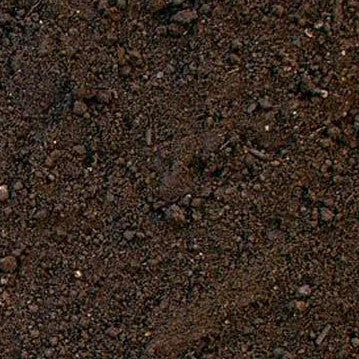
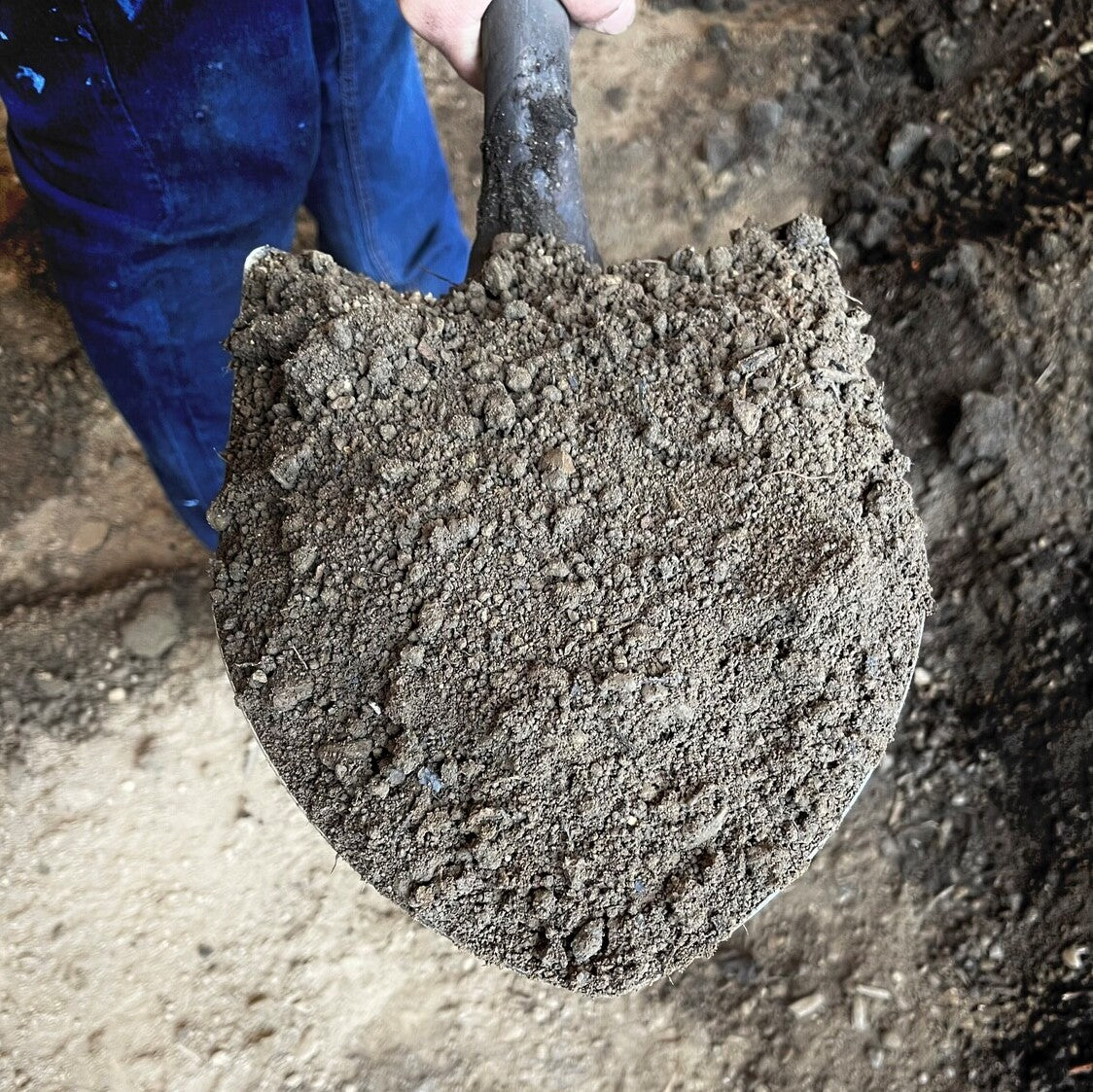
Quality topsoil for lawns, gardens, and landscape projects. Nutrient rich and ready to support strong root development and healthy plant establishment.
We got 3 yards of the gardening top soil. It was great quality, not many chunks and seems good for growing, just waiting for all my plants to love it.
We had more than enough soil to fill a raised bed we made and landscaped around a patio. I do wish we could do less tha...
Tell us what you're looking for
Thanks! We received your request.
Something went wrong. Please try again.
How Much Material Do I Need?
Plan for at least 6 inches of bulk soil for lawn leveling and topdressing projects, and a full 12 inches for new garden or raised bed installations in Lumberton's sandy loam landscape. Shallow applications tend to dry out too quickly during the zone 8b summer to be worth the effort.
Use our free soil calculator
What is a yard?
A yard is approximately 27 cubic feet. As a general guideline, one yard of material can cover an area of about 100-160 square feet at a 2-3 inch depth.
We can't take orders for this right now. Tell us what you need and we'll get back to you.
What do you need?
Thanks! We received your request.
Something went wrong. Please try again.
Hand-picked local yards
4,000+ regional deliveries
Dedicated support
Why order through Mulch Mound
The best local soil, without the guesswork.
We hand-pick and partner with the best yards in your region, keep only the ones our buyers rate well, and back each load with our guarantee.
Mulch Mound Guarantee
If your soil isn't the quantity or quality you ordered, we'll make it right.
About this soil
Quality topsoil for lawns, gardens, and landscape projects. Nutrient rich and ready to support strong root development and healthy plant establishment.
We got 3 yards of the gardening top soil. It was great quality, not many chunks and seems good for growing, just waiting for all my plants to love it.
We had more than enough soil to fill a raised bed we made and landscaped around a patio. I do wish we could do less tha...
How Much Material Do I Need?
Plan for at least 6 inches of bulk soil for lawn leveling and topdressing projects, and a full 12 inches for new garden or raised bed installations in Lumberton's sandy loam landscape. Shallow applications tend to dry out too quickly during the zone 8b summer to be worth the effort.
Use our free soil calculator
What is a yard?
A yard is approximately 27 cubic feet. As a general guideline, one yard of material can cover an area of about 100-160 square feet at a 2-3 inch depth.
We got 3 yards of the gardening top soil. It was great quality, not many chunks and seems good for growing, just waiting for all my plants to love ...
Read full review
We got 3 yards of the gardening top soil. It was great quality, not many chunks and seems good for growing, just waiting for all my plants to love it.
We had more than enough soil to fill a raised bed we made and landscaped around a patio. I do wish we could do less than 3 yds delivered but I understand the limitations.
My only concern was we requested it on the top left of our driveway since we had mulch on the other side, they ended up pouring it on top of the mulch (it was covered with a tarp so not ruined) making it difficult to complete our landscaping in a timely fashion.
Measure the length, width, and planned depth of your project area in feet to get your cubic footage, then divide by 27 to convert to cubic yards. In Lumberton, deeper fills pay off because native sandy loam dries out quickly and a shallow soil layer will not buffer plant roots effectively through summer. Add 10 percent to your calculated total to account for settling after the first few waterings.
Soil Types We Deliver in Lumberton
Lumberton homeowners and landscapers rely on us for bulk topsoil by the yard in Lumberton, delivered straight to your driveway or job site. The sandy, low-organic soils common throughout Robeson County often need amendment before lawns and gardens can truly thrive. We make it easy to get the right soil in the quantities you need, without hauling it yourself.
Screened Top Soil
Our screened topsoil is run through a fine screen to remove rocks, roots, and large debris, giving you a clean and consistent product ready to spread. It is nutrient rich and well suited for filling low spots, building up garden beds, and supporting new lawn establishment in the warm, humid growing conditions of southeastern North Carolina.
Complete Your Outdoor Soil Project
After your soil is in place, add a mulch layer on top to lock in moisture and protect your investment through Lumberton's warm, rainy summers. Stone edging along bed borders keeps bulk soil from migrating into lawn areas during the heavy rain events that are common across Robeson County.
Will bulk topsoil actually improve my sandy loam yard in Lumberton?
Yes, blending quality topsoil into Lumberton's native sandy loam raises the organic matter content, which improves moisture retention and nutrient availability. For lawn areas, topdressing with a thin layer of topsoil after aerating in spring is one of the most effective ways to gradually build up the native soil profile. For new garden beds, mixing bulk topsoil with the native sandy loam at about a 50-50 ratio gives plants a much better start from day one.
Answer
How deep should I go when building a new garden bed from scratch in Lumberton?
For most vegetables and perennials, you want at least 12 inches of quality soil to give roots room to spread and find moisture. In Lumberton, where native sandy loam can become droughty quickly in summer, starting with a full 12-inch layer of enriched garden soil gives plants a moisture reservoir that carries them through the hottest weeks between rain events.
Answer
What kind of soil mix works best for raised vegetable beds here in Lumberton?
A blended garden mix that combines topsoil, compost, and some coarse organic material works best for Lumberton raised beds. The compost component holds moisture that straight sandy loam-based mixes tend to lose quickly, and the extra nutrients support the long zone 8b growing season that stretches from April through late October. Look for mixes with visible dark organic matter rather than pale, sandy blends.
Answer
Can bulk soil fix the low spots in my Lumberton lawn that fill with water after storms?
Absolutely. Low areas are common in Lumberton yards after heavy rain events wash soil from high spots into depressions over time. Fill low spots with topsoil in thin layers, tamping each layer lightly before adding more. Avoid filling more than about 2 inches over existing grass at once or you risk smothering the turf, which is already managing heat stress through zone 8b summers.
Answer
How many cubic yards of soil do I need for a 400-square-foot garden bed?
To fill a 400-square-foot bed to a 12-inch depth you would need approximately 15 cubic yards. If you are topdressing an existing bed at 3 to 4 inches, you would need closer to 4 to 5 cubic yards. Use our calculator and enter your actual dimensions for a precise estimate tailored to your Lumberton project.
Answer
With all the rain Lumberton gets, should drainage affect which soil I choose?
With 47 inches of rain annually, drainage is a real consideration for Lumberton gardens. You want a soil mix that drains well enough to prevent root rot during wet winters and spring storms, but retains enough moisture to get plants through the dry spells that sometimes hit in late summer. A balanced loam blend with compost incorporated throughout hits that sweet spot for most zone 8b plantings.
Answer
Is ordering bulk soil really worth it compared to buying bags at the store?
Bulk delivery is almost always more cost-effective for anything larger than a small planter box. A standard 4-by-8-foot raised bed at 12 inches deep needs about 1.2 cubic yards of soil, which is equivalent to more than 40 bags of packaged garden soil. For Lumberton homeowners building multiple raised beds or leveling a lawn area, ordering in bulk saves significant money and eliminates the hassle of loading and hauling heavy bags.
Mulch Mound Pro Tip
If you are establishing a new lawn area in Lumberton, till the bulk topsoil into the existing sandy loam rather than simply layering it on top. Sandy loam and fresh topsoil can form a distinct boundary that restricts root penetration if the two layers are not blended together. A quick pass with a tiller to mix the top 4 to 6 inches creates a uniform profile that grass roots can move through freely from the start.
Mulch Mound Pro Tip
Schedule your bulk soil delivery just before Lumberton's spring planting window opens in early April. Soil that sits in a pile for a week or two before spreading is perfectly fine, but getting it in place and wetted down before your transplants go in means the soil is already settled and evenly moist at planting time. Fresh transplants in zone 8b take off faster when they go into settled, consistently moist soil rather than dry, freshly placed fill.
Mulch Mound Pro Tip
For Lumberton homeowners filling raised beds, mix compost or organic matter in with your bulk soil rather than using straight topsoil alone. The 47 inches of annual rainfall Lumberton receives sounds generous, but intense summer storms move water through sandy-based soils quickly. Organic matter holds onto that moisture like a sponge, giving plant roots something to drink between fast-draining rain events and keeping your raised bed productive all the way through October.
The Unique Landscape of Lumberton
Lumberton's native sandy loam is a workable starting point, but it often falls short when homeowners are trying to establish new lawn areas, fill raised beds, or level out yards after construction or heavy rain. The sandy texture drains quickly and can leave plants starved for moisture and nutrients within days of a rain event, even in a year that delivers 47 inches of precipitation. Bringing in quality bulk topsoil or garden soil lets you build the right foundation before planting rather than fighting native soil limitations all season long. Zone 8b's long growing season from April 4 to October 28 means that good soil preparation in early spring pays dividends for nearly seven months of active plant growth. Raised beds are especially popular in Lumberton because they allow gardeners to sidestep native soil challenges and control drainage precisely. Whether you are grading a low spot, topping off a lawn, or filling a vegetable bed, the right bulk soil makes the difference between plants that thrive and plants that merely survive.