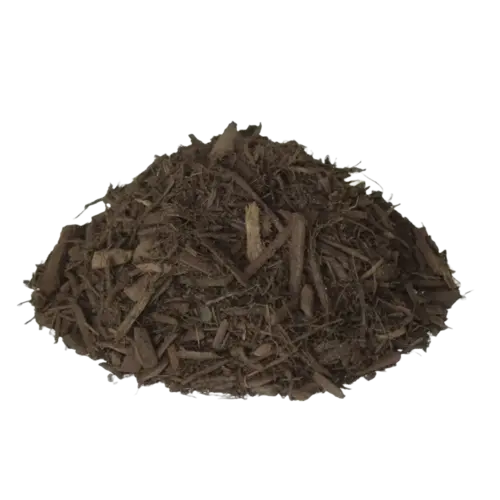
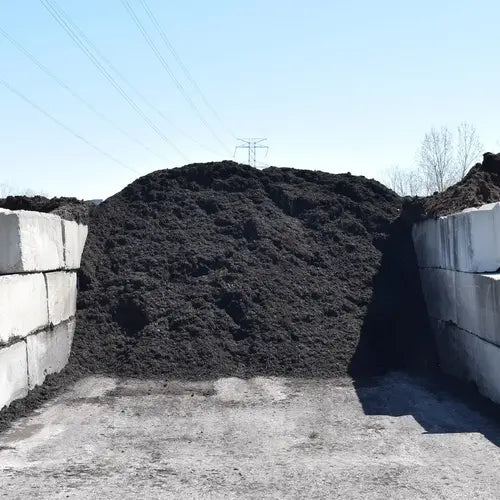
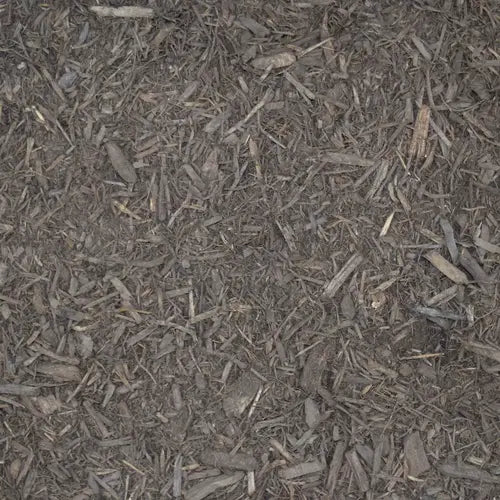
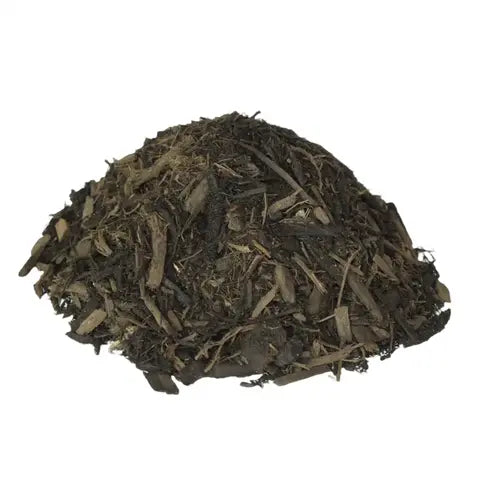
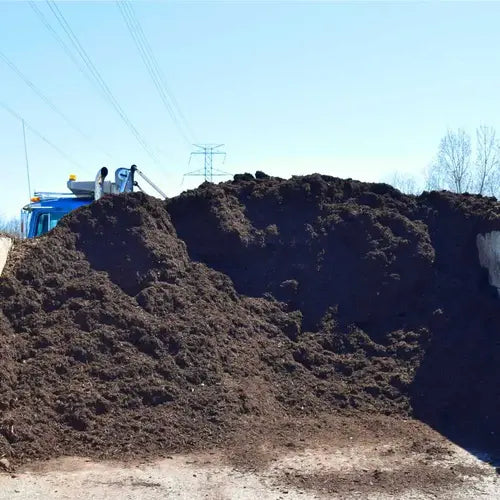
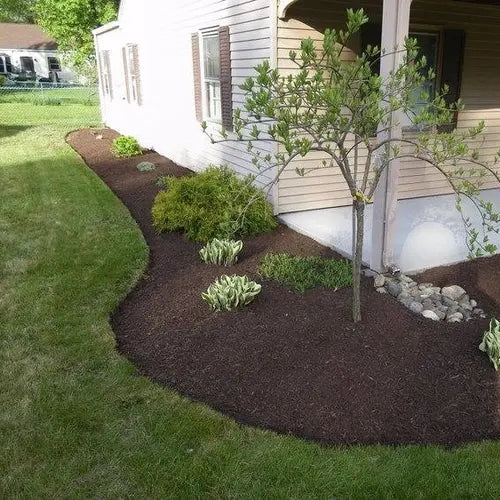
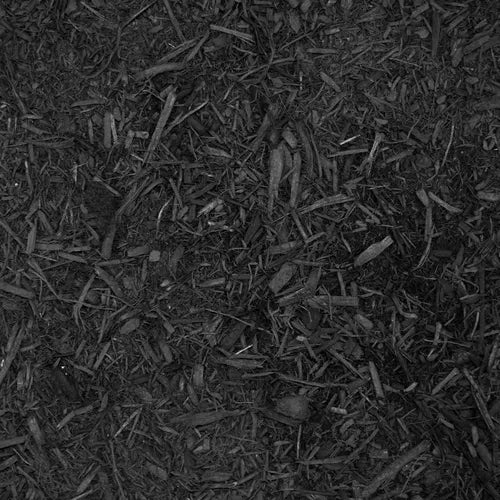
Warm brown double shredded mulch with lasting color that looks freshly applied for weeks. Spreads smooth, stays put, and gives beds a natural, polished appearance.
Good quality, great price, fast delivery. All online - no submitting forms and waiting for days for quotes. Getting mulch should be this easy from everyone. Only Mulch Mound is ACTUALLY this simple.
Tell us what you're looking for
Thanks! We received your request.
Something went wrong. Please try again.
How Much Material Do I Need?
Madisonville's silt loam soil responds best when mulch is applied at 3 inches deep, thick enough to suppress weeds and retain moisture but not so thick that it smothers shallow roots. Avoid piling mulch against plant stems or tree trunks, which traps moisture and encourages rot in the humid Western Kentucky climate.
Use our free mulch calculator
What is a yard?
A yard is approximately 27 cubic feet. As a general guideline, one yard of material can cover an area of about 100-160 square feet at a 2-3 inch depth.
We can't take orders for this right now. Tell us what you need and we'll get back to you.
What do you need?
Thanks! We received your request.
Something went wrong. Please try again.
Hand-picked local yards
4,000+ regional deliveries
Dedicated support
Why order through Mulch Mound
The best local mulch, without the guesswork.
We hand-pick and partner with the best yards in your region, keep only the ones our buyers rate well, and back each load with our guarantee.
Mulch Mound Guarantee
If your mulch isn't the quantity or quality you ordered, we'll make it right.
About this mulch
Warm brown double shredded mulch with lasting color that looks freshly applied for weeks. Spreads smooth, stays put, and gives beds a natural, polished appearance.
Good quality, great price, fast delivery. All online - no submitting forms and waiting for days for quotes. Getting mulch should be this easy from everyone. Only Mulch Mound is ACTUALLY this simple.
How Much Material Do I Need?
Madisonville's silt loam soil responds best when mulch is applied at 3 inches deep, thick enough to suppress weeds and retain moisture but not so thick that it smothers shallow roots. Avoid piling mulch against plant stems or tree trunks, which traps moisture and encourages rot in the humid Western Kentucky climate.
Use our free mulch calculator
What is a yard?
A yard is approximately 27 cubic feet. As a general guideline, one yard of material can cover an area of about 100-160 square feet at a 2-3 inch depth.
Good quality, great price, fast delivery. All online - no submitting forms and waiting for days for quotes. Getting mulch should be this easy fr...
Read full review
Good quality, great price, fast delivery. All online - no submitting forms and waiting for days for quotes. Getting mulch should be this easy from everyone. Only Mulch Mound is ACTUALLY this simple.
I highly recommend Mulch Mound. The quality of the mulch is very good. The ordering system on their website makes it very easy. The delivery driver...
Read full review
I highly recommend Mulch Mound. The quality of the mulch is very good. The ordering system on their website makes it very easy. The delivery driver did a great job placing the mulch on the driveway. To finish off, the pricing was very reasonable as well.
They offered a quick turnaround and delivered high quality mulch at a reasonable price. They also dropped it off exactly where I told them to put i...
Read full review
They offered a quick turnaround and delivered high quality mulch at a reasonable price. They also dropped it off exactly where I told them to put it. Good service!
To estimate mulch for your Madisonville beds, measure each bed's length and width in feet and multiply them together to get square footage. Divide that number by 100 for a 3-inch application depth, which is the recommended layer for silt loam soil that compacts under heavy rain. Add a buffer of 10 to 15 percent to account for settling and uneven spreading across irregular bed shapes.
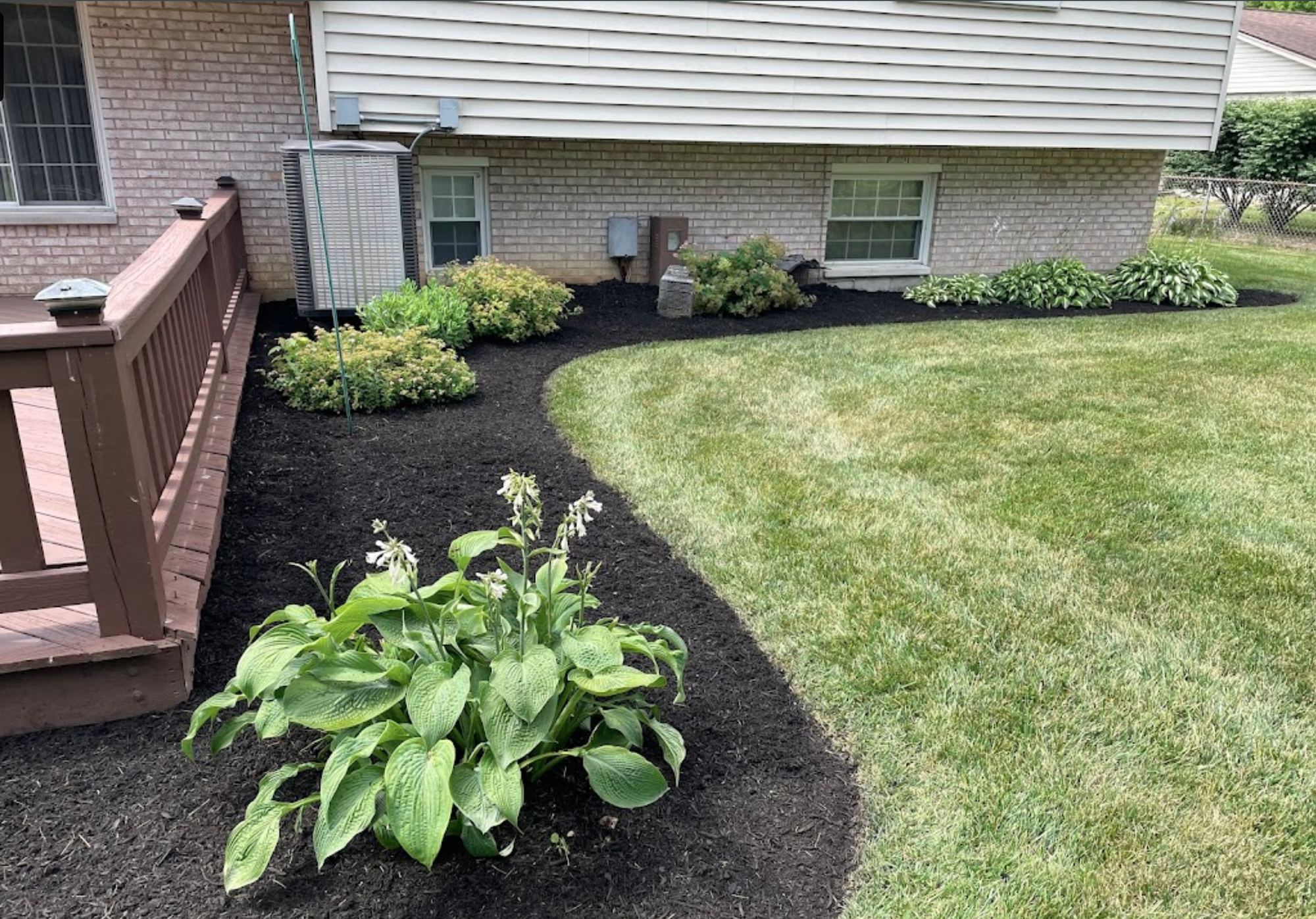
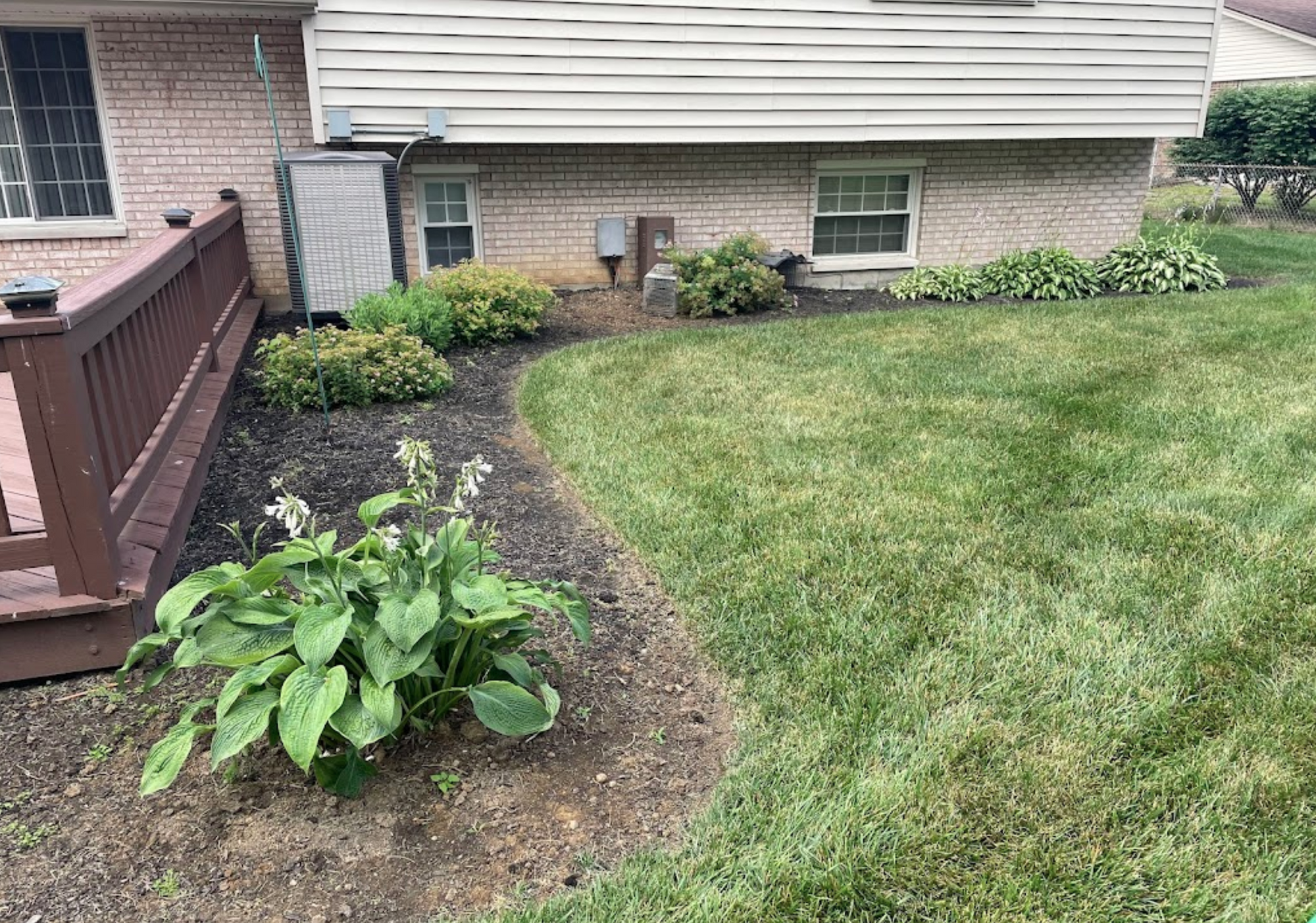
Mulch vs. No Mulch: The Difference
Madisonville's warm humid summers and generous rainfall mean natural hardwood mulch breaks down and feeds your silt loam soil over time, which is a genuine long-term benefit for plant beds. Dyed or colored mulch breaks down at a similar rate but uses colorfast pigments to maintain appearance through the season, making it a popular choice for front-yard beds where curb appeal matters. Understanding how each type performs under Western Kentucky's weather helps you choose the right product for each area of your landscape.
Before
After
Best Mulch Choice for Madisonville Lawns
Most yards in the Madisonville area sit on Silt Loam type of soil. Madisonville's silt loam soil is naturally fine-textured and tends to compact under heavy foot traffic or repeated rainfall, which limits the oxygen and drainage that plant roots need. Adding a layer of organic mulch over silt loam beds creates a buffer that absorbs rain impact and keeps the surface from sealing over between watering and storms.
Hardwood Mulch
Shredded hardwood mulch is particularly well-matched to Madisonville's silt loam because as it decomposes it releases organic matter that loosens the soil's fine particles, improves drainage, and adds the microbial activity that silt loam soils often lack after years of compaction and runoff.
Mulch Types We Deliver in Madisonville
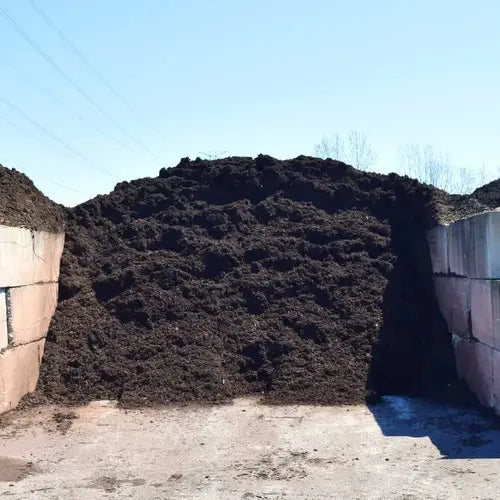
Getting fresh mulch hauled in by the yard is one of the fastest ways to sharpen up your landscape before the Kentucky heat sets in. We offer bulk mulch delivery in Madisonville so homeowners and contractors can order by the cubic yard and skip the bag-by-bag runs to the store. Whether you are refreshing a few beds or covering a large property, we load and drop off everything in one trip.
Dyed Black Mulch
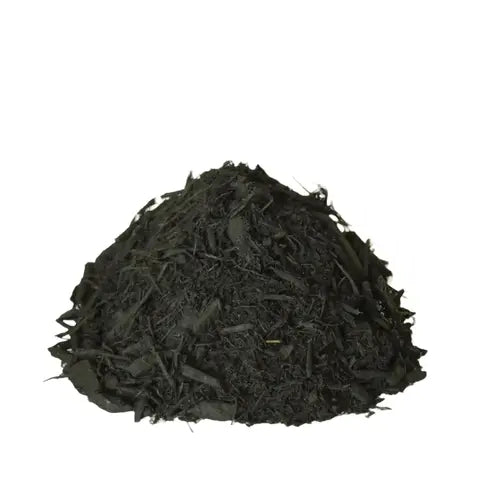
Bold and striking, dyed black double shredded mulch is a favorite for homeowners who want flower beds and foundation plantings to pop. The deep color holds up through hot Kentucky summers and heavy rains, and the smooth texture spreads quickly across beds of any size.
Dyed Brown Mulch
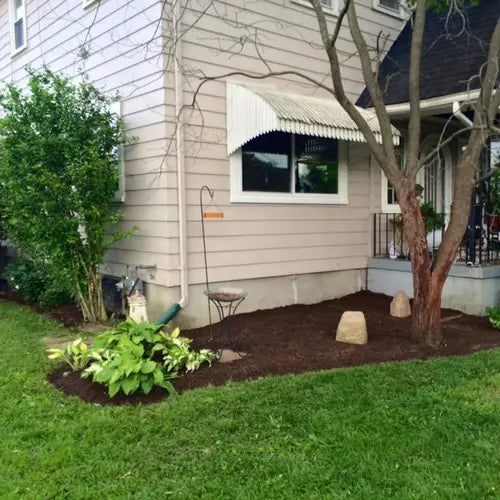
Warm and natural looking, dyed brown double shredded mulch suits the traditional brick and vinyl homes common across western Kentucky. The color stays vivid for weeks after application even under direct sun, and the double shredded texture lays flat and resists washing away during seasonal storms.
Natural Brown Mulch
Undyed and honest, natural brown double shredded mulch delivers a warm earthy tone straight from the wood with no added colorants. It suits gardeners who prefer an organic look, and it breaks down gradually to return organic matter to the heavy clay soils common throughout this part of Kentucky.
Complete Your Outdoor Mulch Project
Pair your mulch order with a quality topsoil or garden soil delivery to refresh depleted bed areas before you mulch, and consider adding a border of decorative stone to keep your mulch contained through Madisonville's heavy spring rains. Edging stone gives your beds a clean boundary that reduces mulch washout and eliminates the need for plastic edging.
Madisonville's silt loam soil forms a surface crust after hard rains, which can actually shed water rather than absorb it. Before spreading fresh mulch, break up any crust with a garden rake and work in a thin layer of compost. This opens the soil surface so that moisture from rain and irrigation filters down to root zones instead of running off into your lawn or driveway.
Mulch Mound Pro Tip
Zone 7a in Western Kentucky means your perennials and ornamental grasses go dormant but rarely freeze solid. Pull mulch back slightly from the crowns of perennials in late fall rather than mounding it directly over them. A loose ring of mulch a few inches away from the crown protects roots without trapping the excess moisture that can rot crowns during Madisonville's wet winter months.
Mulch Mound Pro Tip
With 52 inches of annual rainfall, Madisonville homeowners often underestimate how quickly that water can displace light mulch from sloped beds. Use shredded hardwood or double-ground mulch instead of large nuggets on any bed with even a slight grade. Shredded material interlocks as it settles and resists washing far better than large chips, keeping your beds looking tidy through heavy spring downpours.
Frequently Asked Questions
Click a question to see the answer
Answer
How much mulch do I actually need for a typical Madisonville yard with a lot of silt loam soil?
For most Madisonville beds with silt loam soil, a 3-inch layer is the sweet spot. Silt loam compacts moderately under heavy rain, so a full 3 inches keeps the top layer loose and airy around plant roots. Measure the length and width of each bed in feet, multiply those together, then divide by 100 to get the number of cubic yards needed for a 3-inch depth.
Answer
Will mulch help with the constant weeds that come up after our heavy spring rains?
Yes, and Madisonville's spring rain pattern is exactly why a thick mulch layer matters so much here. The area receives a good portion of its 52 annual inches during March through May, and that moisture wakes up weed seeds fast. A consistent 3-inch mulch layer blocks the sunlight those seeds need to germinate and physically prevents most from pushing through.
Answer
Does hardwood mulch break down faster here than in drier parts of the country?
It does break down at a moderate pace in Madisonville because the combination of warm summers and generous rainfall creates good conditions for decomposition. You can expect to top off hardwood mulch beds every 12 to 18 months to maintain the full 3-inch depth. That breakdown is actually a benefit for your silt loam soil because it adds organic matter that improves drainage and loosens the fine soil texture over time.
Answer
When is the best time of year to lay fresh mulch around Madisonville?
The most effective time is late March to mid-April, right after the last frost date around April 10. Mulching just as soil begins warming traps that early season heat and gives your perennials and shrubs a head start. A second application in early October, before the first frost around October 20, insulates root zones through the winter and reduces heaving damage from freeze-thaw cycles.
Answer
Will colored mulch keep its color through Madisonville's summer heat and rain?
Dyed mulch holds color reasonably well through the first season in Madisonville, but the 52 inches of annual rainfall and intense summer sun will fade it by the second year. If color retention is important to you, plan to refresh dyed mulch annually. Natural hardwood mulch fades to a silver-gray naturally and tends to blend well with the earthy tones common in Western Kentucky landscaping.
Answer
I have a low spot in my yard near my beds that always stays wet. Will mulch make that worse?
Mulch alone will not solve a drainage problem in low-lying spots, which are common in Madisonville's relatively flat terrain. In wet areas, you are better off addressing the grade first with a load of fill soil, then mulching once water moves away from the area properly. Overly thick mulch in constantly wet zones can stay saturated and promote root rot in shrubs and perennials.
Answer
What type of mulch works best around the native plants and shrubs common in Zone 7a gardens?
Shredded hardwood mulch is the most compatible choice for Zone 7a native plants because it mimics the forest floor conditions many of those species evolved in. As it breaks down it feeds beneficial soil microbes in your silt loam and gently lowers soil pH, which suits many native Kentucky shrubs and perennials. Avoid rubber or inorganic mulch around living plants since those materials add no organic value to the soil.
The Unique Landscape of Madisonville
Madisonville's silt loam soil is naturally fine-textured and prone to surface crusting after the area's frequent spring rains, which makes mulching plant beds more than just a cosmetic choice. With 52 inches of rainfall annually, unprotected soil washes away from bed edges and compacts between plants, reducing the air pockets roots need to thrive. A proper mulch layer buffers that rainfall impact, keeping the silt loam loose and workable beneath the surface. Madisonville's Zone 7a growing season stretches from the last frost around April 10 through first frost near October 20, giving plants a long active period that burns through soil moisture quickly during July and August heat. Mulch keeps that moisture in the ground where it belongs, cutting summer watering needs significantly. Consistent mulch coverage also moderates the soil temperature swings that Western Kentucky experiences between cool spring nights and hot humid summers.