




Good quality top soil and was delivered exactly where I wanted it. Nice Job!
About this soil
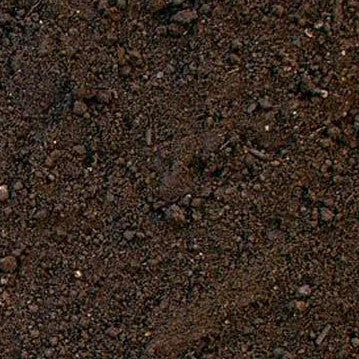
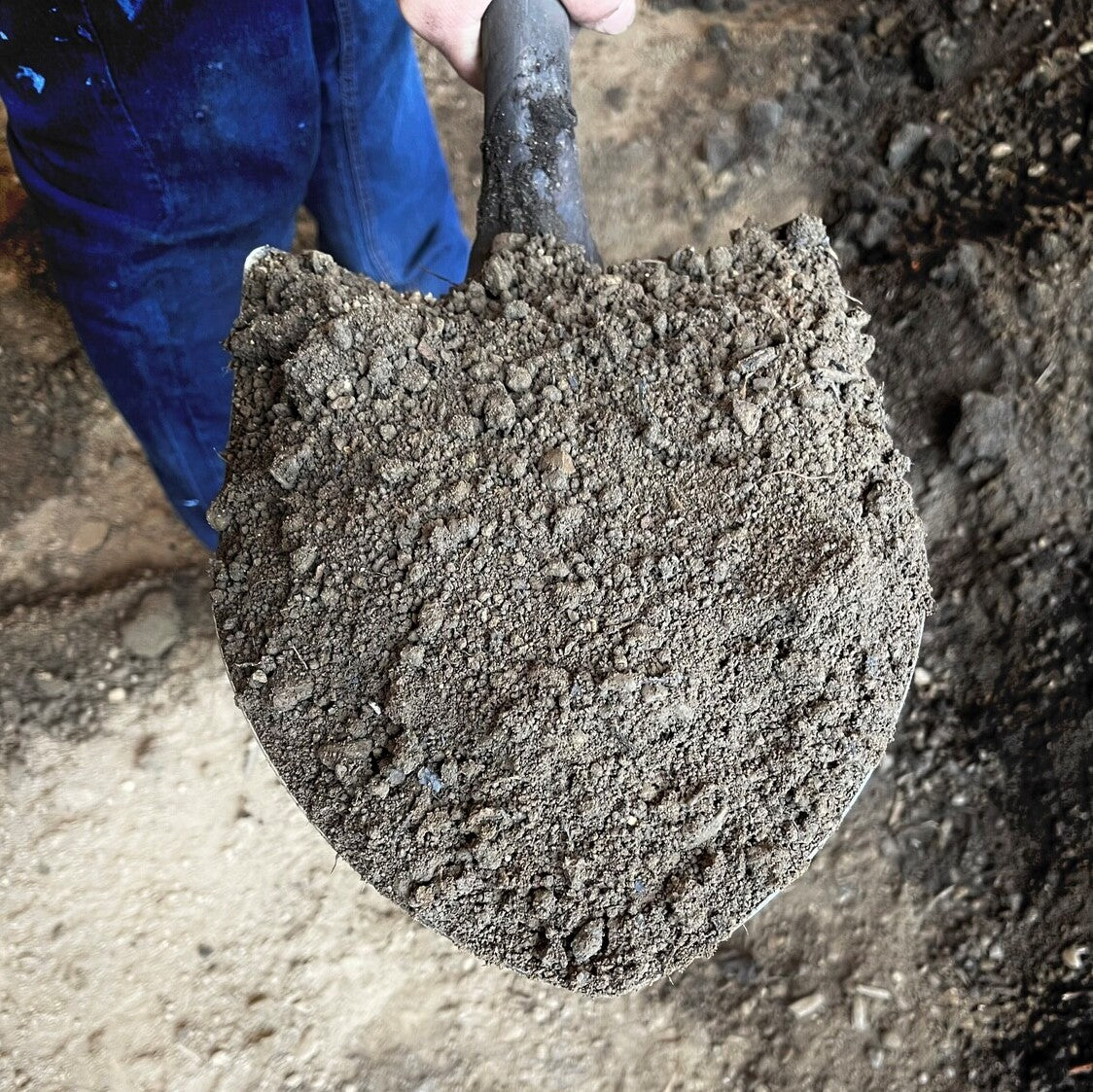
Quality topsoil for lawns, gardens, and landscape projects. Nutrient rich and ready to support strong root development and healthy plant establishment.
Good quality top soil and was delivered exactly where I wanted it. Nice Job!
Tell us what you're looking for
Thanks! We received your request.
Something went wrong. Please try again.
How Much Material Do I Need?
How Much Material Do I Need?
For new garden beds on Madisonville's native silt loam, plan for at least 4 to 6 inches of fresh topsoil or garden mix to give roots a quality growing medium above the compacted native soil. Raised beds should be filled to a minimum of 10 to 12 inches deep to allow full root development through Madisonville's long growing season from April through October.
Use our free soil calculator
What is a yard?
What is a yard?
FAQs
FAQs
Madisonville Soil Delivery
Madisonville Soil Delivery
Regular price
$64.00
per
yard
Regular price
Sale price
$64.00
Unit price
per
Shipping calculated at checkout.
Minimum of 3 yard
Couldn't load pickup availability
Not currently available
We can't take orders for this right now. Tell us what you need and we'll get back to you.
Hand-picked local yards
4,000+ regional deliveries
Dedicated support
Why order through Mulch Mound
The best local soil, without the guesswork.
We hand-pick and partner with the best yards in your region, keep only the ones our buyers rate well, and back each load with our guarantee.
Mulch Mound Guarantee
If your soil isn't the quantity or quality you ordered, we'll make it right.
About this soil
Quality topsoil for lawns, gardens, and landscape projects. Nutrient rich and ready to support strong root development and healthy plant establishment.
Good quality top soil and was delivered exactly where I wanted it. Nice Job!
How Much Material Do I Need?
How Much Material Do I Need?
For new garden beds on Madisonville's native silt loam, plan for at least 4 to 6 inches of fresh topsoil or garden mix to give roots a quality growing medium above the compacted native soil. Raised beds should be filled to a minimum of 10 to 12 inches deep to allow full root development through Madisonville's long growing season from April through October.
Use our free soil calculator
What is a yard?
What is a yard?
FAQs
FAQs
Tell us what you're looking for
Thanks! We received your request.
Something went wrong. Please try again.
How It Works
Getting started is easy — just follow these simple steps
1
Choose your soil
Make sure you adjust the quantity to your home's needs. You can use our calculator to estimate how much you'll need.
2
Select your delivery date
Select a delivery date you'd like for the product to be dropped off at your home
3
Sit back and wait
Sit back, wait, and let us work our magic to make sure the highest quality product is delivered to your driveway.

Online ordering was really simple and I liked the transparent pricing.

Easy to order, great service, and great product. We enjoy the final look of a very neglected beds we inherited!
Need Help Calculating How Much Soil You Need?
Use our NEW Trace from Satellite tool to get an estimate for your project based on an aerial view of your property
Try Our CalculatorTo figure out how much soil you need for a project in Madisonville, measure the length and width of the area in feet and multiply them together, then multiply by the depth you plan to apply in feet. Divide that total by 27 to convert cubic feet into cubic yards. For lawn leveling projects on Madisonville's silt loam, a 2 to 3 inch application is usually enough to address typical settling and low spots without over-building the grade.
Soil Types We Deliver in Madisonville
Madisonville homeowners and landscapers count on us for bulk topsoil by the yard in Madisonville, delivered straight to the job site without the hassle of hauling it yourself. Whether you are filling raised beds, grading a yard, or starting a new garden, having the right soil delivered by the cubic yard makes the work faster and the results better. We keep it simple with quality material, straightforward pricing, and reliable drop-off across the area.
Screened Top Soil
Our screened topsoil is run through a fine screen to remove rocks, clumps, and debris, giving you a smooth, workable base ready for planting or grading. It is nutrient rich and well suited to the warm, humid growing seasons common across western Kentucky, supporting strong root development in lawns, vegetable gardens, and landscape beds.
Complete Your Outdoor Soil Project
After your soil work is complete, top your new beds with a layer of hardwood mulch to protect that fresh topsoil from Madisonville's heavy spring rains and reduce moisture loss in the summer heat. If you are working near a driveway or walkway edge, decorative stone borders keep soil from washing out of beds during rainstorms and give the area a clean finished look.


Mulch Mound Pro Tip
Madisonville's silt loam compacts noticeably after delivery equipment or heavy foot traffic passes over it repeatedly. Before you spread your bulk topsoil, use a garden fork to loosen the top 3 to 4 inches of your native soil so the fresh material blends in rather than sitting on top of a hard layer. That integration zone dramatically improves how water and roots move between old and new soil through the growing season.
Mulch Mound Pro Tip
If you are using bulk soil to build raised beds, consider Western Kentucky's rain pattern when planning drainage. Leave the bottom of raised beds open to the native silt loam below rather than lining them with solid barriers. With 52 inches of annual rainfall, closed-bottom beds can become waterlogged in spring unless they drain freely downward, and open-bottom designs also let earthworms migrate up and improve your soil structure naturally.
Mulch Mound Pro Tip
Madisonville's growing season lasts about six months from the last frost in April to the first frost in October, and that long active period depletes soil nutrients faster than gardeners in shorter-season climates expect. Blend a slow-release granular fertilizer into your fresh topsoil before planting, and plan to add compost each fall so the soil is ready to perform again when April rolls around and the next growing season begins.
The Unique Landscape of Madisonville
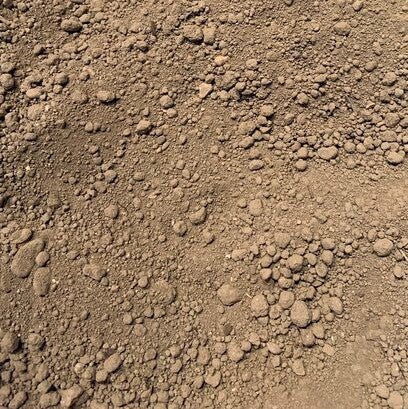
Madisonville's native silt loam has decent nutrient-holding capacity but is notorious for compacting under foot traffic and heavy equipment, making it a challenge for garden beds and new lawn areas that need loose, well-draining growing conditions. The city's 52 inches of annual rainfall can cause low-lying yards to stay soggy for days after a storm when the native soil is already compacted or graded poorly. Adding quality fill or topsoil to low spots and new bed areas changes how water moves across your property and gives plants the loose root environment they need. Zone 7a's growing season runs from approximately April 10 to October 20, so getting soil work done in early spring puts your garden beds and lawn in ideal condition before peak growing heat arrives. Raised beds filled with blended topsoil are increasingly popular in Madisonville because they completely bypass the challenges of native silt loam while giving vegetables and perennials an ideal root environment. Whether you are leveling a lawn, building up a new bed, or filling a raised planter, fresh bulk soil is often the most efficient way to make a real difference in how your yard performs.