Mulch Mound delivered a yard of pea gravel to us. Delivery was on time, driver was friendly and hit a bullseye on the “tarp target”. We used the pea gravel (which was diameter as specified) to fill several muskrat holes around our pond. I would definitely recommend Mulch Mo...
Tell us what you're looking for
Thanks! We received your request.
Something went wrong. Please try again.
How Much Material Do I Need?
For most Mankato landscapes with silty clay loam soil, a two to three inch layer of mulch provides the right balance of moisture retention and air circulation. Heavier applications beyond four inches can lead to anaerobic conditions that are hard on roots during Mankato's wet and slow-draining spring season.
Use our free mulch calculator
What is a yard?
A yard is approximately 27 cubic feet. As a general guideline, one yard of material can cover an area of about 100-160 square feet at a 2-3 inch depth.
Mulch Mound delivered a yard of pea gravel to us. Delivery was on time, driver was friendly and hit a bullseye on the “tarp target”. We used the pea gravel (which was diameter as specified) to fill several muskrat holes around our pond. I would definitely recommend Mulch Mo...
How Much Material Do I Need?
For most Mankato landscapes with silty clay loam soil, a two to three inch layer of mulch provides the right balance of moisture retention and air circulation. Heavier applications beyond four inches can lead to anaerobic conditions that are hard on roots during Mankato's wet and slow-draining spring season.
Use our free mulch calculator
What is a yard?
A yard is approximately 27 cubic feet. As a general guideline, one yard of material can cover an area of about 100-160 square feet at a 2-3 inch depth.
Mulch Mound delivered a yard of pea gravel to us. Delivery was on time, driver was friendly and hit a bullseye on the “tarp target”. We used the ...
Read full review
Mulch Mound delivered a yard of pea gravel to us. Delivery was on time, driver was friendly and hit a bullseye on the “tarp target”. We used the pea gravel (which was diameter as specified) to fill several muskrat holes around our pond. I would definitely recommend Mulch Mound to a friend!
I can’t say enough good things about Mulch Mound! If you read my review below you will see I had a problem with my order. Mulch Mou...
Read full review
UPDATE!
I can’t say enough good things about Mulch Mound! If you read my review below you will see I had a problem with my order. Mulch Mound was quick to respond and solved the issue with my delivery. Will definitely be a customer next year.
First time purchase from Mulch Mound!! First what I liked! Easy to order online and straight forward pricing and delivery. The driver was on time and courteous and delivered my Mulch exactly where I requested! The product is of good quality and comparable to others I have purchased from before. Now what I DID’NT LIKE! I have been mulching the same house and yard for almost 20 years. I always order the same amount and don’t have any issues with covering the same area but this year I fell about a yard short. I was home when the mulch was delivered and when the driver dumped it I noticed that it seemed a bit less than I was used to. I didn’t apply it any thicker than usual and probably a bit thinner than usual because I was worried about running out.
Measure the length and width of each planting bed separately, then multiply to get the square footage before adding them all together. Mankato beds with silty clay loam soil benefit most from a consistent three-inch application, so divide your total square footage by 100 to get the approximate cubic yards you will need. When in doubt, round up slightly since leftover mulch can always be used to top-dress a tree ring or pathway edge.
Mulch vs. No Mulch: The Difference
Mankato's wide swing between summer heat and a hard October freeze means mulch goes through a real stress test every season, and the type you choose affects how quickly it breaks down and how often it needs to be refreshed. Natural hardwood mulches decompose faster in Mankato's humid summers, adding organic matter to the silty clay loam soil but typically requiring a fresh top-dress every one to two years. Dyed mulches are processed to slow decomposition and hold color longer, which appeals to homeowners who want consistent bed appearance through the full growing season without annual replacement.
Before
After
Best Mulch Choice for Mankato Lawns
Most yards in the Mankato area sit on Silty Clay Loam type of soil. Mankato's silty clay loam holds water well but drains slowly, which can lead to compacted, oxygen-poor conditions in plant beds that stress roots and invite fungal disease.
Hardwood Mulch
Hardwood mulch improves Mankato's silty clay loam beds over time by contributing organic matter that loosens the soil structure, improves aeration, and encourages earthworm activity that naturally breaks up compaction season after season.
Mulch Types We Deliver in Mankato
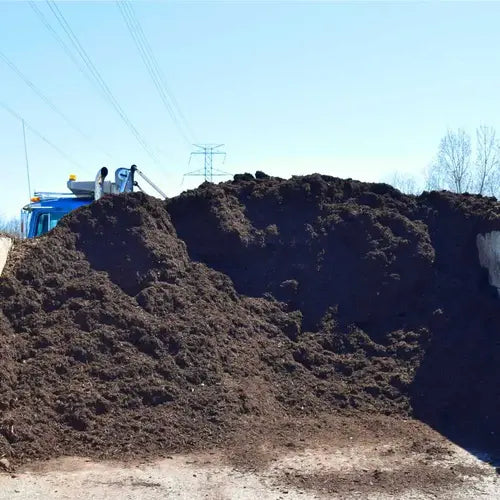
Mulch Mound handles bulk mulch delivery in Mankato by the cubic yard, dropping off fresh material straight to your driveway and ready to spread. We carry a range of varieties to suit every yard type, from newer suburban homes to established properties with mature trees and mixed plantings.
Dyed Black Mulch
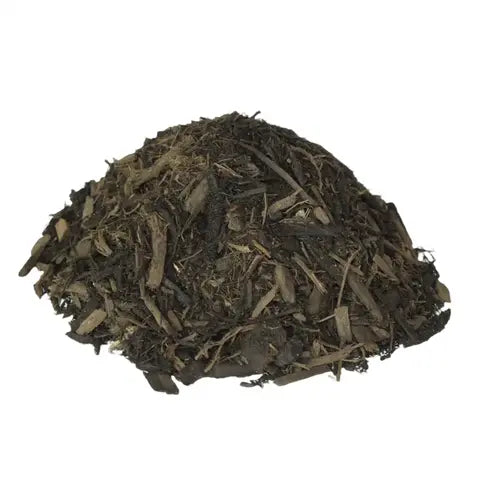
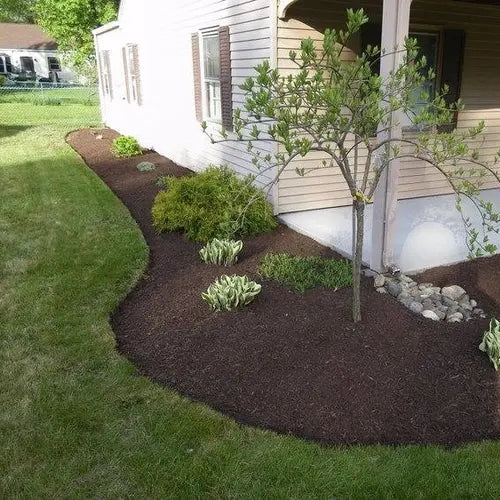
Dyed Black is our most popular curb appeal choice, available in double shredded style. The deep black color creates a sharp contrast against green lawns and stone edging, making it a top pick for Mankato homeowners who want clean, polished beds that hold their color through the summer heat and fall rains.
Natural Brown Mulch
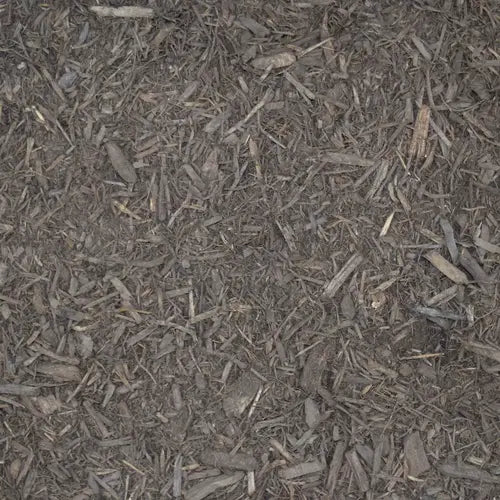
Natural Brown comes in both double shredded and single shredded styles, giving you options based on your budget and the look you prefer. The warm earthy tone blends naturally with Minnesota native plantings and works well in any yard, from tidy suburban lots to more relaxed, informal garden beds.
Cypress Mulch
Double shredded Cypress is a strong performer in Mankato's climate, where cold winters and wet springs can break down lighter mulches quickly. Its natural resistance to insects and rot means it lasts longer between refreshes, making it a smart investment for established landscape beds.
Pine Bark Mulch
Double shredded Pine Bark has a fine, uniform texture that spreads smoothly and gradually acidifies the soil beneath it. This makes it a natural fit for plants that prefer acidic conditions, such as rhododendrons, azaleas, and blueberries, which perform well in Minnesota home gardens.
Complete Your Outdoor Mulch Project
If you are refreshing multiple areas of your landscape, consider pairing mulch with a bulk topsoil order for raised garden beds or low spots in your lawn, and add a decorative stone border to define bed edges and prevent mulch from migrating during Mankato's spring rain events.
Mankato's silty clay loam tends to crust over after dry stretches, making it hard for rain to penetrate when it finally does arrive. Before laying mulch each spring, loosen the top inch or two of soil with a hand cultivator to break up any surface crust. This simple step improves water infiltration dramatically and helps your mulch layer work together with the soil beneath it rather than sitting on top of a sealed surface that sheds water.
Mulch Mound Pro Tip
Because Mankato sits in growing zone 5a, tender perennials push new growth aggressively once the last frost clears around May 11, and they need space to breathe. Rake mulch away from crowns in early spring to let the soil warm faster and give new shoots room to emerge without rotting. Once plants are several inches tall and daytime temperatures are consistently above 50 degrees, push the mulch back in around the base to suppress weeds for the rest of the season.
Mulch Mound Pro Tip
With 32 inches of annual rainfall distributed unevenly across the Mankato growing season, summer dry spells can follow wet springs without much warning. A properly applied mulch layer can cut soil moisture evaporation by up to 50 percent, which means your plants draw on water reserves longer between rain events. This moisture buffer is especially valuable on south-facing slopes and raised beds that lose water faster than flat ground or shaded areas.
Frequently Asked Questions
Click a question to see the answer
Answer
How thick should I apply mulch given Mankato's clay-heavy soil?
Silty clay loam already retains moisture well, so applying mulch too thick can trap excess water and lead to root rot. A two to three inch layer is the sweet spot for most Mankato beds, giving you weed suppression and moisture retention without suffocating plant crowns. Keep mulch pulled a couple of inches away from the base of shrubs and perennials to allow for air circulation.
Answer
When is the best time to mulch my flower beds here in Mankato?
The ideal window is right after the last frost, which falls around May 11 in the Mankato area. Applying mulch at that point traps warmth in the soil and suppresses the first flush of spring weeds before they get established. You can also apply a light layer in late October after the ground begins to cool but before it freezes solid, which helps protect perennial root systems through the winter.
Answer
Will mulch help with the standing water I get in my beds after a heavy rain?
Mankato's silty clay loam drains slowly, and mulch alone will not fix a drainage problem, but it does reduce surface crusting and helps rain absorb more gradually rather than running off in sheets. If standing water persists more than 24 hours after a rain event, the underlying compaction or grade may need to be addressed with a soil amendment or regrading before mulch will be fully effective.
Answer
Does dyed mulch hold its color through a Minnesota summer?
Dyed mulches generally hold color well through most of the Mankato summer, but intense July and August sun will fade any mulch over time. You can expect a rich color through the first season with minimal touch-up. If color retention matters to you, plan on refreshing the top inch of dyed mulch each spring to keep beds looking sharp through the full growing season.
Answer
How much mulch do I need for a typical Mankato yard?
A good starting point is to measure the square footage of your beds and plan on one cubic yard covering about 100 square feet at a three-inch depth. Many Mankato homeowners find that a full-sun front bed of 200 to 300 square feet plus foundation plantings adds up quickly, so ordering two to three cubic yards for a standard residential property is common. Our calculator can help you dial in an exact number once you have your measurements.
Answer
Is hardwood or softwood mulch better for my Mankato garden beds?
Hardwood mulch is generally the better fit for Mankato's silty clay loam soil because it breaks down more slowly, adds organic matter gradually, and does not mat down as quickly as softwood options. Softwood mulches like pine bark can lower soil pH over time, which may be beneficial around acid-loving plants but is not ideal for most perennial beds. If you are planting a mixed border with a variety of shrubs and perennials, a double or triple-ground hardwood mulch is a reliable all-around choice.
Answer
Does mulch actually help protect plants from Mankato's early October frosts?
Yes, a consistent mulch layer acts as an insulator that slows the rate at which soil loses heat, which can make a meaningful difference when an early frost hits around October 3. Perennial crowns and shallow bulbs are especially vulnerable to abrupt freeze-thaw cycles, and a two to three inch mulch layer gives them a buffer during those first cold nights. Just be sure your mulch is in place before the ground freezes rather than after, since you want to trap warmth rather than lock in already frozen ground.
The Unique Landscape of Mankato
Mankato's native silty clay loam holds moisture well but can become compacted and waterlogged during the spring thaw, making a quality mulch layer essential for protecting plant roots through that difficult transition period. With a last frost date around May 11 and a first frost arriving as early as October 3, your growing window sits at roughly five months, and mulch helps you make the most of every week by moderating soil temperature at both ends of the season. The area receives about 32 inches of rainfall annually, which sounds adequate, but summer dry spells still stress shallow-rooted plants, and a proper mulch depth helps hold moisture between rain events. Heavy clay content in Mankato soils also means runoff can strip bare beds during intense rains, so mulch acts as a physical buffer that slows water and keeps topsoil where it belongs. Keeping beds mulched year-round also reduces the freeze-thaw heaving that is common at 830 feet of elevation, where temperature swings can be abrupt in late fall and early spring.