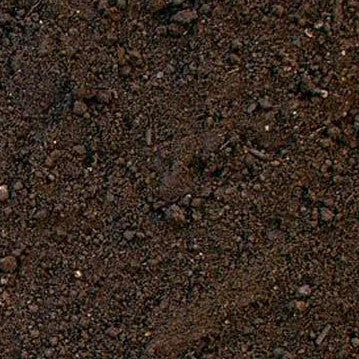
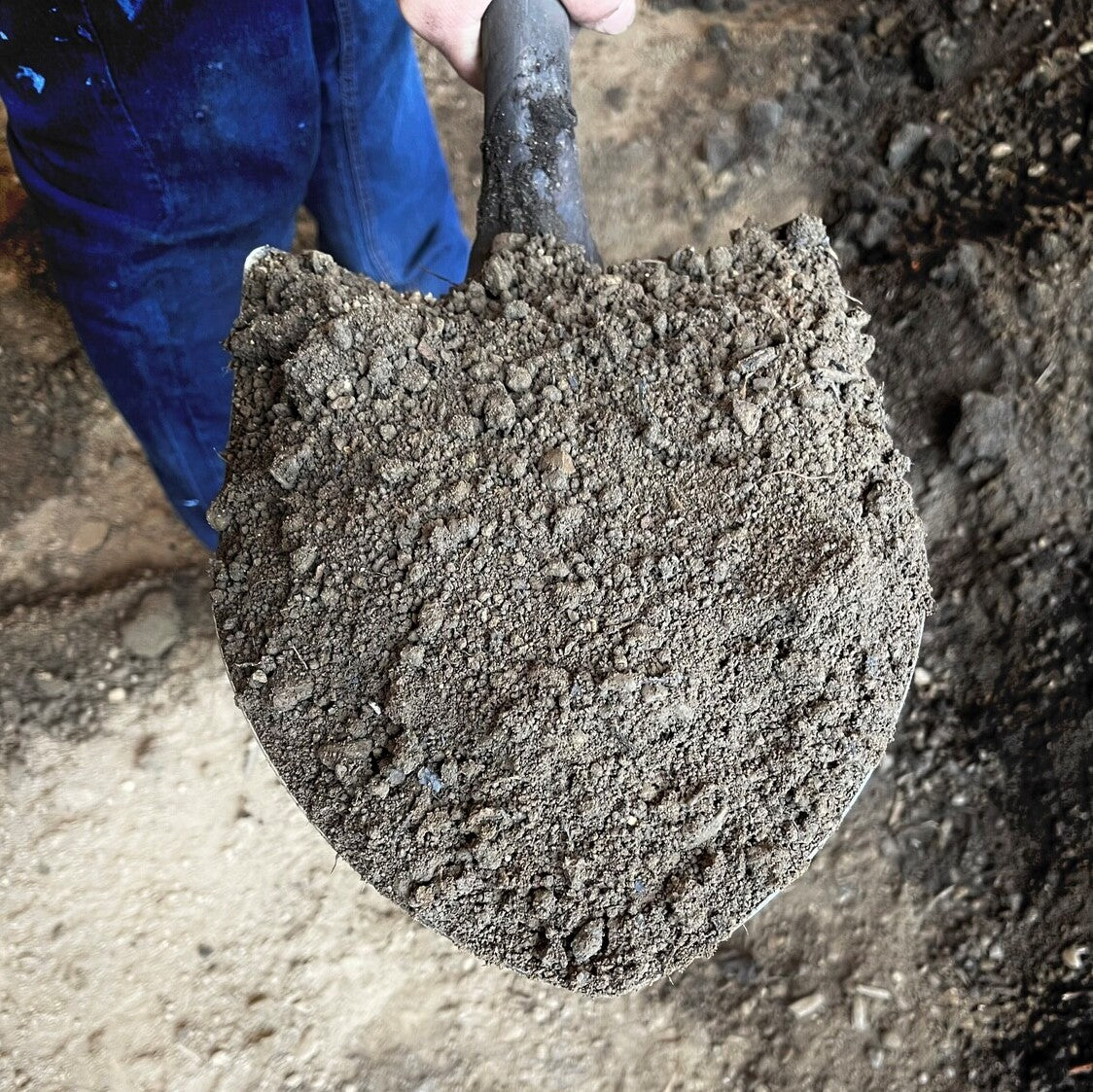
Quality topsoil for lawns, gardens, and landscape projects. Nutrient rich and ready to support strong root development and healthy plant establishment.
My experience with Mulch Mound was great and super easy. I ordered two yards of screened topsoil and was able to get it delivered within 2 days. They came in my requested time frame (afternoon) and dropped it off where I asked on my driveway. The topsoil was exactly what was a...
Tell us what you're looking for
Thanks! We received your request.
Something went wrong. Please try again.
How Much Material Do I Need?
For new garden beds placed on top of Margate's sandy native soil, plan for at least 6 to 8 inches of quality soil to give roots a meaningful growing zone before they reach the infertile sandy layer below. Lawn leveling projects in Margate typically require 1 to 2 inches of topsoil, applied in light passes to avoid smothering existing turf.
Use our free soil calculator
What is a yard?
A yard is approximately 27 cubic feet. As a general guideline, one yard of material can cover an area of about 100-160 square feet at a 2-3 inch depth.
We can't take orders for this right now. Tell us what you need and we'll get back to you.
What do you need?
Thanks! We received your request.
Something went wrong. Please try again.
Hand-picked local yards
4,000+ regional deliveries
Dedicated support
Why order through Mulch Mound
The best local soil, without the guesswork.
We hand-pick and partner with the best yards in your region, keep only the ones our buyers rate well, and back each load with our guarantee.
Mulch Mound Guarantee
If your soil isn't the quantity or quality you ordered, we'll make it right.
About this soil
Quality topsoil for lawns, gardens, and landscape projects. Nutrient rich and ready to support strong root development and healthy plant establishment.
My experience with Mulch Mound was great and super easy. I ordered two yards of screened topsoil and was able to get it delivered within 2 days. They came in my requested time frame (afternoon) and dropped it off where I asked on my driveway. The topsoil was exactly what was a...
How Much Material Do I Need?
For new garden beds placed on top of Margate's sandy native soil, plan for at least 6 to 8 inches of quality soil to give roots a meaningful growing zone before they reach the infertile sandy layer below. Lawn leveling projects in Margate typically require 1 to 2 inches of topsoil, applied in light passes to avoid smothering existing turf.
Use our free soil calculator
What is a yard?
A yard is approximately 27 cubic feet. As a general guideline, one yard of material can cover an area of about 100-160 square feet at a 2-3 inch depth.
My experience with Mulch Mound was great and super easy. I ordered two yards of screened topsoil and was able to get it delivered within 2 days. Th...
Read full review
My experience with Mulch Mound was great and super easy. I ordered two yards of screened topsoil and was able to get it delivered within 2 days. They came in my requested time frame (afternoon) and dropped it off where I asked on my driveway. The topsoil was exactly what was advertised, clean with no rocks or other debris. The price was reasonable. I plan to use them again in a couple weeks to order compost for my garden beds.
When estimating soil for a Margate project, measure your bed or fill area in feet and calculate cubic footage by multiplying length by width by the intended depth in feet. Divide that total by 27 to convert to cubic yards for ordering purposes. Because Margate's native ground can have subtle low spots that are not obvious until you start grading, adding about 10 percent to your base estimate helps cover any unexpected depressions that show up during the work.
Soil Types We Deliver in Margate
Margate homeowners and landscapers count on us for bulk topsoil by the yard in Margate, delivered straight to your driveway or job site in the quantities you need. South Florida's sandy native soil often drains too quickly and lacks the nutrients that lawns and gardens require, making quality imported soil a practical necessity. We offer cubic yard delivery so you get exactly the volume you need, whether you are filling raised beds, grading a yard, or establishing new sod.
Screened Top Soil
Our screened topsoil is finely processed to remove debris, rocks, and clumps, giving you a clean and workable material that spreads easily across Margate's typically flat residential lots. It is nutrient rich and well suited for lawn installation, garden beds, and general landscaping, supporting strong root development and healthy plant establishment in our warm, year-round growing climate.
Complete Your Outdoor Soil Project
Once your soil is placed and graded, topping beds with a layer of mulch will protect the new soil from Margate's intense rainfall and direct sun, keeping your investment in place through storm season. Adding a stone border around soil-filled beds also helps contain material along the edges and creates a clean visual definition between planted areas and surrounding hardscape.
How much topsoil do I need to improve my sandy Margate yard?
For general lawn leveling or overseeding prep in Margate, a 1 to 2 inch layer of topsoil is usually enough to improve the surface while still allowing grass roots to extend into the existing soil below. For garden beds built directly over the sandy native soil, 6 to 8 inches of quality soil gives plants enough root room to establish before hitting the infertile sandy layer underneath. The fast-draining nature of Margate's sandy base actually works in your favor here because it prevents the imported soil layer from becoming waterlogged during heavy rain.
Answer
Can I just amend my existing sandy soil in Margate instead of bringing in new topsoil?
Amending sandy soil with compost or organic material is a good long-term strategy, but in Margate's heat the organic matter breaks down so rapidly that you would need to add fresh amendments multiple times per year to maintain any meaningful improvement. Bringing in quality topsoil or garden soil gives you an immediate and stable growing medium that does not depend on continuous organic inputs to stay productive. Many Margate gardeners use a combined approach, laying imported soil first and then maintaining it with an annual compost topdress.
Answer
Will imported topsoil drain properly in my Margate yard?
Quality topsoil installed over Margate's sandy native substrate typically drains very well because the sandy layer below acts as a natural drain field. The key is avoiding overly clay-heavy soil mixes that can create a perched water table above the sandy layer during Margate's heavy summer rain events. A balanced blend of loam and organic matter gives you good drainage performance along with the nutrient retention that sandy soil cannot provide on its own.
Answer
Is it worth building raised beds in Margate instead of working with the native soil?
Raised beds are extremely popular among Margate vegetable and herb gardeners precisely because they let you bypass the native sandy soil entirely. A raised bed filled with quality garden soil gives you complete control over drainage, nutrients, and soil structure, and in Zone 10b you can harvest from those beds during all 12 months of the year. Even a modest 8-inch raised bed frame filled with good soil will dramatically outperform any attempt to grow vegetables directly in Margate's native sandy ground.
Answer
How do I level low spots in my Margate lawn without killing the grass?
For minor depressions in Margate lawns, apply a thin layer of quality topsoil no more than half an inch at a time and let the grass grow through it before adding more. St. Augustine and Bahia grass, the most common lawn types in Margate, can usually push through a light topdress without smothering as long as the application stays thin. Trying to fix deep depressions in a single thick application is more likely to kill the turf, so plan for multiple light passes spread across a few months during the active growing season.
Answer
What kind of soil works best for a vegetable garden in Margate?
A rich garden soil or blended topsoil with high organic content is ideal for Margate vegetable gardens because it provides the nutrient density and moisture retention that the native sandy soil completely lacks. A mix that includes compost is especially valuable since the fast decomposition rate in South Florida means organic nutrients get released quickly to hungry vegetable roots during their active growth cycles. Because Margate allows year-round vegetable gardening, your soil will be continuously depleted by successive crops, so plan to refresh the organic content of your beds at least twice a year.
Answer
How does Margate's rainfall affect soil erosion and displacement in landscape beds?
With 61 inches of annual rainfall concentrated into heavy afternoon storms, unprotected soil in Margate beds is at real risk of surface erosion and compaction from direct rain impact. Bare soil exposed to high-intensity rain forms a hard crust that reduces water infiltration and displaces material along bed edges over time. Covering freshly laid soil with a mulch layer immediately after installation is the most effective way to protect your soil investment from Margate's summer storm season.
Mulch Mound Pro Tip
Before placing new soil in any Margate bed, wet the existing sandy ground thoroughly the day before your project. Dry sand can actually wick moisture upward out of a freshly placed soil layer through capillary action, creating a dry zone right at the interface between the two materials. Pre-wetting the native base allows the new soil to settle and integrate more naturally, giving plant roots a smoother transition zone to grow through as they extend downward into the existing ground.
Mulch Mound Pro Tip
In Zone 10b, Margate gardeners can take advantage of the year-round growing season by rotating crops continuously through raised beds filled with quality soil. To keep that soil productive through constant use, incorporate a few inches of fresh compost or organic material into the top layer of your beds between each planting cycle. This practice offsets the rapid organic matter breakdown that South Florida's persistent heat causes, keeping your imported soil performing closer to how it did on day one.
Mulch Mound Pro Tip
When leveling a Margate lawn, avoid doing heavy soil work during the peak of the wet season from June through September. Saturated sandy soil combined with freshly placed topsoil makes precise grading difficult and can result in uneven settling once conditions dry out in the fall. Planning your leveling projects for late in the dry season, around March or April, gives the new soil time to settle and firm up before the first heavy summer rains arrive.
The Unique Landscape of Margate
Margate sits on a sandy, low-elevation coastal plain where the native soil profile is essentially washed-out quartz sand with little organic matter and almost no nutrient retention. This creates real challenges for anyone trying to establish garden beds, grow vegetables, or level out lawn areas, because imported quality soil is often the only way to build a productive growing medium from scratch. The flat topography at 12 feet of elevation means standing water and poor drainage can both become problems depending on where a project falls on the property. Zone 10b's year-round growing season is an incredible advantage for Margate gardeners, but it also means any soil improvement you make gets put to work immediately by actively growing roots rather than sitting dormant over a winter rest period. Bringing in quality soil allows Margate homeowners to create the nutrient-dense, well-structured growing environment that the native sandy profile simply cannot provide on its own.