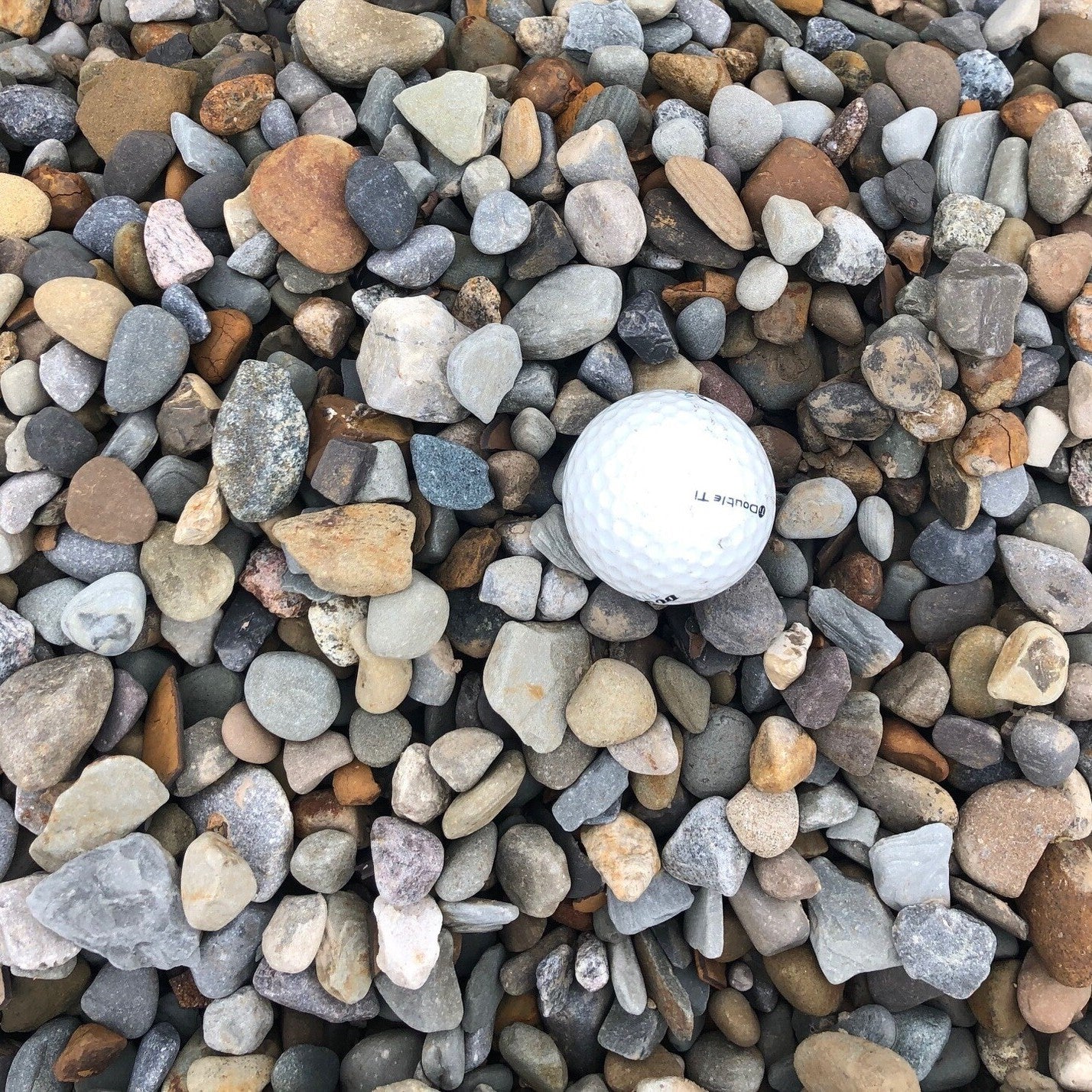
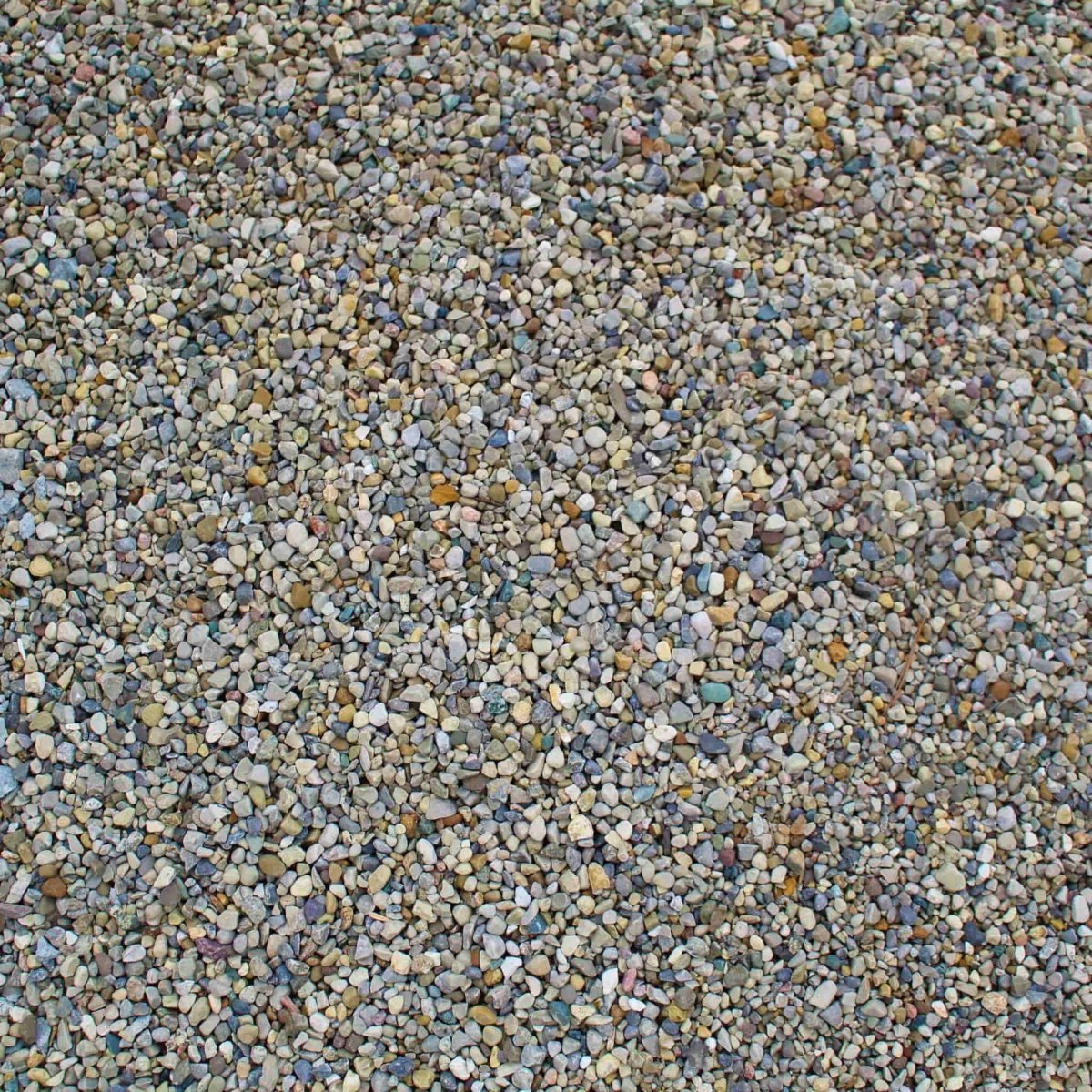
Number 57 crushed stone, angular limestone graded to about three quarters of an inch. The standard driveway, base and drainage gravel, it locks together under traffic and drains fast.
I used Mulch Mound to have 3 cubic yards of garden soil delivered. The process was easy and I love that I didn't have to call anyone. I placed my order online, picked my delivery date, laid out my tarp and the dirt was delivered. My delivery had to be pushed back, but I was ke...
Tell us what you're looking for
Thanks! We received your request.
Something went wrong. Please try again.
How Much Material Do I Need?
For decorative groundcover and pathway applications in Margate, a 2 to 3 inch layer of stone provides good coverage and stability on the sandy native soil. Drainage channels and erosion control areas on Margate's flat terrain typically benefit from a deeper 4-inch application to create enough void space for effective water movement during heavy storms.
Use our free gravel calculator
What is a yard?
A yard is approximately 27 cubic feet. As a general guideline, one yard of material can cover an area of about 100-160 square feet at a 2-3 inch depth.
We can't take orders for this right now. Tell us what you need and we'll get back to you.
What do you need?
Thanks! We received your request.
Something went wrong. Please try again.
Hand-picked local yards
4,000+ regional deliveries
Dedicated support
Why order through Mulch Mound
The best local stone, without the guesswork.
We hand-pick and partner with the best yards in your region, keep only the ones our buyers rate well, and back each load with our guarantee.
Mulch Mound Guarantee
If your stone isn't the quantity or quality you ordered, we'll make it right.
About this stone
Number 57 crushed stone, angular limestone graded to about three quarters of an inch. The standard driveway, base and drainage gravel, it locks together under traffic and drains fast.
I used Mulch Mound to have 3 cubic yards of garden soil delivered. The process was easy and I love that I didn't have to call anyone. I placed my order online, picked my delivery date, laid out my tarp and the dirt was delivered. My delivery had to be pushed back, but I was ke...
How Much Material Do I Need?
For decorative groundcover and pathway applications in Margate, a 2 to 3 inch layer of stone provides good coverage and stability on the sandy native soil. Drainage channels and erosion control areas on Margate's flat terrain typically benefit from a deeper 4-inch application to create enough void space for effective water movement during heavy storms.
Use our free gravel calculator
What is a yard?
A yard is approximately 27 cubic feet. As a general guideline, one yard of material can cover an area of about 100-160 square feet at a 2-3 inch depth.
I used Mulch Mound to have 3 cubic yards of garden soil delivered. The process was easy and I love that I didn't have to call anyone. I placed my o...
Read full review
I used Mulch Mound to have 3 cubic yards of garden soil delivered. The process was easy and I love that I didn't have to call anyone. I placed my order online, picked my delivery date, laid out my tarp and the dirt was delivered. My delivery had to be pushed back, but I was kept informed via text, which was great. So why not 5 stars? The description of garden soil on the website is "A balanced mix of topsoil and organic amendments ready for raised beds, flower gardens, and new planting areas. Good drainage, solid nutrients, easy to work with." What I got was more like fill dirt. It had a lot of gravel, a lot of clay, and random trash mixed in. I didn't test the soil to see if it actually had "amendments" because I already have compost and alpaca manure ready to add, but if I'd known the quality of the dirt was going to be the same as the bagged dirt I bought last year, I probably would have gotten 2 yards of top soil and a yard of leaf compost for better quality, especially since the leaf compost is cheaper. Photo of my mountain of dirt and just some of the trash I found in it.
Really appreciate the care and follow thru that this company had with our order. A hiccup came up but they were quick to respond and address all co...
Read full review
Really appreciate the care and follow thru that this company had with our order. A hiccup came up but they were quick to respond and address all concerns, which made our garden day a success! Thank you for your prompt care.
To calculate how much stone you need for a Margate project, measure the area in square feet and decide on your intended depth, typically 2 to 3 inches for decorative groundcover or 4 inches for drainage applications. Multiply the square footage by the depth expressed as a fraction of a foot, then divide by 27 to convert to cubic yards for ordering. For the irregularly shaped landscapes common in Margate, with curved beds and planting islands, sketch each section separately and add the individual totals together for a more accurate final number.
Stone Types We Deliver in Margate
Margate homeowners and landscapers turn to us when they need bulk stone delivered by the cubic yard, skipping the store and the rental truck entirely. If you have been searching for bulk gravel by the yard in Margate, our team drops loose stone directly at your driveway or job site on a schedule that works for you. We carry varieties selected for South Florida's warm climate and the sandy, fast-draining soils common throughout this part of Broward County.
Pea Gravel
Pea gravel is a popular choice for South Florida yards where sandy soil drains freely and low-maintenance ground cover matters. Its smooth, rounded stones in warm earth tones suit the relaxed landscape styles common in this area. Use it along walkways, around pool decks, or in garden beds for a tidy, attractive finish.
Complete Your Outdoor Stone Project
Pairing stone with a quality soil amendment in adjacent garden beds creates a clean visual contrast between planted areas and hardscape zones while both materials serve practical roles. Adding mulch to any planted beds that border your stone areas ties the landscape together and protects Margate's sandy soil from the heavy rainfall that stone zones are specifically designed to redirect.
In Margate, choose lighter-colored stone like white marble chips or buff limestone for areas that receive full afternoon sun exposure. Dark stone varieties absorb and radiate significant heat in South Florida's intense summer sun, which can stress nearby plant roots and make surrounding spaces uncomfortably warm near seating areas or high-traffic walkways. Light stone reflects more solar energy away from the surface, keeping ground temperatures noticeably cooler and making your outdoor areas more comfortable through the long Margate summer.
Mulch Mound Pro Tip
Before laying stone over Margate's sandy soil, compact the native ground as firmly as possible and consider adding a thin layer of crusher run or road base material as a sub-base. Sandy soil can shift and settle under the weight of stone over time, especially after heavy rain events soften and resettle the loose particles below. A firm sub-base keeps your stone surface level and prevents the uneven and sunken appearance that sometimes develops in sandy-soil installations within the first few years after installation.
Mulch Mound Pro Tip
Use stone strategically along the downslope edges and low points of your Margate property where sheet flow from heavy rains tends to exit the yard. Even a narrow gravel buffer along a fence line or property edge can significantly reduce the amount of sandy soil that gets carried off during Margate's most intense storm events. This approach protects both your landscape investment and the quality of the soil in your planted beds that sit upstream of the stone buffer.
The Unique Landscape of Margate
In Margate's flat, sandy coastal landscape, decorative stone serves a range of practical purposes well beyond simple aesthetics. The naturally porous surface of gravel and crushed stone handles Margate's intense summer downpours far better than compacted soil or turf, allowing water to percolate downward rather than sheet across the flat terrain. Stone pathways, borders, and groundcover areas also eliminate the constant mowing and trimming that Margate's year-round growing season demands of traditional grass areas. The salt-influenced air and intense UV exposure that come with living in South Florida have no effect on stone, making it one of the most durable and low-maintenance landscape choices available in this climate. For Margate homeowners managing the combination of relentless heat, heavy seasonal rain, and erosion-prone sandy soil, stone provides a permanent and stable solution in areas where organic materials would quickly decompose or wash away.
Frequently Asked Questions
Click a question to see the answer
Answer
Will decorative stone wash away during Margate's heavy summer storms?
Properly sized decorative stone handles Margate's summer rainstorms very well, since materials like river rock or 57 stone have enough mass to stay put under typical rainfall conditions. Fine pea gravel is lighter and can migrate in areas where water concentrates and flows during the heaviest storms, so it performs better in contained spaces with solid edging to hold it in place. For areas that regularly collect sheet flow on Margate's flat terrain, choosing a medium to large gravel size gives you the best long-term stability.
Answer
What is the best stone to use for drainage in my Margate yard?
For drainage applications in Margate, clean angular gravel like 57 stone or crusher run is the standard choice because the irregular shapes create voids that water can move through freely. Given that Margate's elevation is only about 12 feet and the terrain is very flat, a properly installed gravel-filled drainage channel or dry well can make a significant difference in how quickly your yard recovers after a heavy storm. Avoid smooth river rock in drainage channels since the rounded surfaces pack together more tightly and reduce the water flow-through rate compared to angular material.
Answer
Does stone help with erosion on the sandy soil in Margate?
Sandy soil in Margate is highly vulnerable to erosion because the loose particles have little cohesion, especially along bed edges and foundation borders where rain impact is concentrated. Placing a layer of stone over sandy soil eliminates the direct rain impact that dislodges individual sand grains and creates surface erosion patterns over time. For slope transitions or foundation borders, a 2 to 3 inch layer of stone acts as protective armor for the sandy soil beneath, keeping it in place through Margate's most intense rainfall events.
Answer
Is stone a good choice for low-maintenance landscaping in Margate?
Stone is one of the best choices for low-maintenance landscaping in Margate because it requires no watering, no seasonal replacement, and no mowing or trimming. Since Margate's Zone 10b climate means grass and weeds grow vigorously all 12 months of the year with no winter slowdown, replacing turf with a stone groundcover in targeted areas can dramatically reduce weekly landscape maintenance time. Pairing stone with a quality landscape fabric underneath minimizes weed breakthrough and keeps the area looking clean with minimal ongoing effort.
Answer
What stone works best for a pathway in my Margate yard?
For foot traffic pathways in Margate, decomposed granite or compacted pea gravel provides a stable walking surface that still allows rainwater to percolate through rather than pool on the flat ground. River rock and larger decorative stone work well as stepping stone borders or accent edges but can be uncomfortable underfoot for daily use. Given the generally flat grade of most Margate properties, even a 2-inch layer of path gravel laid over compacted ground and landscape fabric creates a functional and attractive walkway.
Answer
How do I keep weeds from growing up through my stone areas in Margate?
Weed pressure in Margate is year-round and intense because the warm soil temperature never drops low enough to slow seed germination the way a northern winter would. Installing a non-woven landscape fabric before laying stone is the most effective first line of defense, blocking weed seeds already in the soil below from getting the light they need to emerge. Even with fabric in place, wind-blown seeds will settle on top of the stone and germinate, so periodic blowing or rinsing of stone surfaces helps remove seeds before they get a chance to root.
Answer
Can I use stone around my palm trees and tropical plants in Margate?
Stone can work well around palms and tropical plants in Margate but should be placed thoughtfully to avoid concentrating too much heat at the root zone. Light-colored stone reflects more solar energy than dark gravel, which is a meaningful consideration given South Florida's sun intensity from morning through late afternoon. Leave a few inches of bare soil directly around the trunk before your stone layer begins, and make sure the material does not trap excessive moisture against the base of the plant during Margate's wet season.
Answer
Is crush and run the same as crusher run?
Crush and run refers to crushed stone blended with fine dust that compacts into a solid, stable base, often used under driveways and pavers. For Margate properties dealing with sandy soil and heavy seasonal rain, our clean Crushed Stone #57 is the better choice, since it drains freely instead of holding water against the flat terrain.