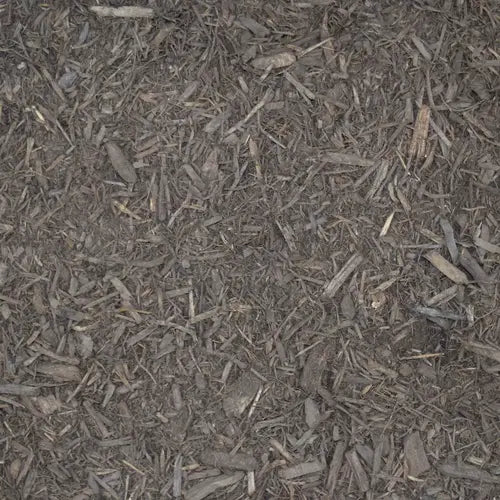
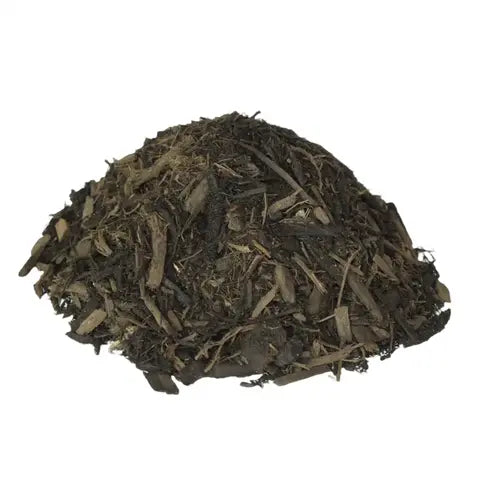
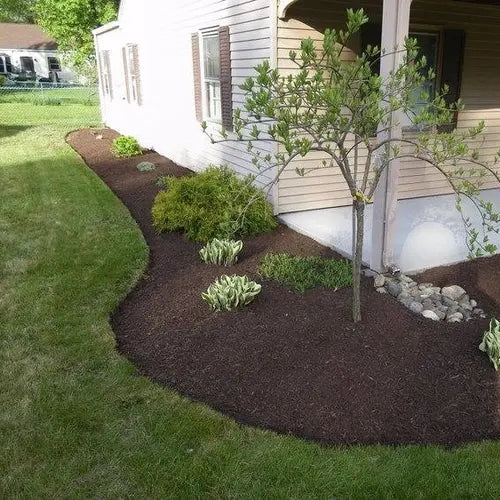
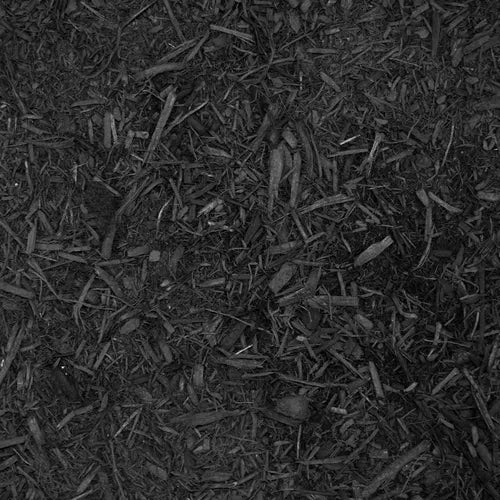
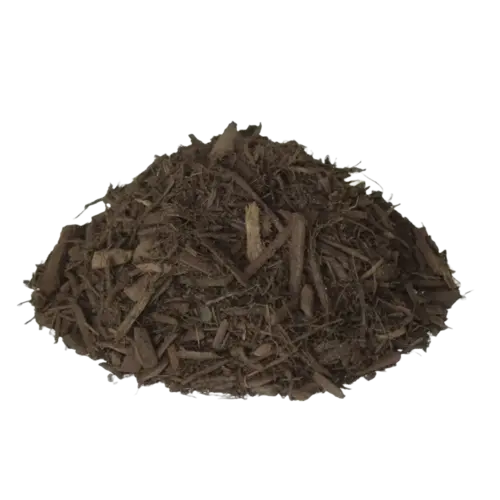
Bold black double shredded mulch that transforms beds instantly. The rich color holds strong through sun and rain, and the smooth texture spreads effortlessly.
I couldn't be happier with the speed and quality of the mulch delivery service of Mulch Mound. Every detail from ordering, to communication with on time delivery, to perfect product placement was amazing. I needed more and I got it within 2 hours! I'm never doing this with ba...
Tell us what you're looking for
Thanks! We received your request.
Something went wrong. Please try again.
How Much Material Do I Need?
For new landscape beds in Marion, plan on 3 inches of mulch depth to fully protect silt loam soil from surface crusting, temperature swings, and moisture loss. Existing beds with some remaining coverage typically need only a 1 to 2 inch top-dress application to restore effectiveness.
Use our free mulch calculator
What is a yard?
A yard is approximately 27 cubic feet. As a general guideline, one yard of material can cover an area of about 100-160 square feet at a 2-3 inch depth.
We can't take orders for this right now. Tell us what you need and we'll get back to you.
What do you need?
Thanks! We received your request.
Something went wrong. Please try again.
Hand-picked local yards
4,000+ regional deliveries
Dedicated support
Why order through Mulch Mound
The best local mulch, without the guesswork.
We hand-pick and partner with the best yards in your region, keep only the ones our buyers rate well, and back each load with our guarantee.
Mulch Mound Guarantee
If your mulch isn't the quantity or quality you ordered, we'll make it right.
About this mulch
Bold black double shredded mulch that transforms beds instantly. The rich color holds strong through sun and rain, and the smooth texture spreads effortlessly.
I couldn't be happier with the speed and quality of the mulch delivery service of Mulch Mound. Every detail from ordering, to communication with on time delivery, to perfect product placement was amazing. I needed more and I got it within 2 hours! I'm never doing this with ba...
How Much Material Do I Need?
For new landscape beds in Marion, plan on 3 inches of mulch depth to fully protect silt loam soil from surface crusting, temperature swings, and moisture loss. Existing beds with some remaining coverage typically need only a 1 to 2 inch top-dress application to restore effectiveness.
Use our free mulch calculator
What is a yard?
A yard is approximately 27 cubic feet. As a general guideline, one yard of material can cover an area of about 100-160 square feet at a 2-3 inch depth.
I couldn't be happier with the speed and quality of the mulch delivery service of Mulch Mound. Every detail from ordering, to communication with on...
Read full review
I couldn't be happier with the speed and quality of the mulch delivery service of Mulch Mound. Every detail from ordering, to communication with on time delivery, to perfect product placement was amazing. I needed more and I got it within 2 hours! I'm never doing this with bags again.
We had a great experience today. This was our first time using Mulch Mound, and I found the price competitive and the online ordering very easy. ...
Read full review
We had a great experience today. This was our first time using Mulch Mound, and I found the price competitive and the online ordering very easy. We are impressed with the quality of the mulch, too! It is covering well - a great value!
To estimate your mulch needs, measure the length and width of each bed in feet and multiply them to get square footage, then plan on a depth of 3 inches for a new bed or 1 to 2 inches for a top-dress refresh on an existing bed. Marion's silt loam compacts over time and existing coverage thins from decomposition accelerated by the area's rainfall, so accounting for a slightly deeper initial application helps you establish a solid base. When in doubt, round your estimate up slightly since extra mulch can always be used to refresh tree rings or fill thin spots in adjacent beds.
Mulch vs. No Mulch: The Difference
Marion's humid summers and consistent 42 inches of annual rainfall accelerate the breakdown of natural hardwood mulch, which is actually a long-term benefit for silt loam soil since the decomposed organic matter works into the ground and improves soil structure and water-holding capacity over multiple seasons. Dyed and color-enhanced mulches are processed to resist that breakdown longer, making them a practical choice for high-visibility beds where you want consistent color from May through October without a mid-season refresh. The right choice for your Marion landscape depends on whether you are prioritizing ongoing soil health improvement or long-lasting curb appeal in a specific bed.
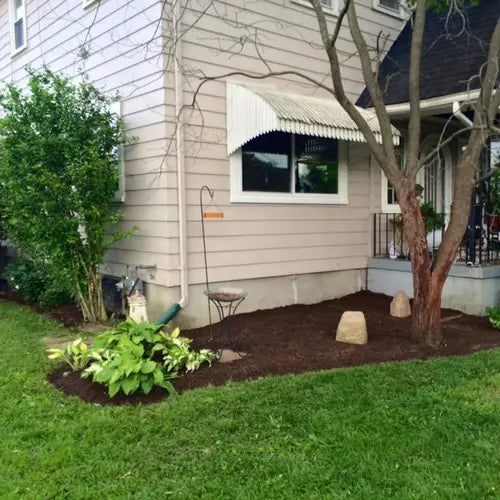
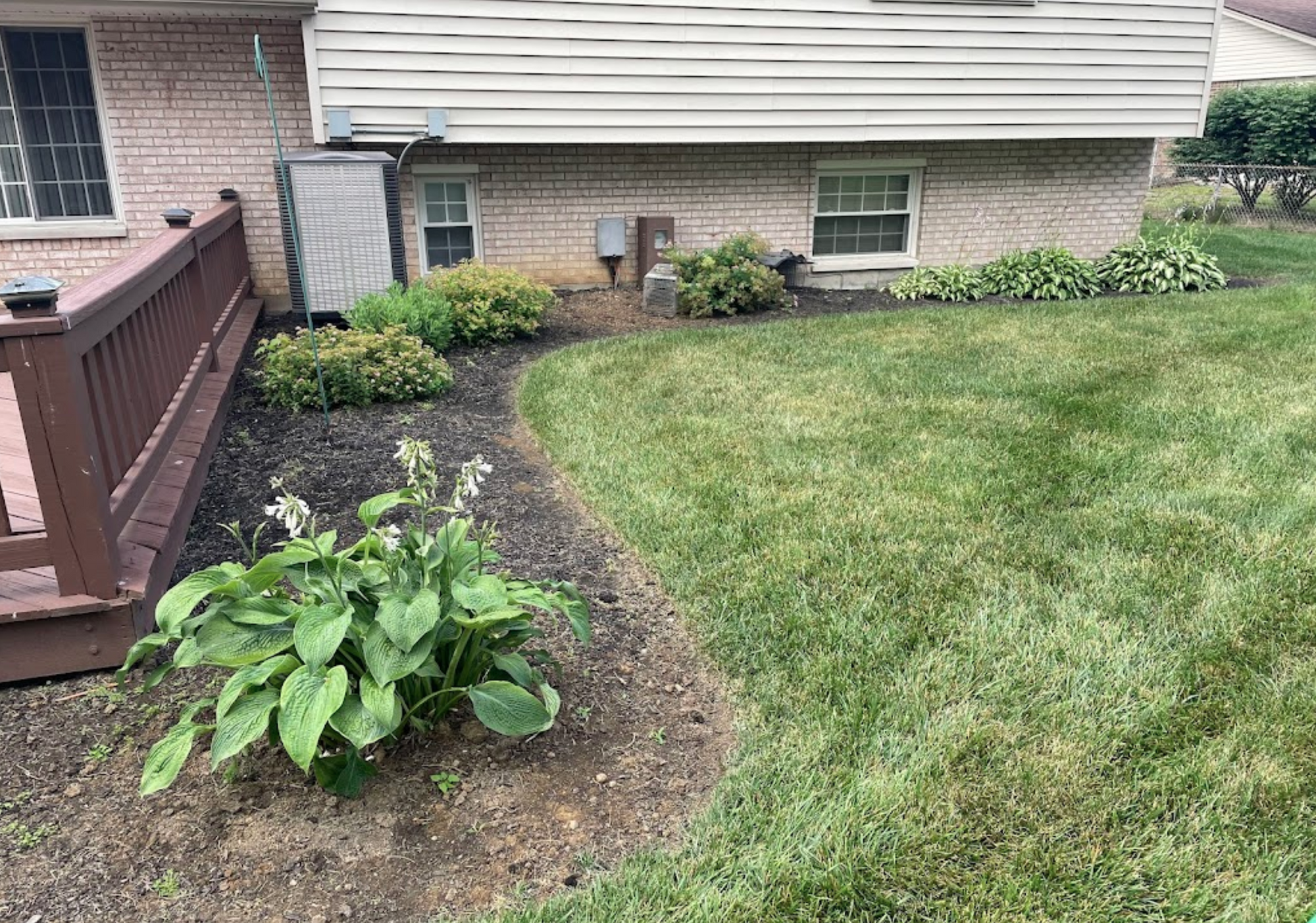
Before
After
Best Mulch Choice for Marion Lawns
Most yards in the Marion area sit on Silt Loam type of soil. Marion's silt loam soil has a naturally fine particle size that compacts under foot traffic and repeated rainfall, reducing the air pockets that plant roots depend on for oxygen and water uptake. Adding organic mulch to the surface of your beds over time contributes decomposed material that loosens soil structure from the top down and gradually improves drainage at the root zone.
Hardwood Mulch
Hardwood mulch breaks down into a humus-rich material that integrates directly with Marion's silt loam soil, gradually increasing organic content and improving the soil's ability to hold both moisture and nutrients through the long growing season. This ongoing improvement is especially valuable in Marion because silt loam, while naturally fertile, tends to lose structure and organic matter over time without consistent organic input from mulching or composting.
Mulch Types We Deliver in Marion
Mulch Mound delivers bulk mulch by the cubic yard directly to homes and properties across central Ohio. Whether you are refreshing a few beds or tackling a full yard renovation, bulk mulch delivery in Marion makes it easy to get the volume you need without multiple store trips. We carry a focused selection of quality varieties so you can choose the right color and texture for your project.
Dyed Black Mulch
The boldest option we carry, dyed black mulch creates sharp contrast against the green lawns and mixed-border plantings common to central Ohio yards. Available in double shredded for a smooth, easy spread or triple shredded for an ultra-fine finish, this variety holds its rich color reliably through Ohio's variable spring and summer weather.
Dyed Brown Mulch
Triple shredded dyed brown mulch delivers the refined, uniform look that suits the mix of established ranch homes and newer builds typical of this part of Ohio. The exceptionally fine texture settles evenly around shrubs and perennials, and the lasting brown tone complements the clay-heavy soils common to the region.
Natural Brown Mulch
Natural brown mulch is the go-to pick for homeowners who prefer an undyed, wood-forward look that ages gracefully through the season. The double shredded cut produces a smooth, workable texture that spreads quickly across larger beds. Its warm earthy tone pairs naturally with mature trees and cottage-style gardens common in this part of Ohio.
Complete Your Outdoor Mulch Project
If you are building new beds from the ground up, pair your mulch order with our premium topsoil to give Marion's silty native soil an enriched and workable planting base before you mulch the surface. Adding decorative stone for bed edging or pathway borders ties the whole landscape together and helps contain your mulch layer during Marion's heavier spring rain events.
Marion's silt loam soil has a fine texture that seals over after repeated rainfall and begins shedding water rather than absorbing it. Keeping a consistent mulch layer over bare soil breaks the energy of individual raindrops before they hit the surface, which keeps the soil porous and allows Marion's 42 inches of annual rainfall to actually reach plant roots. Refresh your mulch each spring before Memorial Day to maintain this protective function through the full growing season.
Mulch Mound Pro Tip
Because Marion's last frost can stretch as late as May 5, resist pulling back winter mulch from perennial beds too early in the season. Leave the protective layer in place until nighttime temperatures are reliably above freezing, then gently rake it aside rather than removing it entirely. Once new plant growth has emerged and the frost risk has passed, redistribute the existing mulch around the plants to help hold soil moisture as temperatures rise through June.
Mulch Mound Pro Tip
With 42 inches of annual rainfall, Marion landscapes do not always face severe drought, but July and August regularly bring dry stretches that stress shallow-rooted plants between storm systems. A properly maintained 2 to 3 inch mulch layer can reduce surface moisture evaporation substantially, helping plants bridge those dry gaps without supplemental watering. This benefit is most noticeable in south-facing beds that receive full afternoon sun during the hottest weeks of the Marion summer.
Frequently Asked Questions
Click a question to see the answer
Answer
How thick should I apply mulch in my Marion yard?
For most Marion landscape beds, a depth of 2 to 3 inches is ideal. Marion's silt loam soil holds moisture reasonably well on its own, so you do not need an extremely thick layer, but 2 to 3 inches is enough to suppress weed germination, protect soil from compacting rainfall, and buffer the root zone from temperature swings between the last frost around May 5 and the first fall freeze around October 14.
Answer
Will mulch help my plants survive Marion's freeze-thaw winters?
Yes, absolutely. Marion sits in Zone 6a, where temperatures regularly drop hard in January and February before rebounding in late winter. A 2 to 3 inch mulch layer insulates root zones from the rapid temperature changes that cause frost heaving, which is particularly valuable for perennials and shallow-rooted shrubs during the long stretch between November and early March when the ground cycles repeatedly between frozen and thawed states.
Answer
Does Marion's 42 inches of annual rainfall affect how quickly mulch breaks down?
It does make a meaningful difference. Marion's consistent annual rainfall keeps mulch beds moist through most of the growing season, which accelerates the decomposition of natural hardwood mulch. You can expect to top off natural mulch beds every 12 to 18 months to maintain an effective depth. Color-enhanced mulches are processed to resist breakdown longer and tend to hold their structure better under Marion's precipitation levels, making them a practical choice for high-visibility beds.
Answer
Should I pull weeds before laying mulch in my Marion garden beds?
Yes, clearing established weeds before you mulch is essential. Mulch suppresses new weed seed germination but it will not kill weeds that are already rooted in your silt loam soil. Marion's growing season runs from early May through mid-October, which gives fast-growing weed species time to complete multiple seed cycles if they are allowed to stay in place under a fresh mulch layer.
Answer
Is dyed mulch safe to use around my vegetable garden in Marion?
Most dyed mulches on the market today use colorfast, non-toxic dyes that are considered safe around ornamental plants. For vegetable gardens or food-producing areas, many Marion gardeners prefer natural hardwood mulch that breaks down over time and contributes organic matter directly to the silt loam soil without introducing any synthetic additives near edible crops.
Answer
How do I keep mulch from washing away during Marion's heavy spring rains?
Marion sees significant rainfall in April and May as storm systems push through central Ohio. To keep mulch in place, avoid applying it too loosely, keep it at least an inch away from plant stems and tree trunk bases, and consider edging your beds with stone or a defined border that physically holds the material during heavy downpours. A slightly firmer application that is tamped lightly after spreading also helps reduce movement.
Answer
What is the best time of year to apply mulch in Marion?
Late spring just after Marion's average last frost date of May 5 is an excellent time to apply or refresh mulch. The soil has warmed enough to encourage root growth, and a fresh layer going into summer will conserve moisture through any dry stretches in July and August. A second application in late October, just before the ground hardens for winter, is also beneficial for protecting root systems through Marion's Zone 6a cold season.
The Unique Landscape of Marion
Marion's silt loam soil has a fine particle texture that is prone to surface crusting after heavy rain, which limits water infiltration into plant root zones. With 42 inches of annual rainfall and warm, humid summers, uncovered beds can lose moisture quickly between storms while also developing a compacted surface crust that sheds water rather than absorbing it. A consistent mulch layer breaks the impact of individual raindrops, keeps the soil surface open, and helps regulate soil temperatures through Marion's late spring warm-ups that often follow a last frost as late as May 5. Zone 6a winters subject plant root systems to repeated freeze-thaw cycles from late October through early spring, and a proper mulch layer acts as an insulating buffer that reduces that temperature stress at the root zone. Weed pressure is also significant in Marion because the growing season stretches long enough for multiple weed generations to establish and set seed if beds are left bare from spring through fall.