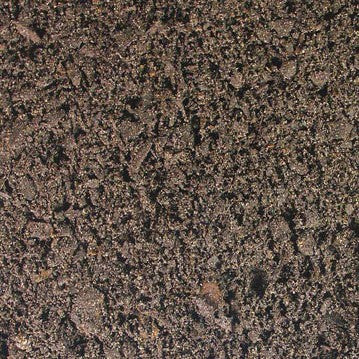
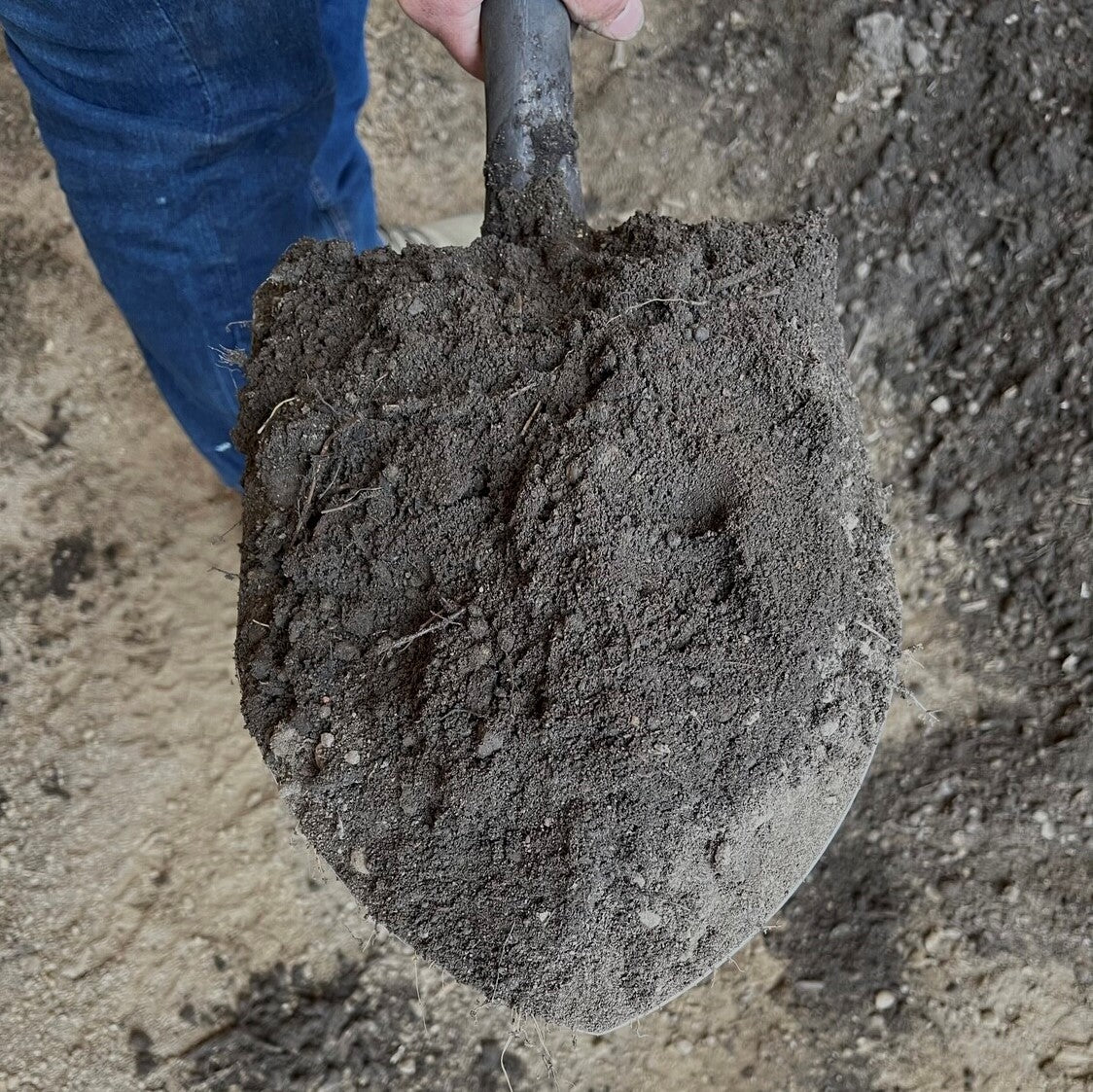
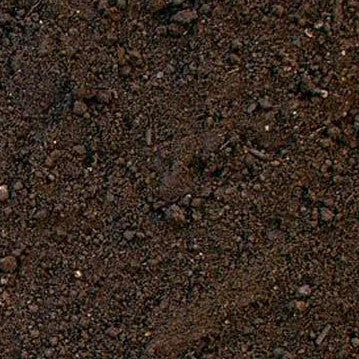
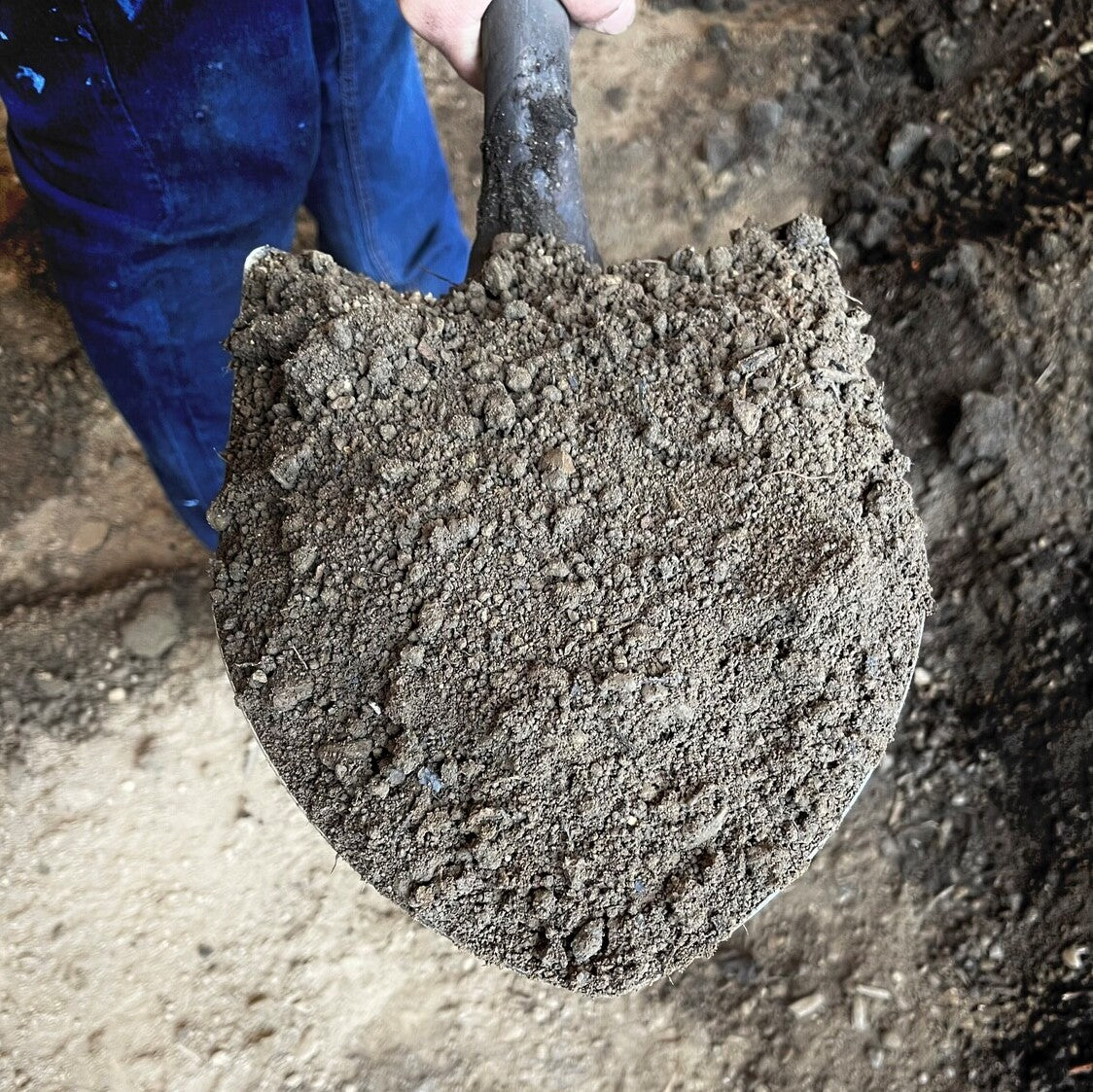
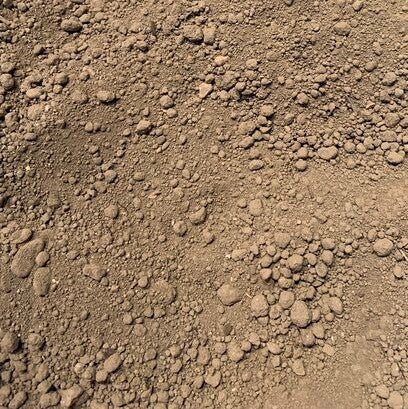
A balanced mix of topsoil and organic amendments ready for raised beds, flower gardens, and new planting areas. Good drainage, solid nutrients, easy to work with.
We got 3 yards of the gardening top soil. It was great quality, not many chunks and seems good for growing, just waiting for all my plants to love it.
We had more than enough soil to fill a raised bed we made and landscaped around a patio. I do wish we could do less tha...
Tell us what you're looking for
Thanks! We received your request.
Something went wrong. Please try again.
How Much Material Do I Need?
For new garden beds in Marion, plan on 8 to 12 inches of quality topsoil to give plants a strong root environment above the native silt loam. For lawn topdressing and leveling work, half an inch to 2 inches is typically the right range depending on the depth of the grade issue you are addressing.
Use our free soil calculator
What is a yard?
A yard is approximately 27 cubic feet. As a general guideline, one yard of material can cover an area of about 100-160 square feet at a 2-3 inch depth.
We can't take orders for this right now. Tell us what you need and we'll get back to you.
What do you need?
Thanks! We received your request.
Something went wrong. Please try again.
Hand-picked local yards
4,000+ regional deliveries
Dedicated support
Why order through Mulch Mound
The best local soil, without the guesswork.
We hand-pick and partner with the best yards in your region, keep only the ones our buyers rate well, and back each load with our guarantee.
Mulch Mound Guarantee
If your soil isn't the quantity or quality you ordered, we'll make it right.
About this soil
A balanced mix of topsoil and organic amendments ready for raised beds, flower gardens, and new planting areas. Good drainage, solid nutrients, easy to work with.
We got 3 yards of the gardening top soil. It was great quality, not many chunks and seems good for growing, just waiting for all my plants to love it.
We had more than enough soil to fill a raised bed we made and landscaped around a patio. I do wish we could do less tha...
How Much Material Do I Need?
For new garden beds in Marion, plan on 8 to 12 inches of quality topsoil to give plants a strong root environment above the native silt loam. For lawn topdressing and leveling work, half an inch to 2 inches is typically the right range depending on the depth of the grade issue you are addressing.
Use our free soil calculator
What is a yard?
A yard is approximately 27 cubic feet. As a general guideline, one yard of material can cover an area of about 100-160 square feet at a 2-3 inch depth.
We got 3 yards of the gardening top soil. It was great quality, not many chunks and seems good for growing, just waiting for all my plants to love ...
Read full review
We got 3 yards of the gardening top soil. It was great quality, not many chunks and seems good for growing, just waiting for all my plants to love it.
We had more than enough soil to fill a raised bed we made and landscaped around a patio. I do wish we could do less than 3 yds delivered but I understand the limitations.
My only concern was we requested it on the top left of our driveway since we had mulch on the other side, they ended up pouring it on top of the mulch (it was covered with a tarp so not ruined) making it difficult to complete our landscaping in a timely fashion.
Measure your project area in feet and decide on a target depth, then multiply length by width by depth in feet to get cubic feet and divide by 27 to convert to cubic yards. For Marion lawn leveling projects, even a half-inch topdress across a large yard adds up quickly in volume, so it is worth doing the full calculation before ordering. A little extra material is rarely wasted since you can use remaining soil to fill low spots along walkways, build up thin garden edges, or prepare a new tree planting hole.
Soil Types We Deliver in Marion
Central Ohio's dense clay subsoil makes quality soil a practical priority for homeowners and landscapers throughout the region. Whether you are restoring a lawn, building raised beds, or prepping new planting areas, bulk soil delivery in Marion gives you the exact volume you need, ordered by the cubic yard with no guesswork.
Screened Top Soil
Screened Topsoil is the top choice for lawns, finish grading, and fill work around local homes. Filtered clean of rocks, roots, and debris, it spreads smoothly and levels with ease. This consistent, fine texture makes it a natural fit for seed, sod, or any project where the ground needs a clean, workable surface.
Gardening Blend
Gardening Blend combines topsoil and organic amendments into a ready to use mix for raised beds, flower gardens, and new planting areas. It drains well and holds nutrients without compacting, which is a real advantage in central Ohio where native clay can frustrate gardeners. Easy to work with straight from delivery.
Leaf Compost
Leaf Compost is a nutrient rich amendment that rebuilds tired or depleted ground over time. It improves soil structure, boosts water retention, and feeds the beneficial microorganisms that keep gardens productive. A popular choice for gardeners looking to break up heavy clay and build lasting fertility season after season.
Complete Your Outdoor Soil Project
Once your soil is in place, add a layer of mulch over new garden beds to protect the fresh surface from Marion's spring and summer rainfall and reduce early weed pressure through the growing season. Consider pairing your soil order with decorative stone for raised bed borders or pathway edging that keeps your landscape looking clean and well-defined all season long.
How much topsoil do I need to level out my Marion yard?
For basic lawn leveling, a topdress of half an inch to one inch of quality soil across low spots is usually enough to raise the grade and improve drainage without smothering existing turf. For more significant depressions that hold standing water after Marion's spring rains, you may need to build up 2 to 4 inches over the low area and then overseed to re-establish turf coverage.
Answer
Can I mix bulk topsoil into my existing Marion garden beds?
Yes, and it is often one of the best things you can do for tired beds. Marion's native silt loam compacts and loses organic matter after several seasons of gardening and repeated rainfall. Mixing in fresh topsoil with good organic content loosens the bed, adds nutrients, and improves drainage. Work the new soil at least 6 to 8 inches deep so the improvement actually reaches the active root zone of your vegetables or perennials.
Answer
What depth of soil do I need for a new raised bed in Marion?
For most vegetables and annual flowers, a raised bed filled 10 to 12 inches deep with quality topsoil gives roots enough room to establish and thrive above the native silt loam. For deeper-rooted crops like carrots or parsnips, 14 to 16 inches of depth is worth the extra material. Marion's growing season between May 5 and October 14 is long enough to get full productive harvests from properly built raised beds.
Answer
Will bulk topsoil help with the drainage problems in my Marion yard?
It depends on the root cause. If low spots are collecting water because the grade slopes toward your home or pools in natural depressions, adding topsoil to raise and redirect grade can make a significant improvement. However, if your existing Marion silt loam has developed a compacted hardpan layer below the surface, you may also need to aerate or till before adding new material on top so the two layers connect properly.
Answer
When is the best time to add topsoil to a lawn or garden in Marion?
Spring and early fall are both productive windows in Marion. A spring application after the last frost around May 5 lets you prep beds and grade lawn areas before the growing season gets fully underway. A fall application before the first frost around October 14 gives fresh topsoil time to settle and begin integrating with the existing silt loam through the winter, so your beds and lawn areas are ready to go as soon as warm weather returns in spring.
Answer
How is bulk topsoil different from the bagged garden soil I see at the hardware store?
Bulk topsoil is a natural soil blend that is significantly more cost-effective per cubic yard and better suited to larger projects like grading, bed building, and lawn repair. Bagged products are often amended with peat or perlite and carry a much higher cost per unit of volume. For Marion homeowners filling a raised bed, leveling a low area, or doing any meaningful grade work, bulk delivery almost always makes more practical and financial sense than carrying bags.
Answer
My Marion yard has compacted silt loam that water runs right across. Will adding topsoil fix that?
Fresh topsoil will help but works best as part of a combined approach. Start by aerating the compacted areas to break up the hardpan, then topdress with quality topsoil to fill the aeration holes and raise the surface level. Over time, the organic matter in fresh topsoil works down into the existing silt loam and improves its capacity to absorb Marion's 42 inches of annual rainfall rather than shedding it toward streets and drainage channels.
Mulch Mound Pro Tip
When building new raised beds in Marion, do not just fill them and plant immediately without addressing what is beneath. Till or loosen the existing native silt loam 4 to 6 inches below where your new soil will sit so the two layers connect and roots can penetrate downward freely. If a hard layer of undisturbed native soil sits at the bottom of your raised bed, water and roots will both struggle to pass through it, and even the best topsoil will underperform as a result.
Mulch Mound Pro Tip
Marion's spring season is consistently wet enough that freshly delivered topsoil in low-lying areas can become waterlogged before you have a chance to spread it. If possible, schedule your soil delivery during a window with dry weather in the forecast and plan to spread and grade within a day or two of arrival. Soil that sits in a pile through several consecutive rain events can compact into a dense mass that is much harder to move and work with, especially if you are spreading by hand across a large area.
Mulch Mound Pro Tip
If you are using topsoil to level lawn areas in Marion, overseed the graded surface within a few days of completing your work to reduce erosion risk before grass establishes. Marion's spring rains can wash freshly placed topsoil from unprotected grade work within a single storm event. A light straw cover over newly seeded areas holds both the seed and the fresh soil in place until germination begins, which typically takes 10 to 14 days under warm Marion spring conditions after the last frost has cleared.
The Unique Landscape of Marion
Marion's native silt loam soil is a workable base for lawns and gardens but it carries real limitations when it comes to long-term drainage, compaction resistance, and organic matter retention after years of use. Repeated lawn mowing, foot traffic, and wet-dry weather cycles can leave Marion yards with a layer of compacted, nutrient-depleted soil that struggles to support vigorous plant growth or absorb water quickly. Whether you are filling low spots that hold standing water after spring rains, building raised vegetable beds to take advantage of the full growing season between May 5 and October 14, or grading a newly landscaped area, quality bulk topsoil gives you a reliable and consistent foundation. Marion's 42 inches of annual rainfall means that poorly graded areas develop persistent drainage problems through the wet spring months that can suffocate plant roots and damage lawn turf over time. A premium topsoil blend brings the texture, nutrients, and organic content that set new planting areas up for measurable success from the very first season.