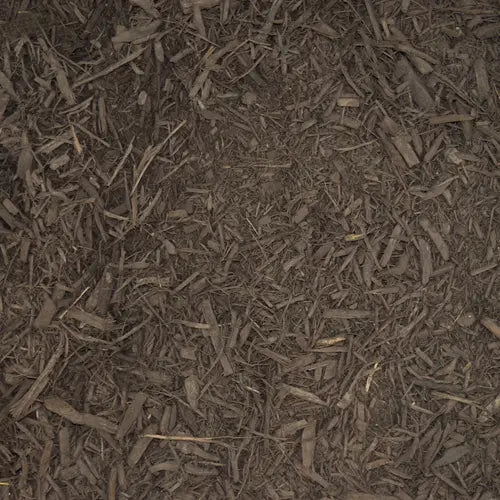
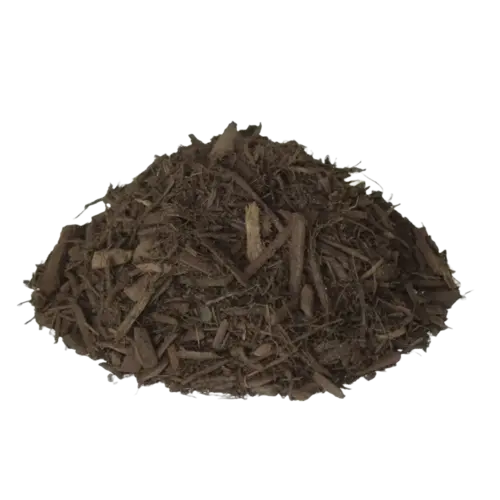
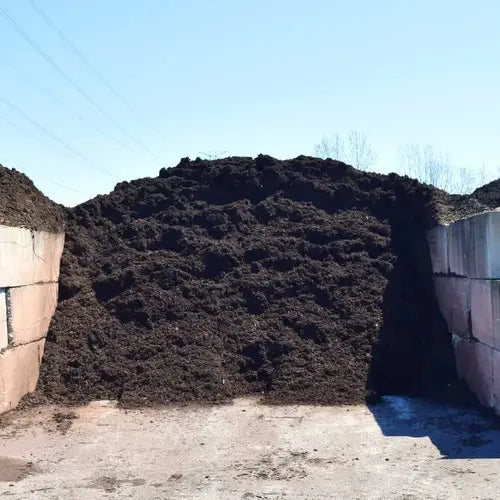
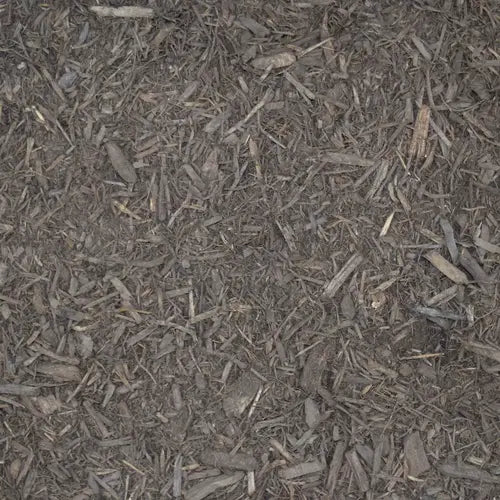
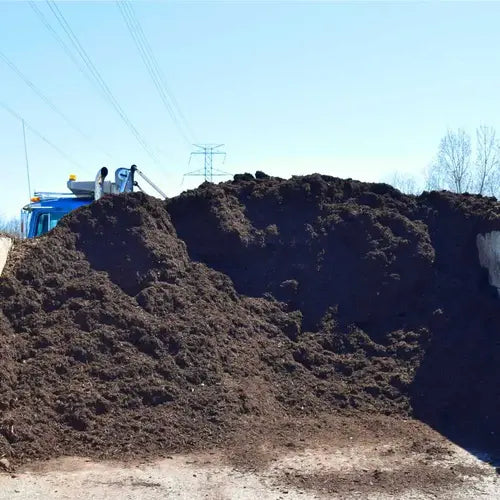
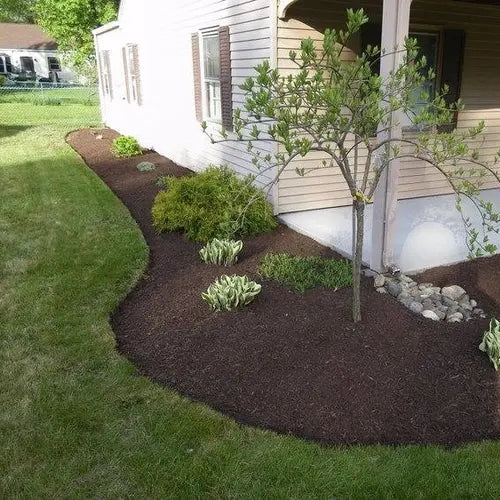
Warm brown double shredded mulch with lasting color that looks freshly applied for weeks. Spreads smooth, stays put, and gives beds a natural, polished appearance.
I can’t say enough good things about Mulch Mound! If you read my review below you will see I had a problem with my order. Mulch Mound was quick to respond and solved the issue with my delivery. Will definitely be a customer next year.
First time purchase...
Tell us what you're looking for
Thanks! We received your request.
Something went wrong. Please try again.
How Much Material Do I Need?
For Marquette's fast-draining sandy loam, plan on 3 inches of mulch for established beds and up to 4 inches in exposed or south-facing areas that receive intense summer sun. New beds or areas with poor soil retention may benefit from the deeper application to meaningfully slow moisture loss.
Use our free mulch calculator
What is a yard?
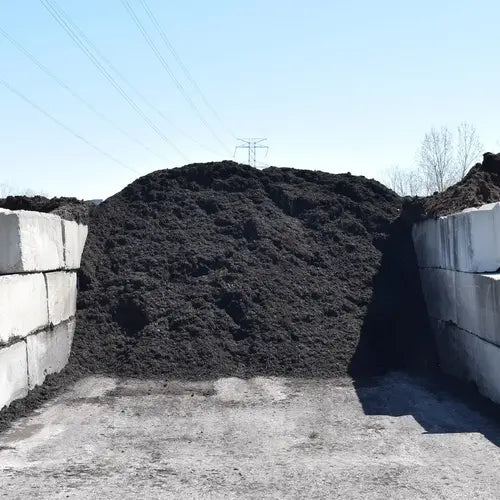
A yard is approximately 27 cubic feet. As a general guideline, one yard of material can cover an area of about 100-160 square feet at a 2-3 inch depth.
We can't take orders for this right now. Tell us what you need and we'll get back to you.
What do you need?
Thanks! We received your request.
Something went wrong. Please try again.
Hand-picked local yards
4,000+ regional deliveries
Dedicated support
Why order through Mulch Mound
The best local mulch, without the guesswork.
We hand-pick and partner with the best yards in your region, keep only the ones our buyers rate well, and back each load with our guarantee.
Mulch Mound Guarantee
If your mulch isn't the quantity or quality you ordered, we'll make it right.
About this mulch
Warm brown double shredded mulch with lasting color that looks freshly applied for weeks. Spreads smooth, stays put, and gives beds a natural, polished appearance.
I can’t say enough good things about Mulch Mound! If you read my review below you will see I had a problem with my order. Mulch Mound was quick to respond and solved the issue with my delivery. Will definitely be a customer next year.
First time purchase...
How Much Material Do I Need?
For Marquette's fast-draining sandy loam, plan on 3 inches of mulch for established beds and up to 4 inches in exposed or south-facing areas that receive intense summer sun. New beds or areas with poor soil retention may benefit from the deeper application to meaningfully slow moisture loss.
Use our free mulch calculator
What is a yard?
A yard is approximately 27 cubic feet. As a general guideline, one yard of material can cover an area of about 100-160 square feet at a 2-3 inch depth.
I can’t say enough good things about Mulch Mound! If you read my review below you will see I had a problem with my order. Mulch Mou...
Read full review
UPDATE!
I can’t say enough good things about Mulch Mound! If you read my review below you will see I had a problem with my order. Mulch Mound was quick to respond and solved the issue with my delivery. Will definitely be a customer next year.
First time purchase from Mulch Mound!! First what I liked! Easy to order online and straight forward pricing and delivery. The driver was on time and courteous and delivered my Mulch exactly where I requested! The product is of good quality and comparable to others I have purchased from before. Now what I DID’NT LIKE! I have been mulching the same house and yard for almost 20 years. I always order the same amount and don’t have any issues with covering the same area but this year I fell about a yard short. I was home when the mulch was delivered and when the driver dumped it I noticed that it seemed a bit less than I was used to. I didn’t apply it any thicker than usual and probably a bit thinner than usual because I was worried about running out.
Mulch Mound made it so easy! So happy with the pricing, turn around time, delivery and product. I submitted my online order on a Thursday. The mu...
Read full review
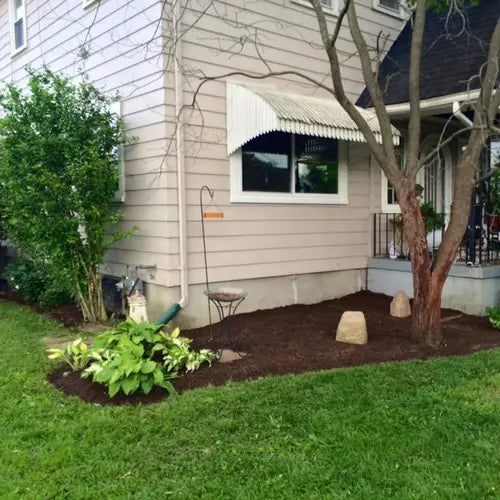
Mulch Mound made it so easy! So happy with the pricing, turn around time, delivery and product. I submitted my online order on a Thursday. The mulch was delivered to the designated location by a local landscape company at 8:30 a.m. the following Saturday morning. We had the job completed by that afternoon. We chose the natural brown mulch, and the plant beds are beautiful.
Measure the length and width of each bed in feet and multiply to get square footage, then use our calculator to find how many cubic yards you need at your chosen depth. In Marquette, where sandy loam dries out quickly, erring on the side of a slightly thicker layer is worthwhile. A 3 inch application is the standard starting point for most Upper Peninsula beds.
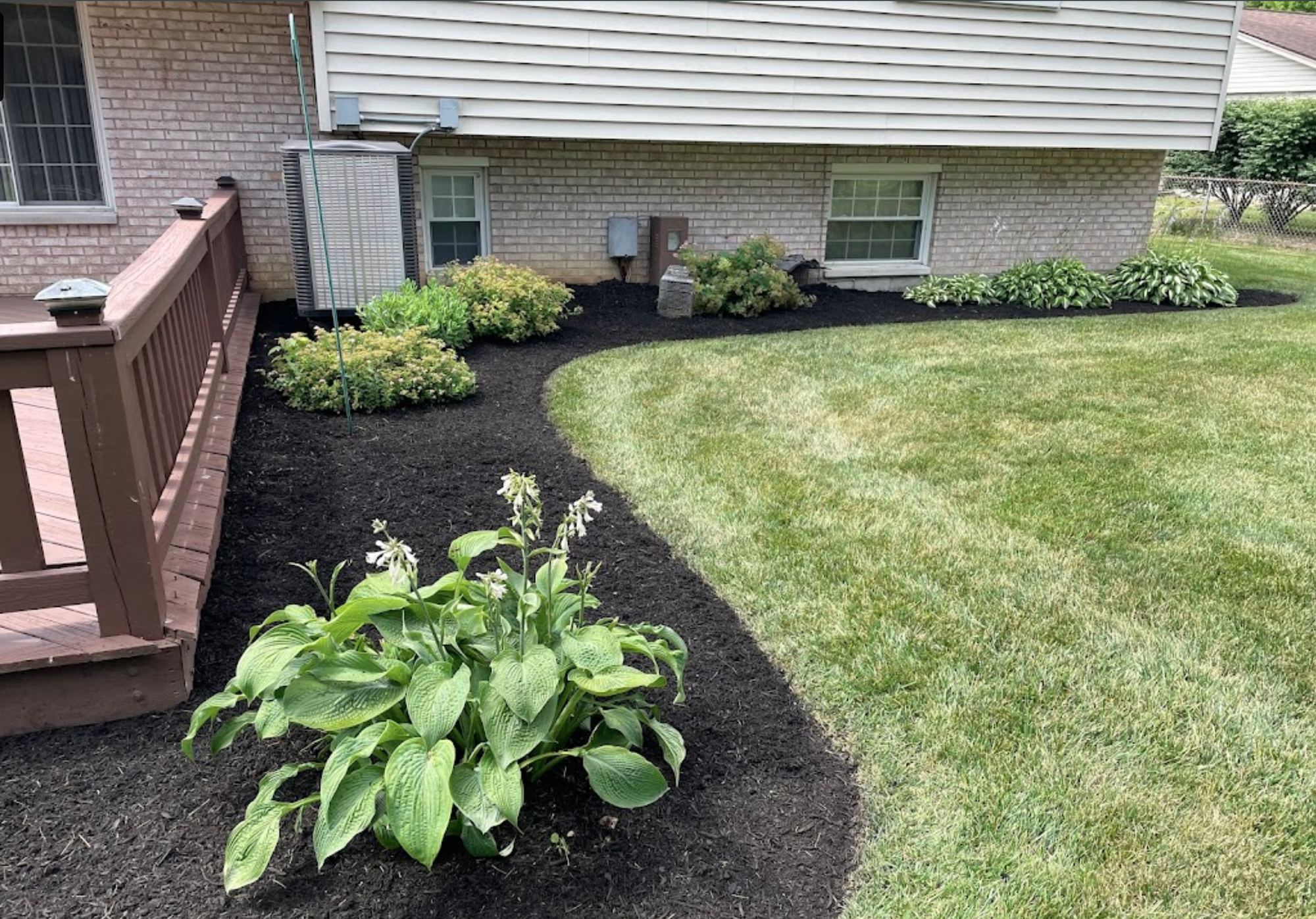
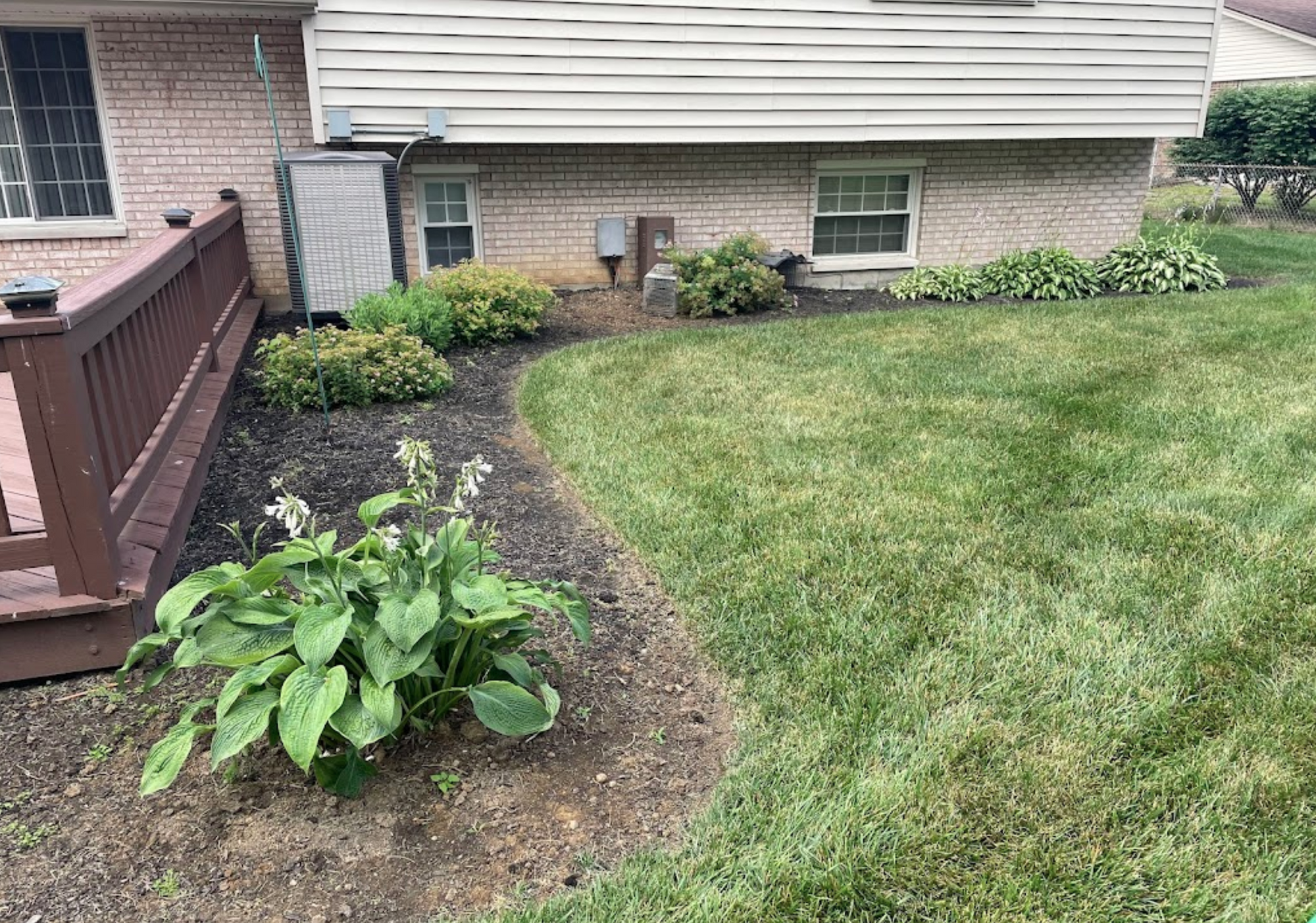
Mulch vs. No Mulch: The Difference
Marquette's cool Zone 5b climate means natural mulch breaks down more slowly than it would in warmer regions, so you get a longer-lasting weed barrier before it needs refreshing. However, the harsh winter freeze-thaw cycle still works on the bottom layer each spring, meaning natural mulch does gradually improve the sandy loam soil below over time. Dyed mulch holds its color appeal through the short but sunny Upper Peninsula summer, making it a popular choice for front-facing beds where appearance is a priority.
Before
After
Best Mulch Choice for Marquette Lawns
Most yards in the Marquette area sit on Sandy Loam type of soil. Marquette's sandy loam soil drains quickly and holds relatively little organic matter, which means uncovered beds can dry out and compact between rain events. A layer of mulch over these sandy beds creates a barrier that slows surface evaporation and reduces the crusting that can make it harder for water to penetrate.
Hardwood Mulch
Hardwood mulch breaks down into fine organic particles that incorporate into the sandy loam below, gradually increasing the soil's ability to hold moisture and nutrients between Marquette's rain events. Over multiple seasons, the decomposed layer adds body to the sand-dominant soil and creates a better environment for earthworms and beneficial microbes.
Mulch Types We Deliver in Marquette
Mulch Mound brings bulk mulch by the cubic yard right to your door anywhere in Marquette. If you have been searching for bulk mulch delivery near me, we cover the area with flexible drop-off and the exact yardage you need. Skip the bag runs and get your project moving with a single order.
Dyed Black Mulch
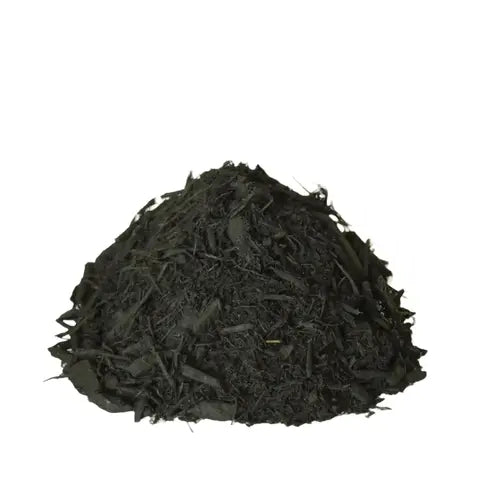
Dyed Black Mulch arrives in a double shredded style that lays smooth and stays where you put it, even through the freeze and thaw cycles common in Marquette winters. The deep color creates strong contrast against stone edging and the lighter painted homes typical of this part of the Upper Peninsula.
Dyed Brown Mulch
Dyed Brown Mulch comes in a double shredded cut that blends naturally with the wooded lots and sandy soils found throughout this region. The warm tone holds color well even under heavy rainfall, and the smooth texture makes it easy to spread across large beds or sloped ground common in northern Michigan.
Natural Brown Mulch
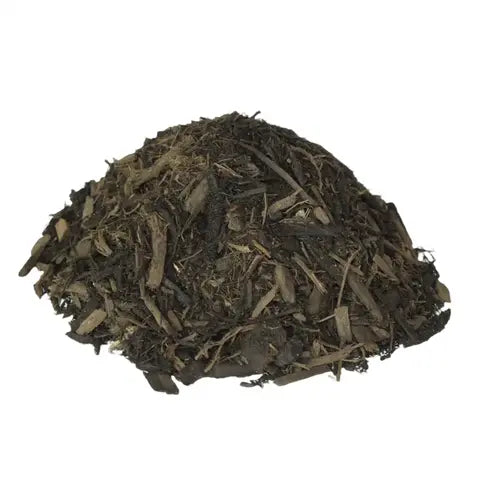
Natural Brown Mulch is a double shredded undyed option that fits right in among the pine forests and organic landscapes common across the Upper Peninsula. The earthy wood tone looks at home in naturalistic plantings, and it breaks down over time to improve the acidic sandy soils typical of this region.
Complete Your Outdoor Mulch Project
Pair your mulch order with bulk topsoil to build up sandy beds before covering them, or add decorative stone borders to frame your mulched areas and give your Marquette landscaping a clean, finished look.
In Marquette, timing your mulch application to the week after your last frost date of May 13 lets the soil absorb spring warmth before you insulate it. Cold soil covered too early can slow germination for perennials and keep your beds dormant longer than necessary. Give the ground a week of open sun after your last frost before laying down your fresh layer for the season.
Mulch Mound Pro Tip
Sandy loam in Marquette has low organic matter content compared to heavier soils, and annual mulch applications that are allowed to decompose in place are one of the easiest ways to build that organic content over time. As the bottom layer of mulch breaks down each season, it feeds soil microbes and improves water-holding capacity. After several years of consistent mulching, you will notice the soil under your beds becoming noticeably darker and more moisture-retentive.
Mulch Mound Pro Tip
Marquette averages 31 inches of rain per year, but that moisture does not always arrive when plants need it most. Mulch acts as a buffer, absorbing rainfall during wet periods and releasing it slowly into the sandy loam below rather than letting it drain straight through. During the dry spells that sometimes hit the Upper Peninsula in mid-summer, a properly maintained mulch layer can cut your supplemental watering needs significantly.
Frequently Asked Questions
Click a question to see the answer
Answer
How early in the spring should I apply mulch in Marquette?
With the last frost typically landing around May 13, you want to wait until the soil has warmed slightly before laying mulch. Applying too early can trap cold in the ground and delay soil warming for your perennials and annuals. A good rule is to wait until late May, once overnight temps are consistently above freezing and your beds have been cleared of winter debris.
Answer
Will mulch help protect my plants through a Marquette winter?
Yes, a 3 to 4 inch layer of mulch applied before the first frost around October 15 insulates root zones against the deep freezes that hit Zone 5b. It also reduces the freeze-thaw heaving that can push shallow roots out of the sandy loam soil during the unpredictable temperature swings of early spring.
Answer
Does Marquette's sandy soil mean I need more mulch than usual?
Sandy loam drains faster than clay-heavy soils, so moisture retention is a real concern in Marquette beds. A layer of 3 inches is generally recommended, and going up to 4 inches in sunnier, more exposed beds can make a noticeable difference in how often you need to water through July and August.
Answer
How long does mulch last before I need to replenish it in Marquette?
In Marquette's Zone 5b climate, natural hardwood mulch typically breaks down over one to two seasons. The cool temperatures slow decomposition compared to warmer climates, but the freeze-thaw cycle each spring does accelerate breakdown at the bottom of the layer. Plan to top off your beds each spring, ideally before Memorial Day, to maintain adequate depth.
Answer
Is colored mulch or natural mulch better for the Upper Peninsula climate?
Natural hardwood mulch is often the better choice for Marquette landscapes because it breaks down into organic matter that directly improves the sandy loam soil over time. Dyed mulches retain their color longer through the season, which some homeowners prefer for curb appeal, but they contribute less to soil structure. If you have beds with nutrient-poor sandy loam, natural mulch gives you both weed control and a slow soil amendment in one product.
Answer
How do I keep mulch from washing away during heavy spring rains in Marquette?
Marquette receives about 31 inches of rain per year, and spring storms can be intense after snowmelt. Keeping mulch depth at 3 inches rather than piling it too thick helps it stay in place, and avoiding bare soil edges around beds reduces the chance of runoff carving channels. Using a coarser mulch type in sloped areas also helps it grip the surface better during downpours.
Answer
Should I mulch around my trees and shrubs differently than my garden beds?
Tree rings in Marquette benefit from a wider mulch circle, ideally extending to the drip line, to protect roots from frost penetration in Zone 5b winters. Keep mulch a few inches away from the trunk to prevent moisture buildup against the bark during the wet spring months. For shrubs in sandy loam beds, a consistent 3 inch layer helps moderate the rapid drainage that can stress shallow-rooted plants.
The Unique Landscape of Marquette
Marquette's sandy loam soil is naturally fast-draining, which means plant beds can lose moisture quickly during the warm but short summer months between the last frost on May 13 and the first frost around October 15. Applying mulch creates a protective layer that slows evaporation and gives plants a fighting chance during the drier stretches that sometimes hit the Upper Peninsula in July and August. Zone 5b winters are harsh, with freeze-thaw cycles in early spring that can heave roots and disturb shallow-rooted perennials, and a thick mulch layer helps buffer those temperature swings. Marquette's 31 inches of annual rainfall arrive unevenly across the season, so mulch also reduces runoff and keeps nutrients from washing out of the sandy topsoil. Keeping beds mulched through the growing season is one of the most practical things a Marquette homeowner can do to reduce watering frequency and keep weeds from taking over during the short but intense summer window.