




I needed 3 yards of top soil and that's what I got! Right on time and right where I asked it to be placed (Order# 2041).
About this soil
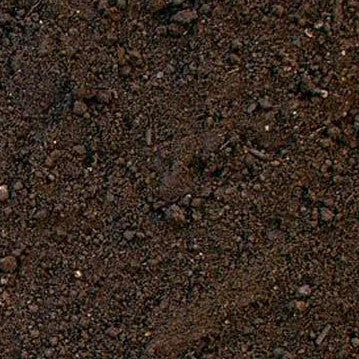
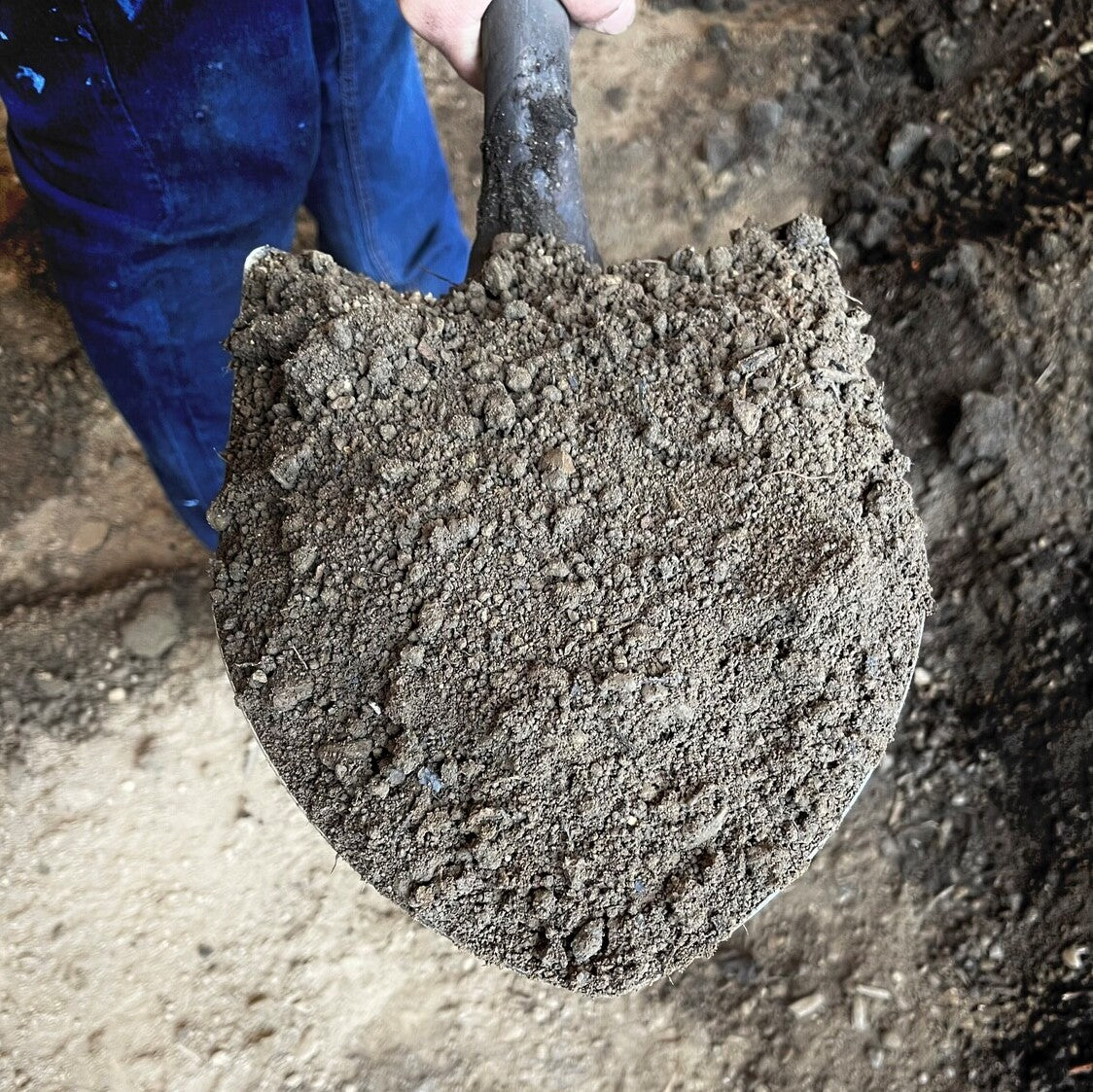
Quality topsoil for lawns, gardens, and landscape projects. Nutrient rich and ready to support strong root development and healthy plant establishment.
I needed 3 yards of top soil and that's what I got! Right on time and right where I asked it to be placed (Order# 2041).
Tell us what you're looking for
Thanks! We received your request.
Something went wrong. Please try again.
How Much Material Do I Need?
How Much Material Do I Need?
For lawn leveling on Marquette's sandy loam, 2 to 4 inches of topsoil over low spots is generally enough to restore a smooth surface. Garden beds benefit from a deeper application of 6 to 12 inches depending on whether you are supplementing existing soil or building a full raised bed from the ground up.
Use our free soil calculator
What is a yard?
What is a yard?
FAQs
FAQs
Marquette Soil Delivery
Marquette Soil Delivery
Regular price
$64.00
per
yard
Regular price
Sale price
$64.00
Unit price
per
Shipping calculated at checkout.
Minimum of 3 yard
Couldn't load pickup availability
Not currently available
We can't take orders for this right now. Tell us what you need and we'll get back to you.
Hand-picked local yards
4,000+ regional deliveries
Dedicated support
Why order through Mulch Mound
The best local soil, without the guesswork.
We hand-pick and partner with the best yards in your region, keep only the ones our buyers rate well, and back each load with our guarantee.
Mulch Mound Guarantee
If your soil isn't the quantity or quality you ordered, we'll make it right.
About this soil
Quality topsoil for lawns, gardens, and landscape projects. Nutrient rich and ready to support strong root development and healthy plant establishment.
I needed 3 yards of top soil and that's what I got! Right on time and right where I asked it to be placed (Order# 2041).
How Much Material Do I Need?
How Much Material Do I Need?
For lawn leveling on Marquette's sandy loam, 2 to 4 inches of topsoil over low spots is generally enough to restore a smooth surface. Garden beds benefit from a deeper application of 6 to 12 inches depending on whether you are supplementing existing soil or building a full raised bed from the ground up.
Use our free soil calculator
What is a yard?
What is a yard?
FAQs
FAQs
Tell us what you're looking for
Thanks! We received your request.
Something went wrong. Please try again.
How It Works
Getting started is easy — just follow these simple steps
1
Choose your soil
Make sure you adjust the quantity to your home's needs. You can use our calculator to estimate how much you'll need.
2
Select your delivery date
Select a delivery date you'd like for the product to be dropped off at your home
3
Sit back and wait
Sit back, wait, and let us work our magic to make sure the highest quality product is delivered to your driveway.

Highest compliments. Great driver.
Website is easy to navigate. Just a seamless process. 5 stars!!

Need Help Calculating How Much Soil You Need?
Use our NEW Trace from Satellite tool to get an estimate for your project based on an aerial view of your property
Try Our CalculatorMeasure your project area in feet and multiply length by width to get square footage, then determine how deep you need your topsoil layer to estimate cubic yards. In Marquette, raised bed projects typically require more material than homeowners first expect, so it is worth adding a 10 percent buffer to your estimate. Our calculator can help you convert square footage and depth into the exact cubic yards you need.
Soil Types We Deliver in Marquette
Marquette's short growing season and naturally rocky, sandy soils mean that building a strong foundation with quality bulk soil makes a real difference for lawns and gardens. We deliver bulk topsoil by the yard in Marquette, dropping off large loads right to your driveway or project site. Whether you are grading a new lawn, filling raised beds, or refreshing tired planting areas, we make it simple to get the volume you need.
Screened Top Soil
Our screened top soil is finely processed to remove rocks, clumps, and debris, leaving a clean, workable material that spreads evenly across lawns and garden beds. It is nutrient rich and ready to support strong root development, making it a smart choice for Marquette homeowners dealing with thin or compacted native soils.
Complete Your Outdoor Soil Project
Round out your soil order with bulk mulch to protect your newly filled beds from Marquette's rapid drainage and early fall frost, or add stone borders to define your garden areas and prevent soil from washing away during spring snowmelt.


Mulch Mound Pro Tip
In Marquette, the window between the last frost on May 13 and the first hard freeze around October 15 is roughly 154 days, so every week of soil prep time you save in spring translates directly into more productive growing days. Ordering your topsoil in late April and spreading it before the last frost date means your beds are settled, warmed, and ready the moment it is safe to plant. Do not wait until planting day to order, get your soil down early and let it do its work.
Mulch Mound Pro Tip
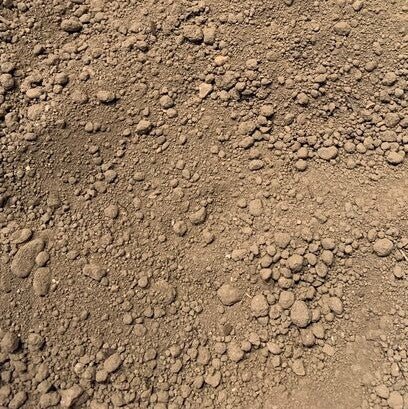
Sandy loam in Marquette is low in organic matter, which means topsoil blends that include some composted content will outperform pure mineral soil over the long term. When selecting bulk topsoil, look for a mix that is not just sand and silt but includes some darker, organic-rich material. This type of blend improves water retention in the sandy beds that Marquette's native soil produces, giving your plants a better buffer between rain events.
Mulch Mound Pro Tip
Grade your topsoil with drainage in mind, especially near foundations and low-lying areas of your Marquette property where spring snowmelt and the 31 inches of annual rainfall can accumulate. A gentle slope of even one inch per four feet directs water away from structures and prevents the soil saturation that can damage roots and encourage fungal problems. Taking a few extra minutes to grade properly when you lay topsoil can prevent drainage headaches for years to come.
The Unique Landscape of Marquette
Marquette's native sandy loam is decent for drainage but falls short on the nutrient density and moisture retention that most garden plants, lawn grasses, and raised bed crops need to thrive. The short growing window between the last frost on May 13 and the first frost around October 15 means plants have limited time to establish, and poor soil quality early in the season can cost you weeks of productive growth. Grade work and lawn leveling are common needs in Marquette properties, where spring snowmelt can settle and shift loose sandy soil, leaving uneven patches across lawns and near foundations. Bringing in quality bulk topsoil lets you build raised beds that warm faster in spring, drain well but retain nutrients, and give your plants a strong start in Zone 5b. Whether you are filling a new vegetable garden, repairing a sunken lawn section, or building a new landscape bed from scratch, the right soil is the foundation for everything you grow in the Upper Peninsula.