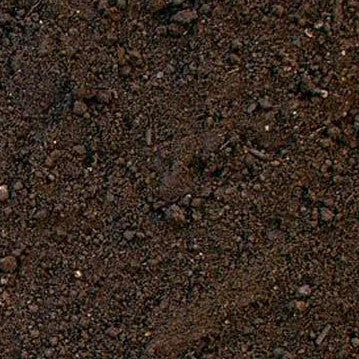
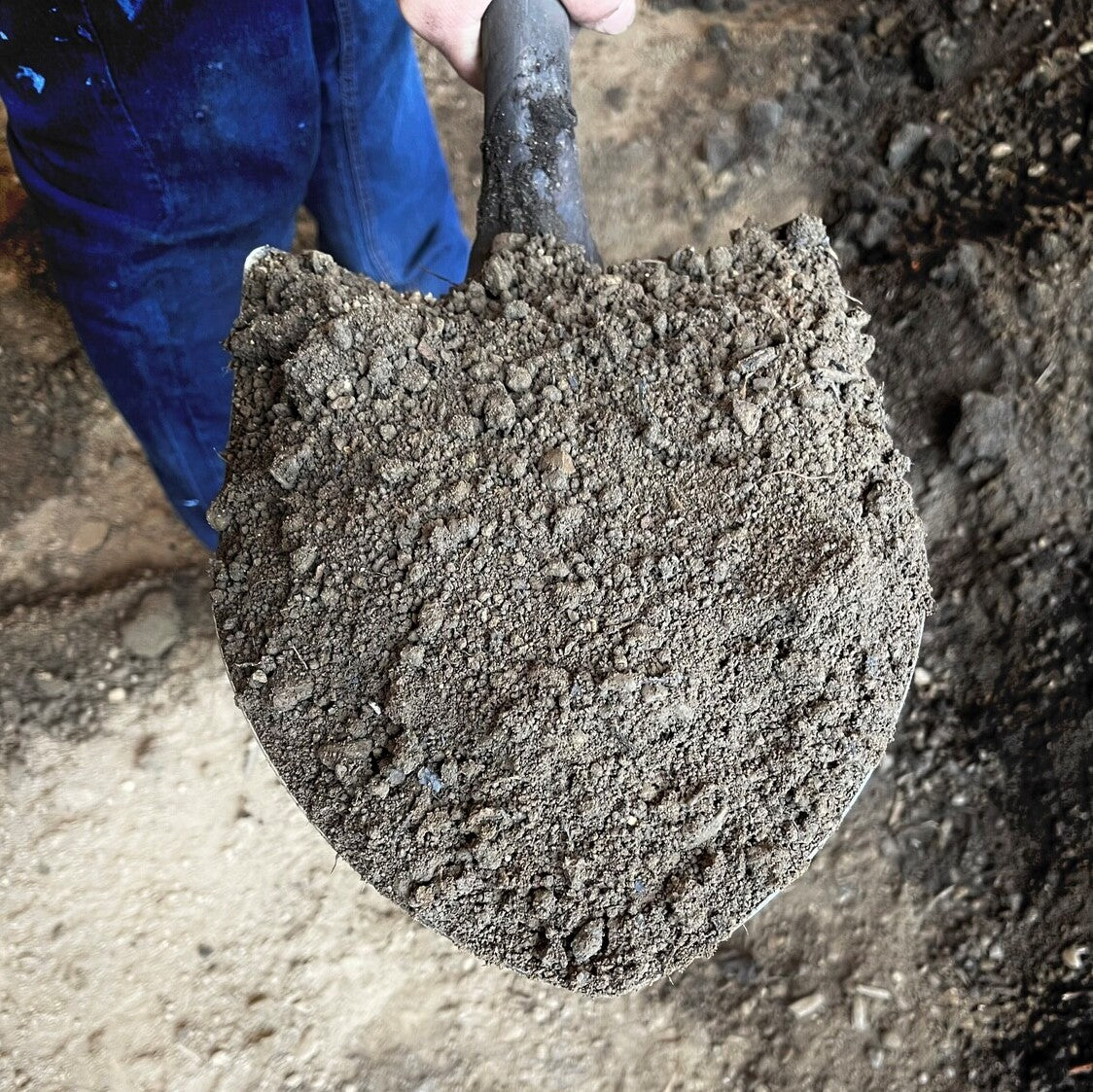
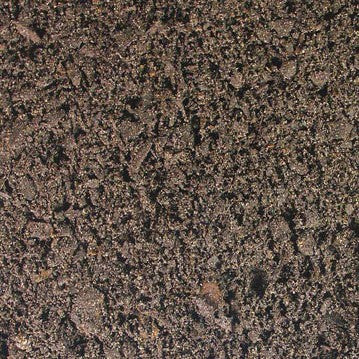
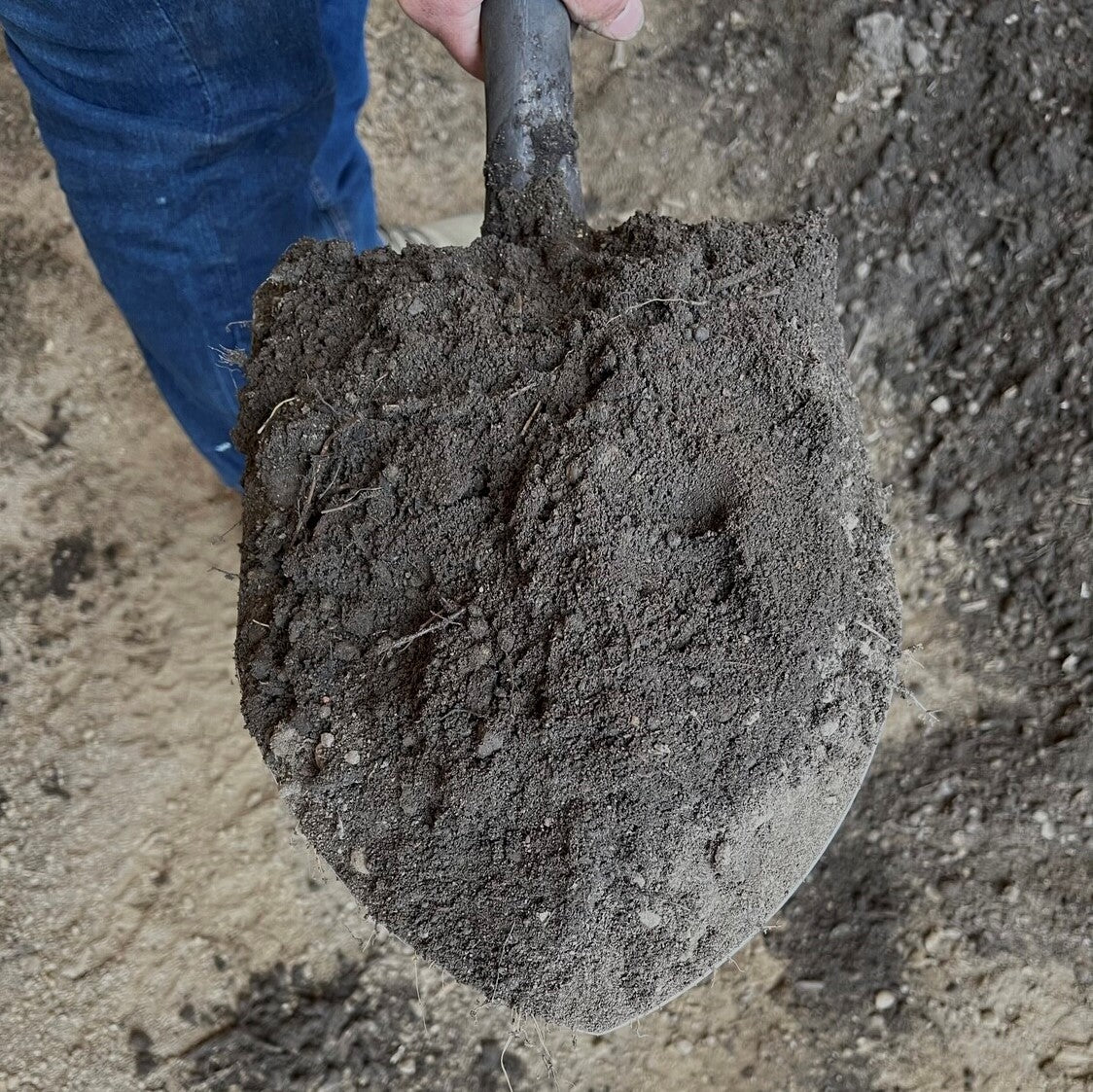
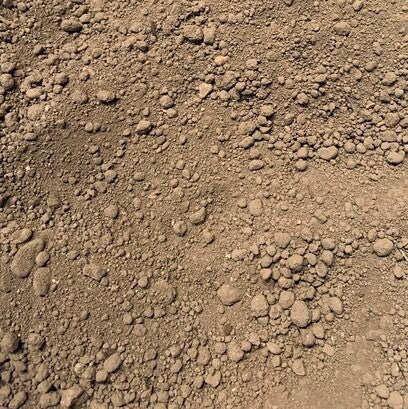
Quality topsoil for lawns, gardens, and landscape projects. Nutrient rich and ready to support strong root development and healthy plant establishment.
My experience with Mulch Mound was great and super easy. I ordered two yards of screened topsoil and was able to get it delivered within 2 days. They came in my requested time frame (afternoon) and dropped it off where I asked on my driveway. The topsoil was exactly what was a...
Quality topsoil for lawns, gardens, and landscape projects. Nutrient rich and ready to support strong root development and healthy plant establishment.
My experience with Mulch Mound was great and super easy. I ordered two yards of screened topsoil and was able to get it delivered within 2 days. They came in my requested time frame (afternoon) and dropped it off where I asked on my driveway. The topsoil was exactly what was a...
How Much Material Do I Need?
For new garden beds in Mastic Beach, plan on at least 6 inches of imported soil over the existing sandy base, and 12 inches if you are building up raised sections. Lawn topdressing for leveling typically calls for a 1-inch layer applied gradually to avoid smothering existing grass.
Use our free soil calculator
What is a yard?
A yard is approximately 27 cubic feet. As a general guideline, one yard of material can cover an area of about 100-160 square feet at a 2-3 inch depth.
My experience with Mulch Mound was great and super easy. I ordered two yards of screened topsoil and was able to get it delivered within 2 days. Th...
Read full review
My experience with Mulch Mound was great and super easy. I ordered two yards of screened topsoil and was able to get it delivered within 2 days. They came in my requested time frame (afternoon) and dropped it off where I asked on my driveway. The topsoil was exactly what was advertised, clean with no rocks or other debris. The price was reasonable. I plan to use them again in a couple weeks to order compost for my garden beds.
To calculate how much soil you need for a project in Mastic Beach, measure the length, width, and desired depth in feet, then multiply all three together and divide by 27 to get cubic yards. For raised beds in Mastic Beach, a full 12 inches of depth is recommended given the poor native sandy soil below, so do not skimp on depth when estimating. If you are doing grade work around your foundation, measure the area and estimate an average depth of 3 to 4 inches for most leveling projects.
Complete Your Outdoor Soil Project
Once your soil is in place, pairing it with a layer of our bulk mulch will protect your investment by slowing the rapid moisture loss that Mastic Beach's sandy conditions cause. Our decorative stone is also useful for defining bed borders and pathways that keep foot traffic off freshly laid soil while it settles and roots establish.
My Mastic Beach yard is almost pure sand. Can adding topsoil actually fix that?
It can make a dramatic difference, especially for planting areas. Pure sandy soil in Mastic Beach holds almost no water or nutrients, so laying down 4 to 6 inches of quality topsoil and working it into the top layer of existing sand creates a much more hospitable root environment. For lawns, even 1 to 2 inches of topdressing can improve germination and root establishment noticeably. You will not completely transform the underlying sandy base, but you give plants a nutrient-rich zone in the critical top few inches where it matters most.
Answer
How much soil do I need to build a raised bed in my Mastic Beach backyard?
For a standard raised bed that is 4 feet by 8 feet and 12 inches deep, you will need roughly 32 cubic feet of soil, which is about 1.2 cubic yards. Ordering in bulk from MulchMound is cost-effective once you are building more than one or two beds, which is common in Mastic Beach yards where gardeners often raise multiple beds to get above the poor native sandy soil. A half yard or full yard order can fill several beds at once and leave a little extra for topdressing.
Answer
Will bulk topsoil help with the water that pools near my house in Mastic Beach after big rainstorms?
That depends on the problem. If water is pooling because your yard lacks proper grading and pitch away from the foundation, bulk soil can be used to build up low spots and redirect surface runoff. At Mastic Beach's low elevation of 7 feet, even slight grade adjustments around a foundation can prevent water intrusion after heavy rain. However, if your drainage issue is caused by a perched water table or an underground obstruction, adding soil alone will not solve it and you may need additional drainage solutions alongside your grading work.
Answer
What is the difference between topsoil and garden soil, and which one should I use in Mastic Beach?
Topsoil is typically a mineral-based soil used for grading, filling, and establishing lawns, and it has a moderate nutrient content. Garden soil is a richer, more amended blend with higher organic matter formulated specifically for planting beds and vegetable gardens. In Mastic Beach, where the native sandy soil is already very low in organic matter, garden soil is usually the better choice for any planted area. Topsoil is the right pick for bulk fill, grade corrections, and lawn base work where you need volume more than richness.
Answer
When should I add new soil to my Mastic Beach garden beds to prepare for the growing season?
The best window is two to four weeks before your last frost date of April 7, which means working new soil into your beds during mid to late March. That gives the soil time to settle, and if you are adding compost or amendments alongside the new soil, it gives them time to begin integrating before you transplant or direct-sow. In Mastic Beach's sandy conditions, this early prep is especially important because fresh garden soil needs to settle into the existing sandy base before watering cycles can wash the finer particles downward through the profile.
Answer
Can I use bulk soil to level out the uneven patches in my Mastic Beach lawn?
Yes, topdressing with a sandy loam or screened topsoil is a very effective way to level minor depressions in a Mastic Beach lawn. Apply no more than 1 inch at a time over existing grass to avoid smothering it, and use a lawn roller or the back of a rake to feather the edges smooth. For larger depressions or areas with poor grass, you may need to remove the existing sod, fill and grade with bulk topsoil, then reseed. Late August through mid-September is an excellent window for this work in Zone 7a.
Answer
I want to start a vegetable garden in Mastic Beach. Should I build raised beds or try to work with my existing soil?
For a serious vegetable garden in Mastic Beach, raised beds filled with quality garden soil are strongly recommended. The native sandy soil drains too fast and holds too few nutrients to support productive vegetable growing without constant heavy amendment. Raised beds let you start with a controlled, fertile growing medium and are much easier to manage across the long Zone 7a growing season from April through November. You will see better yields, fewer watering problems, and more predictable results compared to growing directly in the native sandy ground.
Mulch Mound Pro Tip
In Mastic Beach, one of the most common mistakes homeowners make when adding topsoil is dumping it on top of existing sandy ground without tilling the interface. When two distinct soil types sit on top of each other without blending, water can move through the upper layer and then pool at the boundary rather than continuing to drain, creating a perched wet zone. Spend 15 to 20 minutes tilling the top 2 to 3 inches of existing sandy soil before spreading your new topsoil to create a gradual transition that promotes even drainage throughout the profile.
Mulch Mound Pro Tip
Mastic Beach's growing season closes around November 10 with the first frost, so fall soil work should be finished and seeded or mulched by mid-October to give new lawn or bed areas enough time to settle before the ground firms up. If you are doing fall raised-bed prep, filling and leaving the beds bare through winter is actually fine because the freeze-thaw cycles will naturally break down clumps and consolidate the soil, giving you a well-settled planting medium when April arrives.
Mulch Mound Pro Tip
Because Mastic Beach receives 47 inches of rain annually and sits at a very low elevation of 7 feet, any bulk soil you add near your foundation should be graded to slope away at a rate of about 1 inch per foot for the first 6 feet from the house. Sandy base soils erode quickly during heavy downpours, so placing a border of decorative stone or installing a simple edging barrier at the low edge of graded soil areas will help hold your grade work in place through the wet fall and spring seasons.
The Unique Landscape of Mastic Beach
Mastic Beach sits at a low elevation of just 7 feet above sea level on Long Island's south shore, and the native sandy soil reflects that coastal character, draining quickly, holding few nutrients, and struggling to support heavy planting without amendment. When you are establishing new garden beds, leveling a lawn, or building raised planting areas, bringing in quality bulk topsoil or garden soil gives you a nutrient-rich foundation that the native ground simply cannot provide on its own. The combination of sandy native soil and the region's 47 inches of annual rainfall means that nutrients leach downward rapidly, making a rich, loamy imported soil a critical component of any serious planting project. Zone 7a in Mastic Beach gives you a growing season stretching from early April through mid-November, and the right soil makes the most of every week in that window. Whether you are filling raised beds, grading a low spot, or starting a fresh landscape from scratch, bulk soil delivery is the most efficient way to tackle the volume that sandy coastal yards typically require.