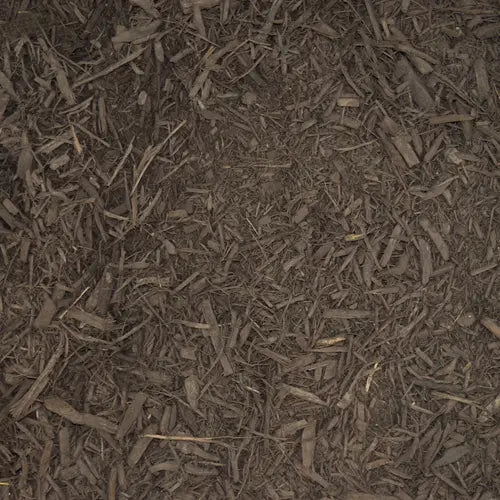
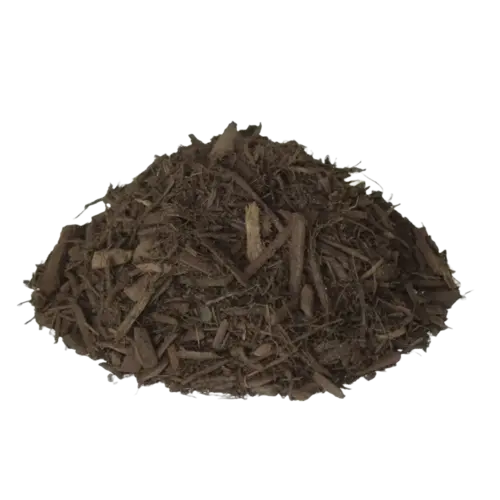
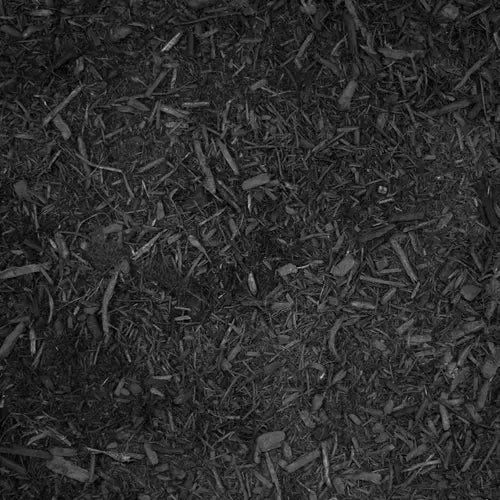
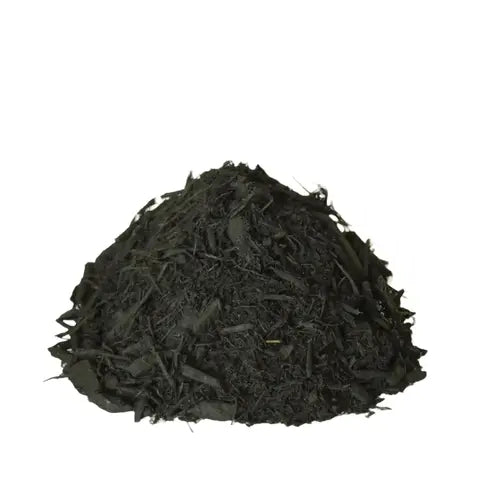
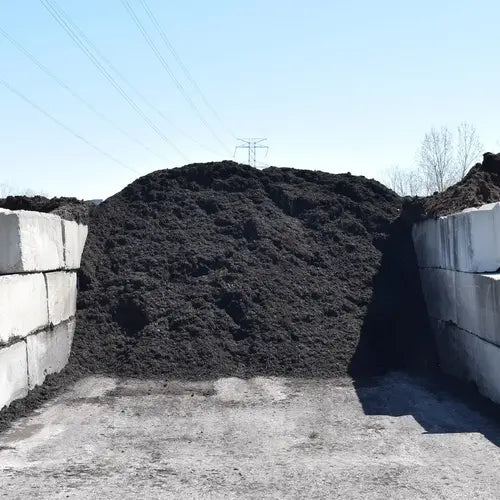
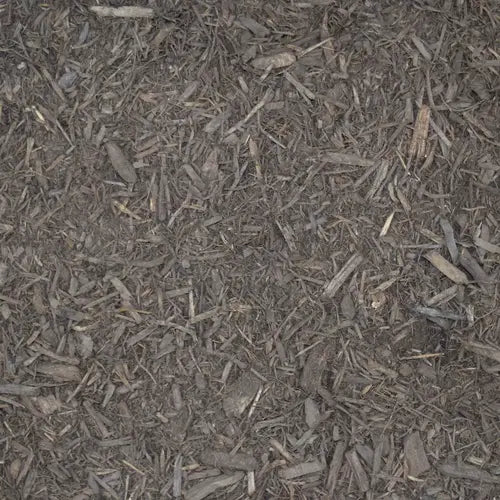
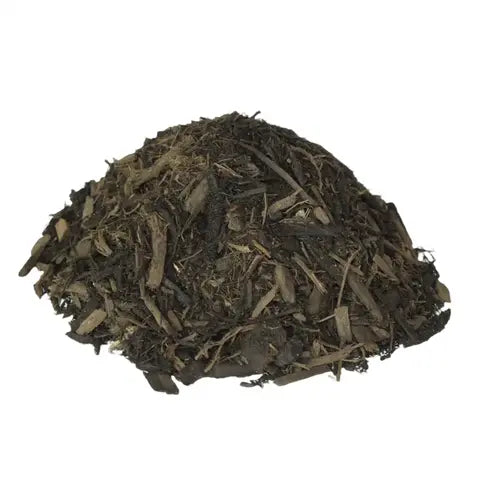
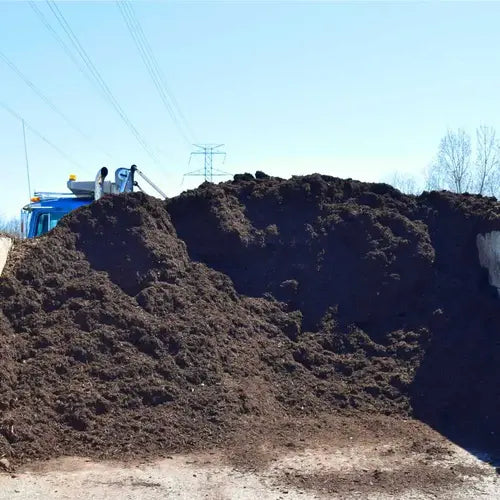
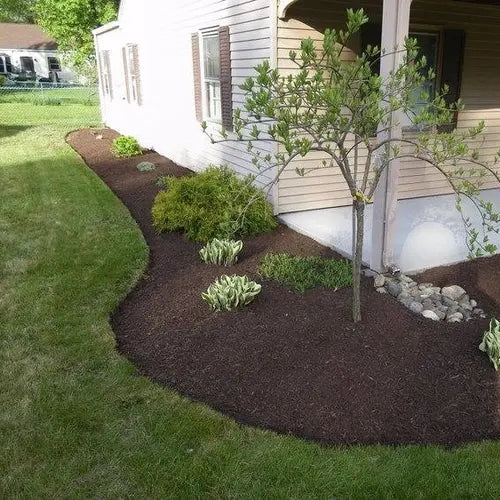
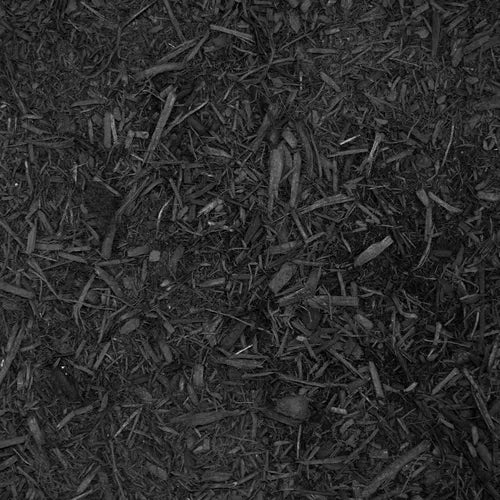
Warm brown double shredded mulch with lasting color that looks freshly applied for weeks. Spreads smooth, stays put, and gives beds a natural, polished appearance.
Good quality, great price, fast delivery. All online - no submitting forms and waiting for days for quotes. Getting mulch should be this easy from everyone. Only Mulch Mound is ACTUALLY this simple.
Tell us what you're looking for
Thanks! We received your request.
Something went wrong. Please try again.
How Much Material Do I Need?
For Mastic Beach's fast-draining sandy soil, aim for a 3 to 4 inch mulch depth in all planted areas. Thinner applications simply do not retain enough moisture to offset the rapid drainage that sandy soil is known for.
Use our free mulch calculator
What is a yard?
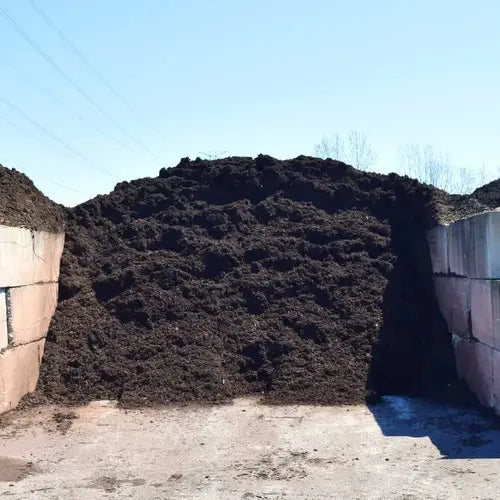
A yard is approximately 27 cubic feet. As a general guideline, one yard of material can cover an area of about 100-160 square feet at a 2-3 inch depth.
We can't take orders for this right now. Tell us what you need and we'll get back to you.
What do you need?
Thanks! We received your request.
Something went wrong. Please try again.
Hand-picked local yards
4,000+ regional deliveries
Dedicated support
Why order through Mulch Mound
The best local mulch, without the guesswork.
We hand-pick and partner with the best yards in your region, keep only the ones our buyers rate well, and back each load with our guarantee.
Mulch Mound Guarantee
If your mulch isn't the quantity or quality you ordered, we'll make it right.
About this mulch
Warm brown double shredded mulch with lasting color that looks freshly applied for weeks. Spreads smooth, stays put, and gives beds a natural, polished appearance.
Good quality, great price, fast delivery. All online - no submitting forms and waiting for days for quotes. Getting mulch should be this easy from everyone. Only Mulch Mound is ACTUALLY this simple.
How Much Material Do I Need?
For Mastic Beach's fast-draining sandy soil, aim for a 3 to 4 inch mulch depth in all planted areas. Thinner applications simply do not retain enough moisture to offset the rapid drainage that sandy soil is known for.
Use our free mulch calculator
What is a yard?
A yard is approximately 27 cubic feet. As a general guideline, one yard of material can cover an area of about 100-160 square feet at a 2-3 inch depth.
Good quality, great price, fast delivery. All online - no submitting forms and waiting for days for quotes. Getting mulch should be this easy fr...
Read full review
Good quality, great price, fast delivery. All online - no submitting forms and waiting for days for quotes. Getting mulch should be this easy from everyone. Only Mulch Mound is ACTUALLY this simple.
I highly recommend Mulch Mound. The quality of the mulch is very good. The ordering system on their website makes it very easy. The delivery driver...
Read full review
I highly recommend Mulch Mound. The quality of the mulch is very good. The ordering system on their website makes it very easy. The delivery driver did a great job placing the mulch on the driveway. To finish off, the pricing was very reasonable as well.
They offered a quick turnaround and delivered high quality mulch at a reasonable price. They also dropped it off exactly where I told them to put i...
Read full review
They offered a quick turnaround and delivered high quality mulch at a reasonable price. They also dropped it off exactly where I told them to put it. Good service!
To estimate how much mulch you need in Mastic Beach, measure the length and width of each bed in feet, multiply them together to get square footage, then divide by 81 for a 4-inch depth. Because Mastic Beach's sandy soil benefits from a fuller 4-inch layer rather than the standard 2 to 3 inches used in denser soils, rounding up slightly is a good practice. Order a little extra and use the overage to top off thin spots or start a new border.
Mulch vs. No Mulch: The Difference
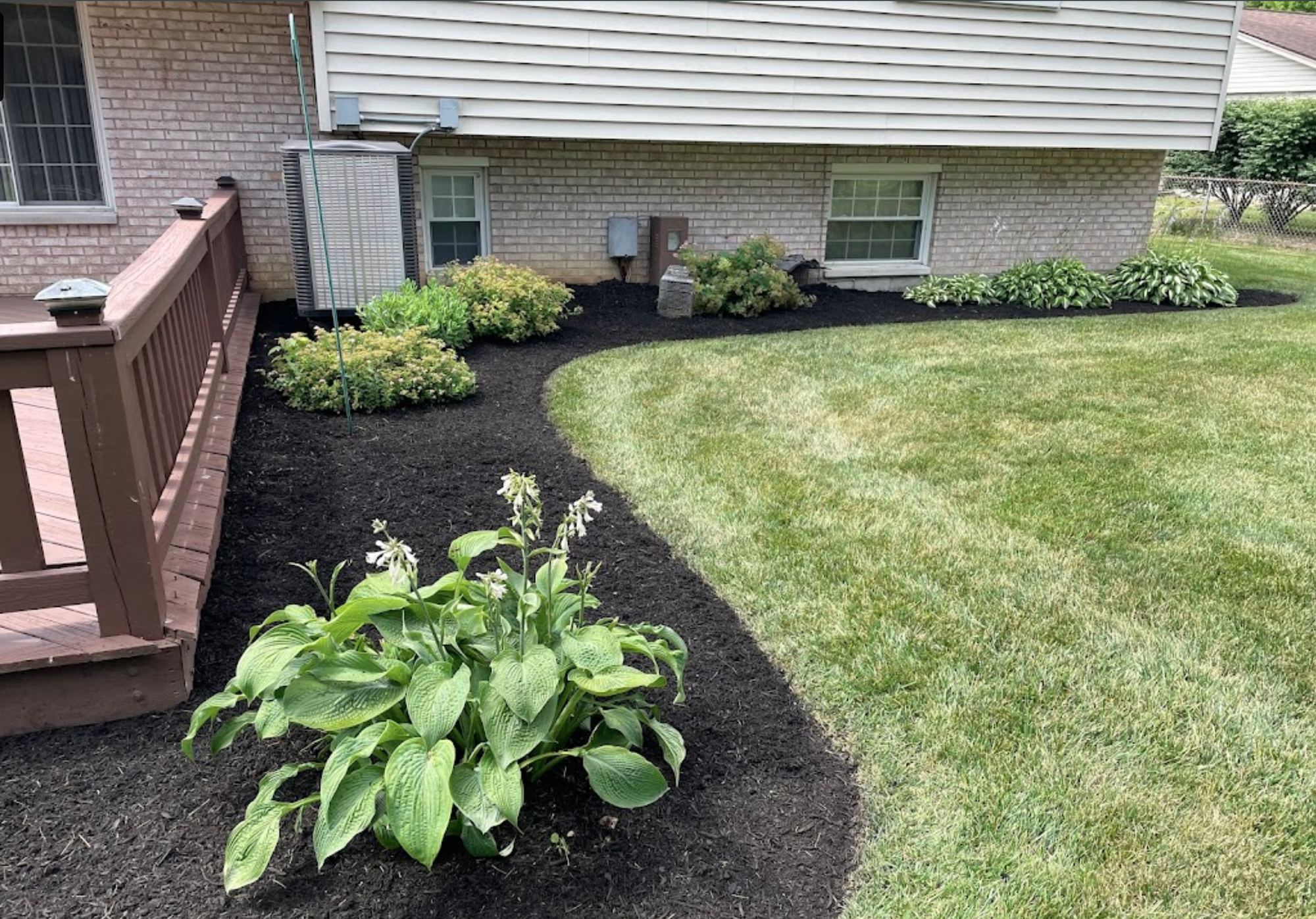
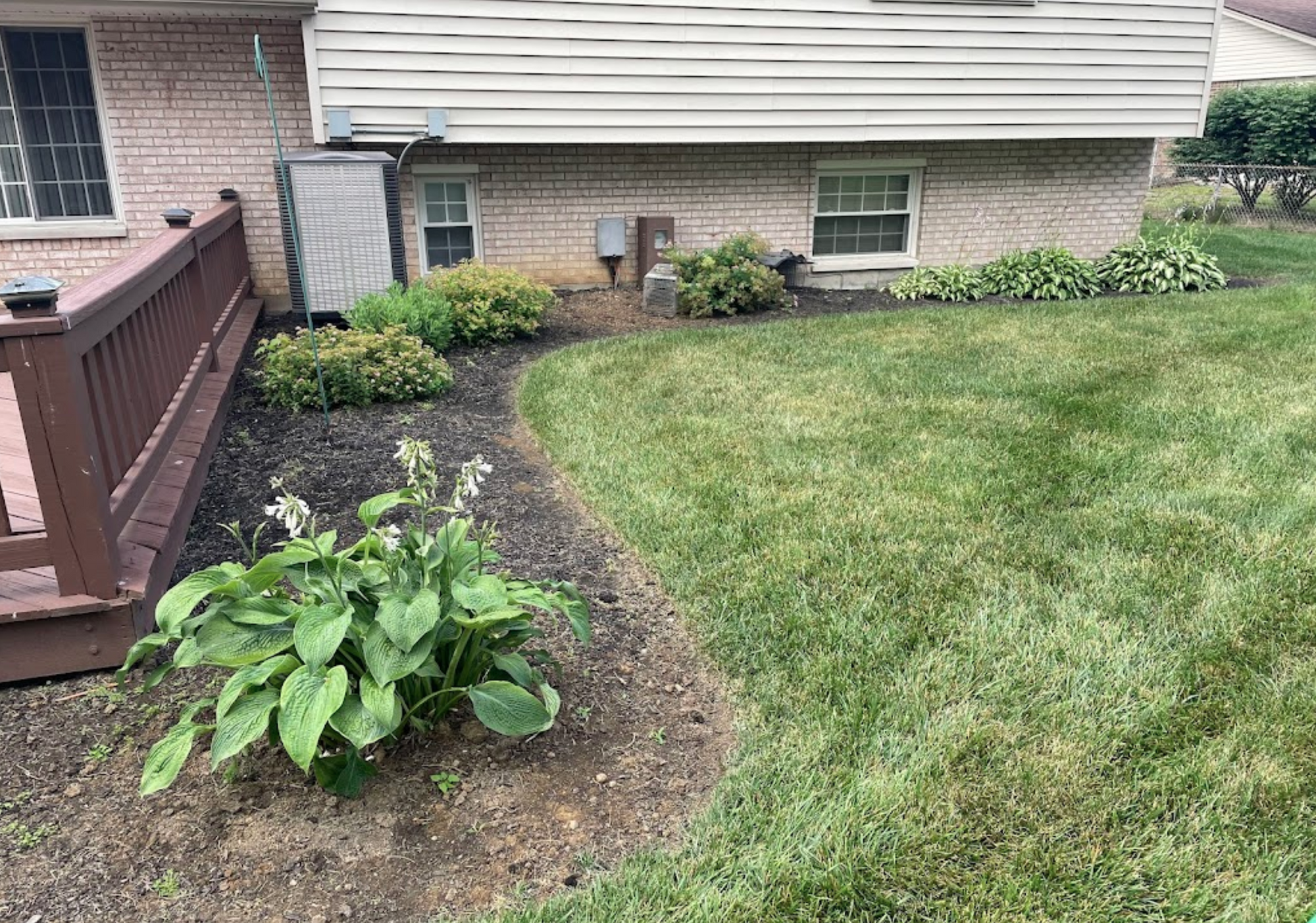
Mastic Beach's warm, humid summers accelerate the decomposition of any organic mulch, but natural hardwood mulch turns that breakdown into a benefit by adding organic matter to the sandy coastal soil over time. Dyed mulches use colorfast pigments that hold up reasonably well through the growing season but do not offer any soil-building benefit as they break down. For homeowners focused on improving their sandy soil's long-term health, natural mulch is the stronger choice, while dyed options are ideal when seasonal color and curb appeal are the priority.
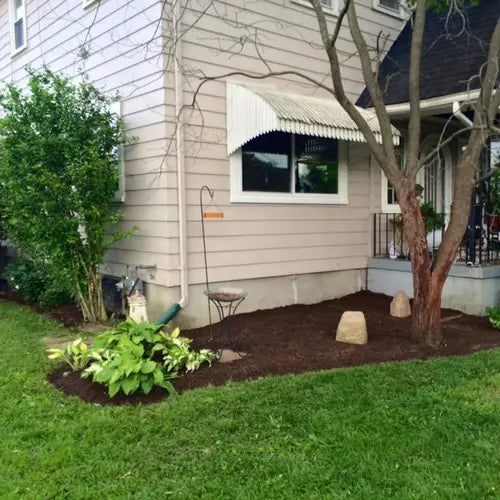
Before
After
Best Mulch Choice for Mastic Beach Lawns
Most yards in the Mastic Beach area sit on Sandy type of soil. Mastic Beach's sandy soil has very low organic matter content, which means it struggles to retain moisture and nutrients in plant beds, especially during the dry stretches of mid-summer. Adding mulch is one of the most effective ways to compensate for these limitations without replacing all of your existing soil.
Hardwood Mulch
Hardwood mulch is particularly valuable for Mastic Beach's sandy soil because as it decomposes, it releases humic acids and fine organic particles that bind with sand grains, gradually improving the soil's structure and water-holding capacity. Over several seasons of consistent mulching, you will notice that your beds retain moisture longer and require less supplemental watering than they did when the underlying soil was bare and unimproved.
Mulch Types We Deliver in Mastic Beach
Mulch Mound delivers bulk mulch by the cubic yard to homes and properties on Long Island's South Shore. For anyone searching for bulk mulch delivery in Mastic Beach, we carry a focused selection of popular varieties suited to the region's sandy soils and humid coastal summers. Order by the yard, choose your drop date, and we handle the rest.
Dyed Black Mulch
One of the most requested mulch types on Long Island, dyed black is available in double shredded or triple shredded styles. The bold, rich color holds through summer humidity and coastal rain, and the finer triple shredded option gives formal foundation beds a smooth, polished finish.
Dyed Brown Mulch
Warm brown suits the mix of traditional and coastal properties common on the South Shore. Available in double shredded or triple shredded, it spreads cleanly over sandy soil, holds color through humid summers, and gives beds a freshly tended appearance that lasts for weeks.
Natural Brown Mulch
The undyed option for homeowners who prefer an earthy, organic look that blends with Long Island's natural surroundings. Available in double shredded or triple shredded, natural brown works well in established garden beds and newer plantings where a soft, honest color complements the landscape.
Cedar Mulch
Aromatic cedar is a practical choice for beds near the foundation or around plantings where insect pressure is a concern through the warm months. Available in double shredded, it breaks down slowly, holds its pleasant fragrance, and the fine texture suits neat, tidy beds around coastal homes.
Complete Your Outdoor Mulch Project
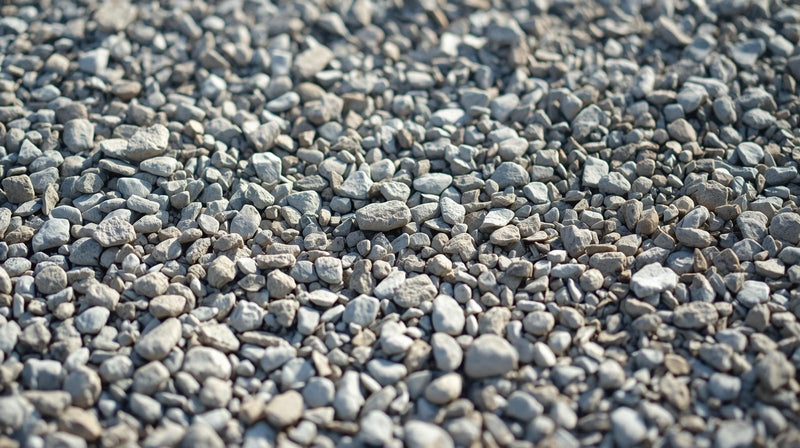
If your mulch is going over bare or nutrient-poor spots in Mastic Beach, consider adding a layer of our bulk garden soil first to give roots something rich to grow into. Our decorative stone is also a great partner for defining the edges of mulched beds and creating low-maintenance borders that hold up to the shifting sandy ground common in this area.
Mastic Beach's sandy soil loses nutrients quickly because water moves through it so fast, washing fertilizers and organic compounds below root depth before plants can use them. When you lay down fresh mulch each spring, mix a slow-release granular fertilizer into the top inch of soil first. As the mulch decomposes through the season, it adds a steady stream of organic matter that gradually improves your soil's nutrient-holding capacity year after year.
Mulch Mound Pro Tip
Timing your mulch application around Mastic Beach's last frost date of April 7 can make a real difference in early-season plant performance. If you mulch too early while the ground is still cold, you slow soil warming and delay root activity. Wait until the soil has warmed to at least 50 degrees Fahrenheit, usually within a week or two after the last frost clears, then apply your full 3 to 4 inch layer to lock in that warmth through the growing season.
Mulch Mound Pro Tip
With 47 inches of annual rainfall spread across Mastic Beach's seasons, storm events can wash lightweight mulch out of beds and into lawns or storm drains if beds are not properly edged. Before spreading mulch, install a physical border of stone, metal, or plastic edging to contain the material. Double-shredded hardwood mulch also knits together better than coarser chip styles, making it more resistant to washing out during the heavy spring and fall rain events common on Long Island.
Frequently Asked Questions
Click a question to see the answer
Answer
How thick should I apply mulch over my sandy Mastic Beach soil?
Because sandy soil drains so fast and dries out quickly, we recommend applying mulch at a depth of 3 to 4 inches in plant beds throughout Mastic Beach. That depth creates enough of a moisture barrier to slow evaporation significantly, which makes a real difference when the sandy ground heats up in July and August. Avoid piling mulch directly against plant stems or tree trunks.
Answer
Will mulch actually help my plants survive the dry spells between Mastic Beach rainstorms?
Yes, and it matters more here than in areas with heavier clay soils. Sandy soil in Mastic Beach holds very little water on its own, so when you go a week or two between rain events, unprotected beds can dry out down to root level. A 3 to 4 inch mulch layer can cut evaporation by half or more, keeping moisture in the ground where your plants need it.
Answer
When is the best time of year to put down fresh mulch in Mastic Beach?
Early spring, right after your last frost date of around April 7, is the ideal window. Spreading mulch at that point traps warming soil temperatures and gives you weed suppression right as the growing season kicks off. A second light refresh in late October, before the first frost around November 10, helps insulate root systems and slow soil cooling going into winter.
Answer
Does dyed mulch hold its color through Mastic Beach's wet and windy winters?
Dyed mulch holds color reasonably well through the fall, but Mastic Beach winters bring a combination of rain, coastal wind, and occasional snow that will fade any colored mulch by late February or March. If curb appeal through the colder months is a priority, a spring refresh is usually needed. Natural hardwood mulch fades to a neutral gray but often looks more consistent throughout the year in this climate.
Answer
How fast does mulch break down in Mastic Beach's sandy soil?
Mulch breaks down faster in Mastic Beach than in cooler, less humid climates. The warm, moist summers combined with sandy soil that allows good airflow around the mulch layer mean you can expect a standard hardwood mulch to decompose noticeably within one growing season. Plan on refreshing your beds every spring to maintain proper depth, and know that the decomposing mulch is adding organic matter to your sandy soil over time.
Answer
Can too much mulch cause problems in my Mastic Beach yard?
It can. Piling mulch more than 4 or 5 inches deep, especially in the already well-draining sandy soils common to Mastic Beach, can create an overly thick mat that actually repels water rather than retaining it. It can also create a moist environment that encourages fungal growth or harbors insects near plant crowns. Stick to 3 to 4 inches deep and pull the mulch a few inches away from tree trunks and shrub bases.
Answer
What type of mulch works best for the ornamental beds in my Mastic Beach front yard?
Double-shredded hardwood mulch is an excellent choice for ornamental beds in Mastic Beach. It breaks down into organic matter that slowly improves the sandy soil's ability to hold nutrients and moisture over time. If you want a cleaner, longer-lasting look for high-visibility areas, a dyed brown or black mulch holds its color through most of the growing season and gives beds a polished appearance from April through October.
The Unique Landscape of Mastic Beach
Mastic Beach's naturally sandy soil is one of the fastest-draining soil types on Long Island, meaning plant beds dry out quickly even after the area's 47 inches of annual rainfall. Without a thick layer of mulch, moisture evaporates from the top few inches of soil before roots can absorb it, stressing plants throughout the warm growing season. Mulch also acts as an insulating blanket that helps soil stay warmer in early spring, giving you a head start once the last frost clears around April 7. As temperatures climb through summer and the sandy ground heats up rapidly near the surface, a quality mulch cover keeps root zones cooler and more stable. In fall, mulch slows the rate at which sandy soil loses heat, extending productivity closer to the first frost on November 10.