




Delivery was smooth and on time!
The triple shredded mulch was great quality and just what we were looking for.
About this mulch
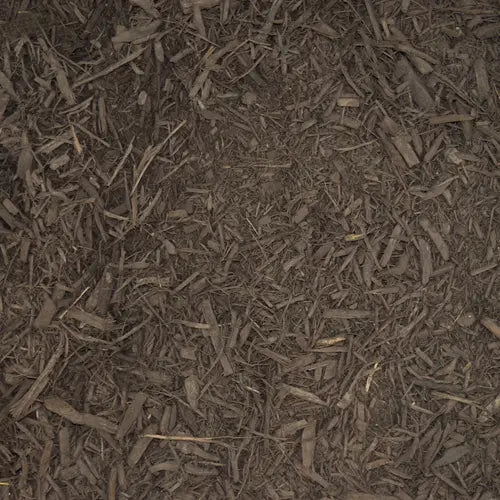
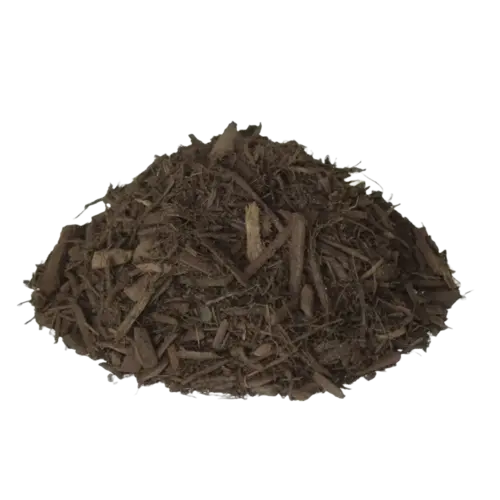
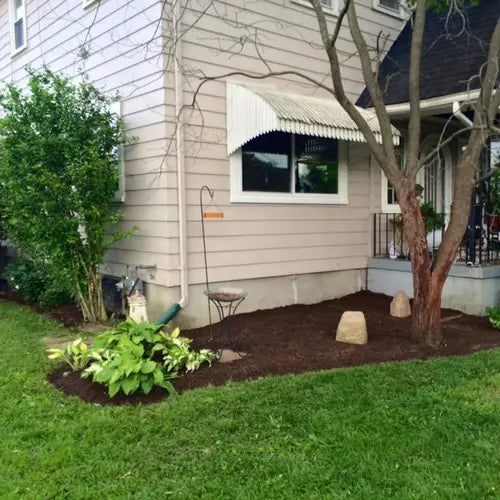
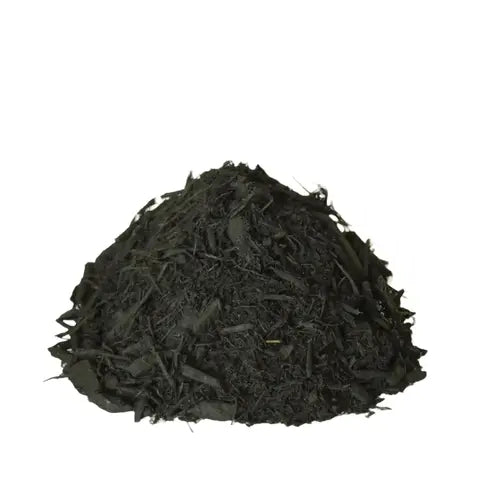
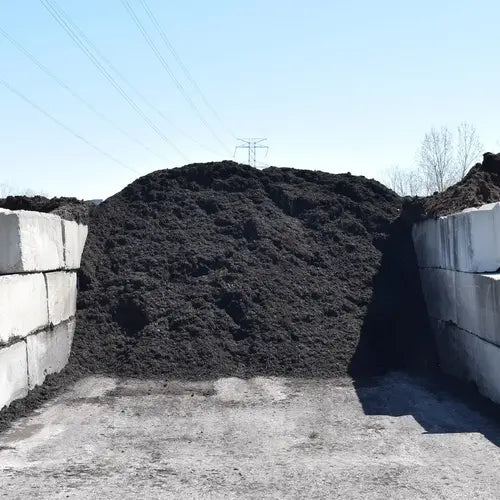
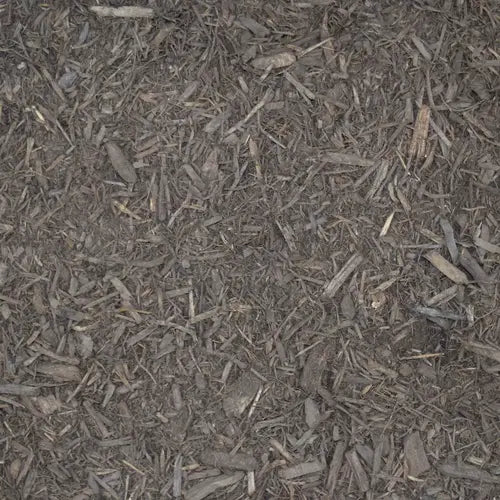
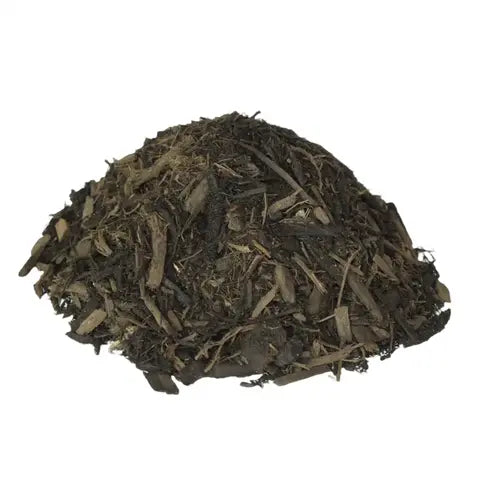
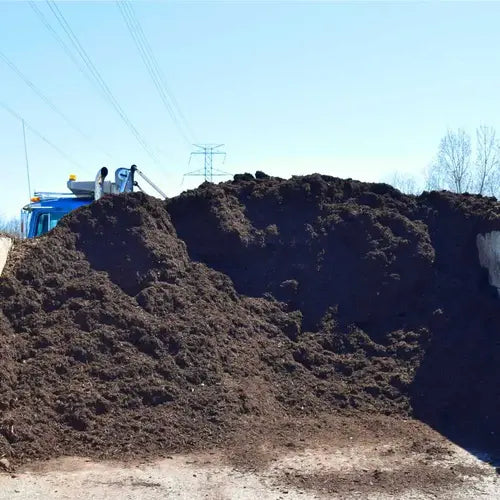
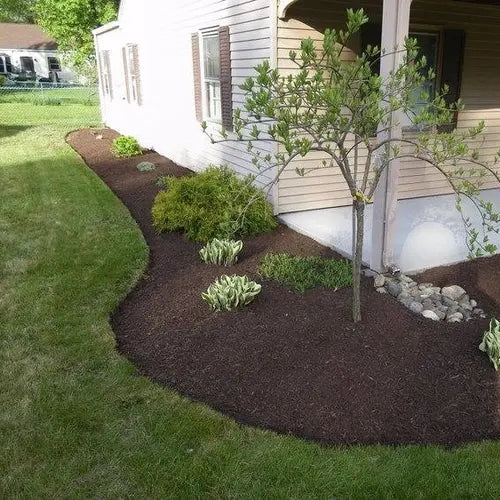
Warm brown double shredded mulch with lasting color that looks freshly applied for weeks. Spreads smooth, stays put, and gives beds a natural, polished appearance.
Delivery was smooth and on time!
The triple shredded mulch was great quality and just what we were looking for.
Tell us what you're looking for
Thanks! We received your request.
Something went wrong. Please try again.
How Much Material Do I Need?
How Much Material Do I Need?
A 3 to 4 inch depth is ideal for Midland's sandy caliche soil, providing enough insulation and moisture retention to meaningfully offset the region's low 14-inch annual rainfall without smothering plant roots.
Use our free mulch calculator
What is a yard?
What is a yard?
FAQs
FAQs
Midland Mulch Delivery
Midland Mulch Delivery
Regular price
$64.00
per
yard
Regular price
Sale price
$64.00
Unit price
per
Shipping calculated at checkout.
Minimum of 3 yard
Couldn't load pickup availability
Not currently available
We can't take orders for this right now. Tell us what you need and we'll get back to you.
Hand-picked local yards
4,000+ regional deliveries
Dedicated support
Why order through Mulch Mound
The best local mulch, without the guesswork.
We hand-pick and partner with the best yards in your region, keep only the ones our buyers rate well, and back each load with our guarantee.
Mulch Mound Guarantee
If your mulch isn't the quantity or quality you ordered, we'll make it right.
About this mulch
Warm brown double shredded mulch with lasting color that looks freshly applied for weeks. Spreads smooth, stays put, and gives beds a natural, polished appearance.
Delivery was smooth and on time!
The triple shredded mulch was great quality and just what we were looking for.
How Much Material Do I Need?
How Much Material Do I Need?
A 3 to 4 inch depth is ideal for Midland's sandy caliche soil, providing enough insulation and moisture retention to meaningfully offset the region's low 14-inch annual rainfall without smothering plant roots.
Use our free mulch calculator
What is a yard?
What is a yard?
FAQs
FAQs
Tell us what you're looking for
Thanks! We received your request.
Something went wrong. Please try again.
How It Works
Getting started is easy — just follow these simple steps
1
Choose your Mulch
Make sure you adjust the quantity to your home's needs. You can use our calculator to estimate how much you'll need.
2
Select your delivery date
Select a delivery date you'd like for the product to be dropped off at your home
3
Sit back and wait
Sit back, wait, and let us work our magic to make sure the highest quality product is delivered to your driveway.

Great experience with mulch mound. Their online calculator made it easy to estimate how many yards of mulch I needed and delivery was quick. I woul...
Read full review
Great experience with mulch mound. Their online calculator made it easy to estimate how many yards of mulch I needed and delivery was quick. I would definitely recommend them for your future projects.

We needed mulch for our HOA common areas. Local providers were all holding high prices even for 40 yards of mulch. Mulch mound was easy to wowith...
Read full review
We needed mulch for our HOA common areas. Local providers were all holding high prices even for 40 yards of mulch. Mulch mound was easy to wowith & has great price for natural mulch + delivery schedule options. They called before delivery to ensure Delivery was exactly where we wanted it.
Calculate mulch for your Midland project
For Midland's Sandy Caliche type of soil, we recommend 2-3 inches for best weed suppression and moisture retention
Try Our CalculatorMeasure the length and width of each bed area in feet and multiply them together to find your square footage. Midland's fast-draining sandy caliche soil calls for a 3 to 4 inch application depth, so divide your square footage by 81 for a 4-inch layer or by 108 for a 3-inch layer to get cubic yards needed. When in doubt, rounding up by half a yard accounts for the extra coverage that windy West Texas conditions can scatter during spreading.
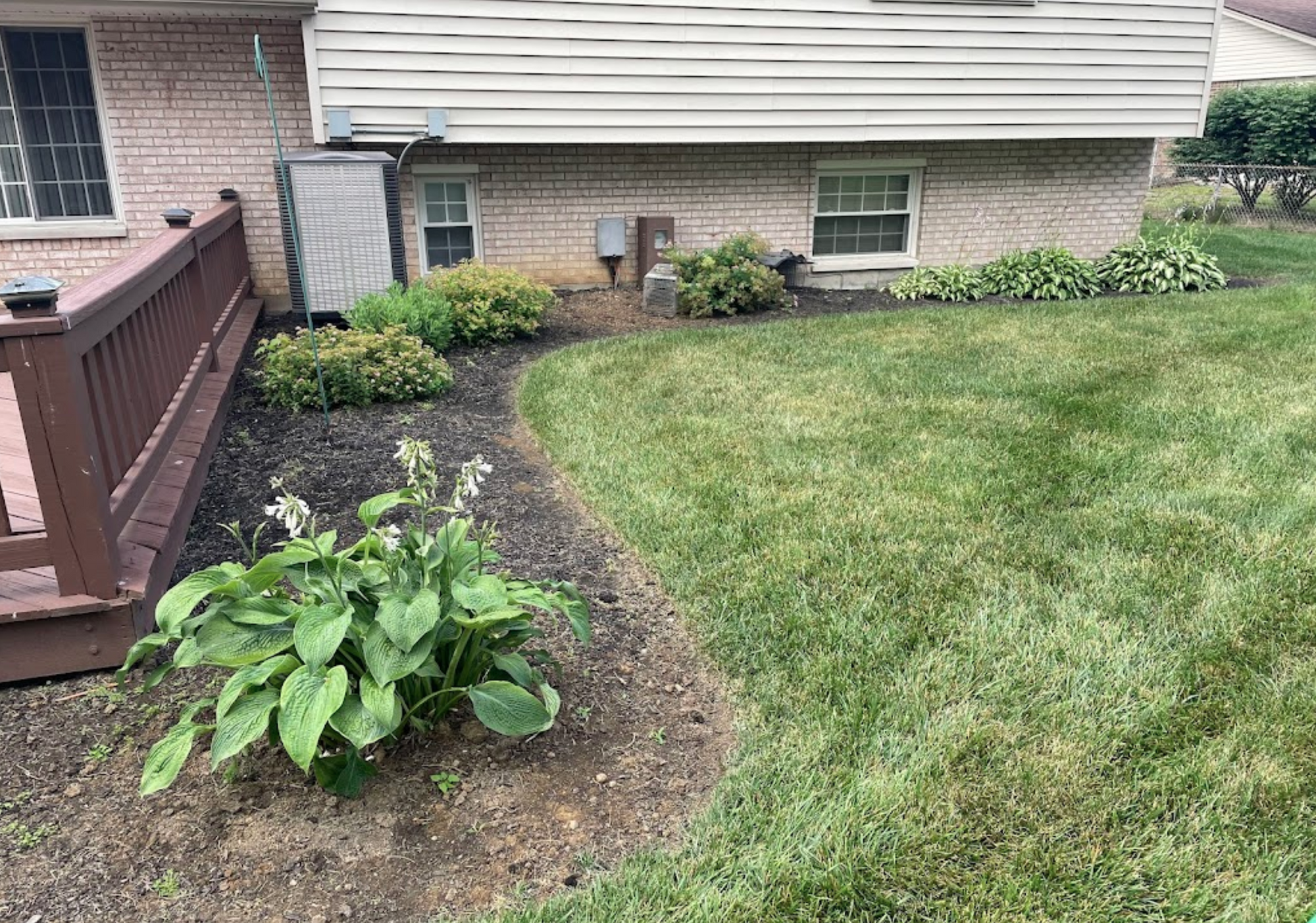

Best Mulch Choice for Midland Lawns
Most yards in the Midland area sit on Sandy Caliche type of soil. Midland's sandy caliche soil is notoriously low in organic matter and drains water so fast that plant roots in untreated beds struggle to access consistent moisture between irrigation cycles.
Hardwood Mulch
Hardwood mulch breaks down into humus that binds to sandy caliche-adjacent soil particles, improving moisture retention and cation exchange capacity so that fertilizers and rainfall are held longer where Midland plant roots can actually use them.
Mulch Types We Deliver in Midland
If you are searching for bulk mulch delivery in Midland, we bring fresh landscape materials by the cubic yard straight to your property. West Texas soil tends to be dry, alkaline, and sandy, and a good layer of mulch helps conserve moisture and moderate soil temperature through the long, hot summers. We carry dyed and natural options to suit any landscape style.
Dyed Black Mulch
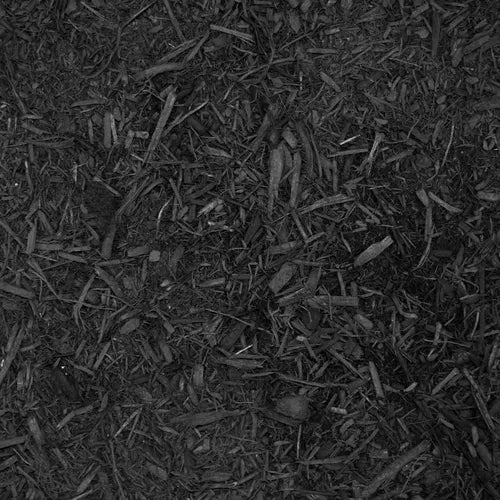
Available in double shredded style, this bold black mulch makes a sharp visual statement in West Texas landscapes where pale, sandy soil tends to dominate. The deep color holds well through intense sun and dry conditions, and the smooth texture spreads evenly over beds of any size or shape.
Dyed Brown Mulch
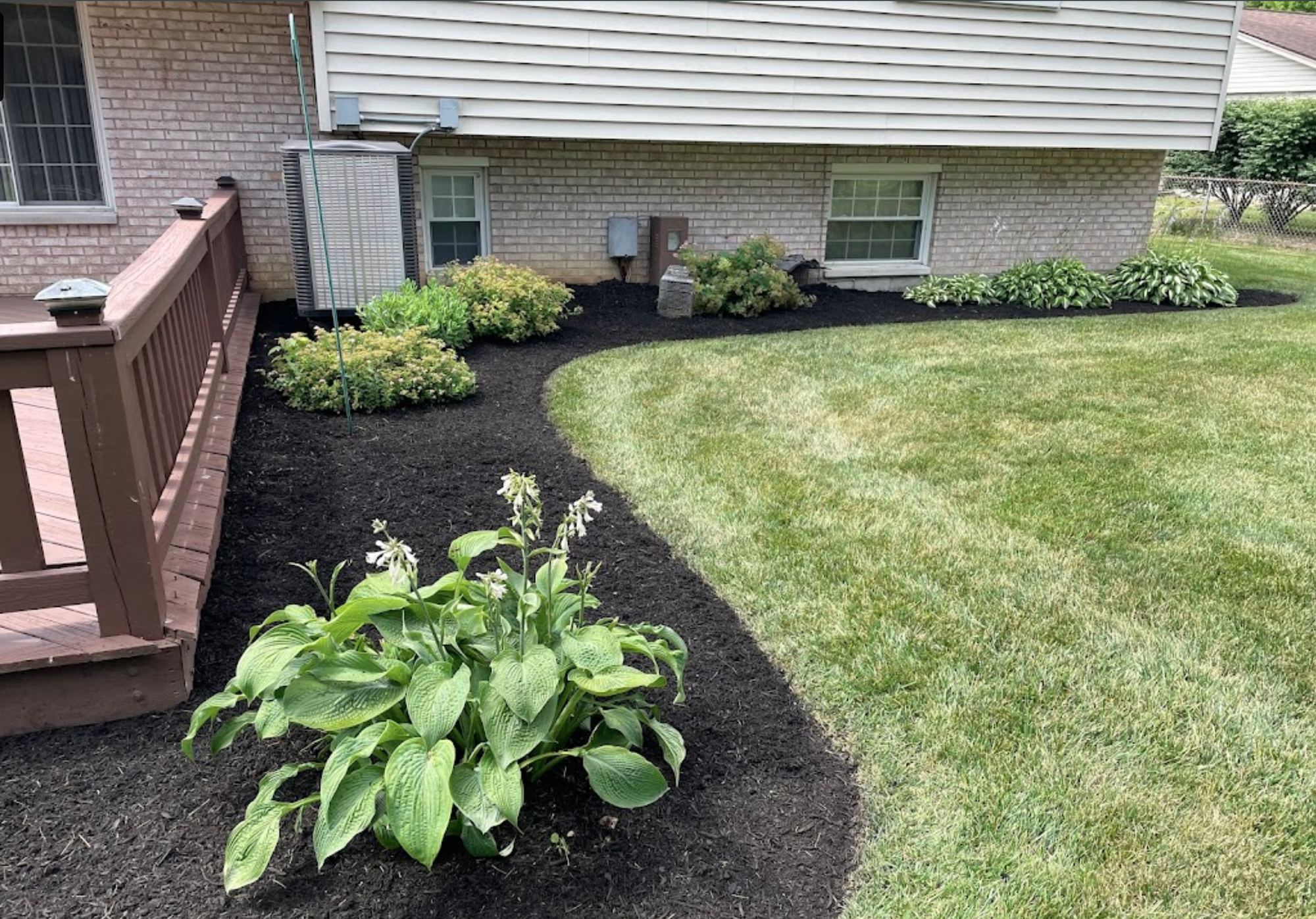
This warm brown double shredded mulch blends naturally with the earthy tones common in West Texas desert landscapes, giving beds a clean, refined look without appearing out of place. The color stays vibrant longer than uncolored wood, so your planting areas look freshly tended through the long, dry heat of a West Texas summer.
Natural Brown Mulch
A double shredded option for those who prefer an honest, unaltered look, this undyed mulch earns its warm brown color from the wood itself. It suits the natural, understated landscape style popular across West Texas and works to retain soil moisture in the region's dry, alkaline ground.
Complete Your Outdoor Mulch Project
Pair your mulch order with our bulk landscape soil to amend the thin sandy layer above Midland's caliche before you mulch, and consider decomposed granite or river rock from our stone selection for low-maintenance border edging that stands up to West Texas wind.


Mulch Mound Pro Tip
In Midland's alkaline caliche environment, hardwood mulch that decomposes over the season gradually lowers surface pH, which benefits acid-preferring plants like roses and crape myrtles. Apply a fresh layer each spring just after April 10 to ensure ongoing decomposition through the long West Texas growing season. Keep mulch about 2 inches away from plant stems to prevent crown rot in Midland's warm, dry summers where fungal issues can still arise in moist pockets near stems.
Mulch Mound Pro Tip
Wind is an underestimated mulch challenge in Midland. Light, dry mulch in shredded hardwood form can scatter across driveways and turf during strong West Texas gusts. Using a slightly heavier bark nugget mulch, or wetting the surface lightly after application, helps it knit together and resist wind displacement. Installing low border edging around beds also keeps bulk mulch from migrating into your lawn after dust storms roll through the Permian Basin.
Mulch Mound Pro Tip
With only 14 inches of rain per year, every drop that falls in Midland counts. Mulch acts as a sponge layer that slows runoff, giving rain time to soak into the sandy soil before it evaporates or washes away. Research shows that a 3-inch mulch layer can cut landscape water needs by 25 to 50 percent, which adds up significantly on a Midland water bill during the long dry stretches between storms. Spreading mulch before forecast rain events helps capture that moisture right from the start.
The Unique Landscape of Midland
Midland's sandy caliche soil drains so quickly that plant beds lose moisture within hours of watering, making mulch a critical defense against the arid West Texas sun. With only about 14 inches of rainfall per year and summer temperatures regularly climbing past 100 degrees, a proper mulch layer is the difference between thriving plants and stressed, drought-damaged beds. The caliche layer common beneath Midland topsoil restricts root penetration and worsens drainage issues, so mulch on top helps regulate the temperature swings that caliche soil amplifies. At 2,779 feet of elevation, wind is a constant factor that accelerates surface evaporation, and mulch acts as a physical barrier that holds soil moisture in place between watering sessions. Midland's short but real winter, with first frost arriving around November 15, also means mulch plays a role in insulating roots during cold snaps that can surprise gardeners in Zone 8a.