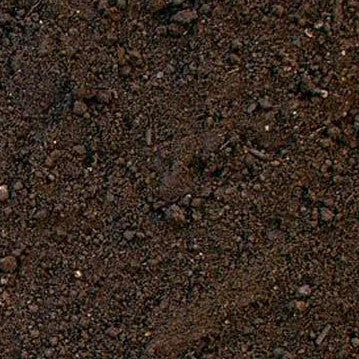
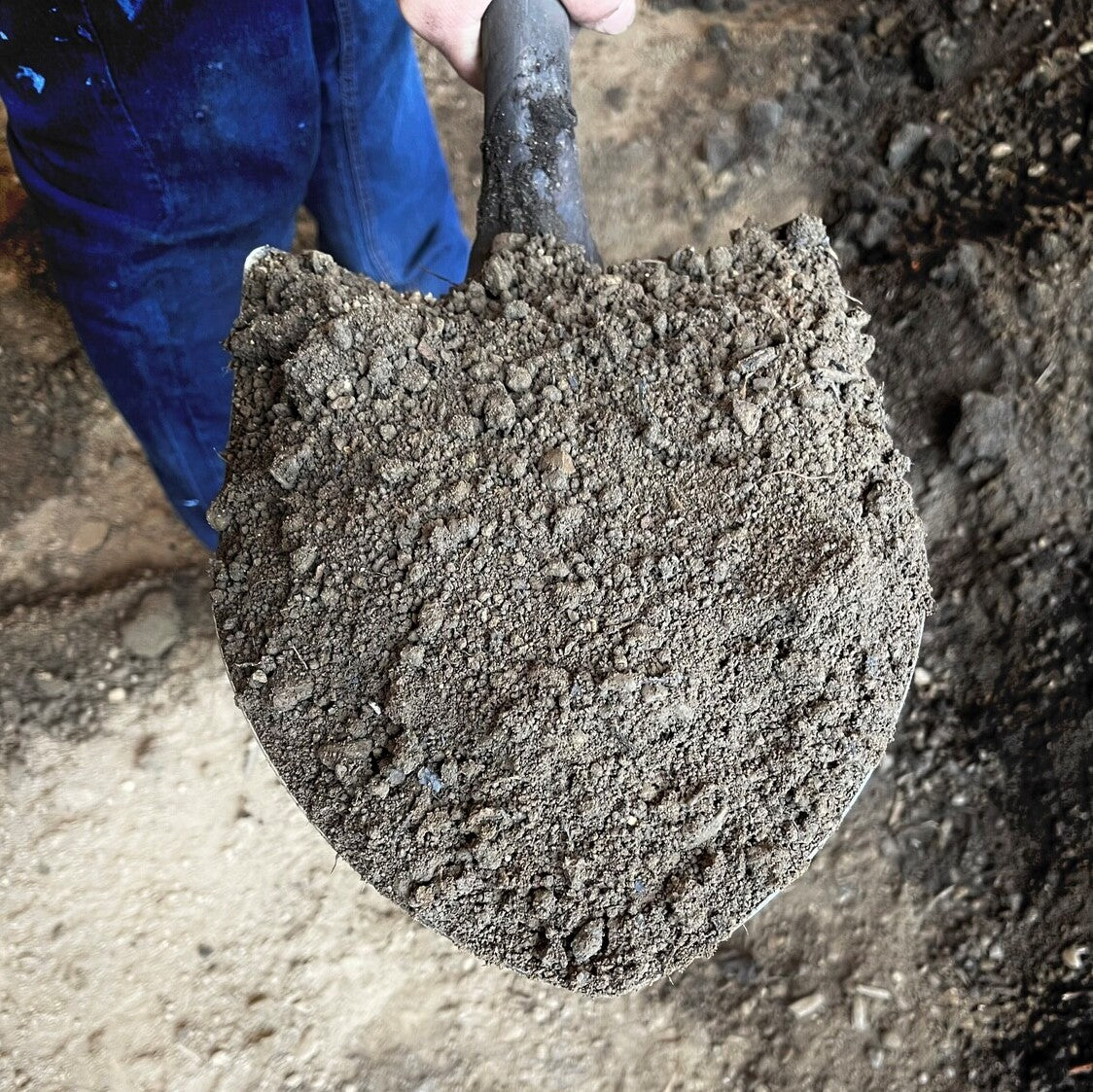
Quality topsoil for lawns, gardens, and landscape projects. Nutrient rich and ready to support strong root development and healthy plant establishment.
Great experience - not only was this the most affordable option for dirt delivery in Cleveland heights, but the delivery was fast and friendly. Got exactly what I needed and the truck got as close as possible to where I needed the dirt - even in my cramped driveway. Will be us...
Tell us what you're looking for
Thanks! We received your request.
Something went wrong. Please try again.
How Much Material Do I Need?
For lawn leveling in Midland, a 1 to 2 inch topdressing is usually sufficient for shallow grade corrections, while raised garden beds or planting areas set above caliche typically need 10 to 12 inches of quality soil to give roots a functional growing zone.
Use our free soil calculator
What is a yard?
A yard is approximately 27 cubic feet. As a general guideline, one yard of material can cover an area of about 100-160 square feet at a 2-3 inch depth.
We can't take orders for this right now. Tell us what you need and we'll get back to you.
What do you need?
Thanks! We received your request.
Something went wrong. Please try again.
Hand-picked local yards
4,000+ regional deliveries
Dedicated support
Why order through Mulch Mound
The best local soil, without the guesswork.
We hand-pick and partner with the best yards in your region, keep only the ones our buyers rate well, and back each load with our guarantee.
Mulch Mound Guarantee
If your soil isn't the quantity or quality you ordered, we'll make it right.
About this soil
Quality topsoil for lawns, gardens, and landscape projects. Nutrient rich and ready to support strong root development and healthy plant establishment.
Great experience - not only was this the most affordable option for dirt delivery in Cleveland heights, but the delivery was fast and friendly. Got exactly what I needed and the truck got as close as possible to where I needed the dirt - even in my cramped driveway. Will be us...
How Much Material Do I Need?
For lawn leveling in Midland, a 1 to 2 inch topdressing is usually sufficient for shallow grade corrections, while raised garden beds or planting areas set above caliche typically need 10 to 12 inches of quality soil to give roots a functional growing zone.
Use our free soil calculator
What is a yard?
A yard is approximately 27 cubic feet. As a general guideline, one yard of material can cover an area of about 100-160 square feet at a 2-3 inch depth.
Great experience - not only was this the most affordable option for dirt delivery in Cleveland heights, but the delivery was fast and friendly. Got...
Read full review
Great experience - not only was this the most affordable option for dirt delivery in Cleveland heights, but the delivery was fast and friendly. Got exactly what I needed and the truck got as close as possible to where I needed the dirt - even in my cramped driveway. Will be using again and recommending to my neighbors.
Measure the length, width, and desired depth of your project area in feet, then multiply all three numbers together and divide by 27 to convert cubic feet to cubic yards. Midland's caliche soil means you often need more depth than you might expect, so for garden beds plan on at least 10 to 12 inches of depth when calculating volume. Having a small surplus on hand is helpful because dry West Texas conditions cause soil to settle faster than in humid climates, and you may need to top off beds after the first few waterings.
Soil Types We Deliver in Midland
Midland's native caliche and sandy soils can make it tough to grow healthy lawns and gardens without bringing in quality material. We deliver bulk topsoil by the yard in Midland straight to your driveway or job site, measured and priced by the cubic yard. Whether you are building up a new planting bed, leveling a yard, or establishing fresh sod, we have the soil to get the job done right.
Screened Top Soil
A nutrient-rich topsoil that has been screened to remove rocks, clumps, and debris, leaving a clean and workable material. It is an excellent choice for lawns, raised beds, and landscape projects across West Texas properties where the native ground needs a healthy, fertile boost to support strong root development and plant establishment.
Complete Your Outdoor Soil Project
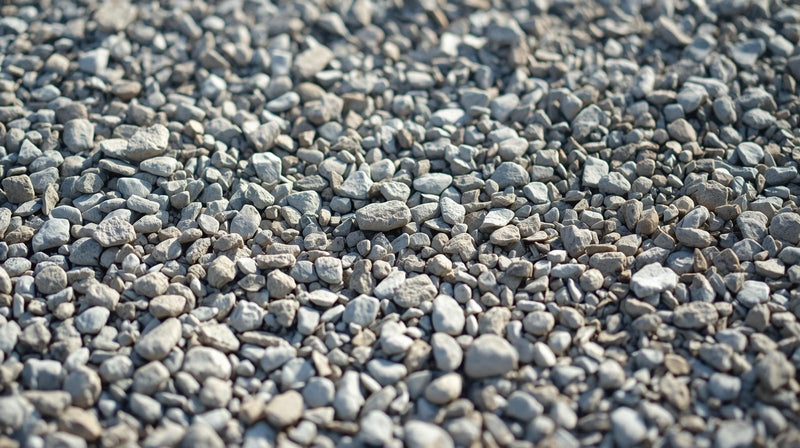
Top your new soil with a 3 to 4 inch layer of our bulk hardwood mulch to lock in moisture during Midland's long dry stretches, and use our flagstone or gravel options to create defined borders that prevent wind from eroding exposed soil edges.
Can I just till my native Midland caliche soil instead of bringing in new soil?
Tilling caliche is difficult and rarely fixes the core problem. Breaking up the hardpan can temporarily improve drainage, but caliche resets and recompacts quickly in Midland's dry alkaline conditions. Bringing in quality bulk soil to build above the caliche layer is a more lasting solution, giving roots a hospitable zone to grow without battling the calcium carbonate hardpan every season.
Answer
How deep should I add soil when building a garden bed in Midland?
For most vegetable gardens and flower beds in Midland, adding 8 to 12 inches of quality soil above the native caliche surface gives roots enough depth to establish and access nutrients before they encounter the restrictive hardpan. For raised bed boxes sitting on top of the caliche, 12 inches of depth is a comfortable minimum, especially for root vegetables like carrots and potatoes that need unobstructed downward space.
Answer
What makes bulk soil better than bagged soil for Midland projects?
Bulk soil is significantly more economical per cubic yard than bagged product, and for Midland projects where you may need to fill a raised bed frame, level a large lawn area, or amend multiple garden beds, the volume difference is substantial. Bulk orders also let you choose a soil blend suited to West Texas conditions, with appropriate drainage characteristics that work with Midland's rainfall patterns rather than against them.
Answer
When is the best time to lay new soil and seed in Midland?
In Midland, the best window for soil installation and seeding warm-season grasses like bermuda or buffalo grass is late April through May, after the last frost date of April 10 and before summer heat makes establishment difficult. For overseeding cool-season grass or planting cool-season vegetables, early October gives transplants time to root before the first frost around November 15.
Answer
How do I keep new soil from blowing away in Midland's wind?
Midland's strong West Texas winds can erode loose, dry soil before plants establish. After spreading new soil, lightly water the surface to create a thin crust that resists wind lift. Getting ground cover, sod, or mulch over the soil as quickly as possible after installation is the most effective way to anchor it. Temporary erosion blankets are also worth considering for larger bare-soil areas that will take several weeks to seed in.
Answer
Will adding soil help with the drainage problems my yard has after heavy rain?
It depends on the cause. If your drainage problem stems from the caliche layer creating a perched water table where runoff pools above the hardpan, adding soil alone will not resolve it. In that case, pairing new graded soil with French drains or strategic grading to direct water away from structures is the right approach for Midland properties. If your issue is low spots and uneven grade, topdressing with bulk soil and leveling can significantly reduce standing water after the rare but intense Midland thunderstorms.
Answer
Is topsoil or garden mix better for Midland raised beds?
For raised beds in Midland, a garden mix that combines topsoil with compost and perlite or sand is generally better than straight topsoil. The sandy caliche environment benefits from added organic matter that a good garden mix provides, and the extra drainage amendments prevent waterlogging during the infrequent but sometimes heavy rain events that hit the Permian Basin. Straight topsoil is better suited for lawn leveling and grading applications than for intensive planting beds.
Mulch Mound Pro Tip
In Midland's high-pH caliche environment, the soil you bring in can gradually become more alkaline over time through contact with the native caliche layer below. Mixing sulfur granules or compost into your new soil at installation helps buffer pH and keeps it in the range most vegetables and ornamentals prefer. Testing your soil pH each spring before planting gives you the data to make small corrections before they become big problems in your Zone 8a landscape.
Mulch Mound Pro Tip
When grading soil around your Midland home's foundation, always slope the soil away from the structure at a minimum of 6 inches over 10 feet. Midland's caliche subsoil does not absorb water quickly, so the rare but intense thunderstorms that roll through the Permian Basin can send runoff straight toward foundations if grading is flat or inward-sloping. Getting the grade right at installation saves significant structural repair costs down the road.
Mulch Mound Pro Tip
If you are installing raised beds in Midland, consider lining the bottom of the bed frame with a geotextile fabric before filling with soil. This prevents sodium and calcium from the caliche below from wicking upward into your new soil over time, which can raise pH and reduce fertility. The fabric still allows drainage while acting as a barrier, making it a smart extra step for Midland gardeners who want their raised beds to stay productive for many seasons without constant amendment.
The Unique Landscape of Midland
Midland's native sandy caliche soil presents one of the toughest starting points for any landscaping or gardening project in Texas. The caliche layer, a calcium carbonate hardpan common across the Permian Basin, blocks drainage, restricts root growth, and locks up nutrients in highly alkaline conditions that most ornamental plants and vegetables find inhospitable. With only 14 inches of annual rainfall, there is little natural leaching to improve soil quality over time, leaving Midland homeowners with a landscape foundation that actively works against plant health without deliberate intervention. Bulk landscape soil allows you to build quality growing beds above or around the caliche layer, giving roots a zone of nutrient-rich, well-structured material to colonize. Whether you are leveling a lawn damaged by West Texas wind erosion, prepping a raised vegetable bed, or grading around a new addition, quality bulk soil is the foundation that makes everything else in a Midland landscape work properly.