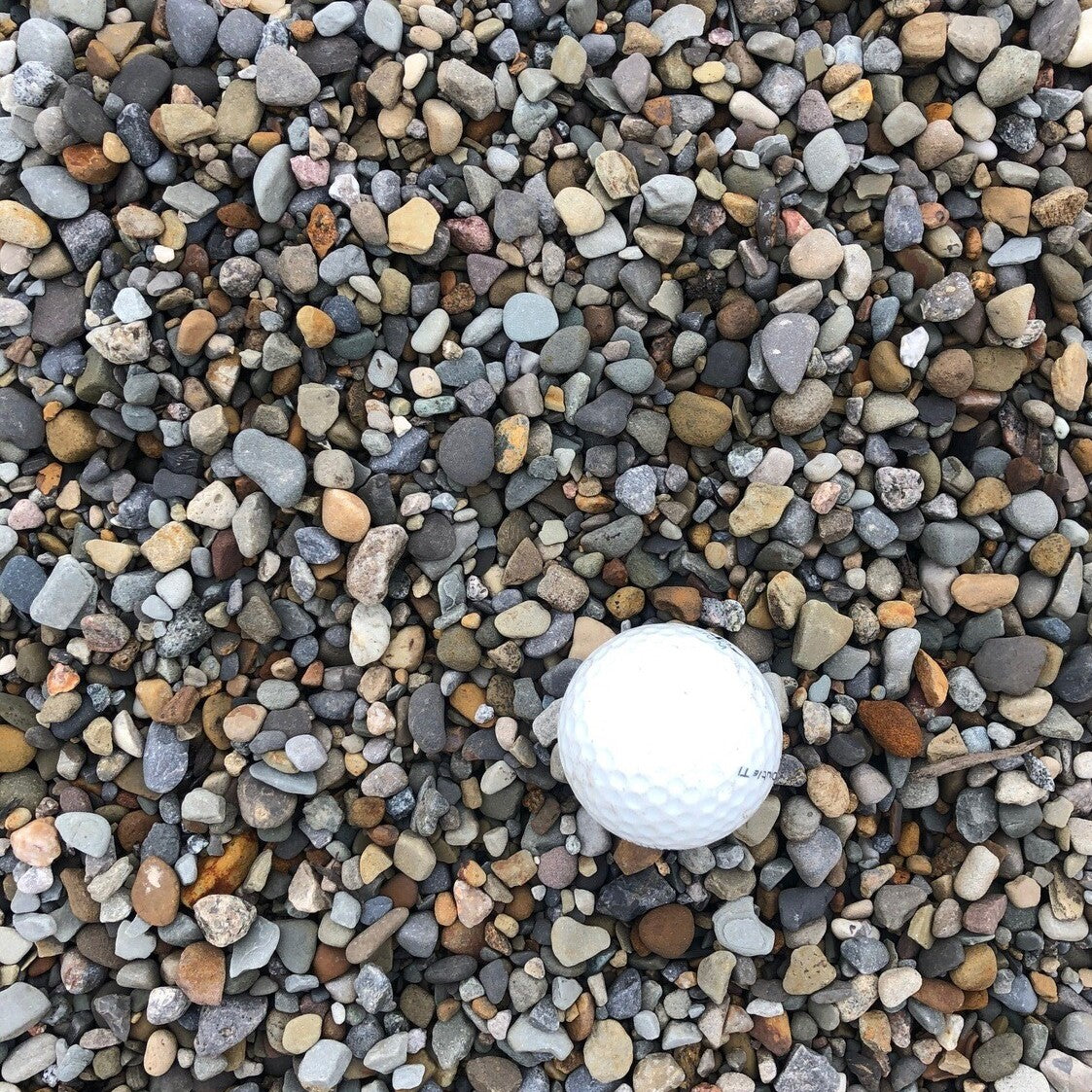
Classic pea gravel with smooth, rounded edges and natural earth tones. A versatile favorite for pathways, patios, drainage, and decorative ground cover.
Mulch Mound delivered a yard of pea gravel to us. Delivery was on time, driver was friendly and hit a bullseye on the “tarp target”. We used the pea gravel (which was diameter as specified) to fill several muskrat holes around our pond. I would definitely recommend Mulch Mo...
Classic pea gravel with smooth, rounded edges and natural earth tones. A versatile favorite for pathways, patios, drainage, and decorative ground cover.
Mulch Mound delivered a yard of pea gravel to us. Delivery was on time, driver was friendly and hit a bullseye on the “tarp target”. We used the pea gravel (which was diameter as specified) to fill several muskrat holes around our pond. I would definitely recommend Mulch Mo...
How Much Material Do I Need?
A 2 to 3 inch layer is standard for decorative beds and pathways in Midland, while drainage applications over caliche soil benefit from 4 to 6 inches of washed gravel to create effective flow channels that handle Midland's intense but infrequent storm events.
Use our free stone calculator
What is a yard?
A yard is approximately 27 cubic feet. As a general guideline, one yard of material can cover an area of about 100-160 square feet at a 2-3 inch depth.
Mulch Mound delivered a yard of pea gravel to us. Delivery was on time, driver was friendly and hit a bullseye on the “tarp target”. We used the ...
Read full review
Mulch Mound delivered a yard of pea gravel to us. Delivery was on time, driver was friendly and hit a bullseye on the “tarp target”. We used the pea gravel (which was diameter as specified) to fill several muskrat holes around our pond. I would definitely recommend Mulch Mound to a friend!
Placing an order online was so easy. Delivery was on time. When the driver realized we had a newly poured driveway they erred on the side of cautio...
Read full review
Placing an order online was so easy. Delivery was on time. When the driver realized we had a newly poured driveway they erred on the side of caution and opted not ti drive in it. The company even sent me a message explaining that call. Would recommend!
Measure your bed or pathway area in length and width to get total square footage, then multiply by your desired depth in inches and divide by 324 to get cubic yards of stone needed. For Midland's sandy caliche soil, 2 to 3 inches is a practical minimum depth since stone tends to settle into the sandy surface over time. When planning drainage trenches or dry creek beds in caliche-prone areas, plan on a deeper fill of 6 to 8 inches to maintain effective water flow after seasonal settling.
Complete Your Outdoor Stone Project
Combine your stone installation with bulk soil to build up grade before laying gravel beds, and use our hardwood mulch in shaded areas where stone would retain too much heat for Midland's sensitive plant roots during the intense summer months.
In Midland, stone beds surrounding drought-tolerant native plants are a smart xeriscape strategy, but the heat island effect of stone can stress plants if they are placed too close to reflective surfaces. When planting within gravel or decomposed granite beds, pull stone at least 6 inches back from plant stems and trunks. The space allows air circulation that reduces fungal problems during the rare humid periods and prevents stone-absorbed heat from scorching the crown of plants during Midland's peak summer months.
Mulch Mound Pro Tip
Decomposed granite compacts best when installed slightly damp, which helps the fine particles bind together into a firm walking surface. In Midland's dry climate, the native material is almost always too dry to compact properly straight from the pile. Lightly wet the surface after spreading each 2-inch lift and tamp it before adding the next layer. This extra step dramatically improves the stability of decomposed granite pathways and prevents the loose, shifting surface that frustrates many Midland homeowners who skip the compaction process.
Mulch Mound Pro Tip
Midland's rare but intense thunderstorms can send significant runoff across stone beds, especially when the caliche layer prevents absorption. To protect your stone installation from washout, install concrete or metal edging borders around gravel beds before filling. The edging keeps stone contained during heavy rain events and reduces the labor of raking gravel back into place after storms. River rock arranged in a deliberate dry creek bed pattern can also channel this runoff decoratively while protecting the rest of your landscape from erosion.
The Unique Landscape of Midland
In Midland's arid West Texas climate, stone landscaping is one of the most practical and visually lasting choices a homeowner can make. With only 14 inches of annual rainfall and constant wind, organic ground covers erode and light mulch blows around, while stone stays put year after year without replacement. Midland's caliche-heavy soil makes plant establishment challenging in full-sun areas, and stone xeriscaping in those zones eliminates the need to fight the native soil chemistry entirely. Gravel and rock pathways also solve a common Midland problem by keeping foot traffic areas from becoming muddy after the intense but infrequent thunderstorms that sweep through the Permian Basin. At 2,779 feet elevation with strong prevailing southwest winds, stone borders and beds provide a stable, low-maintenance landscape solution that endures Midland's temperature extremes from summer highs above 100 degrees to occasional hard winter freezes before November 15.
Frequently Asked Questions
Click a question to see the answer
Answer
What kind of gravel works best for a Midland backyard with poor drainage?
For drainage solutions in Midland's caliche-heavy soil, pea gravel and washed river rock are the most effective choices. The caliche layer creates a perched water table that causes pooling after storms, and a gravel-filled trench or dry creek bed running toward a lower point or street gives that trapped water an escape route. River rock in a dry creek bed also handles the flash runoff from Midland's intense but brief summer thunderstorms without eroding like bare soil would.
Answer
Will stone landscaping help lower my water bill in Midland?
Absolutely. Replacing high-water-use turf or thirsty plant beds with decomposed granite or gravel in Midland can dramatically reduce outdoor water consumption. In a city with 14 inches of annual rainfall and extremely high evaporation rates, irrigation for turf areas is a major household expense. Stone beds with drought-tolerant native plants like desert willow or yucca surrounded by gravel can cut landscape water use by 60 percent or more compared to traditional grass lawns.
Answer
How do I keep my gravel from mixing into the sandy caliche soil underneath?
Installing a quality woven geotextile landscape fabric under your stone is essential in Midland's sandy soil conditions. The fine sandy particles in Midland's native soil migrate upward into gravel beds over time through foot traffic and rainfall impact, which muddies the appearance and undermines drainage function. A properly installed fabric layer separates the stone cleanly from the soil below and will extend the life and appearance of your gravel installation significantly.
Answer
Is decomposed granite a good choice for pathways in Midland's heat?
Decomposed granite is one of the best pathway materials for Midland's climate. It compacts well underfoot, resists the freeze-thaw cycles that can heave harder surfaces during Midland's brief winter cold snaps, and blends naturally with the region's desert aesthetic. In full sun, decomposed granite does retain heat, so pathway areas adjacent to patios where bare feet will be common are better finished with flagstone or larger pavers that hold less heat per surface area.
Answer
How much stone do I need to cover my front yard beds in Midland?
For a 2 to 3 inch coverage depth, which is standard for decorative stone beds in Midland, measure the total square footage of your bed areas and divide by 100 to estimate cubic yards needed. A typical Midland front yard bed of 250 square feet needs roughly 2.5 cubic yards for a 3-inch application. It is worth ordering a bit extra since stone settles into Midland's sandy soil surface over the first season and may need a light top-dressing to maintain depth.
Answer
Will stone borders help protect my foundation in Midland's shifting caliche soil?
Stone borders around a Midland foundation serve an important function beyond aesthetics. They prevent irrigation water from pooling against the foundation, which is critical because Midland's caliche layer can cause water to sit near the structure rather than draining away. A 2 to 3 foot gravel border sloped away from the house also discourages pest entry and reduces weed pressure without the watering demands of a planted foundation border in our dry climate.
Answer
What stone looks best with the desert landscape style common in Midland?
Decomposed granite in buff or tan tones, native limestone boulders, and mixed river rock in earth tones all complement Midland's natural Permian Basin palette beautifully. These materials echo the colors of the native caliche and sandy soil, creating a cohesive look that feels intentional rather than placed. White marble chips and bright colored stones tend to look out of place in Midland's landscape and can create harsh glare under the intense West Texas sun, so warm neutral tones are the better design choice for most properties.




 +2
+2



