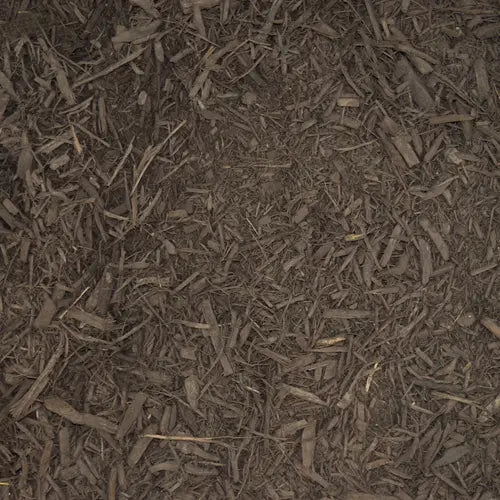
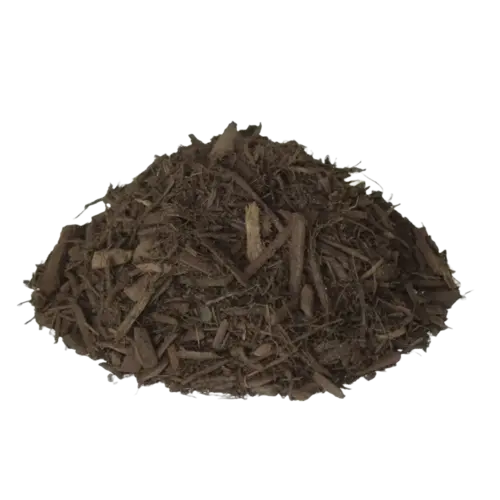
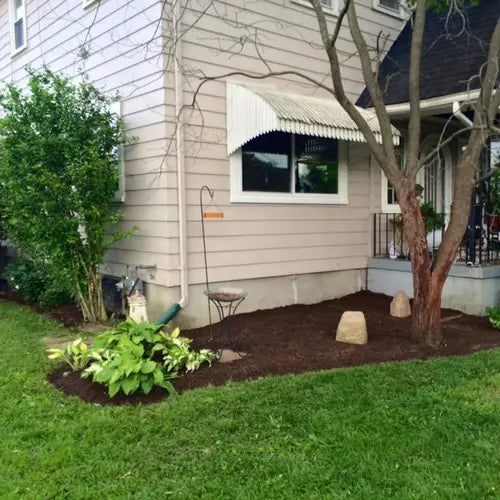
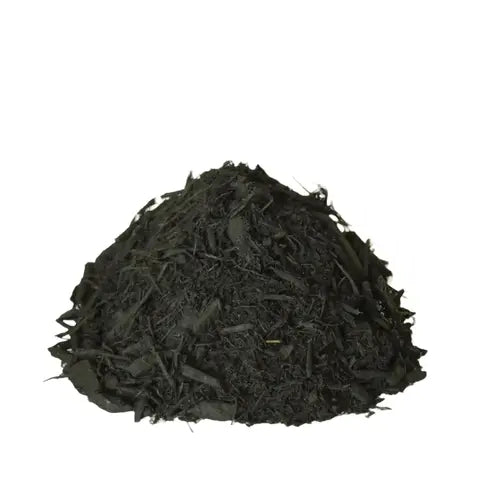
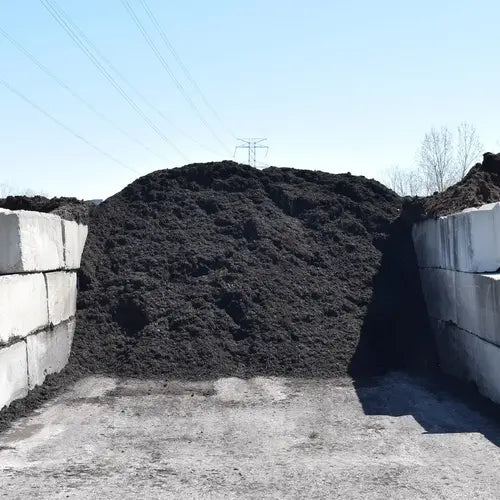
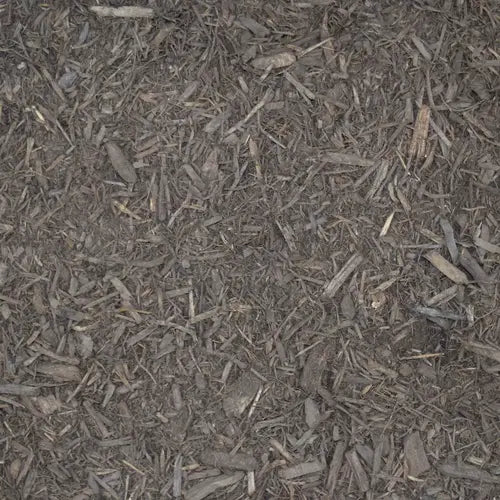
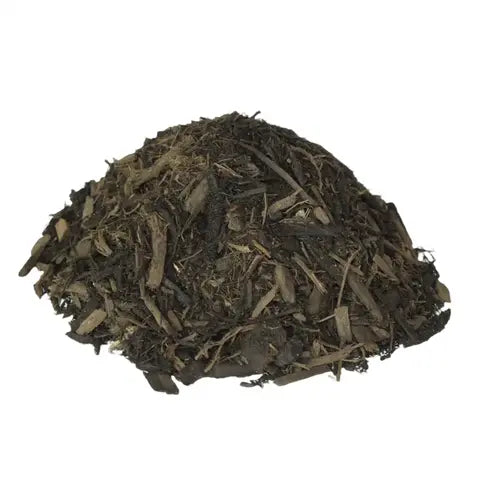
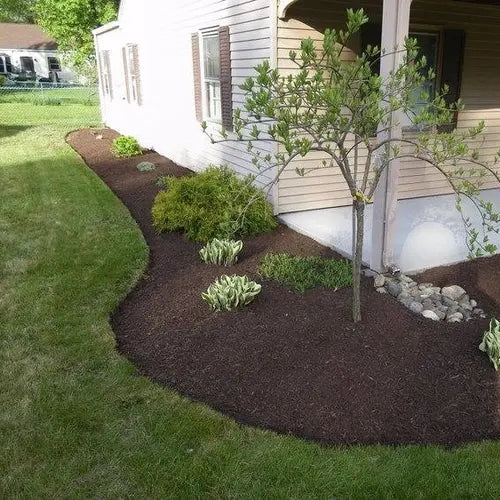
Warm brown double shredded mulch with lasting color that looks freshly applied for weeks. Spreads smooth, stays put, and gives beds a natural, polished appearance.
Good quality, great price, fast delivery. All online - no submitting forms and waiting for days for quotes. Getting mulch should be this easy from everyone. Only Mulch Mound is ACTUALLY this simple.
Tell us what you're looking for
Thanks! We received your request.
Something went wrong. Please try again.
How Much Material Do I Need?
For most Miller Place planting beds over sandy loam soil, a three-inch depth is the practical minimum for weed suppression and moisture retention. Thin applications disappear faster here than they would in heavier soils, so erring toward the higher end of the recommended range pays off over the full growing season.
Use our free mulch calculator
What is a yard?
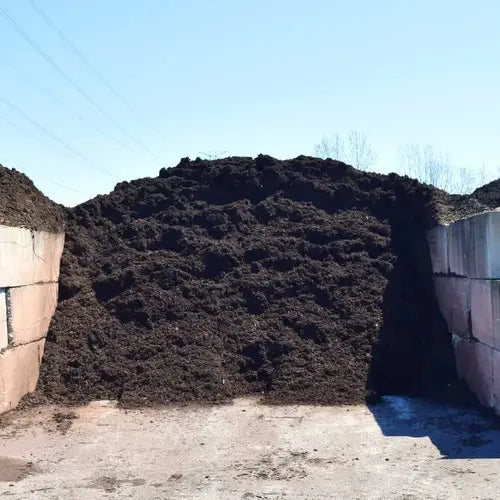
A yard is approximately 27 cubic feet. As a general guideline, one yard of material can cover an area of about 100-160 square feet at a 2-3 inch depth.
We can't take orders for this right now. Tell us what you need and we'll get back to you.
What do you need?
Thanks! We received your request.
Something went wrong. Please try again.
Hand-picked local yards
4,000+ regional deliveries
Dedicated support
Why order through Mulch Mound
The best local mulch, without the guesswork.
We hand-pick and partner with the best yards in your region, keep only the ones our buyers rate well, and back each load with our guarantee.
Mulch Mound Guarantee
If your mulch isn't the quantity or quality you ordered, we'll make it right.
About this mulch
Warm brown double shredded mulch with lasting color that looks freshly applied for weeks. Spreads smooth, stays put, and gives beds a natural, polished appearance.
Good quality, great price, fast delivery. All online - no submitting forms and waiting for days for quotes. Getting mulch should be this easy from everyone. Only Mulch Mound is ACTUALLY this simple.
How Much Material Do I Need?
For most Miller Place planting beds over sandy loam soil, a three-inch depth is the practical minimum for weed suppression and moisture retention. Thin applications disappear faster here than they would in heavier soils, so erring toward the higher end of the recommended range pays off over the full growing season.
Use our free mulch calculator
What is a yard?
A yard is approximately 27 cubic feet. As a general guideline, one yard of material can cover an area of about 100-160 square feet at a 2-3 inch depth.
Good quality, great price, fast delivery. All online - no submitting forms and waiting for days for quotes. Getting mulch should be this easy fr...
Read full review
Good quality, great price, fast delivery. All online - no submitting forms and waiting for days for quotes. Getting mulch should be this easy from everyone. Only Mulch Mound is ACTUALLY this simple.
I highly recommend Mulch Mound. The quality of the mulch is very good. The ordering system on their website makes it very easy. The delivery driver...
Read full review
I highly recommend Mulch Mound. The quality of the mulch is very good. The ordering system on their website makes it very easy. The delivery driver did a great job placing the mulch on the driveway. To finish off, the pricing was very reasonable as well.
They offered a quick turnaround and delivered high quality mulch at a reasonable price. They also dropped it off exactly where I told them to put i...
Read full review
They offered a quick turnaround and delivered high quality mulch at a reasonable price. They also dropped it off exactly where I told them to put it. Good service!
Start by measuring the length and width of each bed in feet and multiplying those numbers to get square footage. Because Miller Place's sandy loam compresses less than clay soils, plan for a full three-inch depth to get meaningful moisture retention, and use the standard formula of dividing total square footage by 108 to find cubic yards needed at that depth. Adding ten percent to your estimate accounts for settling and any thin spots you discover while spreading.
Mulch vs. No Mulch: The Difference
Miller Place's combination of full sun exposure in most yards and a long zone 7b growing season means mulch is exposed to UV light and rain for seven or more months out of the year. Natural wood mulches break down steadily under these conditions, adding organic material to sandy loam soil with each passing season. Dyed mulches use a colorfast pigment that slows visible fading but breaks down at a similar rate underneath, so the soil benefit is roughly the same while the color advantage lasts through one season of Long Island sun and rain.
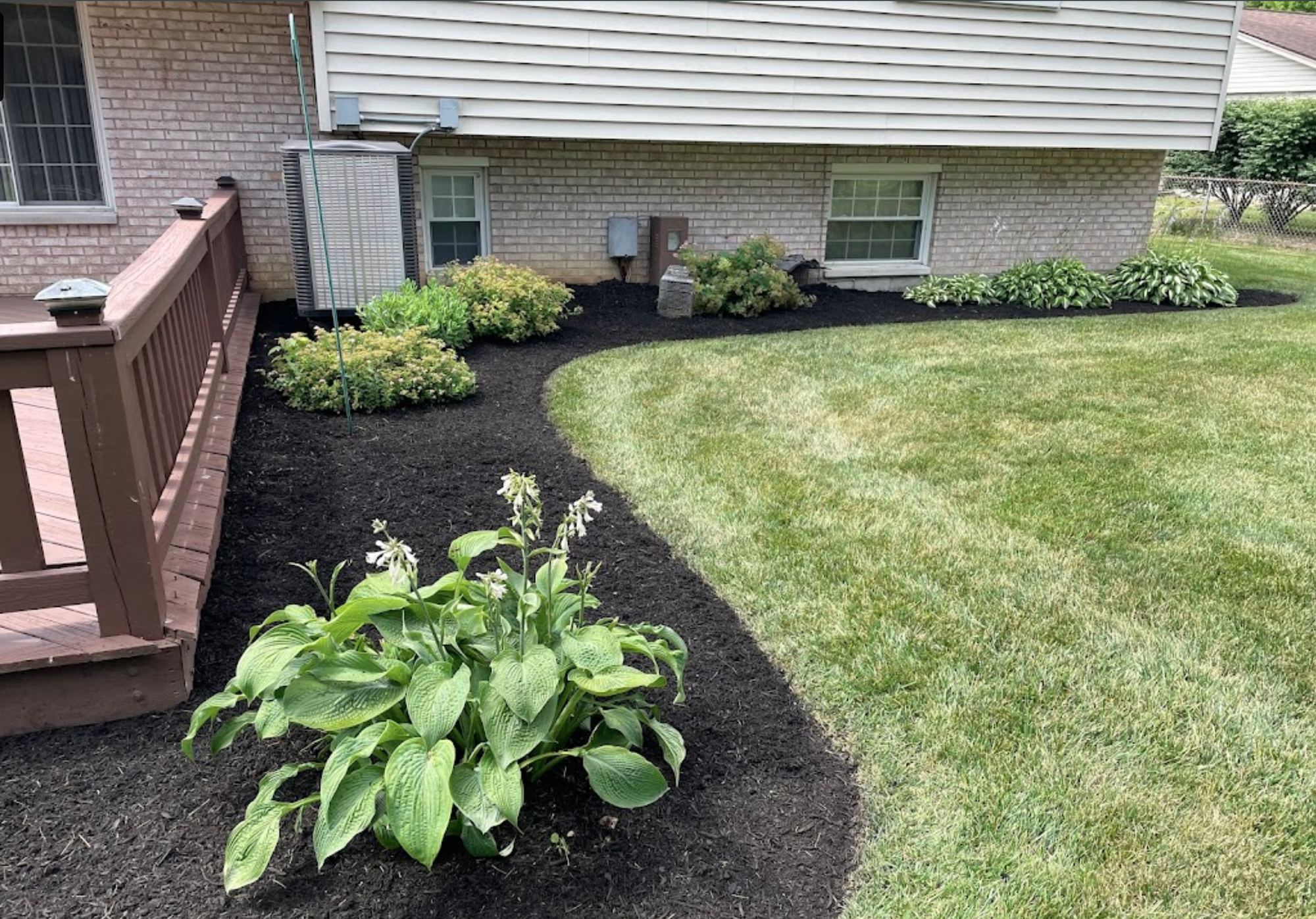
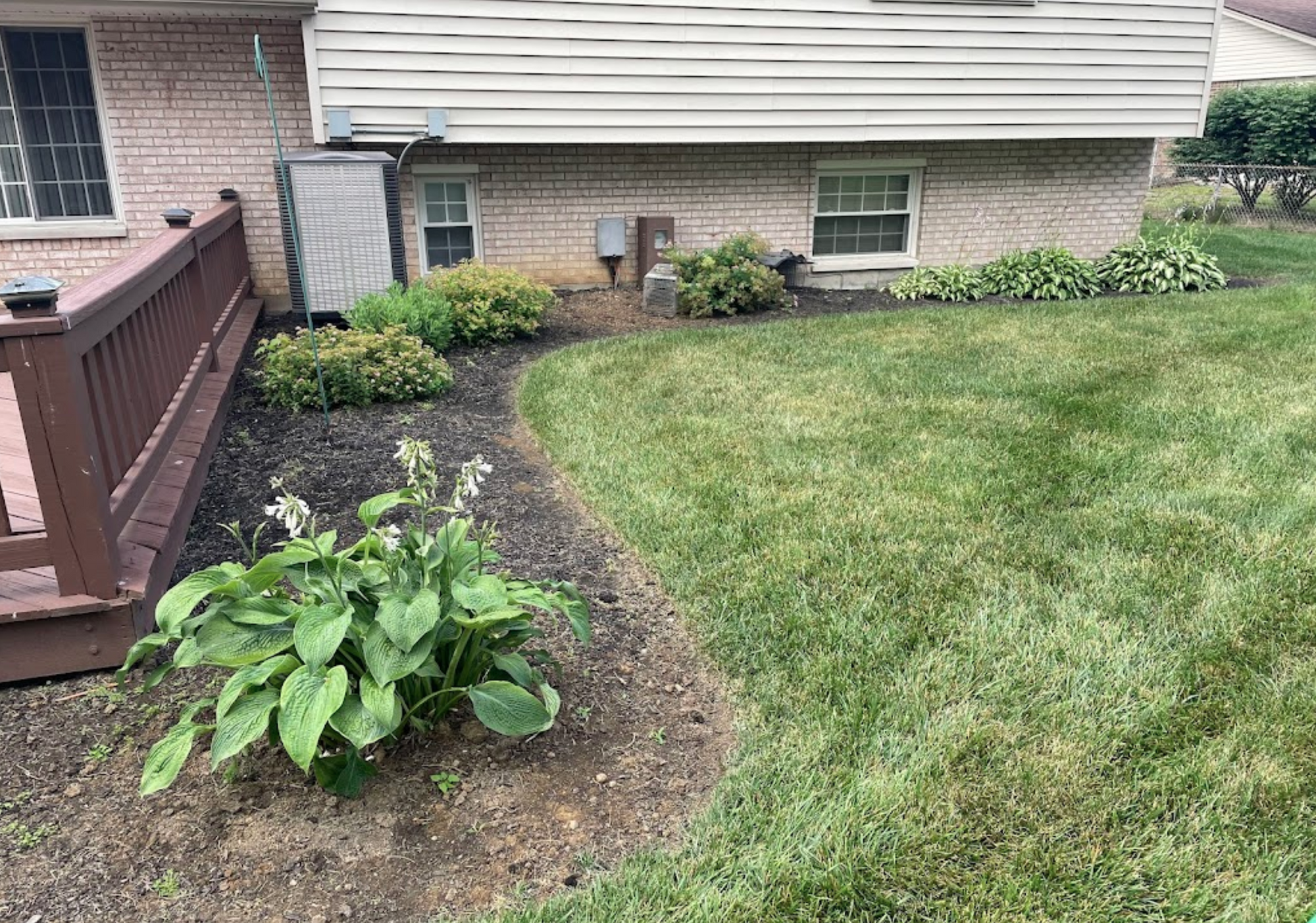
Before
After
Best Mulch Choice for Miller Place Lawns
Most yards in the Miller Place area sit on Sandy Loam type of soil. Sandy loam soil in Miller Place has low natural organic matter content, which means plant beds can look and perform better with mulch that actively improves the soil as it decomposes. Fine-textured hardwood mulches break down more completely than large nuggets and deliver more usable organic matter per season.
Hardwood Mulch
Hardwood mulch is a particularly strong fit for Miller Place's sandy loam because it decomposes into a fine organic layer that binds to sand particles and improves moisture retention from the ground up. Over two or three seasons of consistent hardwood mulch applications, homeowners often notice their beds holding water noticeably longer after rain, reducing the need for supplemental irrigation during dry summer spells.
Mulch Types We Deliver in Miller Place
Mulch Mound delivers bulk mulch by the cubic yard to homes and properties on Long Island's North Shore. If you are searching for bulk mulch delivery in Miller Place, we carry dyed and natural options to fit any yard and budget. Sandy soils and warm summers here make a fresh layer of mulch essential for holding moisture and keeping your beds looking their best.
Dyed Black Mulch
Bold black color creates sharp contrast against green plantings and light stone, making this a top pick for homeowners focused on curb appeal. Available in double shredded and triple shredded styles, it holds its color through hot Long Island summers and spreads with an even, clean finish.
Dyed Brown Mulch
A warm color that blends well with the traditional home styles found throughout this part of Suffolk County. Choose double shredded for a fine, polished texture or triple shredded for an even smoother spread. The dye holds its rich tone for weeks, even under full Long Island sun.
Natural Brown Mulch
An undyed option that lets the natural wood color speak for itself, with a warm earthy tone and clean texture. Available in double shredded and triple shredded styles, it works well around trees, foundation beds, and mixed plantings common in yards throughout this area.
Complete Your Outdoor Mulch Project
If your beds need a nutrient boost before mulching, pairing your delivery with a load of premium garden soil gives sandy loam the organic foundation it is missing. Stone borders and edging gravel also work well alongside mulch in Miller Place landscapes, creating clean transitions that keep mulch in place during heavy rain events.
Pull existing mulch back from plant stems and tree trunks before adding a fresh layer. Sandy loam already drains well at the root zone, but piling mulch directly against bark traps moisture against the wood and invites rot and fungal issues. Keeping a two-inch gap around any woody stem protects plant health while still delivering full weed and moisture benefits across the rest of the bed surface.
Mulch Mound Pro Tip
Time your mulch application to line up with the end of spring weeding, right around the last frost date of April 7 when soil is workable but not yet warm enough for weed seeds to mass-germinate. Covering clean soil just before the main germination flush is the most effective way to suppress weeds without relying on herbicides. This approach takes advantage of Miller Place's relatively short window between frost-free soil and the arrival of serious summer weed pressure.
Mulch Mound Pro Tip
Miller Place receives about 47 inches of rainfall annually, which sounds like plenty but moves through sandy loam quickly during dry stretches. Applying mulch in late spring locks in the soil moisture that builds up during April and May rains, stretching that moisture deep into July without extra irrigation. Watch for thin or bare patches in mid-summer and spot-fill them before the hottest weeks arrive to protect roots when sandy soil dries fastest.
Frequently Asked Questions
Click a question to see the answer
Answer
How thick should I apply mulch over my sandy loam beds in Miller Place?
A three-inch layer is the sweet spot for most Miller Place beds. Sandy loam drains so efficiently that a thinner layer evaporates too quickly to offer meaningful moisture protection, but going beyond four inches can prevent rain from reaching roots altogether. Aim for two to three inches around shallow-rooted annuals and a firm three inches around shrubs and perennials.
Answer
Will mulch actually help with the fast drainage I notice in my sandy soil?
Yes, it makes a noticeable difference. Mulch acts as a physical barrier that slows evaporation from the soil surface, buying time for roots to absorb water that would otherwise drain away quickly through sandy loam. Over several seasons, decomposing organic mulch also adds humus to the soil, which gradually improves its ability to hold moisture on its own.
Answer
When is the best time to lay fresh mulch given Miller Place's frost dates?
The ideal window is right after the last frost passes around April 7, once the soil has had a chance to warm up slightly. Mulching too early in spring traps cold in the ground and slows plant emergence. A second light refresh in late October, a few weeks before the first frost around November 15, helps insulate roots through the winter months.
Answer
Does the 47 inches of annual rainfall here affect how often I need to re-mulch?
It does play a role. Miller Place gets enough rain to accelerate the decomposition of organic mulch, especially during warm, wet stretches in spring and early summer. Most homeowners find they need to top off beds every season, adding about an inch of fresh material once the old layer has broken down and thinned out. A higher rainfall year means checking your depth a little earlier than usual.
Answer
Will colored or dyed mulch hold its color well through Long Island summers?
Dyed mulch typically holds color for one full season with normal sun and rain exposure. Miller Place gets consistent summer sun and occasional heavy downpours that can fade color faster along edges and on slopes where runoff is heavier. If curb appeal is the priority, a dark brown or black dyed mulch tends to look fresh longer than lighter shades under local conditions.
Answer
How do I stop mulch from washing downhill during heavy spring storms?
Slope is the main factor. On any grade steeper than a gentle rise, shredded hardwood or bark nuggets that interlock work better than fine-textured mulches that flow freely with water. Installing a simple edging border at the low end of beds also catches material before it reaches the lawn or pavement. Miller Place's spring rain events can be intense, so these small steps prevent repeated re-spreading.
Answer
Can I use mulch to protect tender plants from the first frost around November 15?
Absolutely. Piling mulch a few inches deep around the base of borderline-hardy perennials and shrubs before the first frost date acts as insulation that keeps soil temperatures from swinging dramatically. Zone 7b winters are generally moderate, but late November cold snaps can catch unprotected root zones off guard. Just pull the extra mulch back slightly in spring once soil temps start climbing after April 7.
The Unique Landscape of Miller Place
Miller Place sits on sandy loam soil that drains rainfall quickly, leaving plant beds surprisingly dry within a day or two of even a heavy storm. The area receives about 47 inches of rain per year, but that moisture moves through sandy loam fast enough that shallow-rooted plants suffer during dry spells in July and August. Zone 7b gives Miller Place a generous growing season running from the last frost around April 7 all the way to the first frost near November 15, which means weeds have a long runway to take hold in uncovered beds. Organic mulch addresses all of these challenges at once by slowing moisture loss, suppressing weed germination, and gradually adding organic matter to a soil type that is naturally low in it. Sandy soils also heat and cool more rapidly than denser soils, and a proper mulch layer moderates those temperature swings to protect root systems through both late spring cold snaps and summer heat.