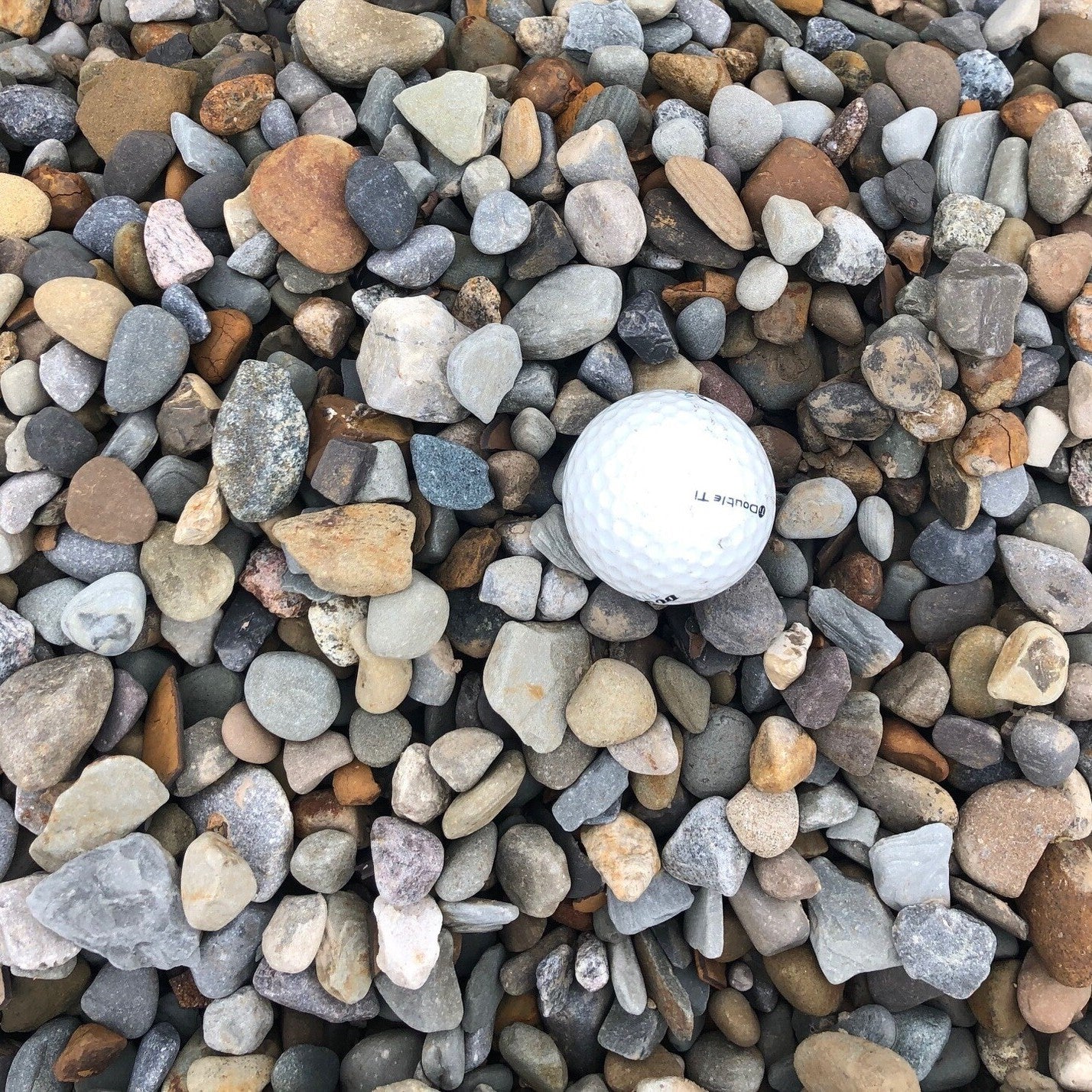
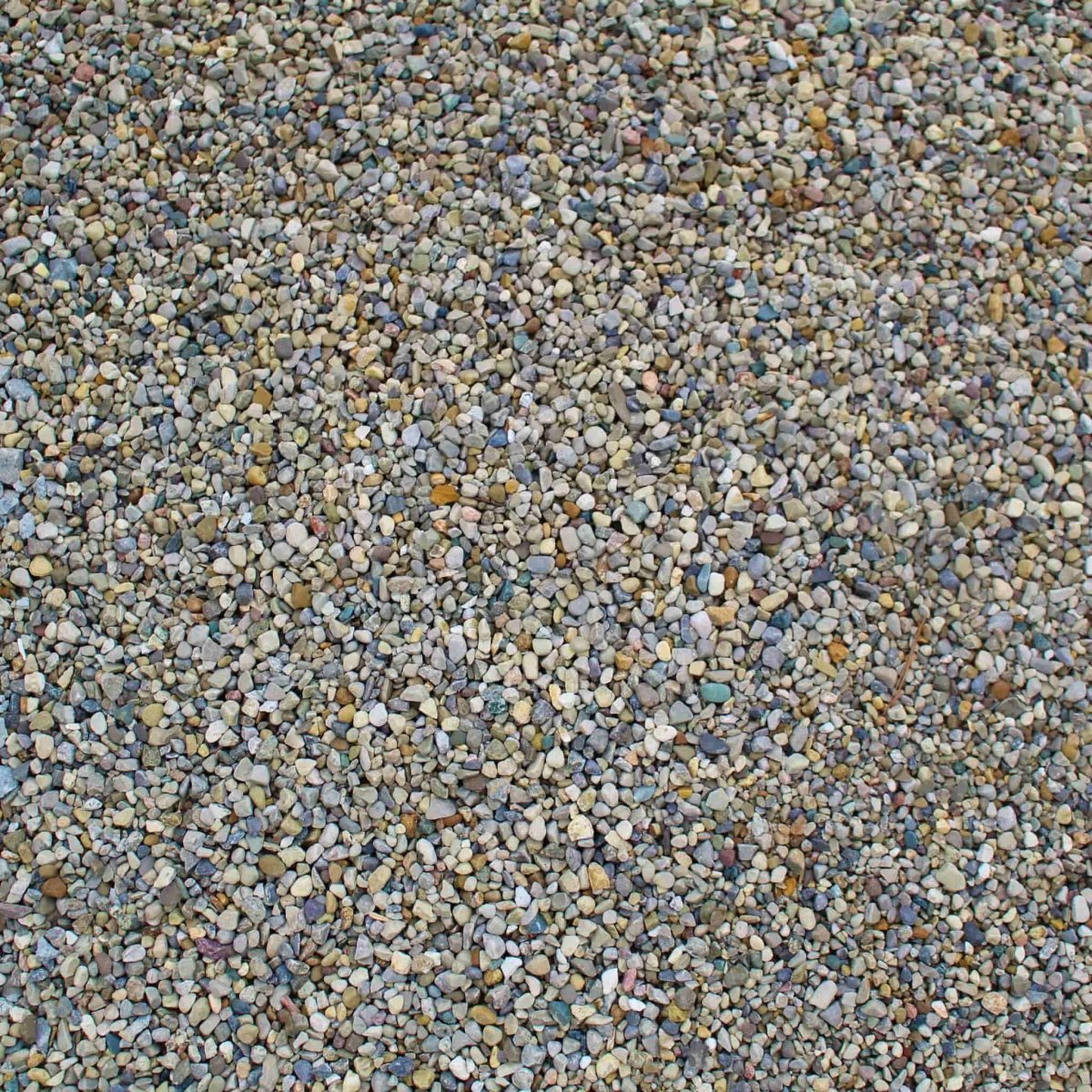
Number 57 crushed stone, angular limestone graded to about three quarters of an inch. The standard driveway, base and drainage gravel, it locks together under traffic and drains fast.
My experience with Mulch Mound was great and super easy. I ordered two yards of screened topsoil and was able to get it delivered within 2 days. They came in my requested time frame (afternoon) and dropped it off where I asked on my driveway. The topsoil was exactly what was a...
Tell us what you're looking for
Thanks! We received your request.
Something went wrong. Please try again.
How Much Material Do I Need?
Most decorative and functional stone applications in Miller Place work best at a two-to-three-inch depth, which provides weed suppression and a solid surface without creating a tripping hazard at bed or pathway edges. Drainage trenches and erosion control slopes typically need four to six inches of stone to perform effectively through the area's heavier rain events.
Use our free gravel calculator
What is a yard?
A yard is approximately 27 cubic feet. As a general guideline, one yard of material can cover an area of about 100-160 square feet at a 2-3 inch depth.
We can't take orders for this right now. Tell us what you need and we'll get back to you.
What do you need?
Thanks! We received your request.
Something went wrong. Please try again.
Hand-picked local yards
4,000+ regional deliveries
Dedicated support
Why order through Mulch Mound
The best local stone, without the guesswork.
We hand-pick and partner with the best yards in your region, keep only the ones our buyers rate well, and back each load with our guarantee.
Mulch Mound Guarantee
If your stone isn't the quantity or quality you ordered, we'll make it right.
About this stone
Number 57 crushed stone, angular limestone graded to about three quarters of an inch. The standard driveway, base and drainage gravel, it locks together under traffic and drains fast.
My experience with Mulch Mound was great and super easy. I ordered two yards of screened topsoil and was able to get it delivered within 2 days. They came in my requested time frame (afternoon) and dropped it off where I asked on my driveway. The topsoil was exactly what was a...
How Much Material Do I Need?
Most decorative and functional stone applications in Miller Place work best at a two-to-three-inch depth, which provides weed suppression and a solid surface without creating a tripping hazard at bed or pathway edges. Drainage trenches and erosion control slopes typically need four to six inches of stone to perform effectively through the area's heavier rain events.
Use our free gravel calculator
What is a yard?
A yard is approximately 27 cubic feet. As a general guideline, one yard of material can cover an area of about 100-160 square feet at a 2-3 inch depth.
My experience with Mulch Mound was great and super easy. I ordered two yards of screened topsoil and was able to get it delivered within 2 days. Th...
Read full review
My experience with Mulch Mound was great and super easy. I ordered two yards of screened topsoil and was able to get it delivered within 2 days. They came in my requested time frame (afternoon) and dropped it off where I asked on my driveway. The topsoil was exactly what was advertised, clean with no rocks or other debris. The price was reasonable. I plan to use them again in a couple weeks to order compost for my garden beds.
For stone coverage, measure the length and width of your project area in feet and multiply to get square footage. At a two-inch depth, one cubic yard of stone covers approximately 162 square feet, and at three inches, one cubic yard covers about 108 square feet. Miller Place properties often have irregular side yards and curved borders, so sketch out your area and break it into rectangular sections before calculating to avoid significant under-ordering.
Stone Types We Deliver in Miller Place
Ordering bulk gravel by the yard in Miller Place is a practical way to complete landscaping projects on Long Island's sandy coastal terrain. We deliver loose stone measured by the cubic yard directly to your property, so you receive exactly the quantity your project requires. Whether you are improving drainage, finishing a pathway, or adding decorative ground cover, our stone delivery is ready to serve local homeowners.
Pea Gravel
Pea gravel is a popular choice for Miller Place homeowners who want a clean, low-maintenance ground cover. Its smooth, rounded stones in warm earth tones complement the suburban and colonial-style homes common throughout this part of Long Island, and its natural drainage performance suits the region's sandy soil and wet winters well.
Complete Your Outdoor Stone Project
Combining a stone delivery with topsoil for adjacent grade work makes it easy to address both drainage and aesthetics in the same project. Adding mulch to planting beds that border stone pathways or decorative borders creates a polished, layered look that is practical for Miller Place's mix of rain, sun, and seasonal temperature swings throughout the long zone 7b growing season.
Before placing any stone, compact and level the base layer of sandy loam with a hand tamper or plate compactor. Miller Place's sandy soil settles quickly under the weight of stone, and taking ten minutes to firm up the base before installation prevents the uneven surface and low spots that develop in the first season after placement. A level base also makes it easier to maintain clean edges along borders and pathways over time.
Mulch Mound Pro Tip
Choose stone size based on how the area will be used. Fine gravel and pea stone are comfortable for bare feet around patios and pool areas but shift underfoot on heavily used pathways. Crushed stone in the three-quarter-inch range locks together enough to stay stable under regular foot traffic and along driveways. For purely decorative purposes along foundation borders in Miller Place, a one-inch washed river stone gives a clean, polished look that holds its position through the area's heavy spring storms.
Mulch Mound Pro Tip
Plan your stone borders and pathways with drainage flow in mind, especially on Miller Place lots where the grade naturally pitches toward the street or toward a low corner of the yard. Stone installed across a drainage path without consideration for water flow can redirect runoff toward a foundation or neighboring property. A slight cross-slope or central crown in pathway stone installations channels rainwater to the sides efficiently, working with the sandy loam's natural drainage rather than against it.
The Unique Landscape of Miller Place
Decorative stone and gravel are especially practical in Miller Place because the sandy loam soil and occasional heavy rain events create conditions where lawn and mulched areas can erode or shift on slopes and at bed edges. Stone offers a permanent, low-maintenance surface that does not wash away, decompose, or need seasonal replacement the way organic materials do. With a growing season that runs from early April through mid-November, Miller Place homeowners also benefit from ground covers that do not require mowing, watering, or replanting in utility areas, side yards, and foundation borders. The area's elevation and typical residential lot grading mean drainage management is a recurring concern, and the right stone or gravel product channels water efficiently away from foundations and low spots. Whether the goal is a clean pathway, a decorative border, an erosion-resistant slope, or a low-maintenance side yard, stone delivers lasting results that work with Miller Place's natural drainage patterns.
Frequently Asked Questions
Click a question to see the answer
Answer
What type of stone works best for a backyard pathway in Miller Place?
Pea gravel and quarter-inch crushed stone are the two most popular pathway materials for Miller Place yards. Pea gravel is comfortable underfoot and drains well through the sandy loam base, while crushed stone compacts slightly and creates a firmer, more stable walking surface. For pathways that see heavy foot traffic or connect to a driveway or patio, crushed stone offers better long-term stability through the area's wet spring months.
Answer
Can I use stone to help with drainage along the side of my house?
Stone is one of the most effective drainage solutions for foundation borders in Miller Place. A six-inch-deep trench filled with washed gravel or crushed stone along the foundation line allows rainwater to percolate quickly into the sandy loam below rather than pooling against the house. The area's 47 inches of annual rainfall makes foundation drainage management important, and a stone border handles both the functional and visual sides of that challenge at the same time.
Answer
How much stone do I need to cover a side yard I want to convert from grass to gravel?
For a gravel conversion over sandy loam, a two-inch depth of stone provides good coverage and surface stability without requiring deep excavation. Measure the length and width of the area in feet, multiply for square footage, and divide by 162 to get cubic yards at a two-inch depth. Installing a landscape fabric barrier first reduces weed breakthrough significantly in Miller Place's long growing season, where weeds have from April through November to push up through bare gravel.
Answer
Will decorative stone shift or sink in Miller Place's sandy loam soil over time?
Sandy loam is actually one of the better base soils for stone installations because it drains freely and does not expand and contract with moisture the way clay does. Some minor settling is normal in the first season, especially after heavy rain, but a well-compacted sandy loam base keeps movement minimal. Using a landscape edging border around stone areas prevents migration at the edges, which is where the most shifting typically occurs.
Answer
What is the best stone for controlling erosion on a sloped area of my yard?
Angular crushed stone or larger rip-rap works best on slopes in Miller Place because the irregular edges lock together and resist displacement during heavy rain. Rounded stones like pea gravel tend to roll downhill when water flows over them. For moderate slopes, a two-to-three-inch layer of angular stone placed over landscape fabric gives solid erosion control. Steeper slopes may benefit from larger flat stones anchored into the sandy loam to create natural-looking terracing that interrupts water flow.
Answer
How do I keep weeds from growing up through my stone areas?
The most effective approach is to install a quality woven landscape fabric beneath the stone layer before placing any material. Miller Place's zone 7b climate gives weeds a long growing season from April through November, so bare stone without a barrier will accumulate weed growth quickly as seeds blow in from surrounding areas. Fabric combined with a solid two-inch stone depth handles most weed pressure, and occasional spot treatment takes care of anything that pushes through at the edges.
Answer
Can I use stone around the base of trees instead of mulch?
Stone can be used around trees for a clean, permanent look, but it comes with trade-offs compared to organic mulch. Unlike mulch, stone does not decompose and feed nutrients back into the sandy loam soil around the root zone. It also absorbs and radiates heat in summer, which can stress surface roots. If you prefer stone for its low-maintenance appeal, use it beyond the immediate root zone and keep a ring of mulch or bare soil closest to the trunk to allow better gas exchange and temperature regulation.