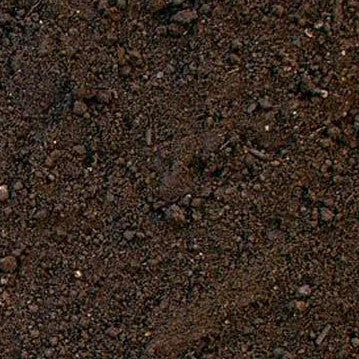
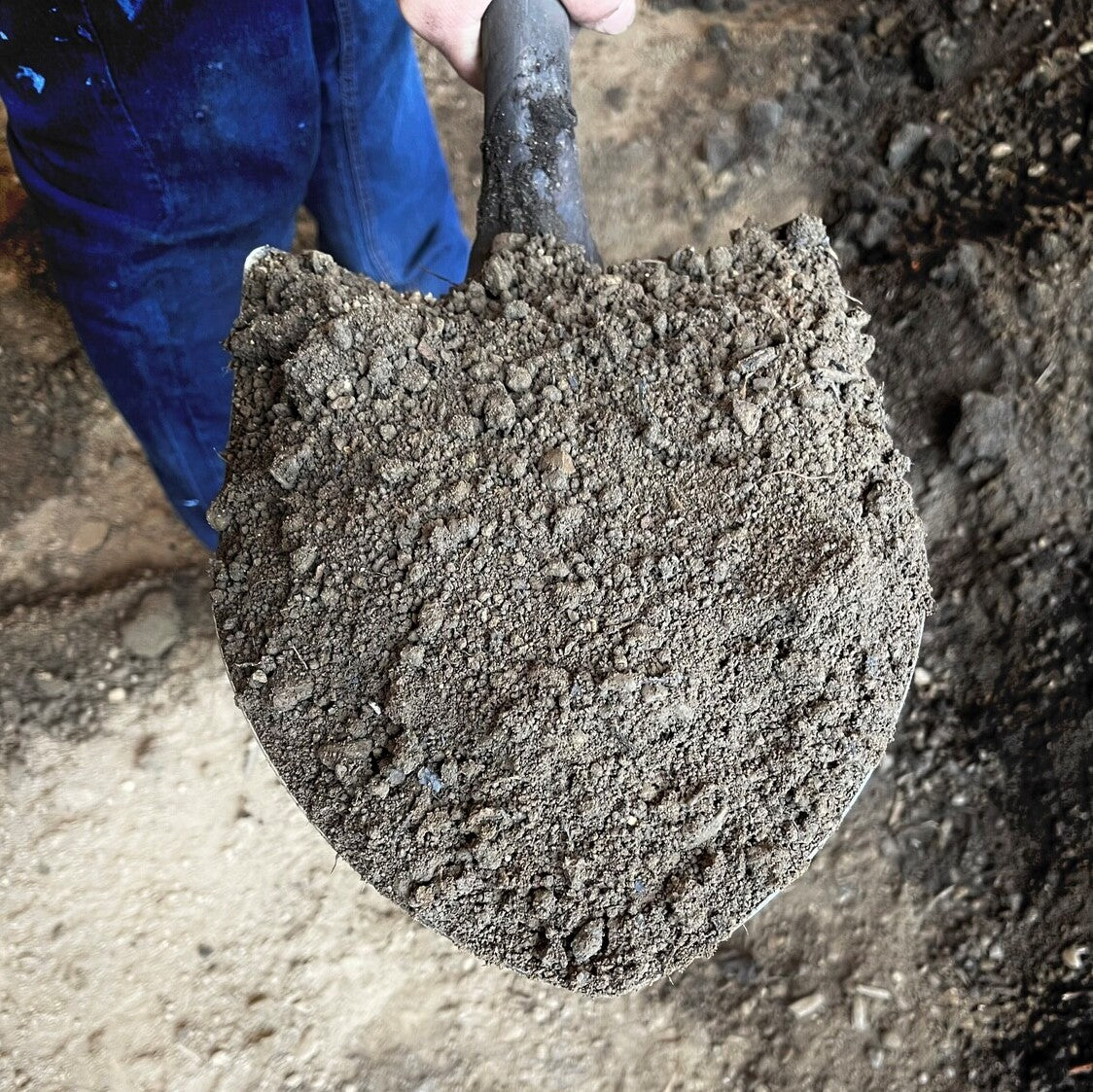
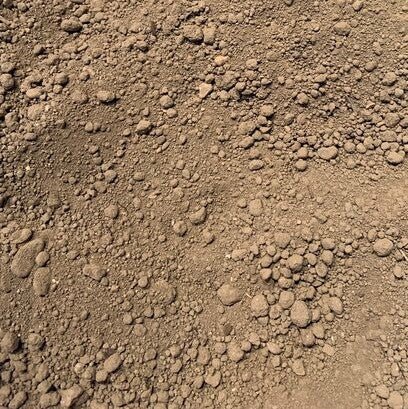
Quality topsoil for lawns, gardens, and landscape projects. Nutrient rich and ready to support strong root development and healthy plant establishment.
My experience with Mulch Mound was great and super easy. I ordered two yards of screened topsoil and was able to get it delivered within 2 days. They came in my requested time frame (afternoon) and dropped it off where I asked on my driveway. The topsoil was exactly what was a...
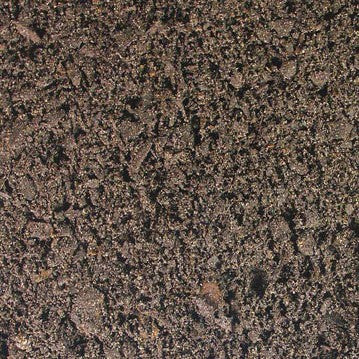
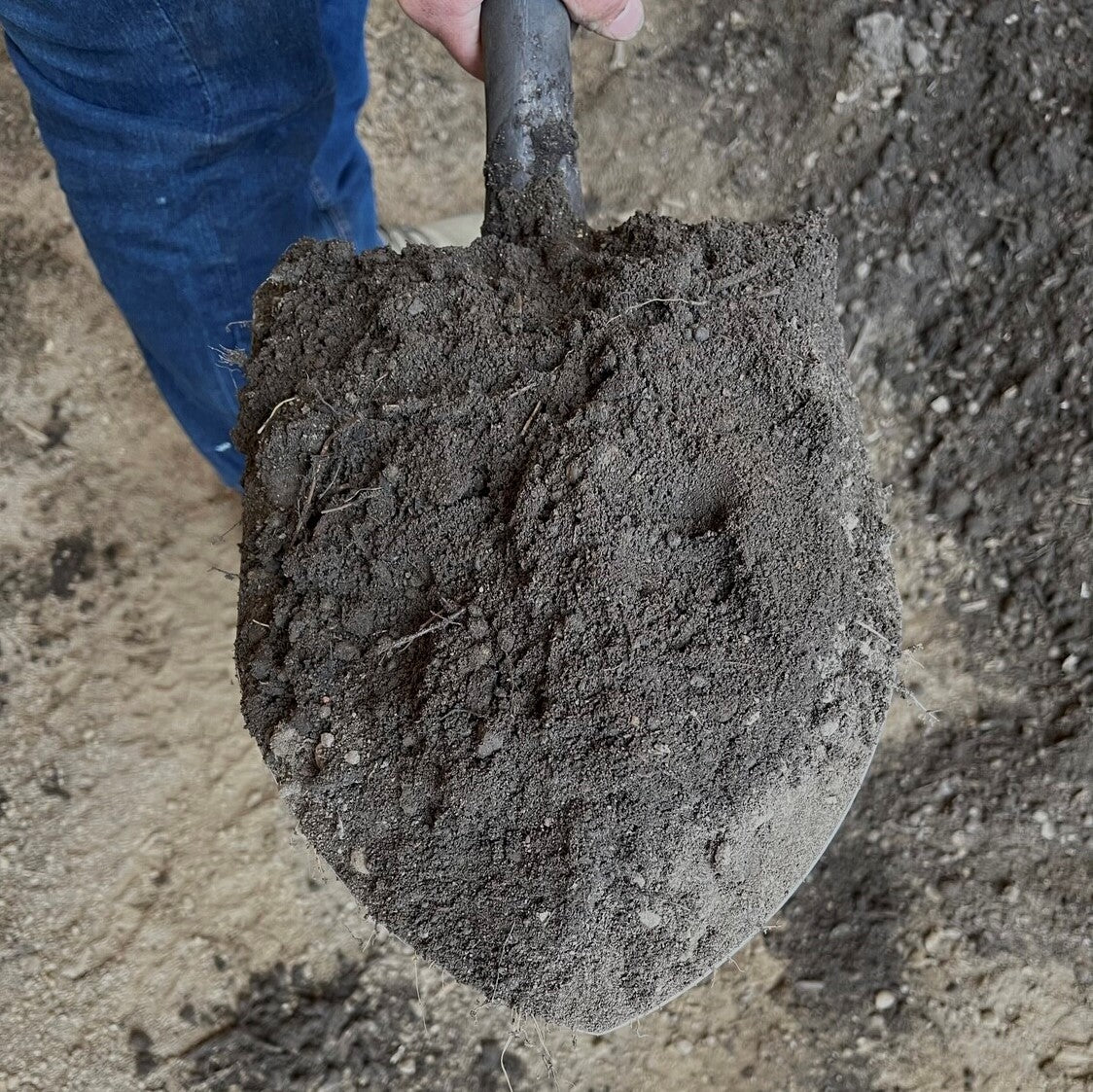
Quality topsoil for lawns, gardens, and landscape projects. Nutrient rich and ready to support strong root development and healthy plant establishment.
My experience with Mulch Mound was great and super easy. I ordered two yards of screened topsoil and was able to get it delivered within 2 days. They came in my requested time frame (afternoon) and dropped it off where I asked on my driveway. The topsoil was exactly what was a...
How Much Material Do I Need?
Lawn leveling projects in Miller Place typically need one to two inches of topsoil spread across affected areas, while new garden beds benefit from a full four to six inches of garden soil to overcome the low organic content of the native sandy loam. Raised beds built from scratch generally need eight to twelve inches of blended soil for deep-rooted vegetables and perennials.
Use our free soil calculator
What is a yard?
A yard is approximately 27 cubic feet. As a general guideline, one yard of material can cover an area of about 100-160 square feet at a 2-3 inch depth.
My experience with Mulch Mound was great and super easy. I ordered two yards of screened topsoil and was able to get it delivered within 2 days. Th...
Read full review
My experience with Mulch Mound was great and super easy. I ordered two yards of screened topsoil and was able to get it delivered within 2 days. They came in my requested time frame (afternoon) and dropped it off where I asked on my driveway. The topsoil was exactly what was advertised, clean with no rocks or other debris. The price was reasonable. I plan to use them again in a couple weeks to order compost for my garden beds.
Measure the length, width, and desired depth of your project area in feet, then multiply all three numbers together and divide by 27 to convert cubic feet to cubic yards. For lawn topdressing on Miller Place's sandy loam, a half-inch to one-inch depth is usually enough for leveling, while garden beds need at least four to six inches of new soil to fully replace the nutrient-poor native material. Always round up to the nearest half yard to ensure full coverage without running short mid-project.
Complete Your Outdoor Soil Project
Pairing a soil delivery with a load of mulch gives new Miller Place planting beds immediate moisture protection right after planting, which is critical on sandy loam that dries out within days of a rain event. Decorative stone borders added at the same time create clean, defined edges and help keep new soil in place during the heavy spring rains common to this area.
How much topsoil do I need to level out a patchy, uneven lawn in Miller Place?
For lawn leveling on Miller Place's sandy loam base, most projects need between one and three inches of topsoil spread across low spots. A light topdress of half an inch to one inch works for minor settling and bare patches, while significant dips or drainage hollows may need two to three inches. Measure the square footage of problem areas and use the rule that one cubic yard covers about 100 square feet at three inches to estimate your order.
Answer
What soil type works best for raised vegetable beds built on top of sandy loam ground?
A blended garden soil with a high compost percentage is the best choice for raised beds in Miller Place. Sandy loam does not provide enough nutrient retention or moisture-holding capacity on its own to support heavy feeders like tomatoes, squash, or peppers through the full zone 7b season. A rich, loose garden blend fills that gap and gives roots consistent moisture and nutrients from the last frost in early April all the way through harvest in October and November.
Answer
Will adding topsoil fix the drainage problems in the low spots of my yard?
Adding topsoil to low spots raises the grade and redirects surface water, which addresses ponding after rain. Miller Place's sandy loam base actually drains well once water reaches it, so the issue in low spots is usually that water pools on the surface before it can percolate down. Grading those areas with quality topsoil and reseeding improves drainage noticeably. For spots near the foundation, combining topsoil grading with a gravel channel gives even better long-term results.
Answer
Do I need to do anything to my existing sandy loam before spreading new garden soil on top?
A light tilling or loosening of the top four to six inches of existing sandy loam before laying new soil helps the two layers integrate rather than sitting separately. Sandy loam compacts minimally compared to clay soils, so this step is quick with a tiller or even a garden fork on smaller beds. Wetting the area lightly before spreading new soil also helps the layers bind together and prevents the fresh material from drying out too fast in the first few days.
Answer
When should I schedule a soil delivery in Miller Place to make the most of the growing season?
The best window for most soil projects is mid-March through early April, before the last frost date around April 7, so beds are ready to plant almost immediately after frost risk passes. Lawn leveling and grading work can also be done in fall after the first frost, giving the soil time to settle over winter before overseeding or planting in spring. Avoid scheduling large soil deliveries during the wettest spring weeks when heavy rain can wash freshly graded areas before they establish.
Answer
Can I use bulk topsoil to fill in bumps and ridges caused by surface tree roots in my yard?
You can fill around raised roots carefully, but avoid burying them more than one to two inches deep. Piling topsoil directly over exposed roots can stress the tree by cutting off oxygen exchange at the surface. For yards in Miller Place where large oaks and maples are common, it is better to use topsoil to smooth the areas between roots and then cover with mulch rather than trying to bury the root structure entirely.
Answer
How soon after my soil delivery can I plant seeds or transplants in the new material?
For transplants, planting the same day or within a day or two of delivery is fine as long as you water thoroughly to help roots connect with the new soil. For direct seeding, waiting two to three days after delivery and a good watering allows the soil to settle and firm up slightly, giving seeds better contact with the growing medium. In Miller Place's sandy loam climate, the bigger risk is new soil drying out quickly, so keep it consistently moist for the first two weeks after planting.
Mulch Mound Pro Tip
Before ordering topsoil for a lawn leveling project, rake the target area clean of dead grass and debris so the new soil makes direct contact with the existing ground. Miller Place's sandy loam base is forgiving to work with because it does not form a hard crust the way clay soils do, so even a light pass with a landscaping rake is usually enough to prep the surface. After spreading, use a lawn roller to firm up the new layer before reseeding.
Mulch Mound Pro Tip
If you are building new raised vegetable beds, orient them to run east to west across your yard to maximize sun exposure across the full zone 7b growing season in Miller Place. Position the tallest plants on the north side of each bed so they do not shade shorter crops. Starting with a deep, compost-rich garden soil in a well-oriented bed gives you a foundation that needs minimal amendment for several growing seasons.
Mulch Mound Pro Tip
Late fall, after the first frost around November 15, is an underused time for soil prep in Miller Place. Laying fresh topsoil or garden mix over new bed areas in November lets freeze and thaw cycles through the winter naturally break it in and integrate it with the sandy loam below. By the time the last frost passes in early April, the soil is ready to plant without the delay of waiting for freshly laid material to settle during the busy spring planting window.
The Unique Landscape of Miller Place
Miller Place's native sandy loam is excellent for drainage but falls short when it comes to supporting dense lawns, productive vegetable gardens, or lush planting beds that need consistent moisture and nutrients. The sandy fraction dominates the soil profile at most residential lots here, meaning added topsoil or garden soil is often the first step before any serious planting project. With a growing season running from the last frost around April 7 to the first frost near November 15, there is a long window during which good soil structure pays off in healthier plants and lower water bills. The elevation of 131 feet and typical Long Island lot grading also mean low spots collect runoff while raised areas dry out fast, and bringing in quality fill or topsoil lets homeowners correct both problems efficiently. Grade work, raised beds, and lawn leveling all rely on the right soil product, and choosing a blend that complements sandy loam makes the improvement last for multiple growing seasons.