



Super easy to order the rocks. They showed up on time, dumped right where I said, and everything worked great.
About this stone
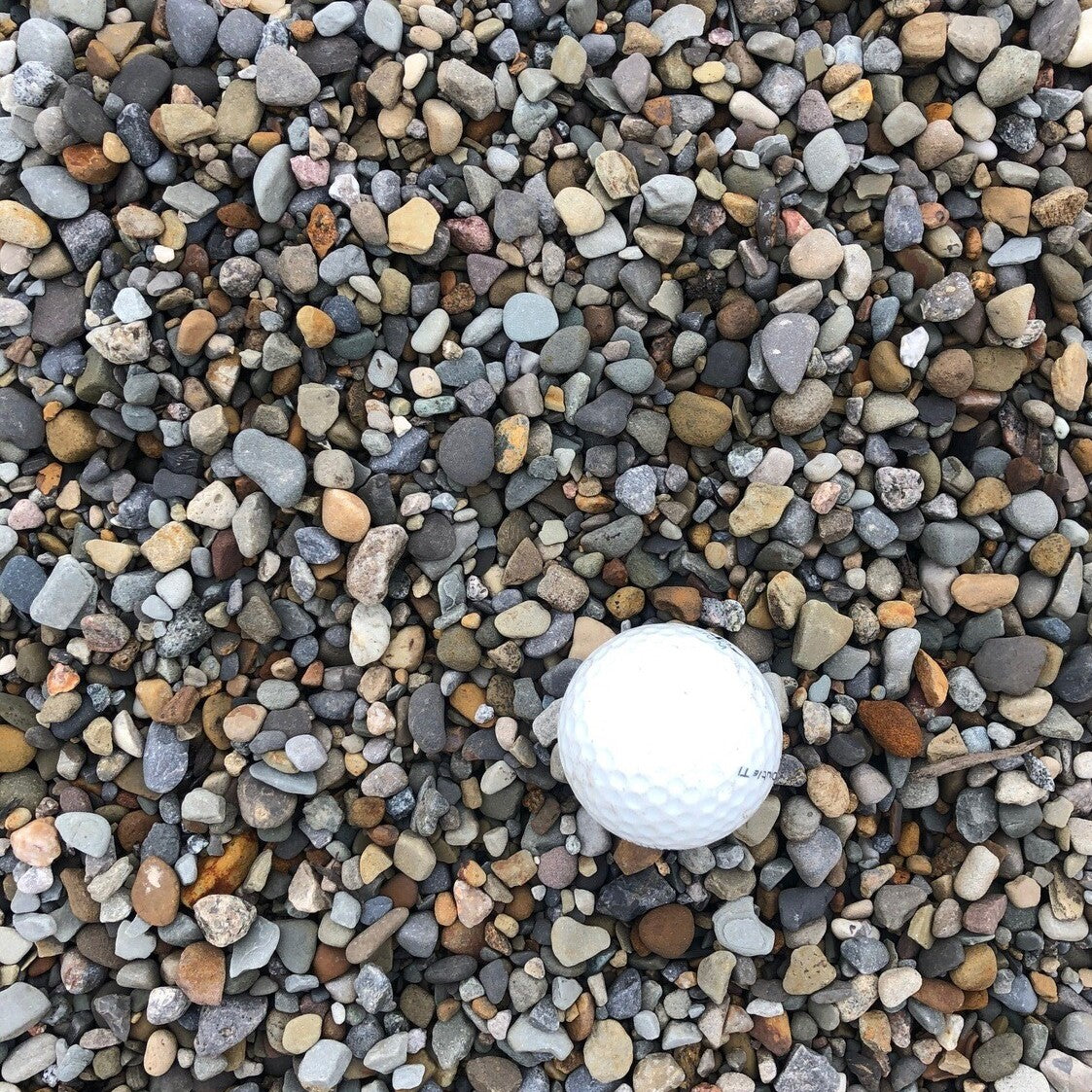
Classic pea gravel with smooth, rounded edges and natural earth tones. A versatile favorite for pathways, patios, drainage, and decorative ground cover.
Super easy to order the rocks. They showed up on time, dumped right where I said, and everything worked great.
Tell us what you're looking for
Thanks! We received your request.
Something went wrong. Please try again.
Miller Place Stone Delivery
Miller Place Stone Delivery
Regular price
$87.00
per
yard
Regular price
Sale price
$87.00
Unit price
per
Minimum of 3
Couldn't load pickup availability
1 tree planted for every order
About this stone
Classic pea gravel with smooth, rounded edges and natural earth tones. A versatile favorite for pathways, patios, drainage, and decorative ground cover.
Super easy to order the rocks. They showed up on time, dumped right where I said, and everything worked great.
How Much Material Do I Need?
How Much Material Do I Need?
Most decorative and functional stone applications in Miller Place work best at a two-to-three-inch depth, which provides weed suppression and a solid surface without creating a tripping hazard at bed or pathway edges. Drainage trenches and erosion control slopes typically need four to six inches of stone to perform effectively through the area's heavier rain events.
Use our free stone calculator
What is a yard?
What is a yard?
FAQs
FAQs
Tell us what you're looking for
Thanks! We received your request.
Something went wrong. Please try again.
How It Works
Getting started is easy — just follow these simple steps
1
Choose your stone
Make sure you adjust the quantity to your home's needs. You can use our calculator to estimate how much you'll need.
2
Select your delivery date
Select a delivery date you'd like for the product to be dropped off at your home
3
Sit back and wait
Sit back, wait, and let us work our magic to make sure the highest quality product is delivered to your driveway.


Fast delivery and great pricing. Will definitely order from them again. 100% satisfied.
Need Help Calculating How Much Stone & Gravel You Need?
Use our NEW Trace from Satellite tool to get an estimate for your project based on an aerial view of your property
Try Our CalculatorFor stone coverage, measure the length and width of your project area in feet and multiply to get square footage. At a two-inch depth, one cubic yard of stone covers approximately 162 square feet, and at three inches, one cubic yard covers about 108 square feet. Miller Place properties often have irregular side yards and curved borders, so sketch out your area and break it into rectangular sections before calculating to avoid significant under-ordering.
Complete Your Outdoor Stone Project
Combining a stone delivery with topsoil for adjacent grade work makes it easy to address both drainage and aesthetics in the same project. Adding mulch to planting beds that border stone pathways or decorative borders creates a polished, layered look that is practical for Miller Place's mix of rain, sun, and seasonal temperature swings throughout the long zone 7b growing season.


Areas We Deliver Stone & Gravel in Miller Place, New York
No cities found for this region.
Mulch Mound Pro Tip
Before placing any stone, compact and level the base layer of sandy loam with a hand tamper or plate compactor. Miller Place's sandy soil settles quickly under the weight of stone, and taking ten minutes to firm up the base before installation prevents the uneven surface and low spots that develop in the first season after placement. A level base also makes it easier to maintain clean edges along borders and pathways over time.
Mulch Mound Pro Tip
Choose stone size based on how the area will be used. Fine gravel and pea stone are comfortable for bare feet around patios and pool areas but shift underfoot on heavily used pathways. Crushed stone in the three-quarter-inch range locks together enough to stay stable under regular foot traffic and along driveways. For purely decorative purposes along foundation borders in Miller Place, a one-inch washed river stone gives a clean, polished look that holds its position through the area's heavy spring storms.
Mulch Mound Pro Tip
Plan your stone borders and pathways with drainage flow in mind, especially on Miller Place lots where the grade naturally pitches toward the street or toward a low corner of the yard. Stone installed across a drainage path without consideration for water flow can redirect runoff toward a foundation or neighboring property. A slight cross-slope or central crown in pathway stone installations channels rainwater to the sides efficiently, working with the sandy loam's natural drainage rather than against it.
The Unique Landscape of Miller Place
Decorative stone and gravel are especially practical in Miller Place because the sandy loam soil and occasional heavy rain events create conditions where lawn and mulched areas can erode or shift on slopes and at bed edges. Stone offers a permanent, low-maintenance surface that does not wash away, decompose, or need seasonal replacement the way organic materials do. With a growing season that runs from early April through mid-November, Miller Place homeowners also benefit from ground covers that do not require mowing, watering, or replanting in utility areas, side yards, and foundation borders. The area's elevation and typical residential lot grading mean drainage management is a recurring concern, and the right stone or gravel product channels water efficiently away from foundations and low spots. Whether the goal is a clean pathway, a decorative border, an erosion-resistant slope, or a low-maintenance side yard, stone delivers lasting results that work with Miller Place's natural drainage patterns.
Explore other options for landscape supply delivery in Miller place, New york