




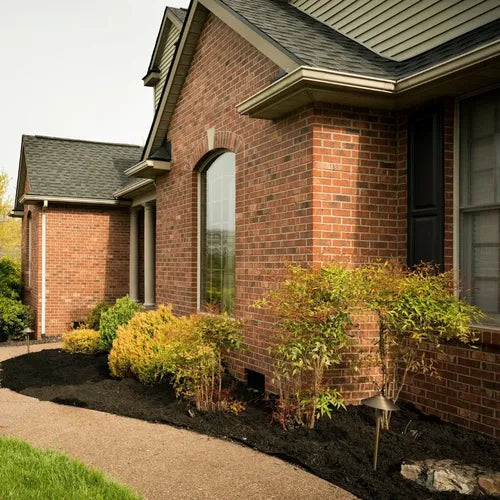


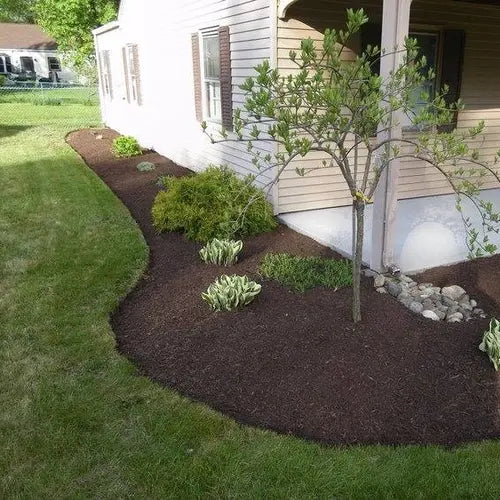




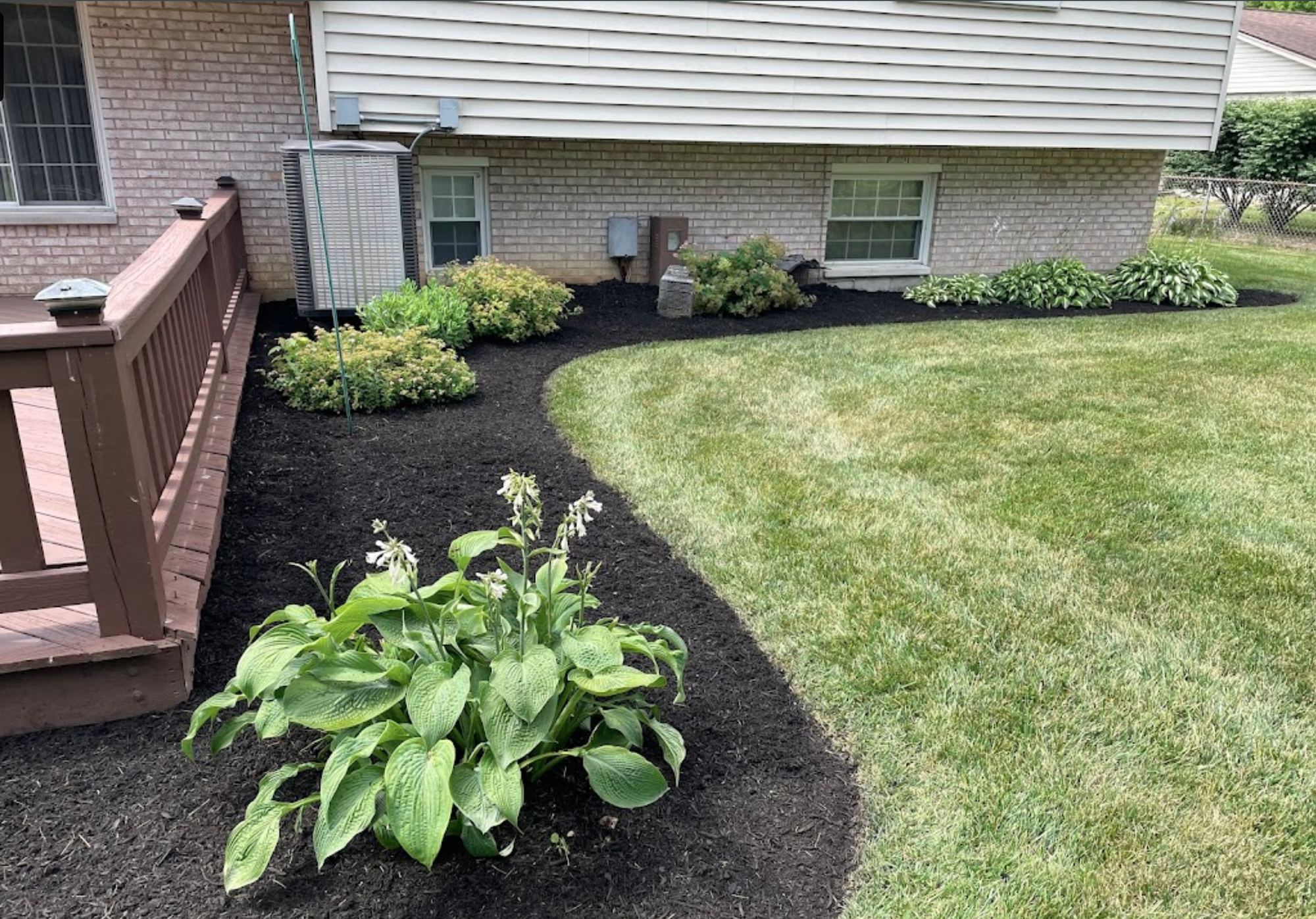
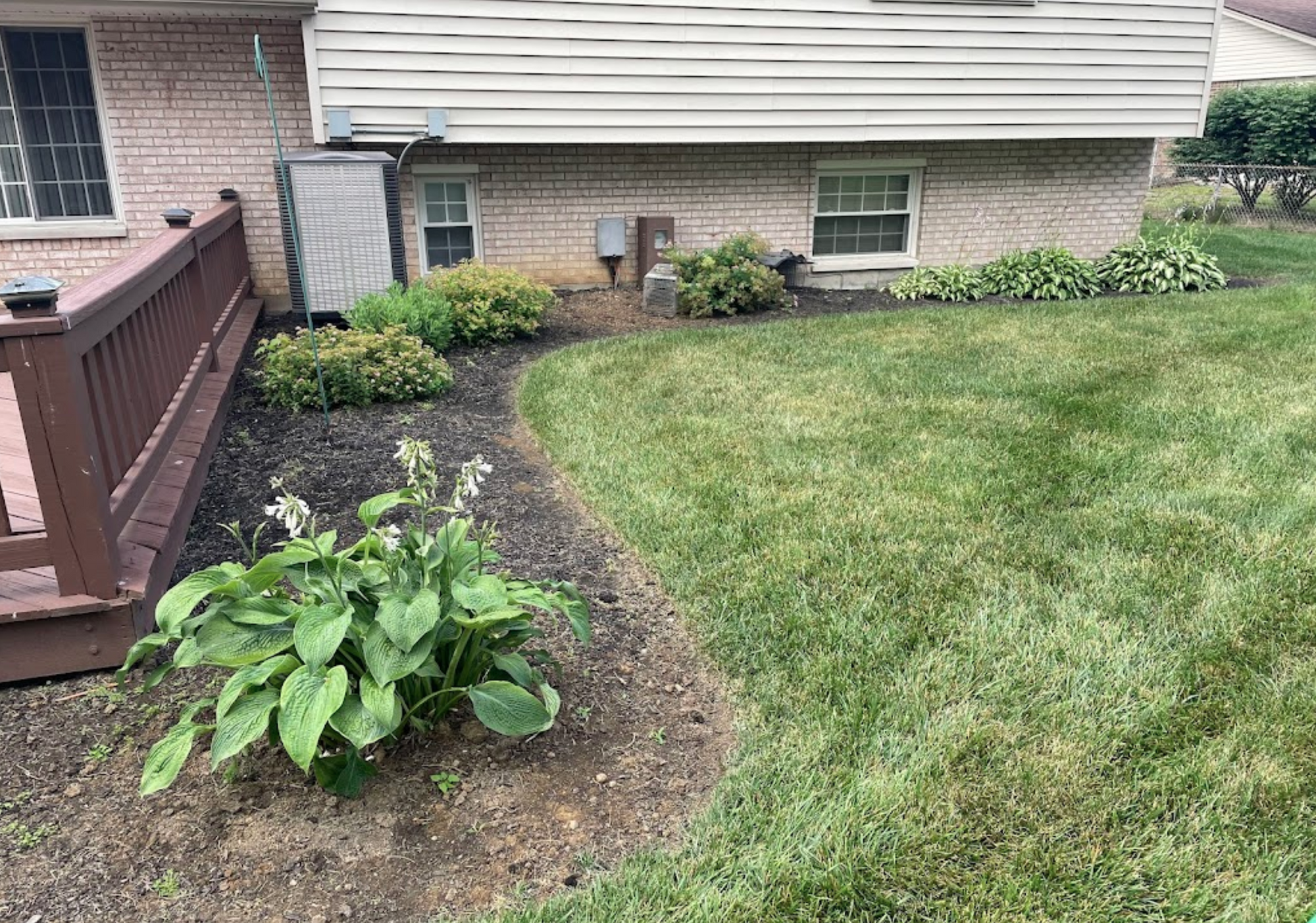
Our delivery was delayed but the new brown color mulch is a nice upgrade to our landscaping.
About this mulch
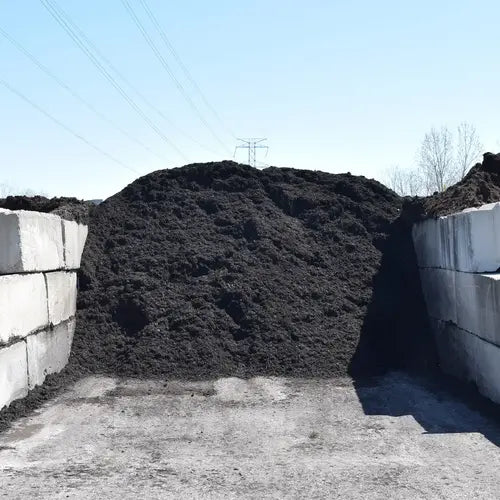
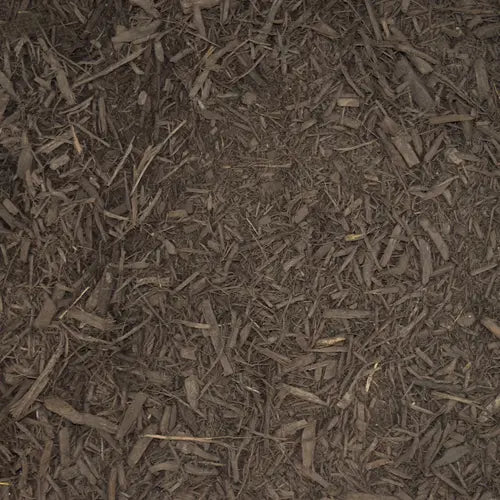
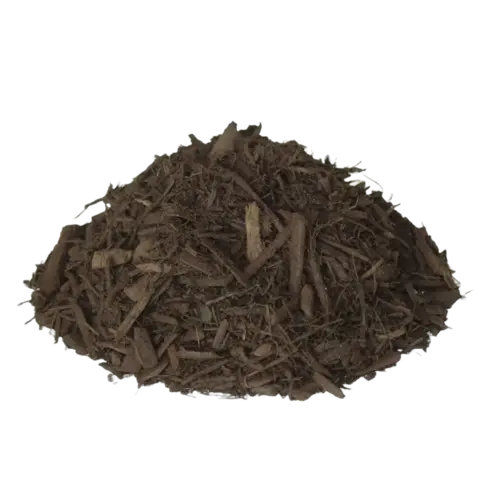
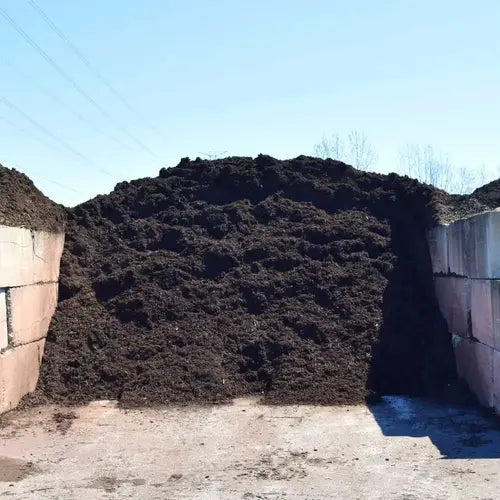
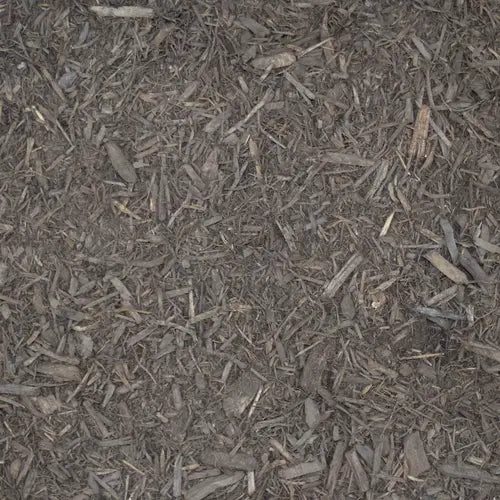
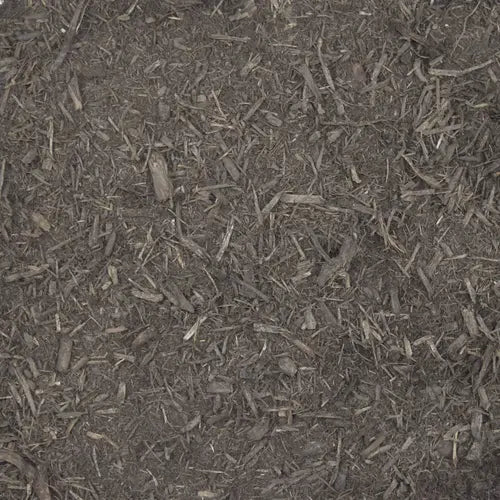
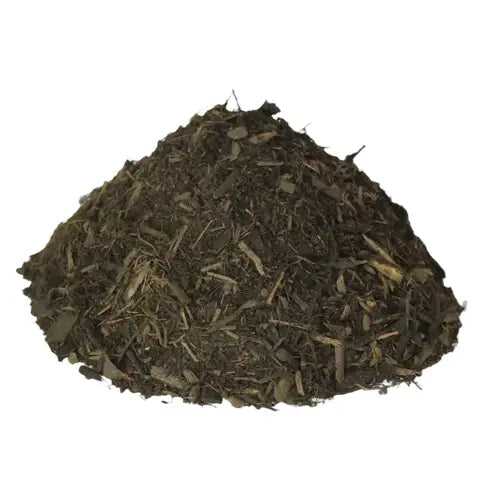
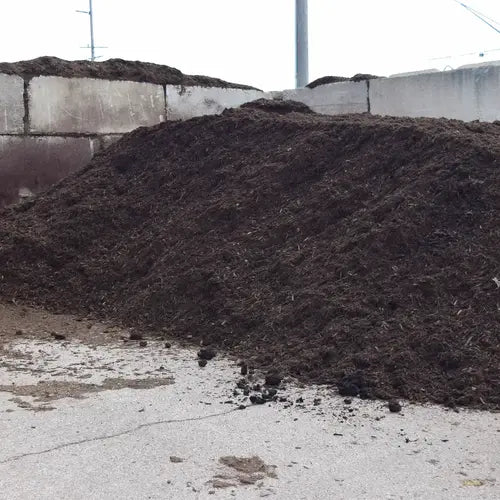
Bold black double shredded mulch that transforms beds instantly. The rich color holds strong through sun and rain, and the smooth texture spreads effortlessly.
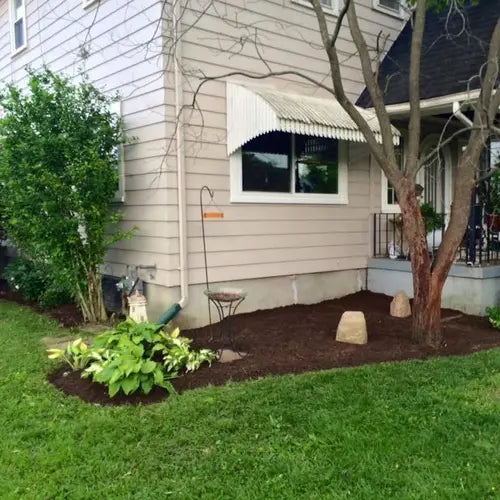
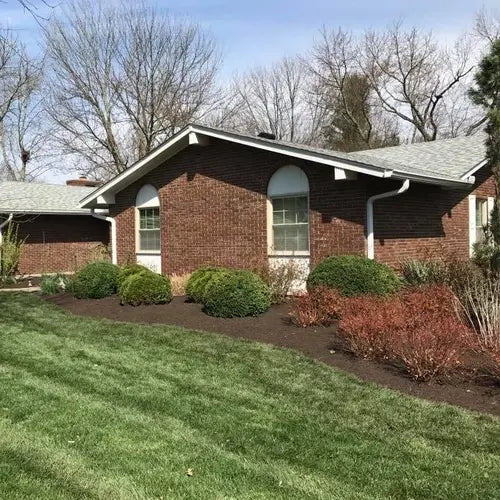
Our delivery was delayed but the new brown color mulch is a nice upgrade to our landscaping.
Tell us what you're looking for
Thanks! We received your request.
Something went wrong. Please try again.
How Much Material Do I Need?
How Much Material Do I Need?
How much depends on what you're covering and how deep. Milwaukee homeowners typically spread 2 to 3 inches for effective coverage.
Use our free mulch calculator
What is a yard?
What is a yard?
FAQs
FAQs
Milwaukee Mulch Delivery
Milwaukee Mulch Delivery
Regular price
$50.00
per
yard
Regular price
Sale price
$50.00
Unit price
per
Shipping calculated at checkout.
Minimum of 3 yard
Couldn't load pickup availability
Hand-picked local yards
4,000+ regional deliveries
Dedicated support
Why order through Mulch Mound
The best local mulch, without the guesswork.
We hand-pick and partner with the best yards in your region, keep only the ones our buyers rate well, and back each load with our guarantee.
Mulch Mound Guarantee
If your mulch isn't the quantity or quality you ordered, we'll make it right.
About this mulch
Bold black double shredded mulch that transforms beds instantly. The rich color holds strong through sun and rain, and the smooth texture spreads effortlessly.
Our delivery was delayed but the new brown color mulch is a nice upgrade to our landscaping.
How Much Material Do I Need?
How Much Material Do I Need?
How much depends on what you're covering and how deep. Milwaukee homeowners typically spread 2 to 3 inches for effective coverage.
Use our free mulch calculator
What is a yard?
What is a yard?
FAQs
FAQs
Tell us what you're looking for
Thanks! We received your request.
Something went wrong. Please try again.
How It Works
Getting started is easy — just follow these simple steps
1
Choose your Mulch
Make sure you adjust the quantity to your home's needs. You can use our calculator to estimate how much you'll need.
2
Select your delivery date
Select a delivery date you'd like for the product to be dropped off at your home
3
Sit back and wait
Sit back, wait, and let us work our magic to make sure the highest quality product is delivered to your driveway.

Mulch Mound made it so easy! So happy with the pricing, turn around time, delivery and product. I submitted my online order on a Thursday. The mu...
Read full review
Mulch Mound made it so easy! So happy with the pricing, turn around time, delivery and product. I submitted my online order on a Thursday. The mulch was delivered to the designated location by a local landscape company at 8:30 a.m. the following Saturday morning. We had the job completed by that afternoon. We chose the natural brown mulch, and the plant beds are beautiful.

Good quality, great price, fast delivery. All online - no submitting forms and waiting for days for quotes.
Getting mulch should be this easy fr...
Read full review
Good quality, great price, fast delivery. All online - no submitting forms and waiting for days for quotes.
Getting mulch should be this easy from everyone. Only Mulch Mound is ACTUALLY this simple.
Calculate mulch for your Milwaukee project
For Milwaukee's Silty Clay type of soil, we recommend 2-3 inches for best weed suppression and moisture retention
Try Our CalculatorPlanning to mulch? Start with 2–3 inches as your baseline depth. Use our satellite tool to trace beds, borders, and tree rings for an accurate estimate. In Milwaukee, mulch also helps buffer against lake-effect clay.

Best Mulch Choice for Milwaukee Lawns
Most yards in the Milwaukee area sit on Silty Clay type of soil. This usually means compaction is common, water drains slowly, and the ground can run a bit alkaline.
Hardwood Mulch
Hardwood mulch protects the surface from crusting, evens out moisture, and adds organic matter as it breaks down over time.
Mulch Types We Deliver in Milwaukee
Mulch Mound delivers bulk mulch by the cubic yard to residential and commercial properties across the area. Whether you are looking for bulk mulch delivery in Milwaukee for a weekend project or a full landscaping job, we carry the varieties local homeowners trust through Wisconsin's wet springs and cold winters.
Dyed Black Mulch
Bold double shredded mulch that makes flower beds and tree rings look sharp and intentional. The deep black color holds through heavy spring rains and humid summers, creating strong contrast against the green lawns and mixed perennial plantings common in this part of Wisconsin. Easy to spread and stays put.
Dyed Brown Mulch
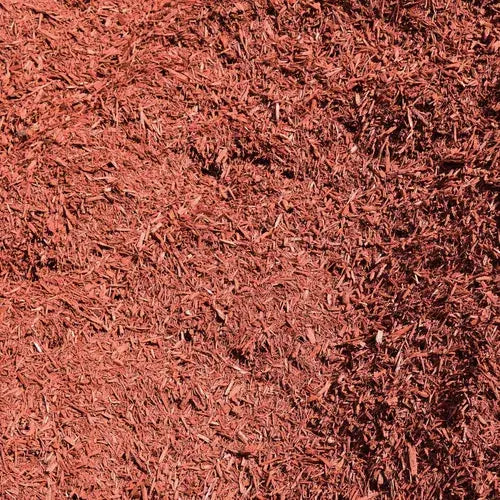
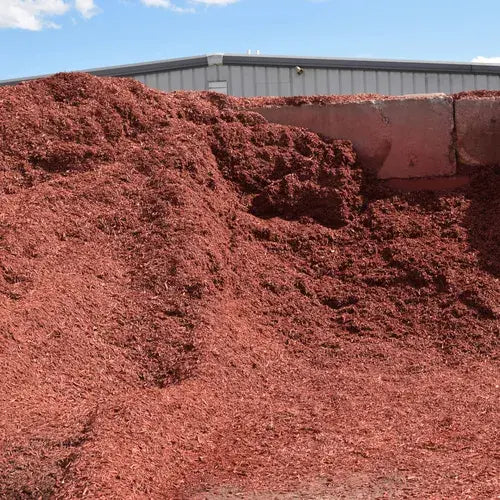
Warm double shredded mulch with color that looks freshly applied for weeks, even through Wisconsin's variable spring weather. A natural fit for the brick ranch homes and established landscaping common to this region. Spreads smooth, resists displacement, and gives beds a clean, finished look without overpowering the yard.
Natural Brown Mulch
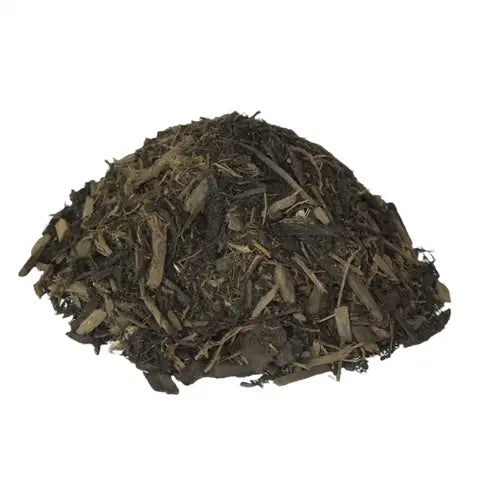
Undyed double shredded mulch with a warm, earthy tone that comes straight from the wood itself. A great choice for gardeners who prefer a more organic look that blends with Wisconsin's natural landscape. Breaks down over time to enrich the heavy clay soils found throughout much of this region.
Cedar Mulch
Double shredded cedar mulch with natural properties that repel insects, making it a smart pick for gardens in the upper Midwest. The light, aromatic wood resists compaction through wet spring seasons and keeps common pests at bay. A popular choice for raised beds, borders, and foundation plantings.
Complete Your Outdoor Mulch Project
Mulch is step one for Milwaukee yards. Quality soil underneath helps plants establish faster in clay loam conditions. Decorative stone finishes edges and walkways.


Service area
Areas we deliver mulch in Milwaukee, Wisconsin
Mulch Mound Pro Tip
Black dyed mulch absorbs significantly more heat than brown or red varieties. In sunny Milwaukee beds, this can raise soil temperature several degrees, which helps in spring but may stress plants during summer heat.
Mulch Mound Pro Tip
Pull weeds before they go to seed, then mulch over the bare spot immediately. Waiting until after seed drop means you are just burying thousands of future weed problems under fresh material that will sprout next season.
Mulch Mound Pro Tip
Mushroom compost makes an excellent organic mulch for vegetable gardens and annual flower beds. It adds nutrients continuously as it breaks down and improves clay loam soil structure and fertility over time.
The Unique Landscape of Milwaukee
Mulch keeps beds tidy while doing real work for your plants. Milwaukee freeze–thaw and spring rain can beat up beds if materials aren’t refreshed. In Milwaukee, Wisconsin, a good mulch layer helps beds look finished while holding moisture and limiting weeds. It helps hold moisture, cuts weeds, and protects roots from temperature swings. Aim for a 2–3 inch layer and keep it off trunks and stems. Natural hardwood blends in; dyed options add contrast and a “freshly edged” look. Delivery lets you finish the project in one go—no hauling, no repeat trips.