














Easy to order, arrived when it was to arrive. Mulch was beautiful! Couldn’t be easier!
About this mulch
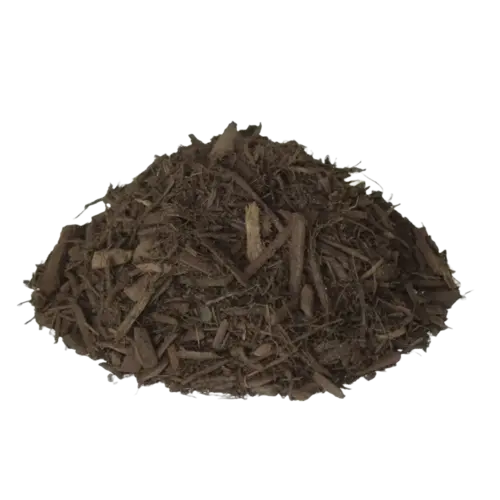
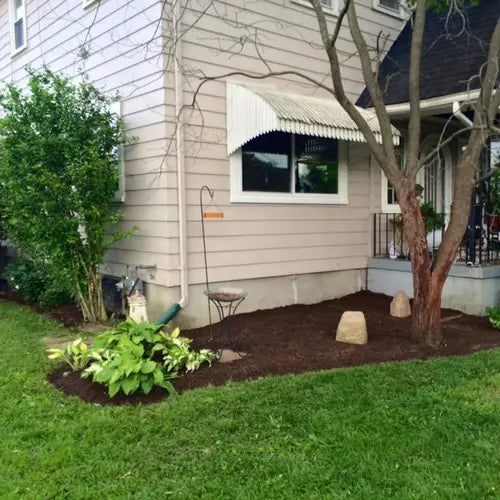
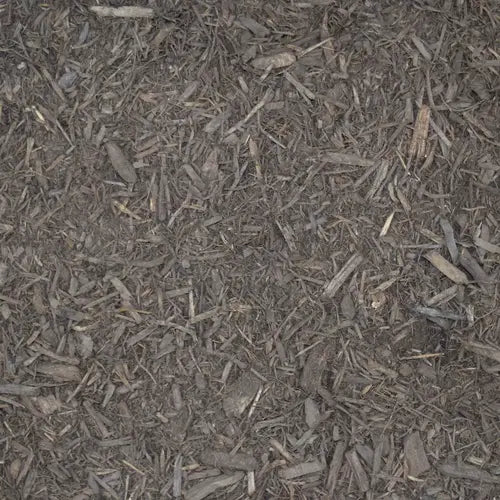
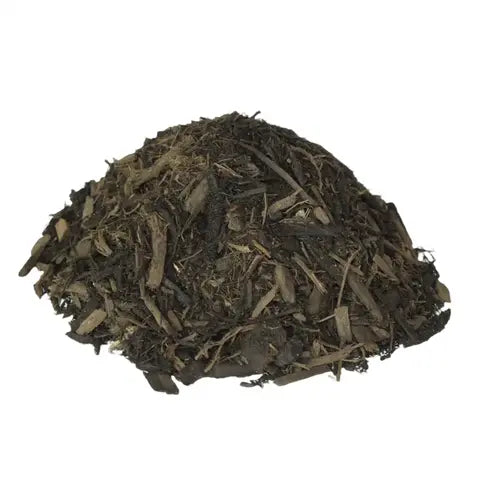
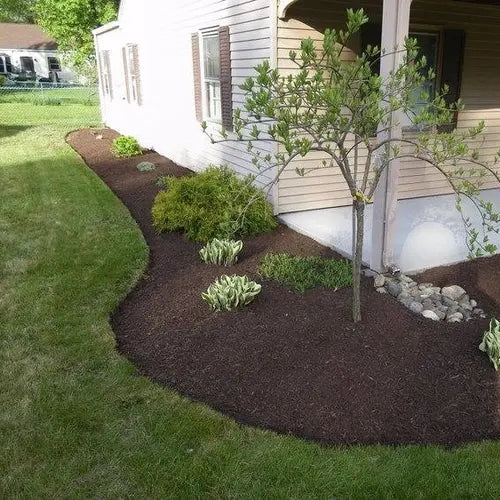
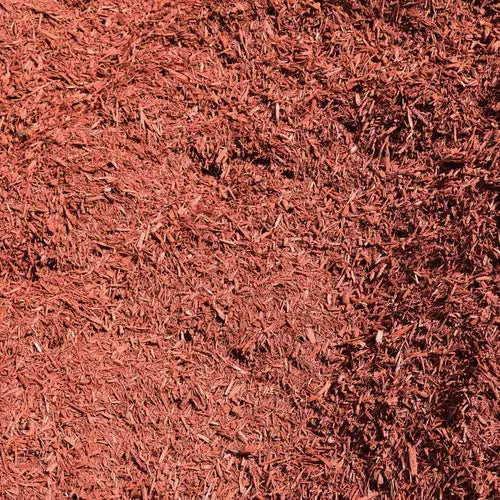
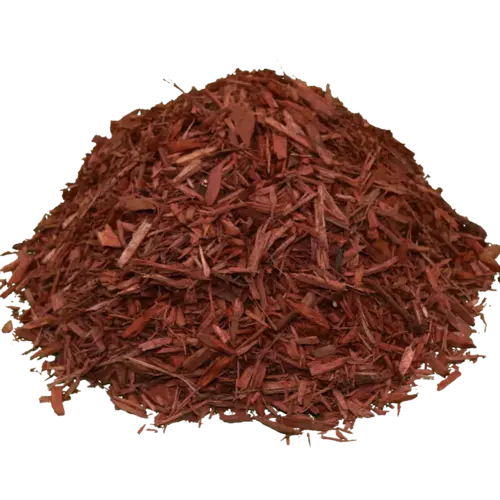
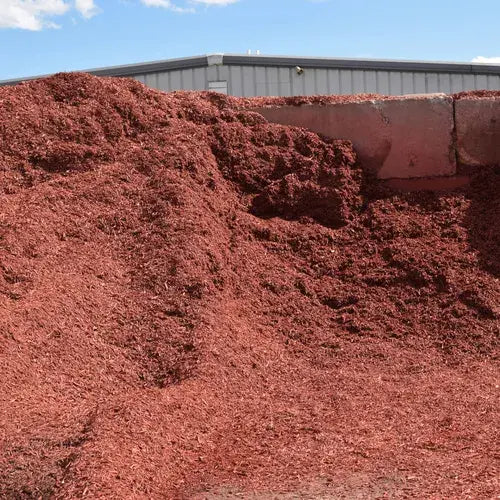
Warm brown double shredded mulch with lasting color that looks freshly applied for weeks. Spreads smooth, stays put, and gives beds a natural, polished appearance.
Easy to order, arrived when it was to arrive. Mulch was beautiful! Couldn’t be easier!
Tell us what you're looking for
Thanks! We received your request.
Something went wrong. Please try again.
How Much Material Do I Need?
How Much Material Do I Need?
For Morgantown's silt loam beds, 3 inches of mulch provides enough depth to suppress weeds and shield the soil surface from the compacting force of heavy summer rain. Most standard landscape beds measure between 100 and 300 square feet, and one cubic yard covers roughly 100 square feet at 3 inches deep.
Use our free mulch calculator
What is a yard?
What is a yard?
FAQs
FAQs
Morgantown Mulch Delivery
Morgantown Mulch Delivery
Regular price
$73.00
per
yard
Regular price
Sale price
$73.00
Unit price
per
Shipping calculated at checkout.
Minimum of 3 yard
Couldn't load pickup availability
Not currently available
We can't take orders for this right now. Tell us what you need and we'll get back to you.
Hand-picked local yards
4,000+ regional deliveries
Dedicated support
Why order through Mulch Mound
The best local mulch, without the guesswork.
We hand-pick and partner with the best yards in your region, keep only the ones our buyers rate well, and back each load with our guarantee.
Mulch Mound Guarantee
If your mulch isn't the quantity or quality you ordered, we'll make it right.
About this mulch
Warm brown double shredded mulch with lasting color that looks freshly applied for weeks. Spreads smooth, stays put, and gives beds a natural, polished appearance.
Easy to order, arrived when it was to arrive. Mulch was beautiful! Couldn’t be easier!
How Much Material Do I Need?
How Much Material Do I Need?
For Morgantown's silt loam beds, 3 inches of mulch provides enough depth to suppress weeds and shield the soil surface from the compacting force of heavy summer rain. Most standard landscape beds measure between 100 and 300 square feet, and one cubic yard covers roughly 100 square feet at 3 inches deep.
Use our free mulch calculator
What is a yard?
What is a yard?
FAQs
FAQs
Tell us what you're looking for
Thanks! We received your request.
Something went wrong. Please try again.

How It Works
Getting started is easy — just follow these simple steps
1
Choose your Mulch
Make sure you adjust the quantity to your home's needs. You can use our calculator to estimate how much you'll need.
2
Select your delivery date
Select a delivery date you'd like for the product to be dropped off at your home
3
Sit back and wait
Sit back, wait, and let us work our magic to make sure the highest quality product is delivered to your driveway.

Great experience! Easy to order, they delivered promptly and were very respectful of the property! Ordered the triple shredded brown mulch and it w...
Read full review
Great experience! Easy to order, they delivered promptly and were very respectful of the property! Ordered the triple shredded brown mulch and it was EXACTLY what I wanted. Very clean product too, no garbage or filler. Already put these guys in my calendar to order from next year! Keep up the good work.

Website was easy to use. Mulch was delivered on time and exactly where specified. It makes our front yard look great just in time for spring!
Calculate mulch for your Morgantown project
For Morgantown's Silt Loam type of soil, we recommend 2-3 inches for best weed suppression and moisture retention
Try Our CalculatorMeasure each bed's length and width in feet and multiply to get the square footage, then account for the sloped nature of many Morgantown yards by adding 10 percent to your total. A 3-inch depth is the recommended standard for Morgantown's rainfall levels to ensure adequate coverage after heavy storms wash some material downslope.



Best Mulch Choice for Morgantown Lawns
Most yards in the Morgantown area sit on Silt Loam type of soil. Morgantown's silt loam soil has a fine particle structure that compacts under foot traffic and heavy rainfall, creating a dense surface layer that resists water infiltration and chokes the root systems of established plants.
Hardwood Mulch
Shredded hardwood mulch breaks down gradually in Morgantown's moist climate and introduces coarse organic matter that physically separates silt particles, improving the porosity and water-holding balance of the native soil measurably over multiple growing seasons.
Mulch Types We Deliver in Morgantown
Mulch Mound delivers bulk mulch by the cubic yard to homes and properties throughout Morgantown, so you get the right amount without hauling bags. Our selection suits the clay-heavy soils, wooded yards, and mixed housing stock common in this part of West Virginia. Place your order and we bring it to your driveway.
Dyed Black Mulch
Double shredded black mulch that gives beds a bold, clean contrast against green lawns and plantings. The rich color holds up well through West Virginia's humid summers and heavy rainfall. It works especially well in front-yard beds and foundation plantings where a sharp, polished finish is the goal.
Dyed Brown Mulch
Double shredded brown mulch with a warm, lasting color that looks freshly laid for weeks after delivery. The smooth texture spreads easily in sloped or terraced beds, which are common in this hilly region. A versatile choice that complements the brick, stone, and wood siding found on homes throughout the area.
Natural Brown Mulch
Undyed double shredded mulch with an earthy tone that comes straight from the wood itself. It blends naturally with the forested surroundings typical of West Virginia landscapes, making it a solid fit for native plant gardens and wooded yard edges. No dyes, just clean wood texture and a warm, honest look.
Complete Your Outdoor Mulch Project
If your beds need a nutrient boost before mulching, pair your mulch order with a delivery of premium topsoil or garden soil to build up the profile first. Add a load of decorative stone for pathway edging or drainage channels to complement the mulch beds throughout your Morgantown landscape.


Mulch Mound Pro Tip
Morgantown's silt loam soil seals over quickly after a dry spell, making it hard for water to penetrate when rain finally arrives. Before spreading mulch, loosen the top inch of soil with a cultivator and water the bed thoroughly. This ensures your mulch layer sits on a receptive surface and that the first rainfall after application drives moisture into the root zone rather than running off the hardened crust.
Mulch Mound Pro Tip
Because the frost-free window in Morgantown runs roughly from May 10 to October 10, timing your mulch application on the front end of that window matters. Pull mulch a few inches away from the crown of perennials and the base of shrubs when you apply in spring. This prevents crown rot during the warm, humid summers and gives beneficial soil organisms the airflow they need to thrive under the canopy of your beds.
Mulch Mound Pro Tip
With 45 inches of annual rainfall spread fairly evenly across the year, Morgantown beds rarely need irrigation during spring and fall but can dry out quickly during July and August heat stretches. A consistent 3-inch mulch layer acts as a buffer, cutting surface evaporation by up to 70 percent during those dry spells. Rake the mulch lightly every few weeks to prevent the top layer from matting, which blocks rainwater from reaching the soil below when the next storm arrives.
The Unique Landscape of Morgantown
Morgantown's silt loam soil is naturally prone to compaction during the wet spring months, and mulch plays a critical role in keeping plant beds loose and workable through the growing season. With 45 inches of annual rainfall, unprotected beds lose topsoil quickly on the characteristically sloped yards found across Morgantown, making erosion control a genuine concern for most homeowners. A proper mulch layer moderates soil temperature during the wide swings between Morgantown's cold October frosts and the warm, humid summers that follow. Because the last frost typically arrives around May 10, mulch applied in early spring helps hold warmth in the soil and gives new plantings a stronger start. The combination of heavy rainfall and silt loam means beds can crust over between rain events, and mulch breaks that cycle by shielding the surface from raindrop impact.