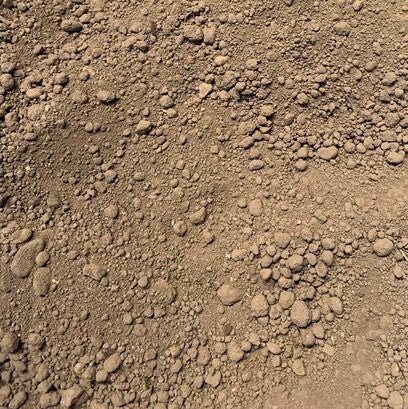
Quality topsoil for lawns, gardens, and landscape projects. Nutrient rich and ready to support strong root development and healthy plant establishment.
We got 3 yards of the gardening top soil. It was great quality, not many chunks and seems good for growing, just waiting for all my plants to love it.
We had more than enough soil to fill a raised bed we made and landscaped around a patio. I do wish we could do less tha...
Tell us what you're looking for
Thanks! We received your request.
Something went wrong. Please try again.
How Much Material Do I Need?
For new raised beds in Morgantown, plan on a minimum of 10 to 12 inches of blended soil depth to give roots adequate room during the full growing season. Lawn leveling projects typically need no more than 1 to 2 inches of topsoil applied in thin lifts to avoid smothering existing turf.
Use our free soil calculator
What is a yards?
A yard is approximately 27 cubic feet. As a general guideline, one yard of material can cover an area of about 10 feet by 10 feet at a few inches deep.
We hand-pick and partner with the best yards in your region, keep only the ones our buyers rate well, and back each load with our guarantee.
Mulch Mound Guarantee
If your soil isn't the quantity or quality you ordered, we'll make it right.
About this soil
Quality topsoil for lawns, gardens, and landscape projects. Nutrient rich and ready to support strong root development and healthy plant establishment.
We got 3 yards of the gardening top soil. It was great quality, not many chunks and seems good for growing, just waiting for all my plants to love it.
We had more than enough soil to fill a raised bed we made and landscaped around a patio. I do wish we could do less tha...
How Much Material Do I Need?
For new raised beds in Morgantown, plan on a minimum of 10 to 12 inches of blended soil depth to give roots adequate room during the full growing season. Lawn leveling projects typically need no more than 1 to 2 inches of topsoil applied in thin lifts to avoid smothering existing turf.
Use our free soil calculator
What is a yards?
A yard is approximately 27 cubic feet. As a general guideline, one yard of material can cover an area of about 10 feet by 10 feet at a few inches deep.
We got 3 yards of the gardening top soil. It was great quality, not many chunks and seems good for growing, just waiting for all my plants to love ...
Read full review
We got 3 yards of the gardening top soil. It was great quality, not many chunks and seems good for growing, just waiting for all my plants to love it.
We had more than enough soil to fill a raised bed we made and landscaped around a patio. I do wish we could do less than 3 yds delivered but I understand the limitations.
My only concern was we requested it on the top left of our driveway since we had mulch on the other side, they ended up pouring it on top of the mulch (it was covered with a tarp so not ruined) making it difficult to complete our landscaping in a timely fashion.
Measure the length and width of your project area in feet and estimate the average depth of soil you need to add, keeping in mind that Morgantown's sloped terrain can mean variable depth across a single bed or grading project. Enter those dimensions in our calculator and round up by at least 10 percent to account for settling, since silt loam subgrades often compress under the weight of new material.
Soil Types We Deliver in Morgantown
The hill country of north-central West Virginia brings dense, clay-heavy native soils that often call for quality amendments and fresh material. We make it easy to order bulk topsoil by the yard in Morgantown, delivered straight to your driveway or job site in the quantity you need. Whether you are grading a new lawn, building raised beds, or refreshing tired garden areas, our soil options make the work more manageable.
Screened Top Soil
Our screened topsoil is processed to a fine, even texture that spreads smoothly and grades cleanly across the sloped, uneven terrain typical of north-central West Virginia. It is ideal for new lawn establishment, sod preparation, and raised bed construction, making it the most broadly useful bulk soil material for homeowners and landscapers in the region.
Mushroom Compost
Spent mushroom compost is a nutrient-rich organic amendment that improves the structure of the dense, compacted soils common throughout the area. Working it into garden beds or vegetable plots encourages stronger root development and better drainage, making it a popular choice for gardeners focused on building long-term soil health season after season.
Complete Your Outdoor Soil Project
Pair your soil delivery with a layer of hardwood mulch to cap off new beds and protect the soil surface from Morgantown's frequent rain events. Decorative stone edging or pathway gravel helps define bed boundaries and manage runoff on the sloped lots common throughout Morgantown's neighborhoods.
Can I just use the native soil in my Morgantown yard for new garden beds?
Morgantown's native silt loam is workable but often too compact and low in organic matter for productive vegetable or flower beds straight from the ground. Blending it with quality imported topsoil or garden mix dramatically improves texture, drainage, and nutrient availability. Most local gardeners find that building raised or amended beds with bulk soil is far more productive than trying to rehabilitate compacted native soil alone.
Answer
How much soil do I need to level out a low spot in my Morgantown lawn?
For lawn leveling, fill low spots in lifts no deeper than half an inch at a time to avoid smothering existing grass. Calculate the square footage of the depression and multiply by the depth in feet to get cubic feet, then divide by 27 for cubic yards. Most low spots in Morgantown lawns stem from the natural settling of silt loam over tree roots or old utility trenches and respond well to a fine topsoil topdress worked in with a drag mat.
Answer
What kind of soil works best for raised vegetable beds here in Morgantown?
A blended garden mix that combines topsoil, compost, and a perlite or coarse sand component works exceptionally well for raised beds in Morgantown. The native silt loam holds too much moisture in cool spring weather, which delays seed germination when you are already working with a frost-free season that does not open until around May 10. A loose, well-drained raised bed mix warms up faster and gives seedlings the oxygen-rich root environment they need during the critical early weeks of the growing season.
Answer
Is bulk soil actually better than buying bags from the hardware store?
For projects requiring more than about 10 cubic feet of material, bulk soil is significantly more economical and typically fresher than bagged product that may have sat in a warehouse for months. In Morgantown, where projects often involve significant slope grading or large raised beds, bulk delivery means you get the volume you actually need in one delivery rather than making multiple store runs with awkward bags up a hillside driveway.
Answer
How do I fix the drainage problems in my Morgantown yard before adding new soil?
Before placing new soil in a persistently wet area, grade the subgrade so water flows away from structures at a slope of at least 1 inch per foot. Morgantown's silt loam can create a nearly impermeable pan layer several inches below the surface, especially in areas that have been driven on or heavily foot-trafficked. Breaking up that pan with a tiller before placing new topsoil gives drainage somewhere to go and prevents the new layer from simply becoming a saturated sponge sitting above a hardpan.
Answer
When is the best time of year to do major soil work in Morgantown?
Late April through early May is ideal for most soil work in Morgantown, just before the last frost window closes around May 10. The soil is typically thawed and workable but not yet baked hard by summer heat. Fall is the second-best window, ideally mid-September through early October before the first frost arrives around October 10, which is a great time to grade, level, and seed so turf can establish before winter sets in.
Answer
How do I figure out how much soil to order for a raised bed project?
Multiply the length, width, and height of your raised bed in feet to get cubic feet, then divide by 27 to convert to cubic yards. A standard 4-by-8-foot raised bed at 12 inches deep holds just under 1.2 cubic yards. For Morgantown gardeners building multiple beds, it is almost always worth ordering a little extra to account for settling over the first season, since bulk delivery fees make one larger order more economical than two smaller ones.
Mulch Mound Pro Tip
Morgantown's 960-foot elevation means soils stay colder longer into spring than lower-elevation communities nearby. If you are filling raised beds for early vegetable starts, order your soil a week or two before planting and let it warm in place before transplanting seedlings. Dark-colored blended soils absorb heat faster than pale sandy mixes and can give you a measurable head start in a growing season that does not fully open until mid-May.
Mulch Mound Pro Tip
When grading soil near foundations in Morgantown, maintain a slope of at least 6 inches of drop over the first 10 feet away from the structure. The 45-inch annual rainfall creates sustained hydrostatic pressure against foundations, and proper grading is one of the most cost-effective ways to manage basement moisture in this area. Pair graded topsoil with a French drain or stone channel to redirect water before it pools against walls during heavy spring storms.
Mulch Mound Pro Tip
Morgantown's silt loam native soil is nutrient-rich but can quickly become anaerobic in low spots during wet periods. When blending imported topsoil into native beds, work it in at a ratio of roughly one part imported to two parts native rather than simply layering it on top. This physical blending prevents the interface between the two materials from becoming a barrier where water stalls, which is a common mistake that leads to root problems after a wet spring season.
The Unique Landscape of Morgantown
Morgantown sits at 960 feet in the Appalachian foothills, and the native silt loam found across most of the city is naturally fertile but prone to compaction, poor drainage in low spots, and erosion on slopes. Imported topsoil and blended garden soils let homeowners build up beds, level lawn areas, and fill raised planters with a consistent growing medium that outperforms the variable native profile. With a last frost around May 10 and a first frost near October 10, the Morgantown growing window is short enough that soil quality at the start of the season makes a measurable difference in plant establishment. The 45 inches of annual rainfall means drainage is as important as nutrient content, and a quality blended soil helps prevent the waterlogged root zones that stall vegetable and perennial gardens after a wet spring. Whether you are grading around a foundation, starting a raised bed, or repairing a bare lawn spot, quality bulk soil delivered to your door gives Morgantown homeowners a head start that bagged product simply cannot match.