
About this mulch

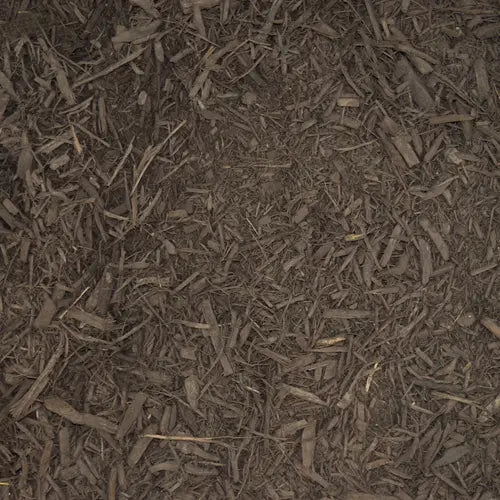
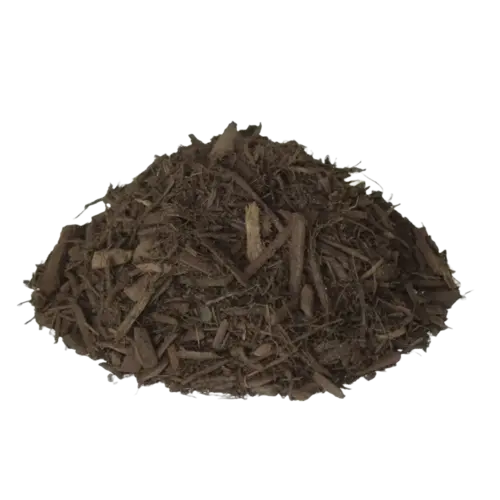
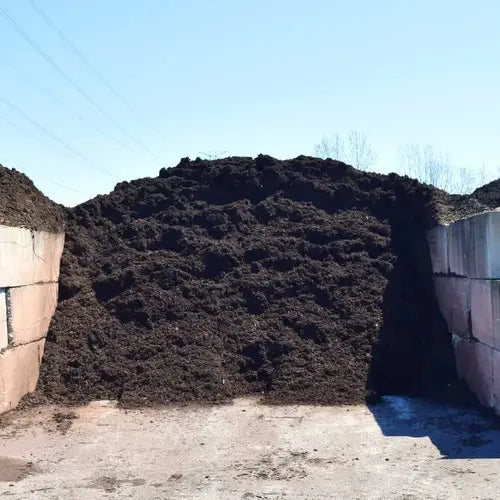
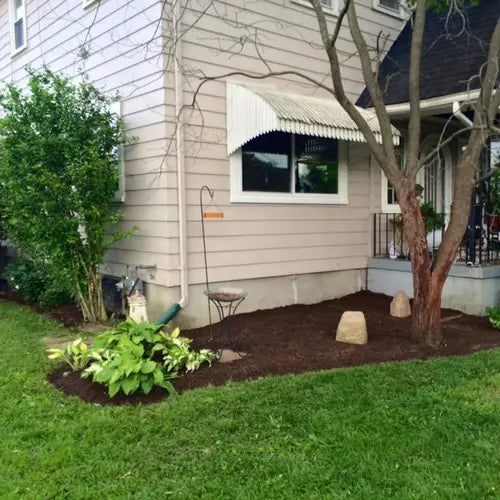
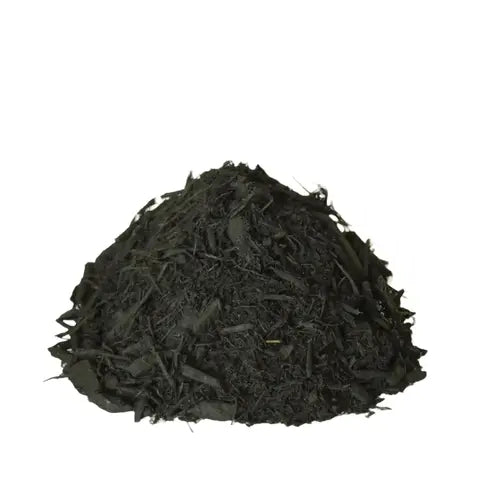
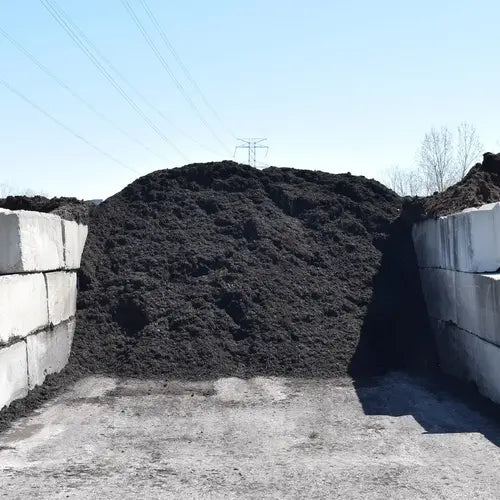
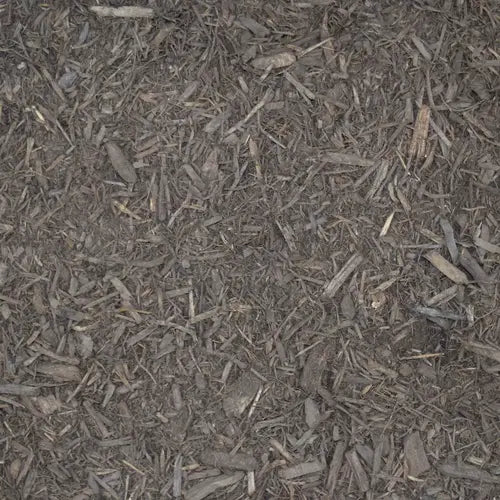
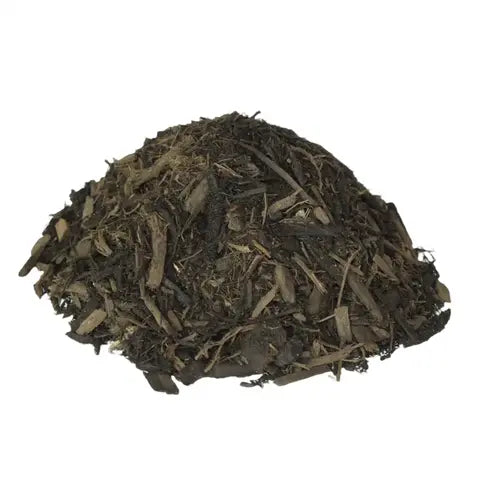
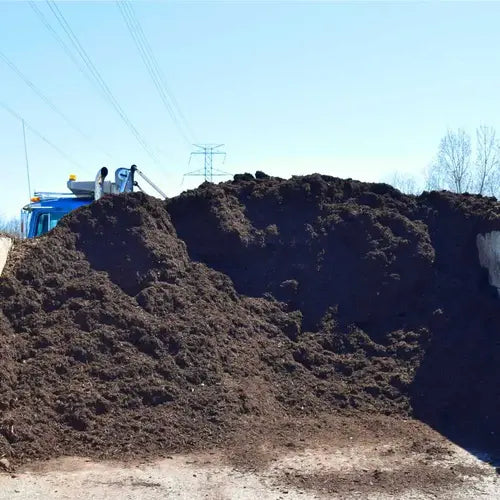
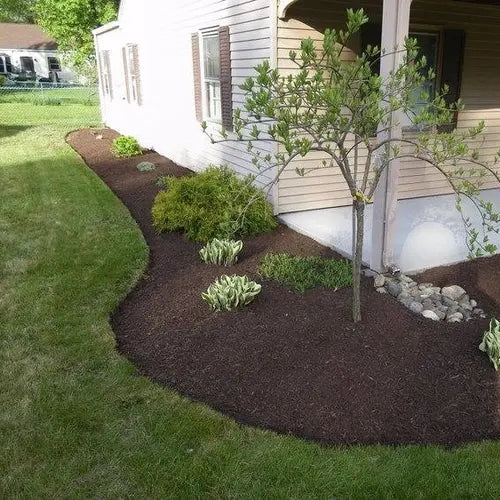
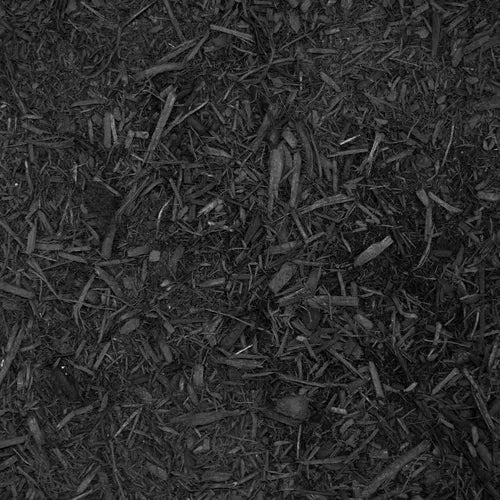
Warm brown double shredded mulch with lasting color that looks freshly applied for weeks. Spreads smooth, stays put, and gives beds a natural, polished appearance.

UPDATE! I can’t say enough good things about Mulch Mound! If you read my review below you will see I had a problem with my order. Mulch Mound was quick to respond and solved the issue with my delivery. Will definitely be a customer next year. First time purchase from Mulch ...

Morristown Mulch Delivery

Morristown Mulch Delivery

4.7
137 reviews
Regular price $55.00 per yard
Regular price Sale price $55.00
Sale Sold out
Color
Style
Minimum of 3
1 tree planted for every order

About this mulch

Warm brown double shredded mulch with lasting color that looks freshly applied for weeks. Spreads smooth, stays put, and gives beds a natural, polished appearance.

UPDATE! I can’t say enough good things about Mulch Mound! If you read my review below you will see I had a problem with my order. Mulch Mound was quick to respond and solved the issue with my delivery. Will definitely be a customer next year. First time purchase from Mulch ...

For most Morristown landscapes, a 3-inch depth of mulch is recommended to hold up against the 45 inches of annual rainfall and the vigorous weed growth that Zone 7b warm springs bring. On slopes or areas with visible erosion, consider going up to 4 inches to keep silt loam soil in place during heavy rain events.
Use our free mulch calculator

A yard is approximately 27 cubic feet. As a general guideline, one yard of material can cover an area of about 100-160 square feet at a 2-3 inch depth.

View full details

How It Works

Getting started is easy — just follow these simple steps

1

Choose your Mulch

Make sure you adjust the quantity to your home's needs. You can use our calculator to estimate how much you'll need.

2

Select your delivery date

Select a delivery date you'd like for the product to be dropped off at your home

3

Sit back and wait

Sit back, wait, and let us work our magic to make sure the highest quality product is delivered to your driveway.

What Morristown Customers Are Saying

4.7
out of 5 based on 137 reviews
Google Reviews

Calculate mulch for your Morristown project

For Morristown's Silt Loam type of soil, we recommend 2-3 inches for best weed suppression and moisture retention

Try Our Calculator
📍

To estimate how much mulch you need for your Morristown beds, measure the length and width of each area in feet and multiply to get square footage, then use a depth of 3 inches as your baseline given the local rainfall and weed pressure. Because silt loam soil can settle after heavy rains, ordering just a bit extra to account for that first season of compaction is a smart move for East Tennessee yards.

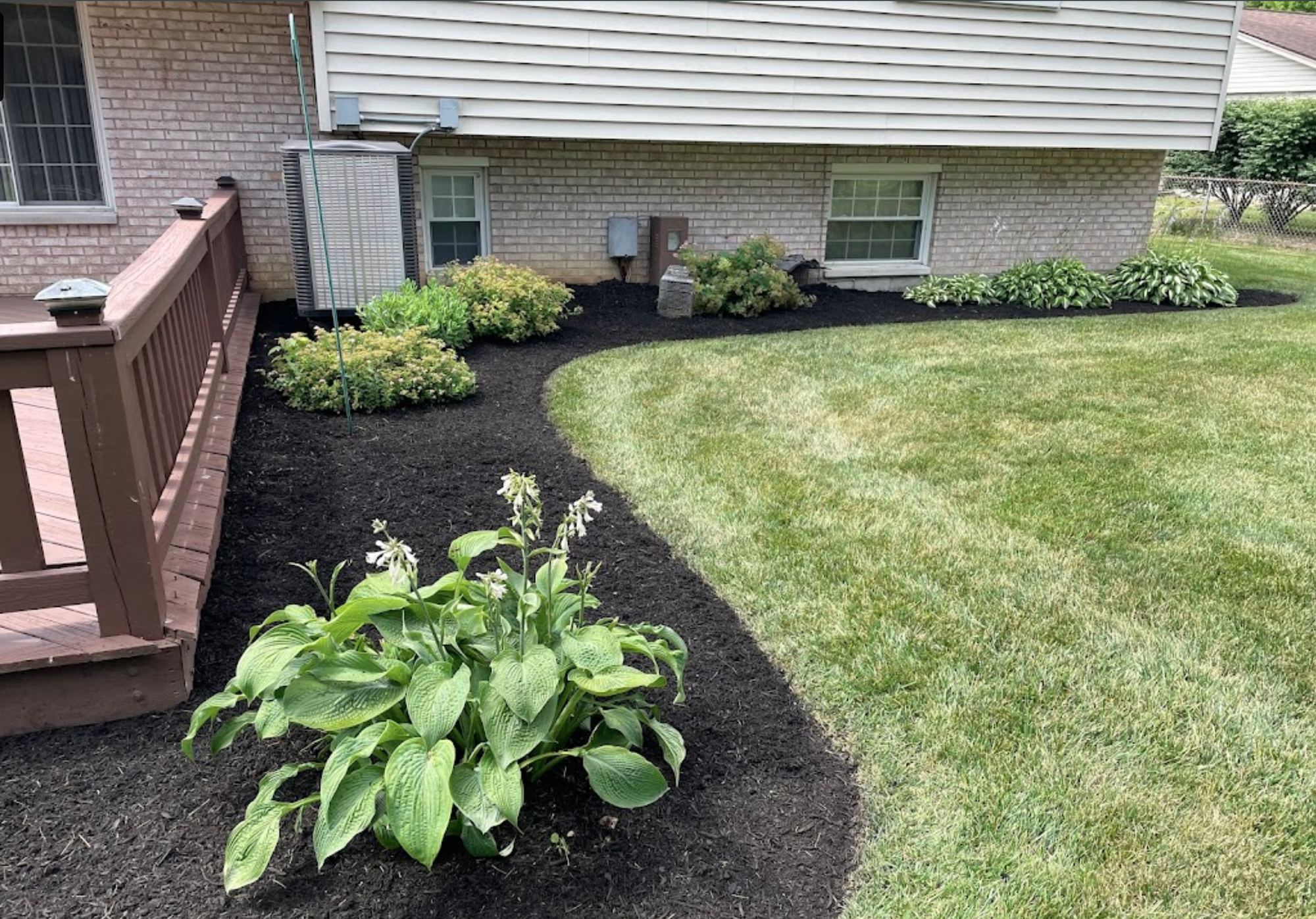
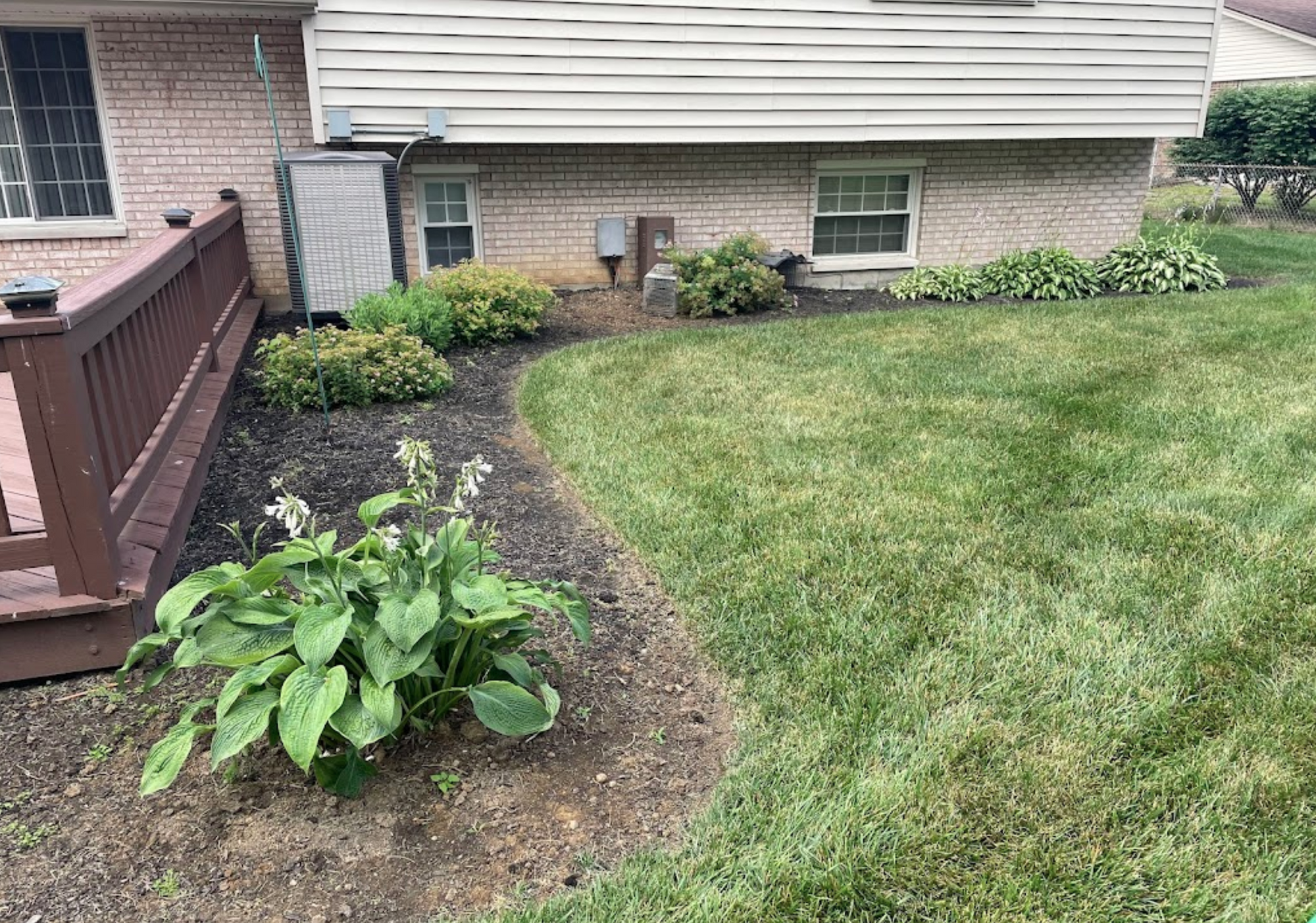
Mulch vs. No Mulch: The Difference

Morristown's humid Zone 7b summers mean that any organic mulch will begin breaking down faster than it would in a cooler or drier climate, so the choice between natural and dyed mulch is partly a question of how often you want to refresh your beds. Natural hardwood mulch feeds the silt loam soil as it decomposes, gradually improving its structure and organic content over multiple seasons. Dyed mulch holds its color longer through Morristown's wet springs and summers, making it a popular choice for front yard beds where curb appeal is a priority.

Before image
After image
Slider handle
Before
After

Complete Your Outdoor Mulch Project

If your beds need more than mulch, MulchMound also delivers bulk soil to build up depleted or compacted silt loam areas in Morristown yards and decorative stone for low-maintenance borders and pathways that hold up through wet East Tennessee winters. Combining mulch with the right soil amendments and stone edging gives your landscape a finished, durable look suited to Morristown's climate.

Map of Morristown, Tennessee

Areas we deliver mulch in Morristown, Tennessee

No cities found for this region.

See All Locations
Mulch Mound Pro Tip

Morristown's silt loam soil tends to shed water during quick summer storms when the surface has dried and crusted between rain events. Before spreading mulch, loosen the top inch of soil in your beds with a hand cultivator so the first rains after mulching can penetrate rather than run off. This one extra step dramatically improves the moisture-holding benefit of your mulch layer, especially during the hot July and August dry spells that Zone 7b gardens often experience between storm cycles.

Mulch Mound Pro Tip

Because Morristown's growing season runs from mid-April through late October, perennials in your beds need root insulation on both ends of that window. Apply mulch in fall before the October 22 first frost to protect root zones through winter, but rake it back slightly from plant crowns in late March before new growth emerges. This prevents crown rot during the cool and damp weeks between late winter thaws and the reliable warmth that follows the last frost date.

Mulch Mound Pro Tip

With 45 inches of rainfall per year in Morristown, mulch does double duty as both a moisture manager and an erosion barrier. On any bed with even a slight slope, lay mulch in a continuous blanket without gaps and consider a slightly deeper application of 3 to 4 inches along the downhill edge. This edge acts as a natural berm that slows water movement and keeps your silt loam topsoil from washing into driveways and walkways during heavy spring and summer storms.

Frequently Asked Questions

Click a question to see the answer

Answer

How thick should I apply mulch in Morristown given our heavy spring rains?

In Morristown, where annual rainfall averages 45 inches and spring storms can be intense, a 3-inch layer of mulch is generally the sweet spot for garden beds. That depth is thick enough to suppress weeds and protect silt loam soil from erosion during downpours, but not so thick that it holds excess moisture against plant crowns and causes rot during the humid summer months.

Answer

Will mulch break down faster here than in drier parts of Tennessee?

Yes, Morristown's combination of warm Zone 7b temperatures and consistent moisture accelerates decomposition compared to drier regions. Organic mulches like hardwood blend break down faster in humid conditions, which actually benefits your silt loam soil by adding organic matter over time. Plan to top off beds with a fresh inch or two each spring, ideally after April 15 when the risk of hard frost has passed.

Answer

Does mulch help with the compaction we sometimes get in East Tennessee plant beds?

Morristown's silt loam soil packs down under foot traffic and rainfall impact in ways that can suffocate plant roots. A consistent mulch layer absorbs the kinetic energy of raindrops before they can seal the soil surface, which helps keep the top layer of your beds more porous and better able to absorb water rather than shedding it as runoff down slopes and across driveways.

Answer

What is the difference between natural hardwood mulch and dyed mulch for our local conditions?

In Morristown's humid summers, natural hardwood mulch decomposes into the soil adding organic material that benefits the fine-textured silt loam. Dyed mulches use a colorant to maintain a fresh appearance longer and tend to break down more slowly, so they are a good choice for decorative front beds where aesthetics matter most. If you are focused on improving soil structure over multiple seasons, natural hardwood mulch offers more long-term benefit for East Tennessee landscapes.

Answer

When is the best time of year to mulch my beds in Morristown?

The two most productive windows in Morristown are early spring just after the last frost date around April 15 and mid-fall before the first frost around October 22. Spring mulching locks in moisture as temperatures rise and suppresses early weed germination before weeds get established. Fall mulching insulates plant roots through the cold months and gives you a head start on weed suppression before the following growing season.

Answer

How much mulch do I typically need for an average Morristown yard?

A good starting point for most Morristown homeowners is to measure the total square footage of your beds and plan for 1 cubic yard of mulch for every 100 square feet at a 3-inch depth. Yards in this area with established silt loam beds often have some existing organic material in the soil, so if you mulched last year you may only need a top-off layer, which can stretch your order further.

Answer

Is mulching around tree roots a good idea in Morristown's wet springs?

Mulching around trees is one of the best practices in Morristown, but technique matters. Keep mulch pulled back a few inches from the actual trunk so that moisture does not sit against the bark during wet spring and summer periods. A wide ring of mulch extending out to the drip line of the tree protects the shallow feeder roots that silt loam soil tends to produce and reduces competition from grass and weeds throughout the long Zone 7b growing season.

The Unique Landscape of Morristown

Morristown's silt loam soil has a naturally fine texture that compacts easily under Tennessee's warm summer rains, making plant beds prone to surface crusting that chokes root systems. With 45 inches of annual rainfall spread unevenly across the year, exposed soil in beds washes away during heavy spring storms and bakes hard in the summer heat. A proper layer of mulch acts as a buffer, keeping silt loam loose and workable between Morristown's last frost around April 15 and the first hard freeze near October 22. At 1,309 feet of elevation, the Morristown area experiences temperature swings that stress shallow-rooted plants, and mulch moderates those extremes by insulating soil through late-season cold snaps. Without consistent mulch coverage, weeds in Zone 7b gardens take full advantage of warm springs and establish themselves quickly before perennials even break dormancy. Choosing the right mulch for this area means accounting for decomposition rates that accelerate in Morristown's humid summers, so homeowners need a product that holds up reliably through the entire growing season.